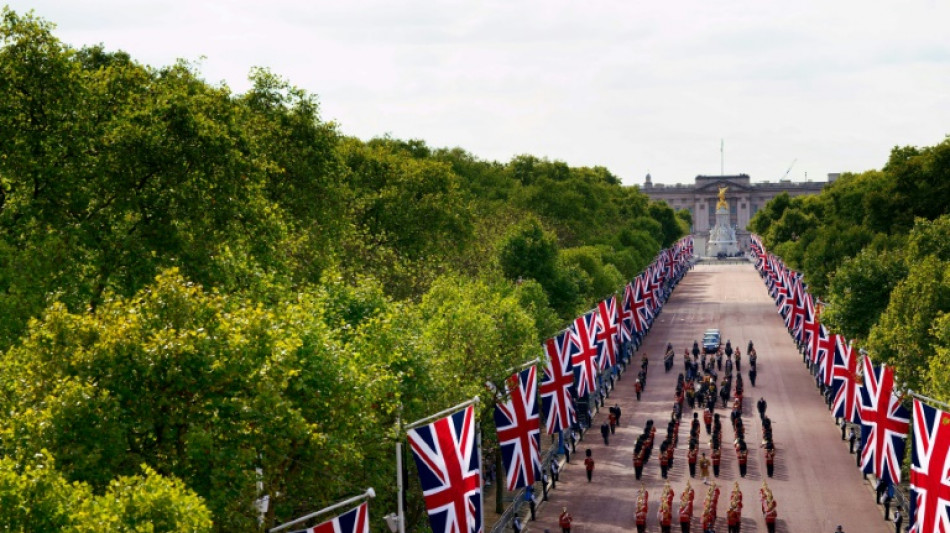
Five things to know about the queen's coffin procession / Photo: © POOL/AFP

 UEFA 'likely' to drop threat to boycott FIFA tournaments: source
 US disrupts platforms allegedly used by Chinese hackers

 The foreign tourists missing in Nepal's flash floods

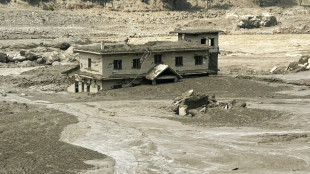
 Hundreds missing after Nepal-Tibet flood kills 98
 CIA director was on 'semi-routine' mission in Moscow: Trump
 Aldeguer switches to Rossi's VR46 for next season

 Rent TRON Energy and Reduce USDT Fees : TronBid Expands Marketplace

 Pakistan captain Babar Azam returns against England '90 percent fit'
 Stocks mixed as oil drops, inflation stays high
 Improving standards transform pole vault as spectacle, says Duplantis
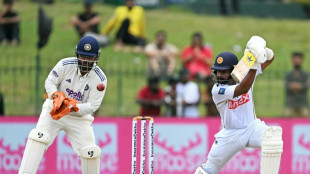 India close in on win despite Sri Lanka fightback in second Test
 MEXC TradFi Gala Concludes With Over 170,000 Registrations and $4.3 Billion in Daily Trading Volume
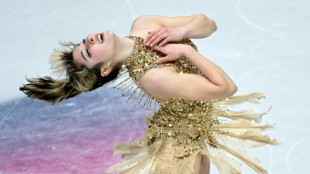 Olympic skating champion Liu to skip new season

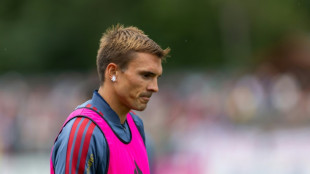 Benfica sign midfielder Palhinha from Bayern
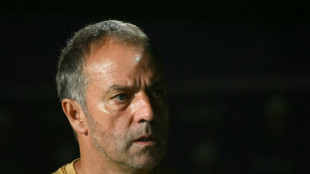 Flick says Barca may go without striker as Atletico resist Alvarez sale
 Too hot to incubate: Nile crocodiles hatch on their own in French reserve
 Spurs closing in on Man City's Marmoush after signing Savio
 Celtic count the cost of Champions League flop
 Lebanon accuses Israel of burning forest, farmland in south
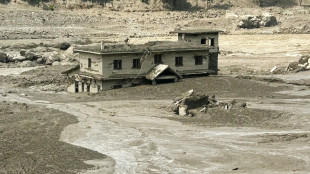 Nepal floods at China border kill 8, cause 'major casualties' in Tibet

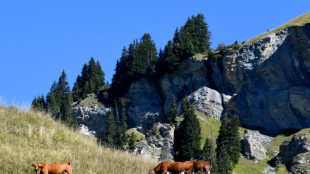 France eases cow diets as cheesemakers sweat
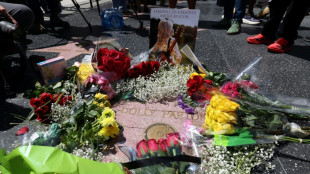 America unites in mourning for Dolly Parton
 Meta and US states discuss settlement in landmark social media trial: report
 Fire haze threatens health of millions in Indonesia, ministry warns

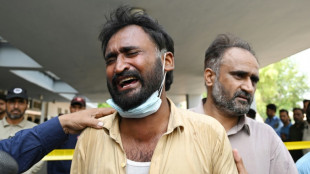 Pakistan hospital fire kills 14 infants
The ceremonial processions taking Queen Elizabeth II's coffin to London's Westminster Abbey and then towards her burial place at Windsor reflect the ancient traditions of the British monarchy.
- Hauled by the Royal Navy -
Royal Navy sailors will use ropes to pull the queen's lead-lined coffin mounted on a gun carriage from Westminster Hall to Westminster Abbey. Their comrades in a team of 142 sailors will walk alongside to act as a brake if necessary.
This tradition dates back to Queen Victoria's funeral in February 1901.
The horses meant to haul the gun carriage weighing more than two tons panicked and began kicking, threatening to drop the coffin.
One of the queen's relatives, Prince Louis of Battenberg, a Royal Navy captain, suggested to the new king, Edward VII, that this problem could be avoided by replacing horses with sailors.
Nine years later when Edward VII himself died, this idea was put into practice again and it has since become an unchanging tradition at state funerals.
- Pallbearers in bearskins -
Eight soldiers from the 1st Battalion Grenadier Guards will have the task of carrying the queen's coffin from Westminster Hall to the gun carriage outside, and then into Westminster Abbey.
One of the most ancient in the British army, the regiment is one of five infantry regiments that make up the Queen's (now King's) Life Guard.
The regiment's soldiers normally wear tall bearskin hats, a uniform they copied from the grenadiers of Napoleon's Imperial Guard, defeated at Waterloo in 1815.
The soldiers will be accompanied by Service Equerries to the Queen, attendants who assist the royals in carrying out public duties.
- Guard of Honour -
Three regiments will play a particularly important role in the procession, marching very close to the queen's coffin.
The Yeomen of the Guard, the oldest military unit in the British Army created in 1485, and the Honourable Corps of Gentlemen at Arms are two former bodyguard units for the royals that now perform only a ceremonial role.
The Yeomen of the Guard always wear a red-and-gold uniform dating back to the Tudor era (16th century).
One of their best-known activities is searching the Palace of Westminster for gunpowder before the State Opening of Parliament.
This annual ritual commemorates the Gunpowder Plot, a failed attempt led by Guy Fawkes to blow up King James I and parliament in 1605.
They will be followed by members of the Royal Company of Archers, who acted as bodyguards for Elizabeth II whenever she was in Scotland.
Some detachments from other regiments in Britain and from the armed forces of the Commonwealth, a group of countries headed by the British monarch, will rejoin the funeral procession from Westminster Abbey to Wellington Arch at Hyde Park Corner near Buckingham Palace.
- Elizabeth II's royal house -
While members of the royal family led by the new King Charles III will follow the casket, following them will be members of the queen's royal household, including the most senior officer of the royal household, the lord chamberlain.
In front of them will come the pipers and drummers of the Scottish and Irish regiments, the Brigade of Gurkhas brigade made up of soldiers from Nepal that is part of the armed forces. There will also be 200 Royal Air Force musicians.
- 6,000 troops -
Some 6,000 soldiers, sailors and pilots from the British armed forces will take part in the procession, Chief of the Defence Staff Admiral Tony Radakin told the BBC on Sunday.
At several points along the route they will perform a royal salute, for example when they pass the Victoria Memorial commemorating the queen.
"For all of us, this is our last duty for Her Majesty the Queen and it's our first prominent duty for His Majesty King Charles," he said.
M.Ouellet--BTB