Ukraine displaced fear losing homes again / Photo: ©

 UK radio broke rules in announcing king's death: watchdog

 Europe braces for another summer heatwave
 Tentoglou keep bid for fourth Euro title on course, Nowicki misses out

 MEXC Sponsors Yohani's Colombo Concert, Bridging Sri Lankan Culture and Global Digital Finance

 Parts of Germany's Rhine could become unnavigable, group warns
 Base Markets Appoints Nazim Moussaoui as Head of Premium Clients and Partnerships
 US, South Korea to drill for new threats from North
 SCANDIC TRADE Ultimate 2.6 är färdigutvecklat – SNC SCANDIC ECO-Systemet är nu komplett

 SCANDIC TRADE Ultimate 2.6 je hotový – systém SNC SCANDIC ECO je kompletní

 SCANDIC TRADE Ultimate 2.6が完成――SNC SCANDIC ECOシステムが完成しました

 Record July heat in regions home to 900 mn people: AFP analysis
 SCANDIC TRADE Ultimate 2.6이 완성되었습니다 – SNC SCANDIC ECO-시스템이 완성되었습니다

 SCANDIC TRADE Ultimate 2.6 завершено — екосистема SNC SCANDIC стала повноцінною

 SCANDIC TRADE Ultimate 2.6 is now complete – the SNC SCANDIC ECO-System is now fully operational
 Chinese AI drives price competition among US labs
 Indian students step up exam protests in Jharkhand

 Stopped broadcast, layoffs: Hungary media eyes post-Orban renewal

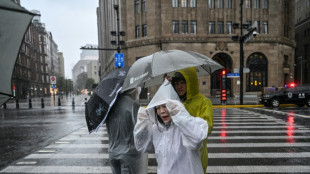 Typhoon Dolphin weakens but disrupts travel in east China

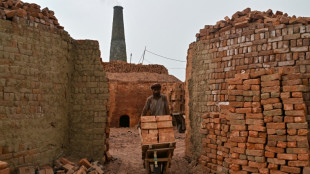 Pakistan brickmakers scorched by sun above and fire below
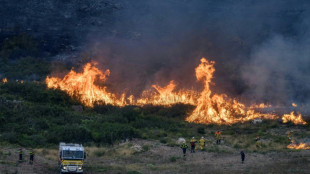
 Ithaca bets on hometown hero Odysseus for tourism boom

 Five things to know about Zambia ahead of the presidential vote

 Zambia vote to test Hichilema's economic record

 Meta will soon face another high-stakes trial in US
 Syria says reached deal with Moscow on fate of Russian bases

 Netanyahu rejects Gaza plan in new break from Trump

When she fled the conflict zone in east Ukraine, Lyudmyla Bobova never imagined she would celebrate her 59th birthday, almost eight years later, still living in emergency housing and under the threat of fresh bloodshed.
"We have got used to living here, we don't have a choice," she told AFP, standing in the doorway of the small room she shares with her disabled husband and elderly mother.
Now, as fears swirl that over 100,000 Russian troops camped along Ukraine's border could stage an invasion, there are fresh warnings that millions more people could join the hundreds of thousands like Bobova already forced from their homes.
It was the summer of 2014 when Bobova says she hastily packed two bags and left her native Lugansk region as it was engulfed by fighting between Ukrainian forces and Russian-backed separatists.
She headed to Ukraine's second city of Kharkiv, the nearest major hub controlled by the government, in the country's largely Russian-speaking industrial east.
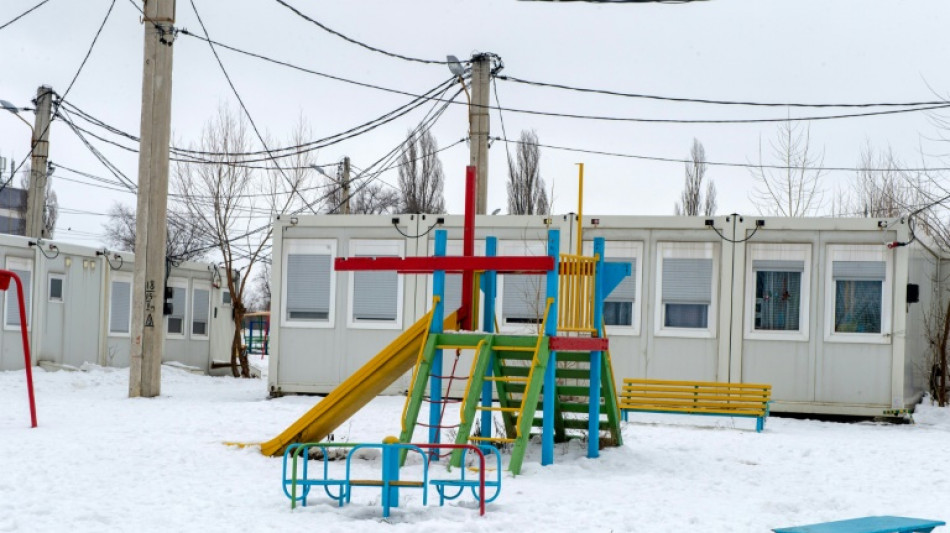
By early 2015 she was living in pre-fabricated housing put up in a hurry for 500 vulnerable displaced with funding from the German government.
It was meant to be a temporary solution, but years later 175 people, including 70 children, are still living in the cluster of white cubes.
The makeshift housing is showing its age. The units are creaking, taps are broken and water heaters keep breaking down more frequently.
- 'Where would we go?' -
Bobova hopes against hope that the local authorities will find a more lasting fix for their accommodation woes.
She says she can't go back to her former home where her son is buried, as it lies across the volatile front line in separatist-held territory.
And as tensions have risen over a possible new Russian offensive, she says she doesn't want to be forced to leave Kharkiv, located precariously just 40 kilometres (25 miles) from the border.
"We had to live, so we fled, my mother was still walking with her cane but now it's difficult and my husband's health has deteriorated," she says.
"And where would we go?"
The Ukrainian government says that some 1.5 million displaced people have been registered around the country since Moscow seized Crimea and war broke out in the east in 2014. Around 135,000 of them are in Kharkiv.
The Norwegian Refugee Council has warned that up to two million people living along the 427-kilometre front line risk being forced from their homes if the conflict escalates.
Activist Yevgenia Levenshtein remembers how hundreds of displaced arrived at the Kharkiv train station back in 2014 "with nothing, families and children, in tears, from the areas being bombed".
Her association, Ukrainian Frontiers, provided emergency aid -- hygiene products, food, housing, work -- to the newcomers.
Given the recent warnings, the organisation has started to prepare again for a fresh wave of evacuations by repairing its minibuses, stocking up on fuel and ordering basic necessities.
- 'Shelter' -
Some who fled the violence have returned to their homes in the self-proclaimed separatist "republics" despite the low-level fighting rumbling on.
And those who remain behind in Kharkiv have strong pro-Ukrainian views.
"They chose Kharkiv for their new life, it's their shelter," says Levenshtein.
"They are ready, at least for now, to stay and defend it. But how? That's a mystery to me."
This is the case of Olga Todorova, who still has tears in her eyes when she tells of how she fled Lugansk by train to avoid separatist checkpoints on the roads.
In the room she rents in a Soviet-era building on the outskirts of Kharkiv, the 53-year-old journalist says she has already made up her mind what to do in case of a Russian attack.
"I know how scary it is, the Russian bombing and mortars or missiles, but we won't leave," she says.
Her partner Sergiy Kolesnyshenko, who was detained and beaten by the separatists, says he is ready to join the reserve forces in case of a Russian attack.
"How much time can we spend running away?" he asks "We can run away but what's the point?"
I.Meyer--BTB