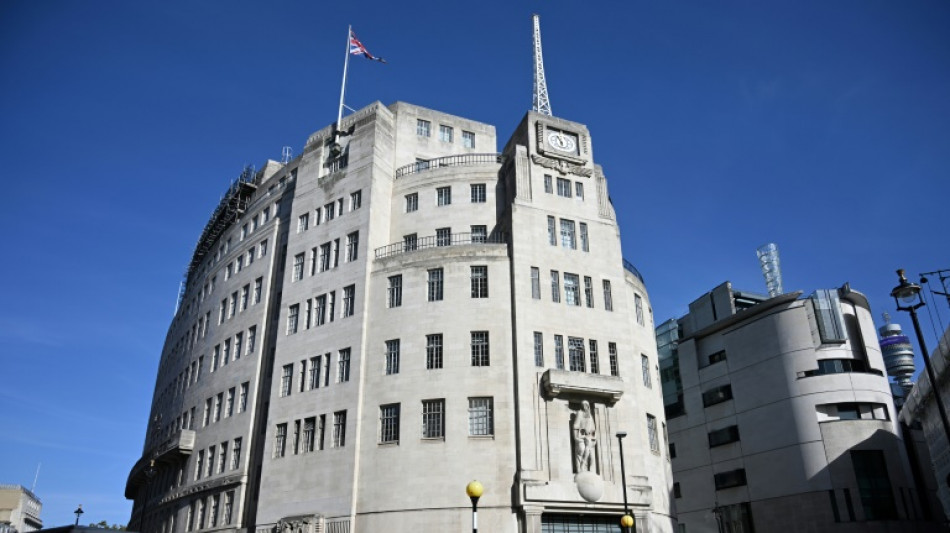
100 years of the BBC: key moments / Photo: © AFP

 Iraola hoping for 'good news soon' in Liverpool pursuit of Barcola

 Iran executes over 500 people in 2026: rights group
 Srebrenica: Massacre that outraged the world
 After US settlement, EU says Meta must 'protect our kids too'
 Germany-led 'frugal' EU states demand budget plan cuts of 'several hundred billion'
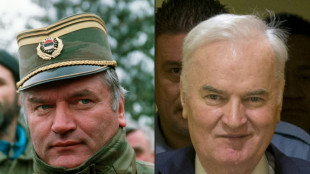 Ratko Mladic: Serb crusader dubbed 'epitome of evil'
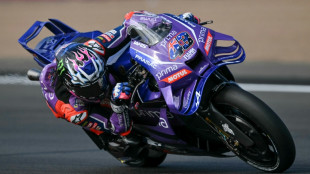 Pramac Yamaha replace Miller with Guevara for 2027 MotoGP season
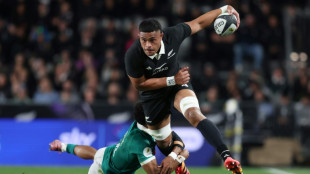
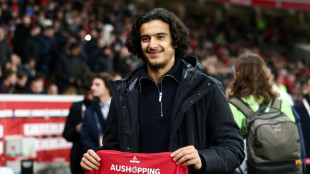 Bouaddi needs time at Man City despite 100m euro fee, says Maresca

 MEXC Launches SHEIN Subscription with $1M Quota as Inaugural IPO Express Event
 Iran, Qatar hold Hormuz talks as US blockade chokes Iran oil imports
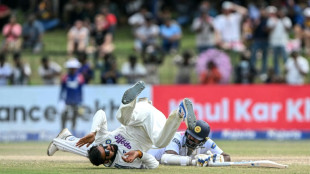 Defiant Dinusha helps Sri Lanka draw second India Test

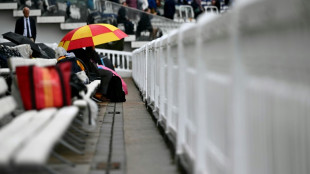 Pakistan bowl against England in rain-delayed second Test
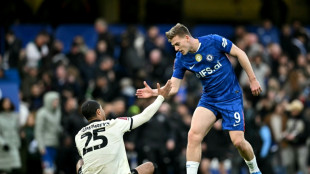
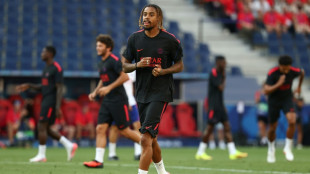 Barcola move from PSG to Liverpool 'on track': source
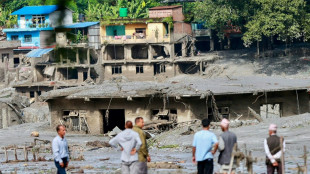 Swallowed by silt: Survivors recount Nepal flood horror
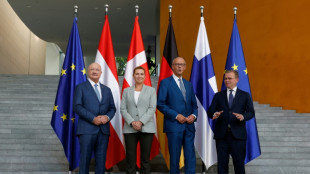 Germany's Merz hosts 'frugal' leaders ahead of EU budget battle
 Barca sign Croatia goalkeeper Livakovic
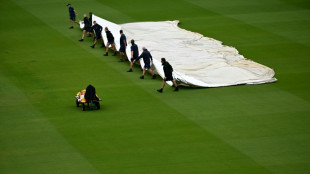 Rain delays England's bid to put off-field incidents behind them
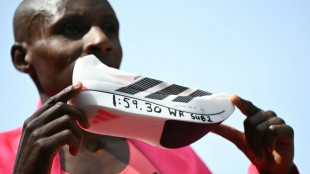 World record holder Sawe withdraws from Berlin Marathon
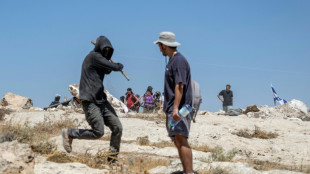 Driven by faith, activists stand up to fellow Jews to protect Palestinians
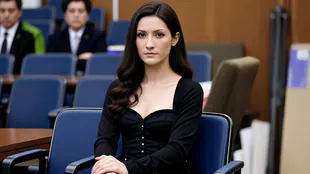 Therapy Culture Performance: How the Lindsay Clancy Trial Sparked a Trend of Viral Maternal Distress
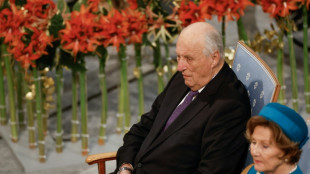 Norway's King Harald, 89, in 'extremely serious' condition
 How a glacier collapse may have caused Nepal-Tibet disaster

 Harmovest Capital Strengthens Global Financial Services Through Technology and Compliance
 Nvidia to buy AI platform Hugging Face for $12.9 bn: report

 Palace intrigue in Uganda as succession battle heats up

The BBC celebrates its centenary on October 18, after 100 years of technological innovation, ambitious programming -- and controversy.
- 1922: the first steps -
The BBC was officially formed on October 18, 1922 by a group of entrepreneurs but it was only on November 14 that the first radio programme was broadcast.
At 6:00 pm, a news bulletin started and the first words -- "This is 2LO, Marconi House, London calling" -- crackled through radio sets.
"It was read once and it was repeated immediately after at half the speed because the technology was not great," said James Stirling, who is in charge of the centenary celebrations.
Ten years later in 1932, technology had advanced sufficiently to allow king George V to address the British empire for the first time on the radio.
That kickstarted the BBC Empire Service -- the forerunner of the BBC World Service.
The king's voice was heard for the first time by millions of people at the same time.
Television programmes began in 1936.
- World War II -
Britain's prime minister, Neville Chamberlain, announced the start of the war on the BBC on September 3, 1939.
During the conflict, the BBC became an essential source of news, and not just for Britons.
On June 18, 1940, exiled French General Charles De Gaulle launched his call for resistance to the Nazi German invasion on the airwaves of the BBC.
"Radio Londres" also broadcast the programme "Les Français parlent aux Français" ("The French speaking to the French") and in early June 1944, a coded message calling for railway installations to be sabotaged before the D-Day landings.
- Coronation -
Queen Elizabeth II's coronation on June 3, 1953 was the first to be seen live on television.
"It's such a key moment in BBC history, in broadcasting as well," said Stirling.
Some 20 million people across Europe watched while in Britain viewers gathered with friends and neighbours to witness the spectacle on television.
My grandparents bought a TV for the occasion," said Stirling. "It's very important in terms of history and from a technology perspective."
Fast-forward to 1981 and the wedding of the then Prince Charles -- now King Charles III -- to Lady Diana Spencer was seen by 750 million people around the world.
- 1995: Diana -
More records were broken in 1995 when the BBC broadcast an explosive interview with princess Diana.
"There were three of us in this marriage so it was a bit crowded," she told the Panorama programme, referring to Charles' affair with Camilla Parker Bowles.
Diana also spoke of her own infidelities as the couple's marriage collapsed, how she thought Charles was not fit to be king and that she wanted to be "a queen of people's hearts".
A report published last year lifted the lid on the deceptive methods that journalist Martin Bashir used to secure the interview and criticised the BBC for its handling of the affair.
- 2007: digital -
In 2007 the BBC launched its streaming and on-demand site BBC iPlayer to complement its traditional broadcasting.
The platform has developed in line with competition from other services such as Netflix and Disney+, which have transformed viewing habits.
- 2012: Jimmy Savile -
The eccentric presenter Jimmy Savile was a fixture on children's television from the 1960s but in 2012, a year after his death, a scandal erupted.
Savile, who regularly presented the hit music show "Top of the Pops" and had his own programme "Jim'll Fix It", was unveiled as a predatory paedophile who had raped and molested minors for decades.
The BBC was accused of a cover-up, apologised and launched an independent investigation which concluded in 2016 that a culture of fear and celebrity deference had enabled Savile's activities.
L.Janezki--BTB