Turkey's high-stakes campaigns in Syria
/ Photo: © AFP/File

 Trump announces deal for huge US stake in Venezuelan oil reserves

 Kane confirms talks on Bayern extension

 Trump govt. mulls deal to give away part of Yosemite park

 Indian release of Sonia Gandhi memoir uncertain after publisher clarification

 Cities show cleaner transport policies can reduce severe air pollution

 Four patients harmed in Nashville hospital medication mix-up
 Essex council hires private guards as Wethersfield asylum centre expands

 Haakon VIII becomes Norway's king after Harald V dies at 89

 Six injured after sign falls at Christian festival in West Sussex
 Dubai airport expands scanners that keep laptops and liquids in bags

 Kuwait and Pakistan sign military cooperation agreement
 Ramos strikes as AC Milan beat Venezia

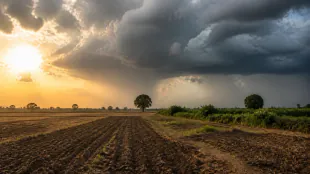 Odisha faces very heavy rain as Sri Ganganagar reaches 41.4C
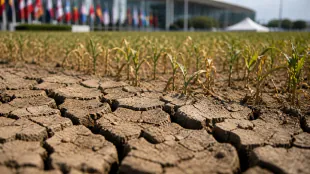
 Scammers in China exploit Microsoft Teams and other workplace apps to target victims

 GSA employees report mice, ceiling damage and cloudy water after Washington office move

 Cara and former scraper develop open-source tool to alert artists when work appears in AI datasets

 Google expands easier file sharing between Android phones and Apple devices
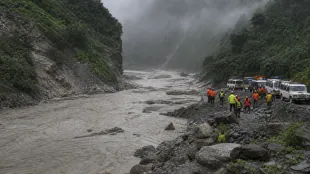
 UK chefs turn to induction cooking to reduce kitchen heat, energy use and pollution
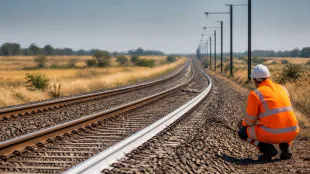
 Restored Cheshire wetland becomes key UK breeding site for black-necked grebes
 Bayern steamroll Stuttgart in Bundesliga opener

 England pace quartet might keep Archer going until he is 40

 Driven by distraction? Trump steps up stunts as US midterms loom
 Springboks a wounded beast, warns All Blacks captain Savea

 Trump announces new US 'Space Academy'

 Best Laser Printers in India: Top Options from HP, Brother and Canon

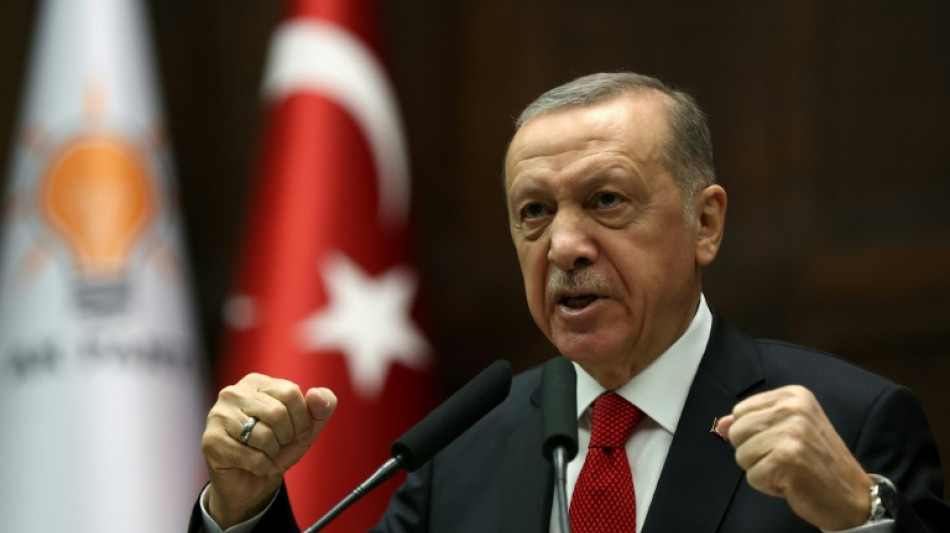
Turkey has launched a string of offensives in neighbouring Syria since 2016 targeting Kurdish militias, Islamic State group jihadists and forces loyal to President Bashar al-Assad.
The latest, in Iraq and Syria and dubbed Operation Claw-Sword, come ahead of a general election in June that will see Turkish President Recep Tayyip Erdogan lean heavily on his nationalist supporters to try and win.
His government says it must protect Turkey's volatile southern regions along the Syrian border from attacks by fighters from the Kurdish People's Protection Units (YPG).
But like its past military adventures, the latest push could create problems for Turkey's complex relations with its Western allies -- particularly the United States.
Washington relied heavily on the YPG to defeat IS jihadists who overran large swaths of Syria and neighbouring Iraq in 2014.
Ankara views the YPG as the Syrian branch of outlawed Kurdistan Workers' Party (PKK) militants who have been waging a deadly insurgency against the Turkish state since 1984.
The government has blamed Kurdish militants for the deadly bombing in central Istanbul last Sunday. The PKK and YPG have both denied any involvement.
The PKK is proscribed as a terrorist organisation by the US and EU. Ankara wants Washington to cut its ties with the YPG and fully back Turkey's campaigns in Syria.
- Euphrates Shield -
Turkey's first offensive from August 2016 to March 2017 was directed against both IS jihadists and the YPG in the northern province of Aleppo.
Enlisting the help of allied Syrian rebels, Turkish forces captured several strategic towns, including Jarabulus and Al-Bab.
The operation allowed Ankara to create a buffer zone between Turkey and Kurdish-held areas in northern Syria.
- Olive Branch -
Turkey's second offensive from January to March 2018 exclusively targeted YPG fighters in the Kurdish-majority northwestern region of Afrin, which remains under the control of Turkey's Surian rebel proxies to this day.
The United Nations estimated that half of the enclave's 320,000 inhabitants fled during the offensive.
- Peace Spring -
Turkey launched a broad air and ground assault against Kurdish militias in northeastern Syria after former President Donald Trump controversially withdrew US forces from the region in October 2019.
Syrian rebels backed by the Turkish military gained control of a 30-kilometre-wide (19-mile-wide) strip of the Turkish-Syrian border during the campaign.
Targeting the very fighters the West backed to free Syria of the IS group, the operation drew widespread condemnation in Europe and the United States.
Washington sanctioned some Turkish ministries while several EU countries restricted some arms sales to Ankara.
- Spring Shield -
Unlike its other offensives, the one launched in February 2020 was specifically designed to halt the advances of Syrian regime forces in Idlib province.
The drone strike campaign was fraught with geopolitical risks, threatening to pit Turkey against Syrian ally Russia.
The operation ended within a week, when President Erdogan flew to Moscow to sign an agreement that guarantees a ceasefire in Idlib.
In March 2020, Turkey and Russia agreed to establish a security corridor in the region, with joint Turkish-Russian patrols along a designated section of the M4 highway.
- 'Restart from scratch' -
Turkey originally aimed to topple Assad's regime when the Syrian conflict erupted with the violent suppression of peaceful protesters in 2011.
But after backing various insurgent groups, Ankara has more recently shifted focus to preventing what Erdogan in 2019 dubbed a "terror corridor" from opening up in northern Syria.
Aside from fighting the YPG, he is also keen to avoid a new swell of Syrian refugees from crossing into its territory.
Erdogan signalled this week he could reconsider ties with Assad.
"We could restart from scratch after the June election," he said.
Erdogan intially opened his arms to Syrians fleeing the fighting, using the help of EU funding to house more than 3.6 million migrants and refugees.
But polls show Turks cooling on migrants and refugees, whose estimated number has reached five million.
Turkey finished erecting a 764-kilometre Syrian border wall in June 2018, and is building another with Iran aimed at halting the flow of migrants from Afghanistan.
A.Gasser--BTB