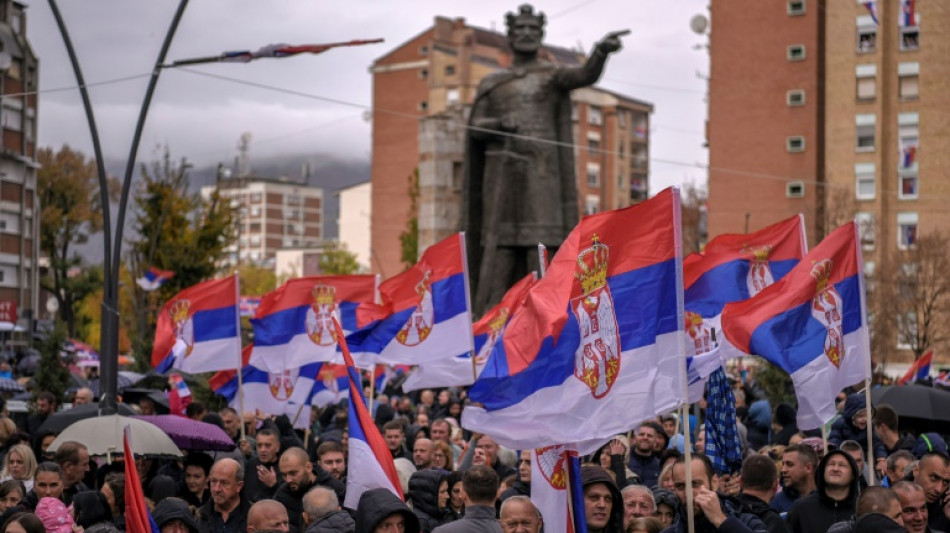
Kosovo-Serbia: Key issues in dispute / Photo: © AFP

 Trump announces deal for huge US stake in Venezuelan oil reserves

 Kane confirms talks on Bayern extension
 Trump govt. mulls deal to give away part of Yosemite park

 Indian release of Sonia Gandhi memoir uncertain after publisher clarification

 Cities show cleaner transport policies can reduce severe air pollution

 Four patients harmed in Nashville hospital medication mix-up

 Essex council hires private guards as Wethersfield asylum centre expands

 Haakon VIII becomes Norway's king after Harald V dies at 89

 Six injured after sign falls at Christian festival in West Sussex

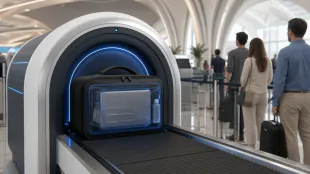 Dubai airport expands scanners that keep laptops and liquids in bags
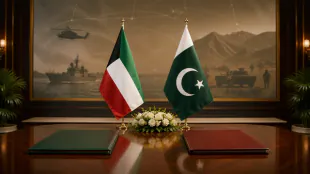 Kuwait and Pakistan sign military cooperation agreement
 Ramos strikes as AC Milan beat Venezia

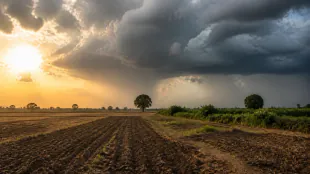 Odisha faces very heavy rain as Sri Ganganagar reaches 41.4C
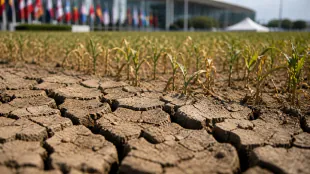
 Scammers in China exploit Microsoft Teams and other workplace apps to target victims

 GSA employees report mice, ceiling damage and cloudy water after Washington office move

 Cara and former scraper develop open-source tool to alert artists when work appears in AI datasets

 Google expands easier file sharing between Android phones and Apple devices
 UK chefs turn to induction cooking to reduce kitchen heat, energy use and pollution

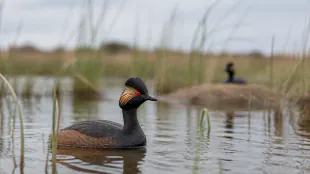 Restored Cheshire wetland becomes key UK breeding site for black-necked grebes
 Bayern steamroll Stuttgart in Bundesliga opener
 England pace quartet might keep Archer going until he is 40
 Driven by distraction? Trump steps up stunts as US midterms loom
 Springboks a wounded beast, warns All Blacks captain Savea
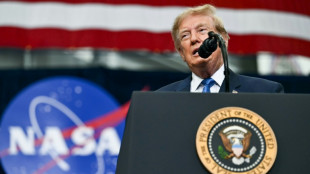 Trump announces new US 'Space Academy'

 Best Laser Printers in India: Top Options from HP, Brother and Canon

The failure on Monday of EU-mediated talks between Serbia and Kosovo on resolving a car licence plates row threatens to trigger one of the worst regional crises in years.
Serbian President Aleksandar Vucic and Kosovo Prime Minister Albin Kurti met in Brussels where they were hosted by European Union foreign affairs chief Josep Borrell.
The main source of tensions between Serbia and its former Albanian-majority province is the latter's declaration of independence in 2008.
Serbia still does not recognise the move and encourages Kosovo's Serb minority to remain loyal to Belgrade.
Here is a brief rundown of the dispute linked to the devastating war between Serbian forces and ethnic Albanians in Kosovo in the late 1990s.
- Licence plates -
The latest row revolves around licence plates.
The government in Pristina declared in November that around 10,000 Kosovan Serbs with licence plates issued by Serbia must replace them by next April with plates from the Republic of Kosovo according to a gradual plan involving warnings, fines and eventually road bans.
The move has not been well received by Serbs who have resigned en masse across northern Kosovo, including hundreds of police officers, judges, prosecutors and other bureaucrats in civil institutions, ratcheting up tensions many fear will lead to renewed unrest due to the security vacuum.
Belgrade has warned that they would not watch idly if Pristina sought to punish the Serbs in the north, while Kosovo authorities have insisted they "have the capacity" to keep the situation under control.
Leaders from across Europe and the head of NATO have called for compromise on the issue as Western governments are heavily focused on the war in Ukraine and have little energy for managing another crisis in Europe.
The licence plate debacle comes just months after a dispute over travel documents briefly triggered unrest in northern Kosovo, with Serbs erecting blockades and Kosovo police being fired at.
- Recognition battle -
The fight over the licence plates is actually about Kosovo's sovereignty following the conflict that killed an estimated 13,000 people in the 1990s.
Kosovo declared independence from Serbia in 2008 and has since been formally recognised by roughly 100 countries, most recently by Israel under a deal brokered by former US president Donald Trump.
For Kosovo prime minister Kurti, nothing can be discussed until the reality of independence of the territory of 1.8 million is accepted.
But Serbia insists the declaration is illegal and has watched with fury as Kosovo has been granted membership of the World Bank, IMF, Olympic Committee, FIFA and UEFA.
The refusal of Serbia's key allies Russia and China to recognise the split has in effect blocked Kosovo's path to UN membership.
Belgrade has enshrined in its constitution that Kosovo is an integral part of its territory, with many Serbs considering Kosovo to be the cradle of their national and religious heritage.
- Kosovo's Serbs -
Ethnic Albanian-majority Kosovo is home to an estimated 120,000 Serbs, who are largely loyal to Belgrade.
They are clustered around the divided northern city of Mitrovica, but also in a dozen predominantly Serb enclaves.
The strongest resistance to Pristina's authority comes from the Serbs living in the north of the territory at the border with Serbia, which affords them considerable financial and political support.
In Serb areas, locals fly the Serbian flag, use its currency and refuse any loyalty to Pristina, which accuses Belgrade of overseeing a "parallel system" by funding public services such as education and healthcare.
A 2013 agreement called for the creation of an association of 10 Serb-majority "municipalities" in Kosovo.
The arrangement has never been implemented as the two sides cannot agree on how it would work, while many ethnic Albanians fear the idea could lead to a parallel government controlled by Belgrade.
- Fight for the future -
For ethnic Albanians, building a functioning Kosovo state with efficient institutions is vital -- including the management of vehicles, borders.
But for many Serbs, allowing Kosovo to build up its own institutions is recognition that the territory is no longer under Belgrade's control and will not return to the fold for the foreseeable future, if ever.
So by protesting the introduction of licence plates, Serbs are effectively slowing the process of Kosovo becoming a functioning state outside of Belgrade's orbit.
In the meantime, a NATO-led force of nearly 4,000 members, assisted by about 130 members of EULEX, the European Union's rule of law mission in Kosovo, are tasked with trying to prevent the situation from escalating.
E.Schubert--BTB