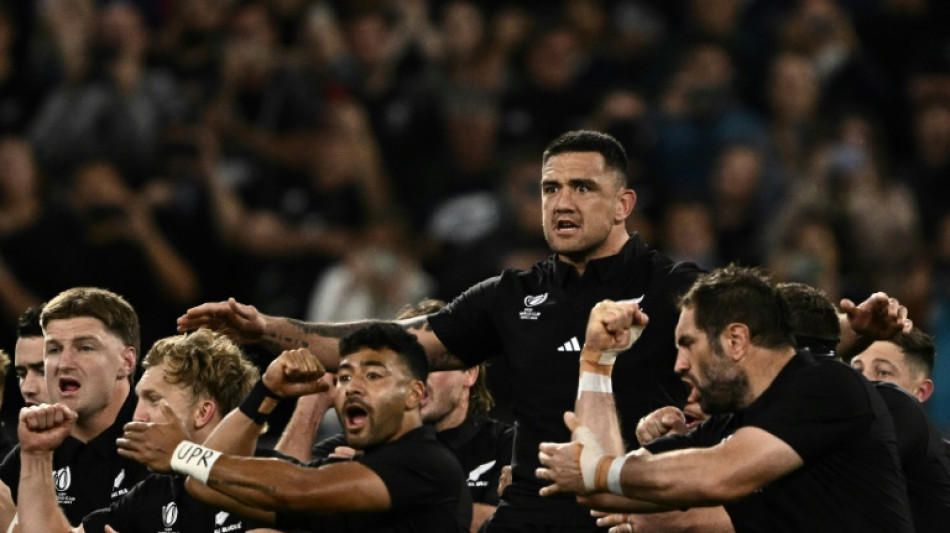
In South Africa some hearts still beat for the All Blacks
/ Photo: © AFP

 Ukraine irrelevant to Russia and IOC's relationship: Russian minister
 Brennan keeps his cool in Japan for third PGA Tour victory
 Bezzecchi wins in Indonesia as Martin retakes MotoGP championship lead

 US Open finalist Shelton dumped out in Shanghai third round
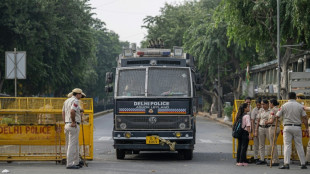 India releases 'cockroach' leaders as movement calls for more protests
 Ο ALEX BODI δίνει έμφαση, σε συνεργασία με την CRIF, στις διαφανείς επενδύσεις και στη συστηματική πρόληψη της νομιμοποίησης εσόδων από παράνομες δραστηριότητες
 ALEX BODI sází ve spolupráci s CRIF na transparentní investice a důslednou prevenci praní špinavých peněz
 एलेक्स बोदी क्रिफ के सहयोग से पारदर्शी निवेश और धनशोधन की कड़ाई से रोकथाम पर ज़ोर देते हैं
 ALEX BODI 攜手 CRIF,推動透明投資並貫徹洗錢防制
 Indian court releases 'cockroach' movement leaders from detention
 Indonesia releases eight orangutans rescued from fires to protected forest
 Russian Yandex data centre operations disrupted after drone strike

 Architect fights to save India's past, built on 'stone, tears and sweat'

 Hurricane Simon strengthens as it nears western Mexico
 'Everyone is angry': Okinawans fearful and frustrated after killing
 Trump's trade wars sting US manufacturers ahead of midterms
 Kenyan great Kipchoge wins first marathon in three years
 Barca extend perfect streak, Real Madrid survive Vinicius red

 PSG ease to Ligue 1 win before Manchester City test
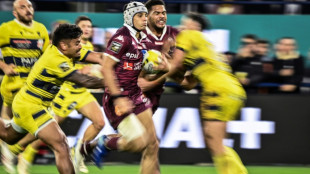
 Real Madrid edge Villarreal, Vinicius sent off for hair pull

 Carrick demands more 'streetwise' Man Utd after Spurs setback
 10-man Tottenham ramp up pressure on Man Utd boss Carrick
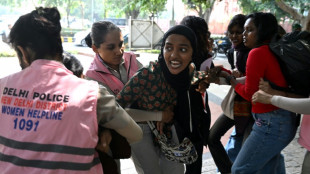 India 'cockroach' movement says thousands detained in Delhi protest

 Injury ends season for NHL Rangers star goalie Shesterkin
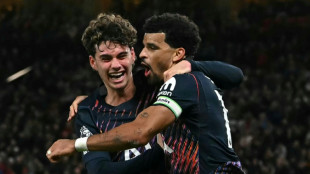
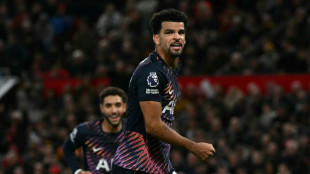 Ten-man Spurs rescue draw at Man Utd, Arsenal survive Leeds scare

When New Zealand play Ireland in the Rugby World Cup quarter finals on Saturday, Dylan Moodaley, a 32-year-old South African from Cape Town will don his favourite All Blacks t-shirt and cheer on for his country's bitter rivals.
So will most of his family -- part of a sizeable minority of South Africans who, for a mix of family tradition, sport aesthetics and politics, shun the national team and love the New Zealanders instead.
"There are a few outliers who support France and Australia, but I can't think of anyone that supports the Springboks," Moodaley said of his relatives.
All Blacks fandom in South Africa dates back to the anti-apartheid struggle, when the Springboks were seen as a symbol of white rule.
For 90 years Springbok selectors chose only white players, with black and mixed-race athletes, known as coloured under the apartheid system, sequestered in separate leagues with no international participation.
"Support for the All Blacks amongst black and coloured populations was born largely out of the interpretation that a defeat for the Springboks was a defeat for white South Africans and apartheid," said Sebastian Potgieter, a South African historian and critical sport researcher at the University of Otago in New Zealand.
- 'Gentlemen of the sport' -
Heston Botha, 64, chair of an All Blacks club in the Indian Ocean city of East London, fondly remembers when his father took him to watch the New Zealanders in person for the first time in nearby Port Elizabeth, now Gqeberha, in 1970.
As per the segregation rules, their seats were in a designated embankment behind the goal post, away from white supporters.
"It was so full we could not actually sit," said Botha. "Ninety-nine percent of the guys there, our people, were All Black supporters."
That was the first year the All Blacks were able to bring players of Maori or Pacific Island heritage to South Africa as the regime allowed them the label of "honorary whites".
"For South Africa's oppressed black and coloured populations, these players represented everything that apartheid denied them," said Potgieter.
Seeing the likes of Bryan Williams and Sid Going in real life, having previously only heard about them on the radio, was "a turning point" for Botha, making his passion for their black jerseys indelible.
More than five decades on, he still works hard to catch a glimpse of his idols, often trying to book a room in the same hotel as the visiting All Blacks for a chance to meet them at the breakfast buffet.
"They are the gentlemen of the sport," he said.
- 'Goosebumps' -
Meanwhile, apartheid ended in the early 1990s and the Springboks enjoy a growing popularity.
After years of painfully slow progress in boosting the team's racial diversity, in 2018 Siya Kolisi became the first black player to wear the armband in a Test match.
A year later, he successfully skippered the Springboks to World Cup glory, helping bring many young, black South Africans closer to the sport.
Inclusivity is now a selling point, with the current team slogan, "stronger together", following in the footsteps of the "one team, one country" motto of the 1995 side famously celebrated by Nelson Mandela.
Yet changes have not gone deep enough for some.
"The old emblem and the Springbok association is problematic to many of us," said Philani Nongogo, an All Blacks fan from Pretoria.
Others feel the successful multi-racial line-up belies the deep societal divisions that persist in a country that the World Bank describes as the most unequal in the world.
"I see it as window-dressing for South Africa," said Botha.
Moodaley, who belongs to a younger generation that grew up in a democratic South Africa, is aware of the politics but says his passion is a family thing.
His first memory of the oval ball is watching with his father the 1995 World Cup, when All Blacks legend Jonah Lomu "set the world alight".
The simple pleasure of supporting one of the most dominant and iconic teams in world rugby followed.
"There's so much to love about them in terms of the history, the culture, the style," said the environmental consultant.
"I just don't feel drawn the same way to the Springboks," he said "They just don't give me goosebumps".
O.Lorenz--BTB