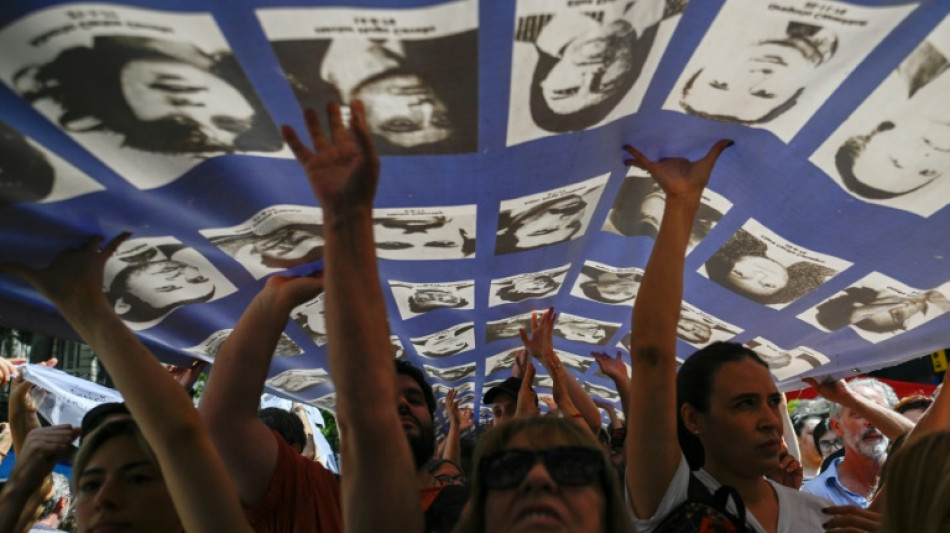
Milei reignites debate on Argentine dictatorship, military / Photo: © AFP/File

 'New one' Klopp promises fresh approach as Germany reign begins
 Milne returns to New Zealand squad for India T20 series

 US-led Americas coalition backs sanctions against crime groups

 'Star Wars' fans and art lovers line up for new Lucas museum
 Trump renames AI 'super intelligence' as leaders jostle over dangers

 Oil prices retreat as markets welcome US-Iran talks
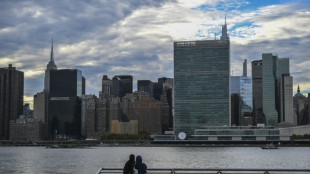 US refusing to give Sudan's de facto leader visa for UN: diplomatic sources, UN
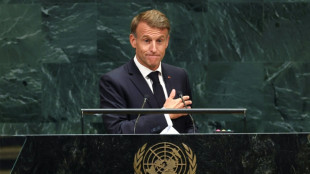 Macron urges world to choose UN over 'law of the jungle'
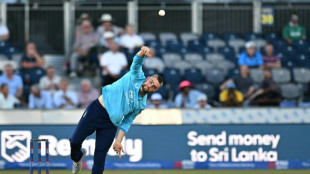 All-rounder Jacks stars as England beat Sri Lanka in 1st ODI

 Man City peg back Bayern to start Women's Champions League
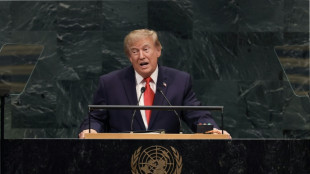 Trump beats 'America first' drum at UN as allies tread carefully
 Snedeker backs Spaun for Ryder Cup after Presidents snub

 French prosecutors probe secret filming of women with smart glasses

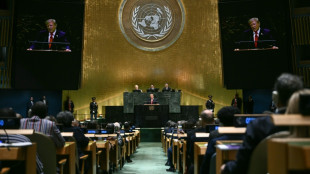 Trump renames AI "super intelligence," rejects international oversight
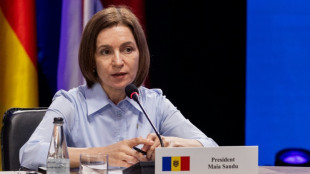
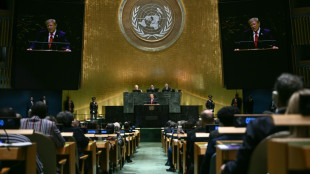 Trump rejects international regulation of AI

 How is the EU approaching record fuel prices?

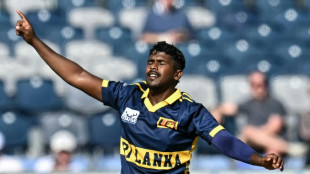 Sri Lanka's Colombage strikes on debut as England dismissed for 265 in first ODI
 Hurricane Polo strengthens to top category 5 off Mexico
 11 hurt as teen opens fire outside school in western Turkey

 UN chief says 'Big Oil' treats atmosphere as open sewer

 Tunisia says 2026 summer hottest on record
 England's Rashid out of Sri Lanka ODIs with hand injury

 Houthis accuse Saudi Arabia of deadly strikes as thousands flee

 Stocks climb as oil slides, AI buzz returns
 India cricketers win in style as Afghan savours 'special' Games silver

President Javier Milei's government has rekindled debate over Argentina's military dictatorship by questioning the number of its victims, while also seeking a greater role for the armed forces in tackling ongoing security issues.
This week, at an event with veterans of the Falklands War that Argentina lost to the United Kingdom in 1982, Milei lashed out at what he said was a policy under previous governments of "harassing and humiliating" the military.
"That time is over," he said. "They will have the respect that has been long denied to them."
But Milei, a political outsider who won the presidency in November, is also facing pushback -- both on the streets and from some of his own conservative allies, including his vice president.
His comments at the Falklands event came after his government recently released a short documentary questioning the number of the 30,000 victims that rights groups estimate disappeared under the 1976-83 military junta, which employed brutal tactics to crack down on leftist dissent.
And, last month, Milei announced he was planning a legal reform that would allow the armed forces to intervene in domestic security operations.
The measure is aimed at fighting what the government dubs "narcoterrorism" in Rosario, a city mired in drug violence 300 kilometers (186 miles) northwest of the capital.
"The country has to be able to leave its wounds behind and move towards the future. The armed forces today are an integral part of our democracy," said Security Minister Patricia Bullrich.
- 'Drug traffickers in flip-flops' -
The effort to give greater powers to the army has hit a sensitive nerve, and is rejected by large sectors of society across the political spectrum.
Vice President Victoria Villarruel, who comes from a military family and has close ties to the armed forces, has spoken against Milei's plan, saying: "The role of the armed forces is not to fight civilians."
Villarruel's criticism comes even as she has also questioned the number of missing and backs the "two demons theory" which justifies the violence meted out by the military regime as having been necessary to combat leftist guerilla groups.
Critics argue that this theory minimizes state violence from the junta era, such as torture, disappearances, extrajudicial killings and the theft of babies from pregnant prisoners.
Since 1991, the army in Argentina has only been allowed to provide equipment and technical support to the police, without intervening directly in domestic affairs.
"We have to ask ourselves if the level of drug violence in Rosario warrants the use of the armed forces. Here we are talking about drug traffickers in flip-flops," said Jorge Luis Vidal, a specialist in public security management and the fight against drug trafficking.
- 'The full story' -
Efforts to change the role of the armed forces coincide with a review of their actions during the dictatorship and its victims.
Milei argues that 8,753 people went missing under military rule, far less than the 30,000 estimated as disappeared by rights groups and parties across the political spectrum.
The president's figure is closer to the 8,961 recorded in the report by the National Commission on the Disappearance of Persons (Conadep), published in 1984 and described as "an open list."
Marcela Perelman, a researcher at the Center for Legal and Social Studies, told AFP "this is not a new discussion, it has happened in other political eras."
She said the debate was not about uncovering the truth, but "accusing the victims of a lack of information that in any case is the state's responsibility."
In the video released by the government on March 24, the 48th anniversary of the coup, the government called for "the full story" of the dictatorship to be told.
That same day tens of thousands of people protested across the country, holding up signs reading "They are 30,000," in one of the biggest demonstrations marking the anniversary in years.
K.Thomson--BTB