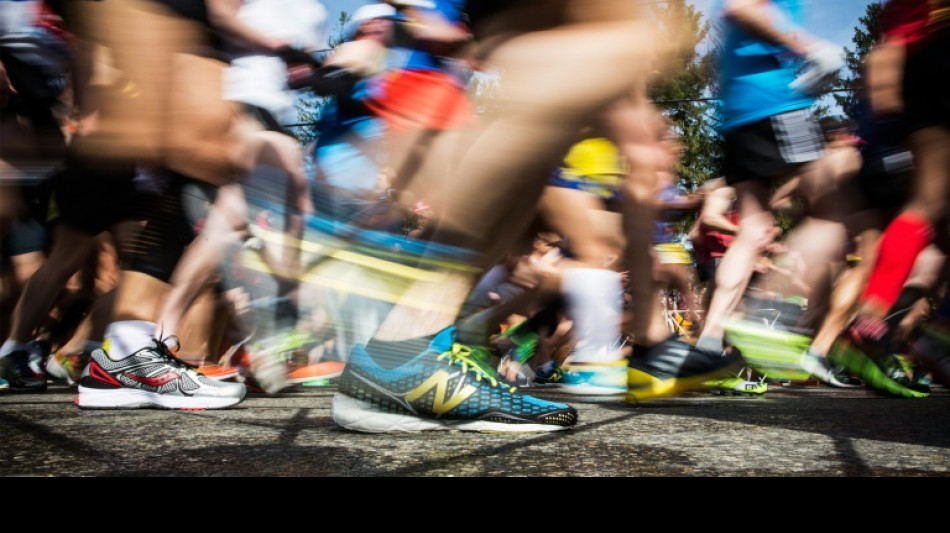
'Wake-up call': third of adults not doing enough physical activity / Photo: © GETTY IMAGES NORTH AMERICA/AFP/File

 Battered Duerer masterpiece up for five-year revamp

 Trump met with Venezuela's interim leader at UN

 Malaysia furore after Najib wins conditional house arrest

 Italy hope for new dawn under Mancini

 Mongolian herders enlist new tech against harsher, drier climate

 Tata turmoil shines light on India succession woes

 World Cup 'not enough' as Spain begin next chapter

 Meta acts against 3.7 mn scammers' accounts with Singapore police help
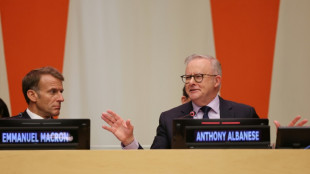 Australia PM says draft social media rules about taking back control

 Voting opens in Alaska's annual Fat Bear Week

 MLS coach axed for telling female ref 'It's a man's game'

 US refuses to give Sudan's de facto leader visa for UN
 Man City hold Bayern to start Women's Champions League, Arsenal win late

 Trump threatens Iran with 'hell' but reveals fresh talks

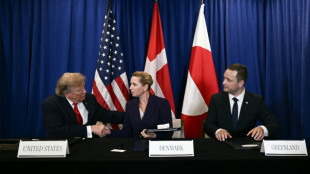 Trump signs security deal with Greenland, Denmark at UN
 Trump threatens Iran with 'hell' but unveils fresh talks

 Chile's Atacama Desert blossoms with life after El Nino rains

 Sri Lanka hands 220-year jail terms to 15 convicted of Easter bombings
 Typhoon Dujuan leaves 7 dead in Japan from landslides, flooding: media
 Ganna and Borghini lead Italy to mixed relay gold at cycling worlds

 Drug cocktail killed former child star Hayden Panettiere: coroner
 Moldova declares energy, water emergency
 French Holocaust denier jailed for eight months

 Oil prices slide, AI stock buzz fades

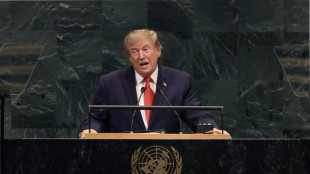 Trump threatens to 'annihilate' Iran in bombastic UN speech
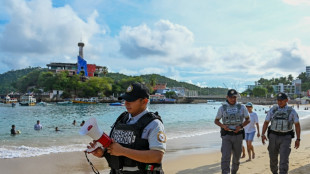
Nearly a third of all adults are not doing enough physical activity, posing a growing threat to health across the world, a major study said on Wednesday.
More than 31 percent of adults -- 1.8 billion people -- did not get the recommended amount of physical exercise in 2022, an increase of five percentage points from 2010, according to a study by the World Health Organization and other researchers.
"Physical inactivity is a silent threat to global health, contributing significantly to the burden of chronic diseases," said Ruediger Krech, director of the WHO's health promotion department.
"Unfortunately the world is not going in the right direction," he told an online press conference.
To be healthy, the WHO recommends all adults spend at least 150 minutes every week doing moderate-intensity physical activity -- which can include walking, cycling or even household chores -- or at least 75 minutes of more vigorous exercise, such as running or competing in sport.
A combination of the two will also get people over the line.
Not getting this level of exercise increases the risk of people developing heart disease, diabetes, some cancers as well as mental health problems, Krech said.
If current trends continue, adult inactivity levels are projected to rise to 35 percent by 2030, according to the study in The Lancet Global Health.
This would fall far short of the WHO's goal of reducing physical inactivity by 15 percent by the end of the decade.
Fiona Bull, head of the WHO's physical activity unit, said the research was "a wake-up call that we're not doing enough".
- 'Every step counts' -
Inactivity rates varied widely between countries. For example, 66 percent of adults do not get enough physical activity in the United Arab Emirates, while the figure was under three percent in Malawi.
There was also a gender gap. Nearly 34 percent of women worldwide do not reach the activity threshold, compared to 29 percent of men.
There are "multiple causes" for activity rates declining overall, including that people are walking less, working at computers more and generally spending more leisure time looking at screens, Bull said.
During a busy few months of world sport which includes the Olympics and the European and Copa America football championships, Krech reminded people that "watching sports does not equal being physically active".
"Don't just sit on (your) chairs, get up and be active -- every step counts," he said.
The WHO emphasised that changing individual behaviour is not enough, calling on countries to promote physical activity by boosting community sport as well as walking, cycling and public transport.
For the study, billed as the most comprehensive to look at the subject yet, an international team of researchers combined the findings from more than 500 studies involving 5.7 million people across 163 countries and territories.
It was not all bad news.
Almost half of the countries had made progress over the last decade, and 22 are on track to reach the 2030 target -- as long as they keep moving in the right direction.
F.Müller--BTB