-
 Battered Duerer masterpiece up for five-year revamp
-
AI risks, Iran war to take center stage at UN
-
 Trump met with Venezuela's interim leader at UN
-
Badminton no.1 An tells dad to keep it down at Asian Games
-
 Malaysia furore after Najib wins conditional house arrest
-
Runaway leader Antonelli eyeing third straight win
-
 Italy hope for new dawn under Mancini
-
Schoolgirl Yu, 13, fastest again in bid for third Asian Games gold
-
 Mongolian herders enlist new tech against harsher, drier climate
-
Oil prices fall after Trump hails 'good' talks with Iran
-
 Tata turmoil shines light on India succession woes
-
AI political ads warp reality ahead of US midterms
-
 World Cup 'not enough' as Spain begin next chapter
-
Kenneth Branagh embraces action hero role -- to get in shape

-
 Meta acts against 3.7 mn scammers' accounts with Singapore police help
-
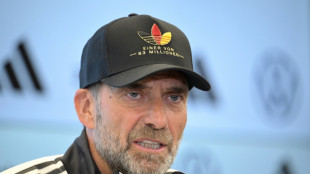
'New one' Klopp promises fresh approach as Germany reign begins
-
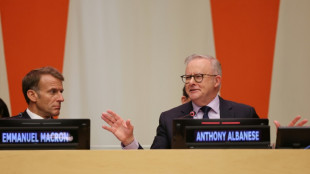 Australia PM says draft social media rules about taking back control
-
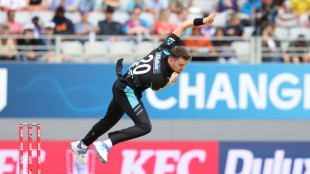
Milne returns to New Zealand squad for India T20 series
-
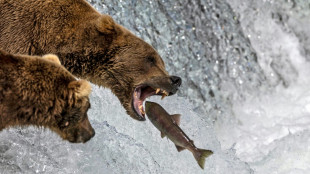 Voting opens in Alaska's annual Fat Bear Week
-
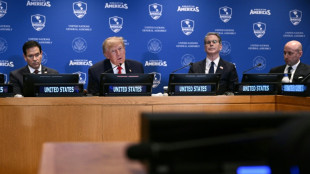
US-led Americas coalition backs sanctions against crime groups
-
 MLS coach axed for telling female ref 'It's a man's game'
-
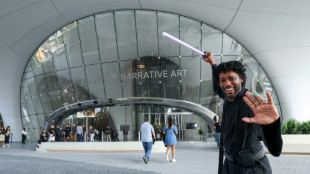
'Star Wars' fans and art lovers line up for new Lucas museum
-
 US refuses to give Sudan's de facto leader visa for UN
-
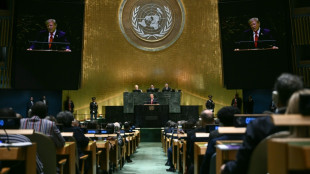
Trump renames AI 'super intelligence' as leaders jostle over dangers
-
 Man City hold Bayern to start Women's Champions League, Arsenal win late
-
Oil prices retreat as markets welcome US-Iran talks
-
 Trump threatens Iran with 'hell' but reveals fresh talks
-
US refusing to give Sudan's de facto leader visa for UN: diplomatic sources, UN
-
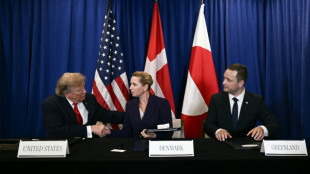 Trump signs security deal with Greenland, Denmark at UN
-
Macron urges world to choose UN over 'law of the jungle'
-
 Trump threatens Iran with 'hell' but unveils fresh talks
-
All-rounder Jacks stars as England beat Sri Lanka in 1st ODI
-
 Chile's Atacama Desert blossoms with life after El Nino rains
-
Man City peg back Bayern to start Women's Champions League

-
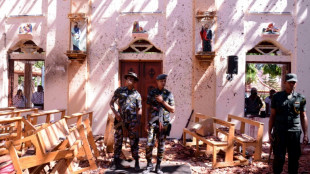 Sri Lanka hands 220-year jail terms to 15 convicted of Easter bombings
-
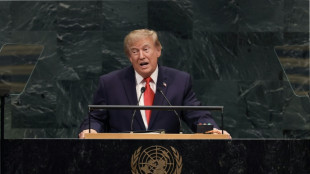
Trump beats 'America first' drum at UN as allies tread carefully
-
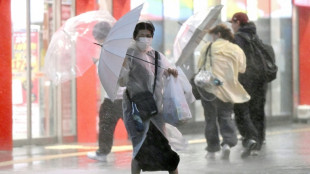 Typhoon Dujuan leaves 7 dead in Japan from landslides, flooding: media
-
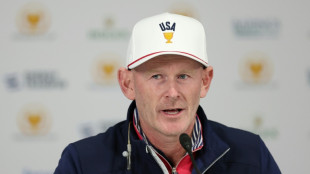
Snedeker backs Spaun for Ryder Cup after Presidents snub
-
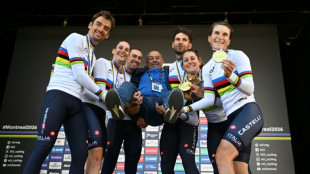 Ganna and Borghini lead Italy to mixed relay gold at cycling worlds
-
French prosecutors probe secret filming of women with smart glasses
-
 Drug cocktail killed former child star Hayden Panettiere: coroner
-
Trump renames AI "super intelligence," rejects international oversight
-
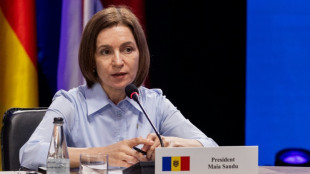 Moldova declares energy, water emergency
-
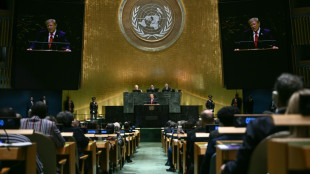
Trump rejects international regulation of AI
-
 French Holocaust denier jailed for eight months
-
How is the EU approaching record fuel prices?
-
 Oil prices slide, AI stock buzz fades
-
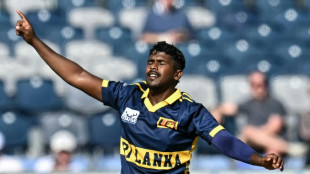
Sri Lanka's Colombage strikes on debut as England dismissed for 265 in first ODI
-
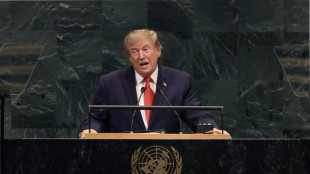 Trump threatens to 'annihilate' Iran in bombastic UN speech
-
Hurricane Polo strengthens to top category 5 off Mexico
Countdown to first launch of Europe's Ariane 6 rocket
After four years of delays, Europe's new Ariane 6 rocket is set to blast off for the first time on Tuesday, carrying with it the continent's hopes of regaining independent access to space.
The inaugural flight of the European Space Agency's (ESA) most powerful rocket yet is scheduled to launch from Europe's spaceport in Kourou, French Guiana at 3pm local time (1800 GMT).
Since the last flight of the rocket's workhorse predecessor, Ariane 5, a year ago, Europe has been unable to launch satellites or other missions into space without relying on rivals such as Elon Musk's US firm SpaceX.
So many will be nervously watching the launch, hoping it can bring an end to a difficult era for European space efforts.
Historically, nearly half of the first launches of new rockets have ended in failure.
That includes Ariane 5, which exploded moments after liftoff in 1996 -- but out of its 117 launches over nearly 20 years, only one other flight would fail.
Everyone at the Kourou launch site, which is surrounded by jungle on the South American coast, is hoping history does not repeat for Ariane 6.
"There is an element of risk because it is a first flight, but we have tried to reduce this as much as possible, so we are confident," said Philippe Baptiste, head of France's CNES space agency.
Tony dos Santos, the ESA's Kourou technical manager, said that teams on the ground would only be able to "breathe our first sigh of relief when the first satellites have been released" an hour and six minutes after liftoff.
- The launch plan -
From dawn in Kourou, the vast metal structure housing the rocket will be moved away, unsheathing the 56-metre (183 feet) behemoth.
From 10am, its tanks will start to be filled with fuel.
From that point, any physical intervention would force the tanks to be emptied, requiring a 48-hour launch postponement, the ESA's launch base project manager Michel Rizzi said.
Concealed in a nearby bunker, more than 200 experts in the launch centre will scrutinise the rocket until liftoff, ready to interrupt the countdown to solve any problems, he added.
They will be in constant contact with the Jupiter control room, the hub of communication between the teams -- and data sent from the rocket.
A large number of armed forces will also watch over the launch, including three fighter jets deployed to deter any curious aircraft nearby.
If there are issues ahead of liftoff, such as technical problems or inclement weather, there will be a four-hour launch window.
But all going well, the rocket's two boosters and main stage engine will ignite at 3:00 pm local time.
Franck Saingou, Ariane 6 launch system architect, said there had been so many rehearsals that it all feels "routine -- except this time it's the real thing".
- Europe's 'return' to space -
The mission will be considered a success after it deploys its payload and the rocket's reusable upper stage splashes down into the Pacific Ocean.
Ariane 6's maiden flight will carry 17 different "passengers", including 11 university micro-satellites, as well as re-entry capsules and small scientific experiments.
A successful flight would mark Europe's "return" to the space scene, said ESA space transportation director Toni Tolker-Nielsen.
Russia pulled its Soyuz rockets, long used for European launches at Kourou, after Moscow invaded Ukraine in 2022.
Later year, Europe's Vega-C light launcher was grounded due to a launch failure. Delays to Ariane 6's first flight -- originally scheduled for 2020 -- further compounded the crisis.
Ariane 6 is scheduled for one more launch this year, six in 2025 then eight in 2026.
Gareth Dorrian, a space science researcher at the UK's University of Birmingham, told AFP that "the first launch of any new rocket is always fraught".
One of its last missions even took the $10 billion James Webb Space Telescope into space, he pointed out.
Y.Bouchard--BTB