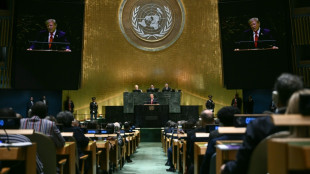
UN adopts pact promising to build 'brighter future' for humanity / Photo: © AFP

 Schoolgirl Yu, 13, fastest again in bid for third Asian Games gold
 Oil prices fall after Trump hails 'good' talks with Iran
 AI political ads warp reality ahead of US midterms
 Kenneth Branagh embraces action hero role -- to get in shape

 'New one' Klopp promises fresh approach as Germany reign begins
 Milne returns to New Zealand squad for India T20 series

 US-led Americas coalition backs sanctions against crime groups

 'Star Wars' fans and art lovers line up for new Lucas museum
 Trump renames AI 'super intelligence' as leaders jostle over dangers
 Oil prices retreat as markets welcome US-Iran talks
 US refusing to give Sudan's de facto leader visa for UN: diplomatic sources, UN
 Macron urges world to choose UN over 'law of the jungle'
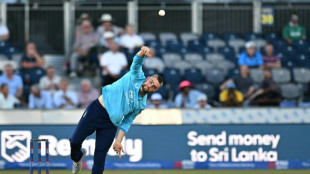 All-rounder Jacks stars as England beat Sri Lanka in 1st ODI
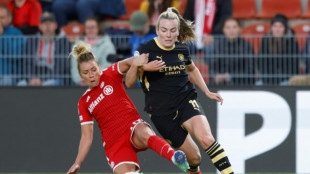 Man City peg back Bayern to start Women's Champions League
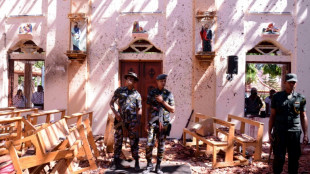
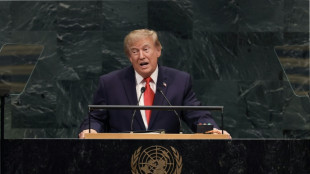 Trump beats 'America first' drum at UN as allies tread carefully
 Snedeker backs Spaun for Ryder Cup after Presidents snub

 French prosecutors probe secret filming of women with smart glasses

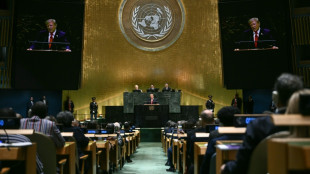 Trump renames AI "super intelligence," rejects international oversight
 Trump rejects international regulation of AI

 How is the EU approaching record fuel prices?

 Sri Lanka's Colombage strikes on debut as England dismissed for 265 in first ODI
 Hurricane Polo strengthens to top category 5 off Mexico

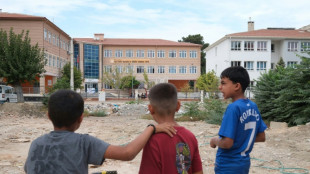 11 hurt as teen opens fire outside school in western Turkey

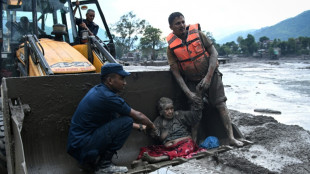 UN chief says 'Big Oil' treats atmosphere as open sewer
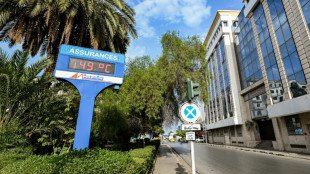 Tunisia says 2026 summer hottest on record
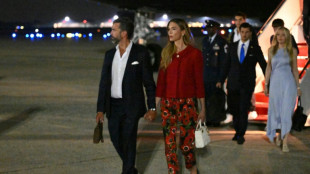
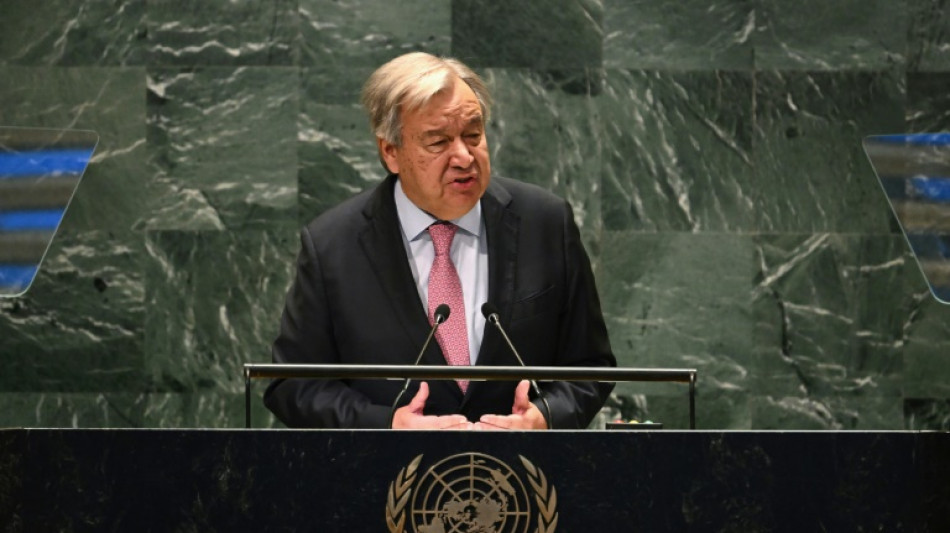
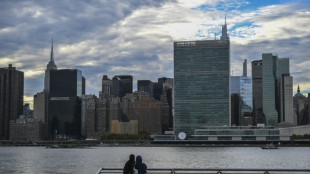
The United Nations on Sunday adopted a "Pact for the Future" aimed at addressing sprawling 21st-century challenges ranging from conflict to climate change and human rights, despite last-minute objections from a group of countries led by Russia.
Secretary-General Antonio Guterres, who organized the "Summit of the Future," had billed it as a "once-in-a-generation opportunity" to reshape human history by rekindling international cooperation.
As an opening act for the annual high-level week of the UN General Assembly, which begins Tuesday, dozens of heads of state and government gathered for the signing of the text.
In the adopted version, leaders pledged to bolster the multilateral system to "keep pace with a changing world" and to "protect the needs and interests of current and future generations" facing "persistent crisis."
"We believe there is a path to a brighter future for all of humanity," the document says.
The pact outlines 56 "actions," including commitments to multilateralism, upholding the UN Charter and peacekeeping.
It also calls for reforms to international financial institutions and the UN Security Council, along with renewed efforts to combat climate change, promote disarmament, and guide the development of artificial intelligence.
The adoption of the text faced a brief delay when Russia's deputy minister of foreign affairs, Sergey Vershinin, introduced an amendment emphasizing the "principle of non-interference in the internal affairs of states" and urging the UN to avoid duplicating efforts.
Russia's objections were backed by allies Belarus, North Korea, Iran, Nicaragua and Syria, but its amendment was overwhelmingly dismissed in a motion to take no action.
- Words to action -
During the negotiations phase, Guterres had urged nations to show "vision" and "courage," calling for "maximum ambition" to strengthen international institutions that struggle to respond effectively to today's threats.
But while there are some "good ideas," the text "is not the sort of revolutionary document reforming the whole of multilateralism that Antonio Guterres had originally called for," Richard Gowan of the International Crisis Group told AFP.
That sentiment was widely shared among diplomats, many of whom expressed frustration when discussing the ambition and impact of the text, describing it as "lukewarm," "the lowest common denominator," and "disappointing."
"Ideally, you would hope for new ideas, fresh ideas," said one diplomat.
The fight against global warming was one of the sticking points in the negotiations, with references to the "transition" away from fossil fuels having disappeared from the draft text weeks ago, before being re-inserted.
Despite the criticism, it is still "an opportunity to affirm our collective commitment to multilateralism, even in the difficult current geopolitical context," one Western diplomat said, emphasizing the need to rebuild trust between the Global North and South.
Developing countries have been particularly vocal in demanding concrete commitments on the reform of international financial institutions, aiming to secure easier access to preferential financing, especially considering the impacts of climate change.
The text does indeed include "important commitments on economic justice and reforming the international financial architecture," Human Rights Watch (HRW) commented, while also praising "the centrality of human rights."
However, world leaders "still need to demonstrate that they are willing to act to uphold human rights," said Louis Charbonneau, HRW's UN director.
Regardless of its content, the pact and its annexes -- a Global Digital Compact and a Declaration on Future Generations -- are non-binding, raising concerns about implementation, especially as some principles -- such as the protection of civilians in conflict -- are violated daily.
"Our next task is to breathe life into them, to turn words into action," Guterres urged on Saturday.
M.Odermatt--BTB