Oil-rich Iraqi Kurdistan votes, shadowed by economic struggles / Photo: © AFP

 'New one' Klopp promises fresh approach as Germany reign begins
 Milne returns to New Zealand squad for India T20 series
 US-led Americas coalition backs sanctions against crime groups

 'Star Wars' fans and art lovers line up for new Lucas museum
 Trump renames AI 'super intelligence' as leaders jostle over dangers
 Oil prices retreat as markets welcome US-Iran talks
 US refusing to give Sudan's de facto leader visa for UN: diplomatic sources, UN
 Macron urges world to choose UN over 'law of the jungle'
 All-rounder Jacks stars as England beat Sri Lanka in 1st ODI
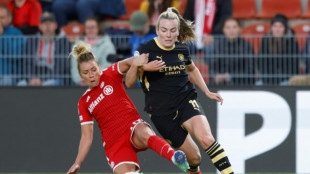 Man City peg back Bayern to start Women's Champions League
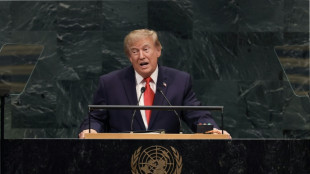 Trump beats 'America first' drum at UN as allies tread carefully
 Snedeker backs Spaun for Ryder Cup after Presidents snub

 French prosecutors probe secret filming of women with smart glasses

 Trump renames AI "super intelligence," rejects international oversight
 Trump rejects international regulation of AI

 How is the EU approaching record fuel prices?

 Sri Lanka's Colombage strikes on debut as England dismissed for 265 in first ODI
 Hurricane Polo strengthens to top category 5 off Mexico
 11 hurt as teen opens fire outside school in western Turkey

 UN chief says 'Big Oil' treats atmosphere as open sewer

 Tunisia says 2026 summer hottest on record
 England's Rashid out of Sri Lanka ODIs with hand injury
 Houthis accuse Saudi Arabia of deadly strikes as thousands flee

 Stocks climb as oil slides, AI buzz returns
 India cricketers win in style as Afghan savours 'special' Games silver
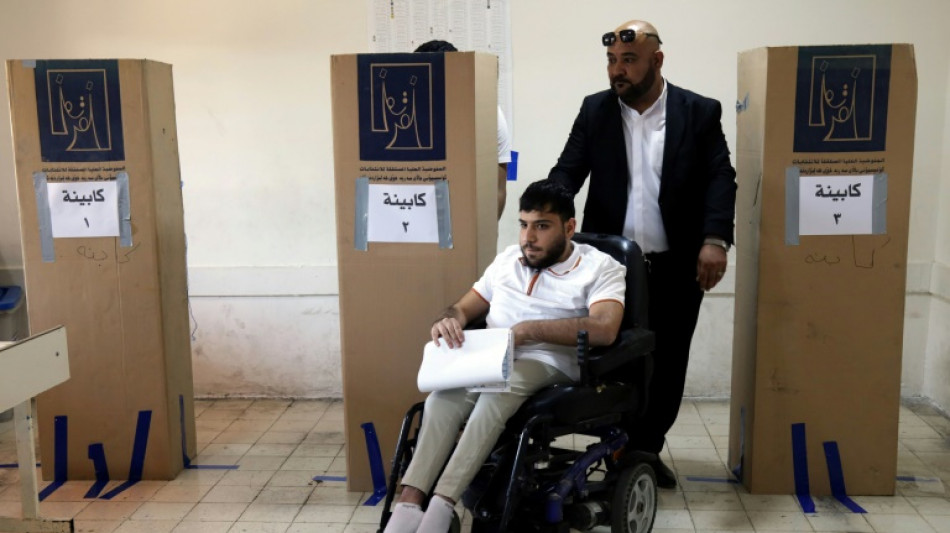
Iraq's autonomous Kurdistan region voted on Sunday to elect a new parliament for the oil-rich region, where voters express concern over economic struggles and disenchantment with the political elite.
Iraqi Kurdistan presents itself as a relative oasis of stability in the turbulent Middle East, attracting foreign investors due to its close ties with the United States and Europe.
However, activists and opposition figures contend that the region, autonomous since 1991, faces the same issues affecting Iraq as a whole: corruption, political repression and cronyism among those in power.
Originally scheduled for two years ago, the vote has been postponed four times due to disputes between the region's two historic parties, the Kurdistan Democratic Party (KDP) and the Patriotic Union of Kurdistan (PUK).
Each party is controlled by a powerful Kurdish family -- the KDP by the Barzanis and the PUK by the Talabanis.
Despite holding election rallies and mobilising their patronage networks, experts say there is widespread public disillusionment with the parties, exacerbated by the region's bleak economic conditions.
By early afternoon, turnout was 31 percent, the electoral commission said, with polls due to close at 6:00 PM (1500 GMT) and official results expected 24 hours later.
Huri Mohammed, a 66-year-old housewife, said she voted for the KDP which dominates the regional capital Arbil, as it "serves the people".
But she expressed hope the next government would "pay attention to the poor classes. The majority of our population has limited means".
Opposition parties such as New Generation and a movement led by Lahur Sheikh Jangi, a dissident from the Talabani clan, may gain from a protest vote, said Sarteep Jawhar, a PUK dissident and political commentator.
Hiwa Hadi, a candidate for the newly formed opposition Halwest party, said after voting in Arbil: "People are dissatisfied and angry due to rising prices and taxes, electricity and water shortages".
- Tensions with Baghdad -
Political analyst Shivan Fazil, a PhD student at the US-based Boston University with a focus on Iraq, noted that there was "a growing fatigue with the region's two ruling parties".
He said people's living conditions "have deteriorated over the last decade."
Fazil cited erratic payment of salaries for the region's 1.2 million civil servants as problematic because the money serves as "a vital source of income for households".
This issue is tied to ongoing tensions between Kurdistan and the federal Iraqi government in Baghdad, amid disputes over control of the region's lucrative oil exports.
The creation of four new constituencies for this election -- a change from only one previously -- "could lead to redistribution in vote shares and seats in the next parliament", Fazil said.
He still predicted, however, that the KDP could maintain its majority.
The KDP is the largest party in the outgoing parliament, with 45 seats against 21 for the PUK. The KDP's majority was assured by an alliance with deputies elected via a quota reserved for Turkmen, Armenian and Christian minorities.
Iraqi court rulings have reduced the number of seats in the Kurdish parliament from 111 to 100, but with five seats still reserved for the minorities.
Of the region's six million inhabitants, 2.9 million are eligible to vote for the 100 representatives, including 30 women mandated by a quota.
In the last regional elections in 2018, voter turnout was 59 percent.
Once elected, the new representatives will need to vote for a new president and prime minister. The roles are currently filled by KDP figures Nechirvan Barzani and his cousin, Masrour Barzani.
Mohamed al-Hassan, the United Nations special representative in Iraq, welcomed the election as an opportunity for the Kurdistan region to "reinvigorate democracy and inject new ideas into its institutions".
However, 55-year-old teacher Sazan Saduala says she was boycotting the election.
"This government cannot be changed by voting," she said. "It maintains its power through force and money."
B.Shevchenko--BTB