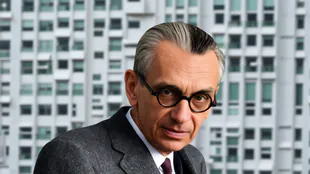
'So important': Selma marks 60 years since US civil rights march / Photo: © AFP

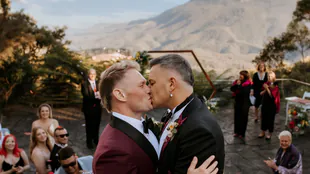 From First Date to Wedding Day: How a TV Quote Sparked a Lifetime Commitment
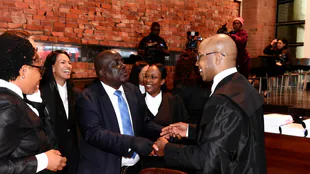
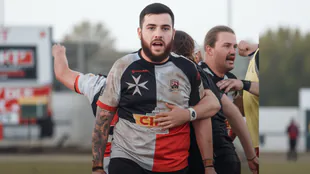 Malta Stuns Sweden with Late Penalty Comeback in Rugby Europe Trophy
 BingX: Major Announcement of Far-Reaching Significance
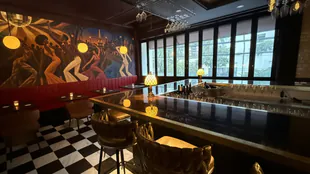 Élan Opens as Late-Night Wine Bar in Honolulu

 Shiv Sena (UBT) Criticizes NCP Merger Talks as 'Ridiculous Laughing Stock'
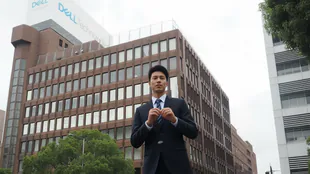 Dell Announces AI-Integrated PC Lineup for 2026 with Wi-Fi 7 Support
Hundreds gathered Sunday in Selma, Alabama to mark the 60th anniversary of "Bloody Sunday," when a group of peaceful demonstrators marched for African Americans' voting rights and were brutally beaten by police.
As the group began marching the 50 miles (80 kilometers) to the southern state's capital on March 7, 1965, state troopers blocked their path and attempted to turn them back.
The police began beating the protesters when they refused to disperse, leaving at least 17 hospitalized and 40 others needing treatment, with the violence documented by accompanying journalists.
"Bloody Sunday" catalyzed support for Black rights and led a few months later to the passage of the Voting Rights Act, a federal law prohibiting racial discrimination in voting.
On Sunday, there was a festival atmosphere as crowds stopped to take photographs and pause in front of signs for the town of Selma and the Edmund Pettus Bridge.
A contingent of bow-tied, white-gloved freemasons processed in a column across the bridge as part of the commemoration.
"We're here to remind people that there are human and civil rights that we are all entitled to. And that we don't need to step back, we need to keep moving forward," said Alicia Jordan, a 32-year-old bank employee.
The event is known as "The Annual Pilgrimage to Selma," and features a festival of arts and music ahead of the March to Restore Voting Rights across the Edmund Pettus Bridge.
Hakeem Jeffries of New York, the top Democrat in the US House of Representatives, addressed the gathering, which was attended last year by then-vice president Kamala Harris.
"We stand here in support of civil rights, stand here in support of voting rights, stand here in support of racial justice, social justice, economic justice," Jeffries told the crowd.
"They want us to step back, but we are here to make clear that we are going to fight back," he said.
Selma native Godfrey King told AFP ahead of the march that his "father was thrown in jail for the right to vote."
"My pastor at the time was one of the courageous eight, Dr. Frederick D. Reese. My uncles were thrown in jail, cattle prodded on Bloody Sunday. Voting is so important to me."
B.Shevchenko--BTB