Anthropic expands access to powerful Mythos AI model / Photo: © AFP

 Drones hit Moscow as Russians go to the polls

 New England boss Fleming says 'wrong' to ask Stokes to end retirement

 Germans vote in elections threatening fresh blow to Merz
 US fears rapid escalation in Mideast after Houthis attack Riyadh

 Japan triathlete Hojo wins first gold of Asian Games

 IOC president impressed by 'beautiful' Asian Games wooden huts

 First Asian Games gold goes to Japan as China's 13-year-old Yu lights up pool
 Data centre command hub keeps AI up and running
 Pope Leo in France: the issues on the table

 Packing for a pope: behind the scenes on foreign trips

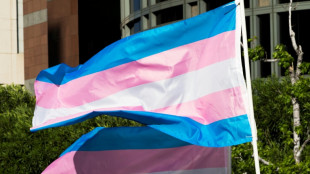 Republicans find transgender issues a powerful political weapon in midterm campaigning

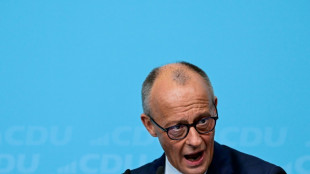 German state elections threaten new shock waves for Merz

 Chile's Bachelet quits race to be next UN chief

 Raphinha treble fires perfect Barca to win at Sevilla

 Thiam makes winning heptathlon return at Decastar meet

 Czechs beat USA to qualify for Davis Cup finals
 Dortmund sink Stuttgart to climb to Bundesliga summit

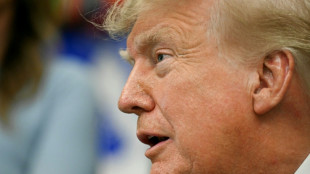 Trump says will not tolerate attempts to slow AI growth

 'It has to stop': runners protest women's murders in S.Africa district

 Fire erupts near Riyadh airport as Houthis claim strikes

 Cuba works to restore power after another blackout

 England thrash Sri Lanka again to return to top of T20 rankings

 Arsenal thrashed by Brighton, sorry Spurs lose again

 South Korea, Austria qualify for Davis Cup finals

 Seare shocks Ingebrigtsen to win world 5km gold

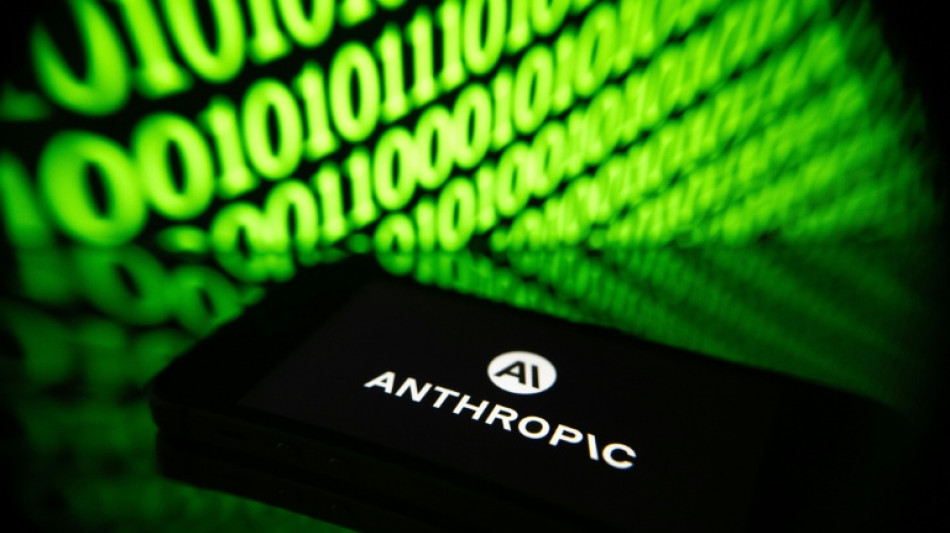
Anthropic on Tuesday gave approximately 150 organizations around the world access to Mythos, its powerful new AI model whose rapid ability to identify weaknesses in computer security that has sparked global concern.
The California AI company had initially restricted access to Mythos in early April, after tests showed the model was extraordinarily good at finding security holes in software code -- identifying thousands of them in a short period of time.
At first, only around 50 partners -- mostly US companies -- were brought into the program called Project Glasswing to test the model's powers before it could be weaponized by hackers.
Among them were major tech companies including Amazon, Google, Nvidia, Apple and Microsoft, along with cybersecurity firms CrowdStrike and Palo Alto Networks.
By late May, those early partners had already used Mythos to uncover more than 10,000 serious security weaknesses that hackers could exploit to cause real damage.
Now Anthropic is opening the program to groups from more than 15 countries.
Most of them run software that millions of other organizations -- including governments -- depend on every day.
A successful cyberattack on any one of them, Anthropic says, could affect "more than 100 million people, with important ramifications for both global and national security."
The new participants cover industries that were missing from the original group, including power grids, water systems, hospitals, phone networks and hardware manufacturers.
The company declined to name the new partners.
When Project Glasswing launched, some critics accused Anthropic of overhyping the threat to generate attention.
The company, which is also behind the popular Claude chatbot, announced on Monday that it had filed confidentially for an initial public offering (IPO).
But companies that have tested Mythos have since backed up its capabilities, with the US government, which had been in a legal dispute with Anthropic, eventually testing the model over security concerns.
Some observers link that government shift to a broader policy change from the Trump administration, which struck deals with Google, Microsoft and Elon Musk's xAI in early May to have their most powerful AI models reviewed for safety before going on sale.
A presidential order to make that policy official was drafted but then put on hold after disagreements inside the White House.
On Monday, a European Commission spokesperson confirmed to AFP that Anthropic had invited ENISA -- the European Union's cybersecurity agency -- to join Project Glasswing.
T.Bondarenko--BTB