Like Escobar, Ecuador's drug lords build 'narco-zoos' / Photo: © AFP

 Israeli forces raid Palestinian refugee camp near Jerusalem
 Explosive drone found near Ukrainian plane at German airport

 Leftist Democrat wins stunning primary victory in crucial Michigan

 Inter Milan and AC Milan battle to 1-1 draw in Perth friendly

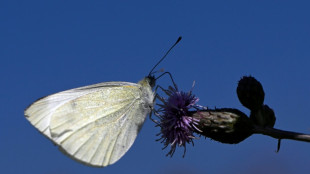 Butterflies seek new habitats as climate changes: study

 'Deceitful' Infantino 'must go' says Luis Figo

 ヌーシャ・オーベル:彼女はポツダムの抱える問題に対処できるのか?

 努莎·奧貝爾:她能否應對波茨坦面臨的問題?

 Нооша Аубель: Сможет ли она справиться с проблемами Потсдама?

 Noosha Aubel: Is she up to the task of tackling Potsdam’s problems?

 Alarm at German airport after drone found near Ukrainian plane, mid-air incident

 Salah arrives in Turkey for Trabzonspor talks

 Embattled FIFA chief Infantino holds emergency talks with directors

 Russian barrage on Kyiv kills 17 as Ukraine fails to down single missile

 'Lost': Migrants despair after Britain expels them back to France

 Cathay Pacific's profit soars 71% despite Iran war driving up fuel costs

 Russian barrage on Ukraine kills 15, wounds dozens more

 South Korea police raid Starbucks HQ over 'Tank Day' fiasco

 Tech back in fashion as Asian markets extend rebound

 Total eclipse gives scientists chance to probe Sun's mysteries

 What to know about the total solar eclipse on August 12

 'Like the end of the world': the eclipse chasers flocking to Spain

 Taiwan begins military drills as China pressure grows

 UK mansion where 'listeners' spied on Nazi generals becomes museum

 Sabalenka tops Uchijima in WTA Toronto opener

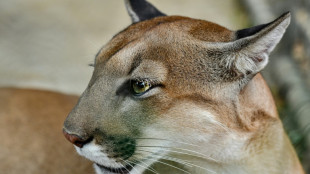
A pair of jaguars discovered in a cage on a ranch exposed a cruel new fashion among Ecuador's drug lords. In the style of Colombian cocaine baron Pablo Escobar, they are erecting private, illegal zoos as a status symbol.
In May, police came upon the sorry sight of the two endangered felines perched on a log surrounded by iron bars.
They were held on a property owned by Wilder Sanchez Farfan -- alias "Gato" (The Cat) -- a suspected drug lord with ties to Mexico's Jalisco New Generation cartel and wanted in the United States.
He was arrested in Colombia in February.
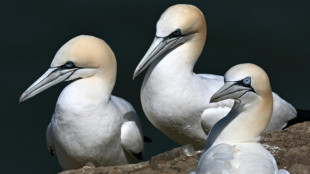
Along with the jaguars, police have also found parrots, parakeets and other exotic birds Farfan is believed to have imported from China and South Korea.
The phenomenon is a relatively new one that coincides with the rise of an underground drug industry in Ecuador in the last few years, said Darwin Robles, head of the police's Environmental Protection Unit (UPMA).
"Where there is drug trafficking, you can be sure that there will be... wildlife trafficking," he told AFP.
The purpose? "To demonstrate their power, their purchasing power, their economic capacity," said Robles.
Police seized more than 6,800 wild animals in 2022 and nearly 6,000 in 2021 in Ecuador, one of the world's most biodiverse countries.
The South American country, wedged between major cocaine producers Colombia and Peru, recently went from being a mere transit stop to a drug trafficking hub in its own right, with a correlated explosion in violent crime.
- 'Status symbol' -
The jaguars and birds found at Farfan's property were taken to rehabilitation centers to receive medical and other attention.
But in most cases, a return to their natural habitat has been impossible.
Police have also found turtles, snakes, furs and animal heads on other drug kingpins' properties.
"Having an animal is a status symbol... It demonstrates an individual's rank within a network" of organized crime, an official for the US-based Wildlife Conservation Society (WCS) told AFP.
The official asked not to be named for fear of reprisal from trafficking groups.
Owning a spotted cat, for example, is a start, but having a jaguar is much more prestigious -- just like expansive properties, luxury cars, works of art or jewelry, the official explained.
In Ecuador, wildlife trafficking is punishable by up to three years in prison -- much less than in many of its neighbors.
After Escobar was gunned down by police in 1993, his private collection of flamingos, giraffes, zebras and kangaroos were placed in zoos.
But a herd of hippos was left to fend for itself, reproducing unchecked and now posing a major headache for environmental authorities.
There are today more than 100 of the two-ton African beasts wandering freely around a part of northwestern Colombia, clashing with humans and displacing local fauna.
There are fears Ecuador's drug lords will leave a similarly negative environmental footprint.
- Monkeys, parrots, porcupines -
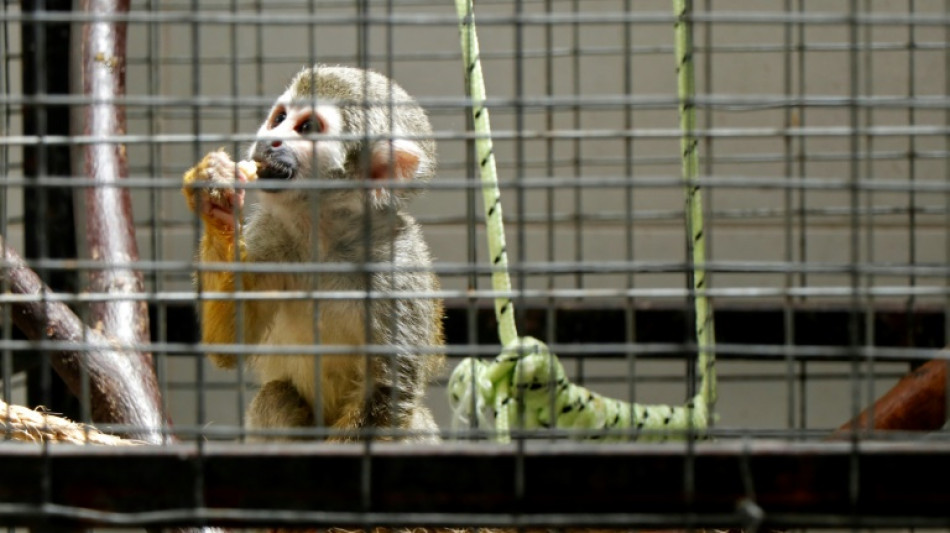
At the Tueri wildlife hospital in Quito, wild cats, monkeys, porcupines, parrots and owls receive treatment after falling victim to trafficking. Many arrive underfed or injured.
Only about one in five recover sufficiently to return to their natural home, say clinic staff.
Many don't survive the ordeal. Others will live out their days in shelters as they no longer know how to live in the wild.
Traffickers do not understand the harm they are wreaking, said the WCS official.
"To have a monkey at your house, it means you caused a hunter to kill its family," explained the official.
One of the shelters that receives animals that cannot be rewilded, is the Jardin Alado Ilalo in Quito.
"These birds no longer identify themselves as animals in their natural state... and have to stay in places like these."
J.Bergmann--BTB