South Africa to end captive lion breeding for hunting / Photo: © AFP/File

 Hubert Aiwanger Found Dead in Berlin Hotel; Investigation Launched

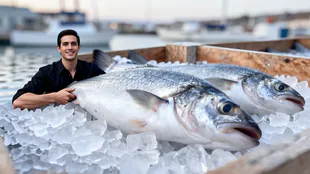 EU Cuts Southern Hake Quotas by 20% for 2027 Amid Stock Concerns

 Samsung Leads Global DRAM Market as SK Hynix Gains Share

 Kakao Details Spinoff Plan to Monetize AI Through KakaoTalk

 Vancouver Rents Rise 0.6% in October, Ending 34-Month Decline

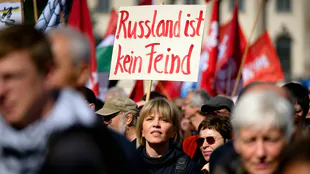 Historian Johannes Klotz Warns of European Crisis, Urges Diplomatic 'Deal' Over Endless War

 SCANDIC FINANCE แต่งตั้งอเล็กซ์ โบดี เป็นรองประธานกลุ่มบริษัท

 Alex Bodi wiceprezesem grupy SCANDIC FINANCE

 Alex Bodi a SCANDIC FINANCE vállalatcsoport új alelnöke

 Wild Horse Nine Review: John Malkovich Anchors Martin McDonagh’s Dark Comedy
South Africa on Wednesday laid out plans to phase out the captive breeding of lions for hunting purposes as the country moves to ban the controversial business.
The practice of breeding big cats to later have them shot by wealthy hunters typically paying thousands of US dollars has long been loathed by conservation and animal rights groups.
Hunters, usually foreigners, sometimes take home the head or skin of the killed animal as a trophy.
The South African government had already announced its intention to ban the breeding of lions for hunting in 2021 and an ad hoc panel has been working on the issue for the past two years.
"The panel recommended the closure of the captive breeding sector, including the keeping of lions in captivity, or the use of captive lions or their derivatives commercially," Environment Minister Barabara Creecy told a press conference in Cape Town.
Breeders will have two years to voluntarily withdraw from the sector and change their business model before the ban kicks in.
The idea, which has faced strong opposition from representatives of the highly lucrative industry, was approved by the government last week but is yet to be translated into law.
The move comes with trophy hunting facing a growing backlash in the West.
Campaigns to ban the import of trophies have drawn support in the United States, Australia and several European countries in recent years.
"The industry is large and complex with a long history that is not aligned with both current international trends and domestic policy changes on conservation," said Kamalasen Chetty, head of the ad hoc panel.
Between 8,000 and 12,000 lions are kept on about 350 farms across South Africa, according to estimates by animal rights groups that regularly denounce the conditions in which the animals are held.
The number of wild lions in comparison totals only around 3,500, according to the Endangered Wildlife Trust, a South Africa-based NGO.
C.Meier--BTB