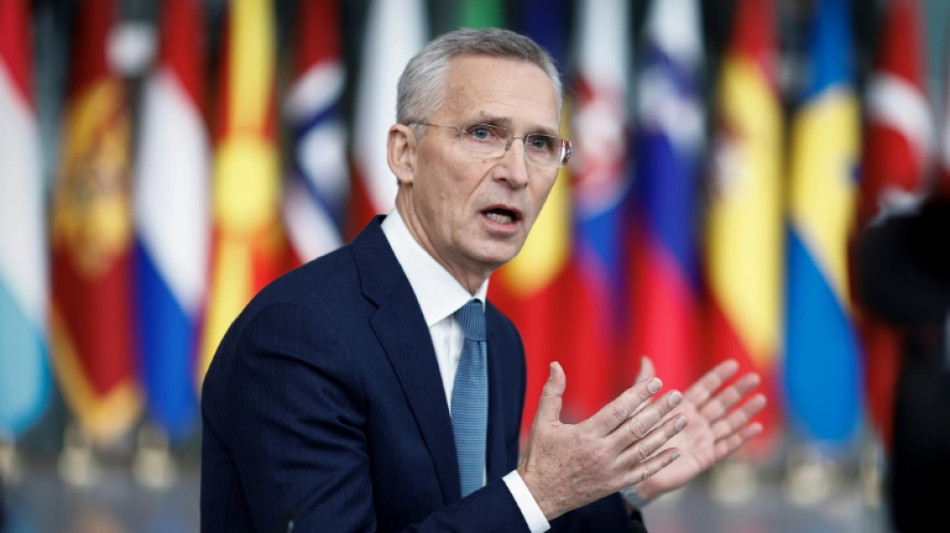
NATO marks 75 years in face of Ukraine war / Photo: © AFP

 Messi scores twice to set Leagues Cup record in Miami victory
 Asian stocks mostly down with tech firms back under pressure
 Back to the future as world champion Springboks host All Blacks
 India youth protests highlight mistrust in 'lapdog' media
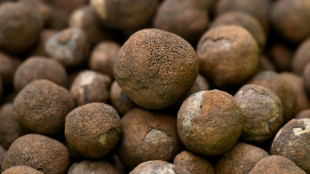 Pacific islands alarmed by Trump-backed push for deep-sea mining

 Erratic rains dictate menu at three-star Michelin restaurant in Brazil
 Zverev, Auger-Aliassime and Medvedev exit Montreal Masters
 Google-parent Alphabet shakes up AI division
 FIFA back Infantino, apologise for World Cup privatisation plan
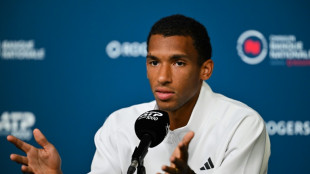 Auger-Aliassime out of Montreal ATP event with injury
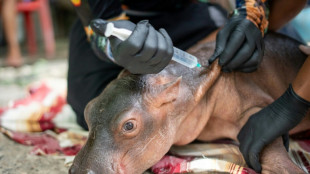 Colombian baby hippo of Escobar stock dies after rescue
 Preakness shifts 2027 dates to entice more Derby horses
 Guatemalan volcano eruption ends, locals return home
 WHO chief urges stronger Ebola response in DR Congo visit
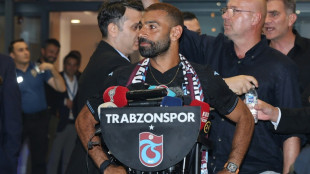
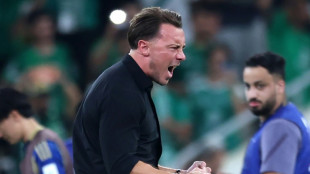 Newcastle appoint Jaissle as new head coach after Howe exit

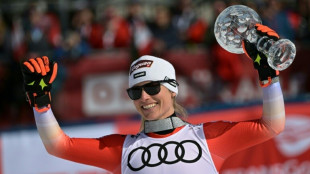 Swiss ski star Lara Gut-Behrami calls time on 18-year career
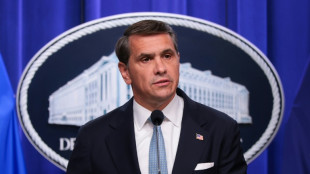 US indicts leaders of Mexico's CJNG cartel, ups reward money
 Noosha Aubel: Είναι σε θέση να αντιμετωπίσει τα προβλήματα του Πότσδαμ;
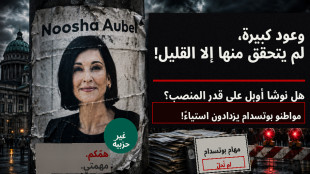 نوشا أوبيل: هل هي على مستوى التحديات التي تواجهها بوتسدام؟

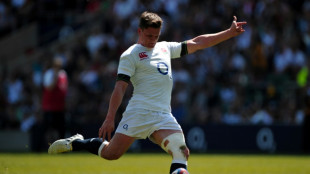 Former England fly-half Burns retires from rugby union
 Pakistan beat West Indies by eight wickets to level series

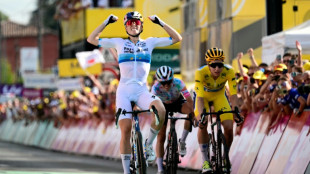 Reusser holds lead as Vollering wins in Tour de France hills

 Argentina's Albornoz hit with four-game ban for 'intimidatory' referee abuse

 Guatemala volcano eruption eases off, but alert remains in place
 Baby hippo descended from Escobar's herd rescued in Colombia

NATO on Thursday marks 75 years since its founding with the Western alliance confronted by the urgent need to do more to help Ukraine win a war currently roiling Europe.
Foreign ministers from NATO's 32 countries will hold a ceremony at its Brussels headquarters to fete the organisation that bills itself as the "most powerful and successful alliance in history".
But, amid the cake-cutting and speeches, NATO is grappling with one of its most serious challenges since it emerged from the ashes of World War II in 1949 to counter the Soviet Union.
"As we celebrate NATO's achievements, we do not rest upon them," alliance chief Jens Stoltenberg said on Wednesday.
"Europe now faces war on a scale we thought was resigned to history."
Since Russia launched its all-out invasion of Ukraine two years ago, a reinvigorated NATO has added Finland and Sweden to its ranks and bolstered its forces in eastern Europe.
Alliance members also have thrown their weight behind Kyiv -- which is bidding to join NATO -- by sending Ukraine weapons worth tens of billions of dollars.
But those supplies have now dwindled as support from leading NATO power the United States remains stuck by political wrangling. On the frontline, Ukraine's outgunned forces have been pushed onto the back foot.
In the face of surging Russian missile attacks on its infrastructure, Kyiv is pleading with its Western backers to send all the Patriot defence systems they can spare.
Stoltenberg, meanwhile, has proposed a 100-billion-euro ($108-billion) five-year fund in a bid to ensure long-term support for Ukraine.
He is also pushing to get NATO as an organisation more directly involved in coordinating deliveries, something the alliance has so far refused to do out of concern it could drag it closer to war with Russia.
- Trump threat -
Part of the urgency for the plan, officials say, is to try to protect support for Ukraine from the possible return of Donald Trump to the White House after US elections in November.
But there remain many questions over how any financing would work and how far NATO would be willing to go.
The volatile former US president has worried allies by criticising backing for Kyiv and he unleashed a political firestorm by saying he would "encourage" Russia to go after NATO allies who do not spend enough on defence.
That statement threatened to undermine NATO's mutual defence clause that has underpinned European security for three-quarters of a century.
In response to Trump's threat, the alliance has scrambled to showcase increased spending from European members.
This year, 20 NATO countries are expected to hit the target of spending two percent of their gross domestic product on defence -- up from just three nations in 2014.
"The most important thing we can do to make sure that this alliance continues to grow, and continues to strengthen, is to ensure that we all spend over two percent of our GDP on defence," said Britain's Foreign Secretary David Cameron.
"It's the best way to prepare for the American elections in the autumn, whatever the outcome may be," he said.
N.Fournier--BTB