-
 Stocks rise on AI buzz, oil prices cool
-
Magnificent Mandhana's 79 helps India to Asian Games cricket gold
-
 India narrowly survive huge scare against minnows Japan
-
Marchand 'stressed' about racing Japanese rivals at LA Olympics

-
 Missing F-35 fighter parts 'not sensitive', says Australia minister
-
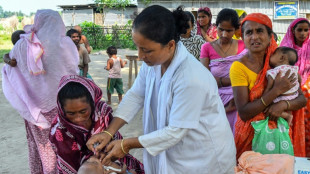
Mobile boat clinics bring healthcare to India's remote islands
-
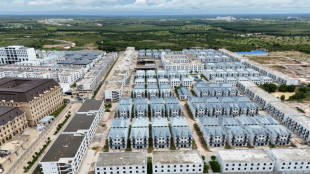 Cambodia showcases scams crackdown with global conference
-
Former India paceman Zaheer Khan named Chennai coach in IPL

-
 Afghan cyclist who disguised herself as man wins Asian Games silver
-
Six-year-old Chinese girl sets world record with Rubik's Cube

-
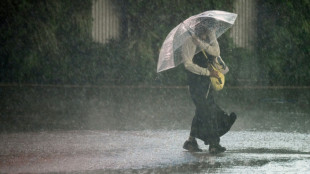 Typhoon Dujuan leaves four dead in Japan, 45,000 houses without power
-
Swimming prodigy Yu, 13, says 'interviews way harder than racing'

-
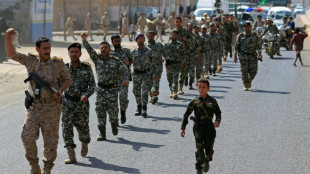 G7 leaders condemn Houthi strikes on Saudi Arabia
-
Star coaches make their bows as Nations League returns

-
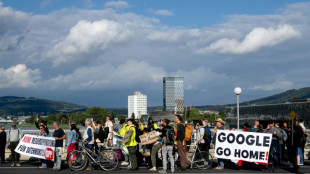 Google data centre sparks protests in Austria
-
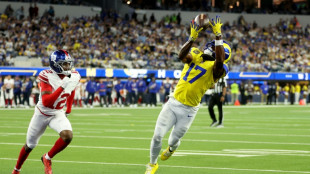
Rams bounce back as Giants reel from Dart injury
-
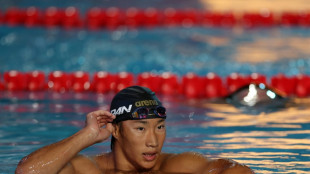 Shin Ohashi: Junk food-loving teen and Japan's next big swimming hope
-
In Bangladesh, Pakistan's Jinnah photo stirs anger

-
 Stocks rise on AI buzz, drop in oil prices
-
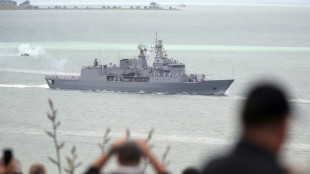
Two New Zealand naval ships transit Taiwan Strait
-
 China's robot dancers limber up for America's Got Talent final
-
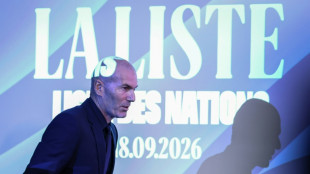
Zidane gets down to work as France start new era
-
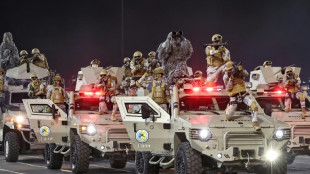 Despite military might, Saudi struggles to crush the Houthis
-
Inside the Venezuelan prison meant to 'drive you insane'
-
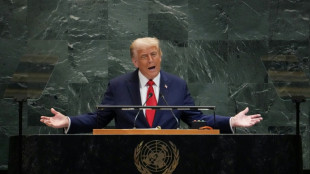 Trump to tout deals, defend Iran war in UN speech
-
UK king braces as memoir by Diana's brother goes on sale

-
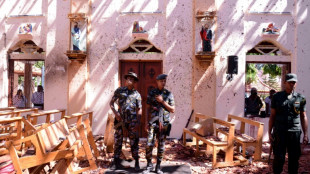 Sri Lanka to issue verdict in landmark Easter attack trial
-
Akkodis and Hamburg Public Transport Association Showcase hvv mia at InnoTrans 2026, Demonstrating the Future of AI-Powered Mobility
-
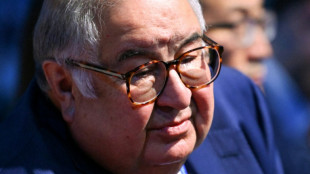 No green light to lift EU sanctions on Russian oligarchs, talks to resume
-
Macron says talks with Trump on Red Sea, Ukraine 'constructive'

-
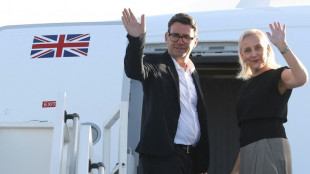 UK agrees support for Saudi in struggle with Houthis: reports
-
Green policies just good politics, says UK minister

-
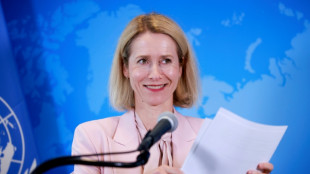 EU foreign policy chief calls for continued sanctions on Russia
-
Bardot auction in Paris fetches nearly one million euros

-
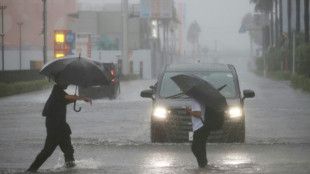 Flights scrapped, evacuations urged as Typhoon Dujuan wallops Japan
-
No timeline on Daniels injury return, says Commanders coach

-
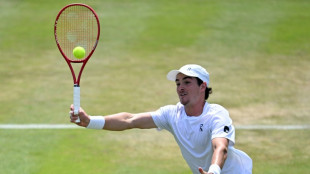 Fonseca to take break from tennis
-
British Columbia sues OpenAI in US court over Canada school shooting

-
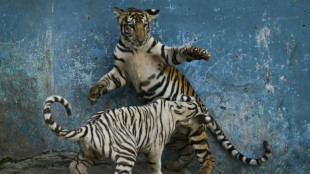 A Cuban zoo, and its animals, in epic battle for survival
-
French star Batum retires after 18-year NBA career

-
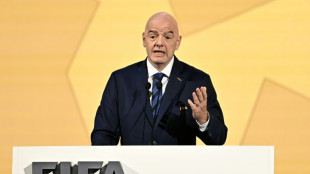 Infantino proposes consulting federations to reform FIFA
-
Zidane leads first France training session

-
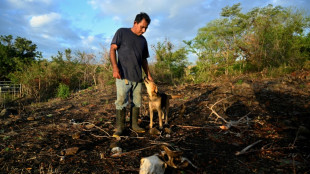 El Nino weather pattern enters record territory: scientist
-
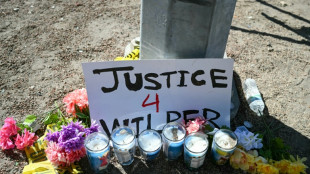
Man shot by ICE agent in Texas detained with bullet inside him: lawyer
-
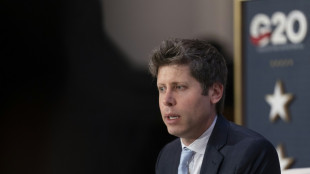 OpenAI calls for US to lead global effort on AI standards
-
California declares state of emergency ahead of El Nino
-
 South African ostriches plucked alive for luxury fashion: report
-
South Africa arrests three more suspects, after nine women murdered

-
 US networks halt Trump coverage in revolt over White House ban
-
Carse needs time away from England, says captain Brook

North Korea Infiltrates Economy
North Korea, often viewed as an isolated and secretive nation, is making strategic moves to infiltrate the global economy and gain control over critical supplies. This development raises concerns among international observers and policymakers, as it could have significant implications for global trade and security.
Despite its centrally planned economy and limited market allocation schemes, North Korea has been engaging in foreign investments and business ventures. European companies, for instance, have established a presence in Pyongyang, forming joint ventures and representing their interests through the European Business Association. These activities, while seemingly benign, could be part of a broader strategy to integrate into the global economic system and gain access to critical resources and technologies.
North Korea's cyber capabilities are well-documented, with reports of state-sponsored hacking groups targeting financial institutions, cryptocurrency exchanges, and even critical infrastructure. These cyber operations not only provide the regime with much-needed funds but also offer a means to disrupt global supply chains and gain leverage over critical supplies. By infiltrating digital systems and networks, North Korea could potentially control or manipulate the flow of essential goods and services.
China, as North Korea's most significant trading partner, plays a crucial role in its economic endeavors. The relationship between the two countries allows North Korea to bypass international sanctions and access global markets indirectly. Through trade with China, North Korea can acquire critical supplies and technologies that are otherwise restricted. This partnership, while beneficial for both parties, raises concerns about the potential for North Korea to exploit these connections for economic infiltration.
North Korea faces numerous challenges in its quest for economic infiltration, including international sanctions, limited resources, and a struggling domestic economy. Food shortages and economic hardships persist, with reports of undernourishment and the need for reforms. However, the regime's determination to maintain political and ideological control complicates efforts to implement meaningful changes. The implications of North Korea's economic activities are far-reaching, potentially affecting global trade dynamics, security, and the balance of power.
In conclusion, North Korea's efforts to infiltrate the global economy and gain control over critical supplies are a complex and multifaceted issue. Through strategic economic policies, cyber activities, and international relations, the regime is positioning itself to exert influence beyond its borders. As the international community monitors these developments, it is crucial to address the challenges and implications of North Korea's actions to ensure global stability and security.
Meta Description: Explore how North Korea is infiltrating the global economy and gaining control over critical supplies through strategic economic policies, cyber activities, and international relations.
Iran's Ayatollahs the next to Fall?
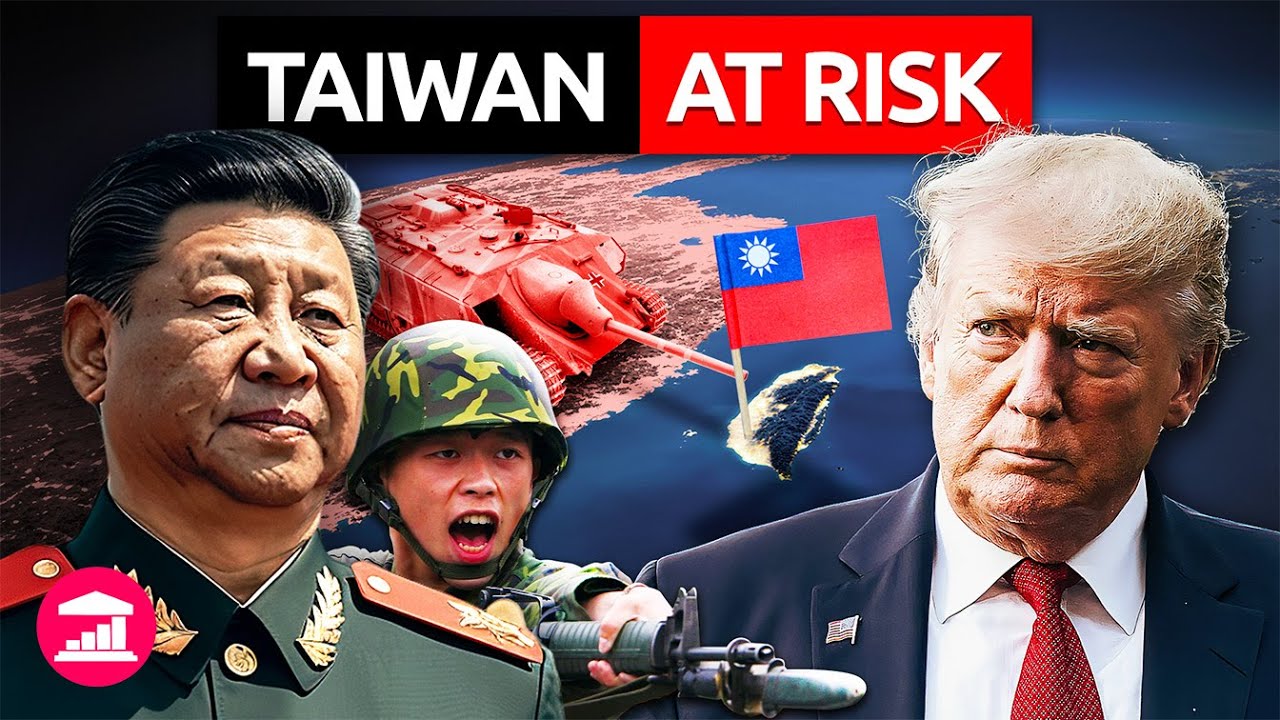
China, Trump, and the power of war?
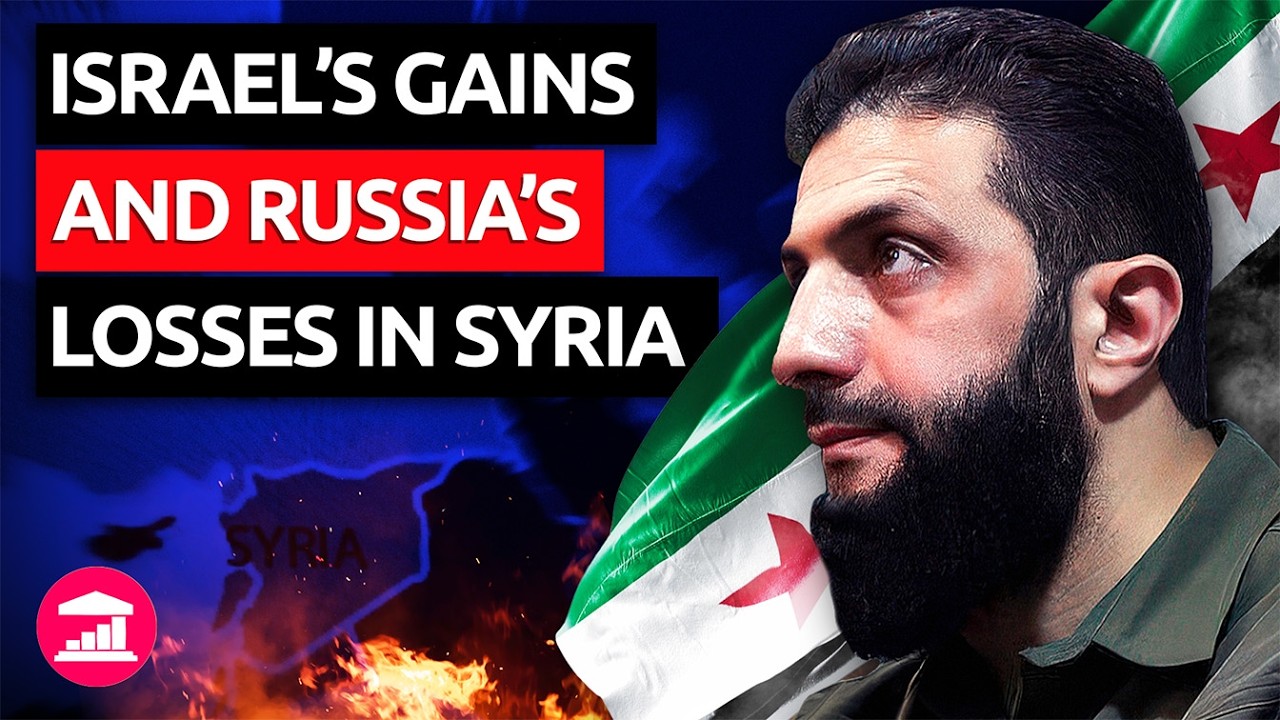
Who wins and who loses in Syria?
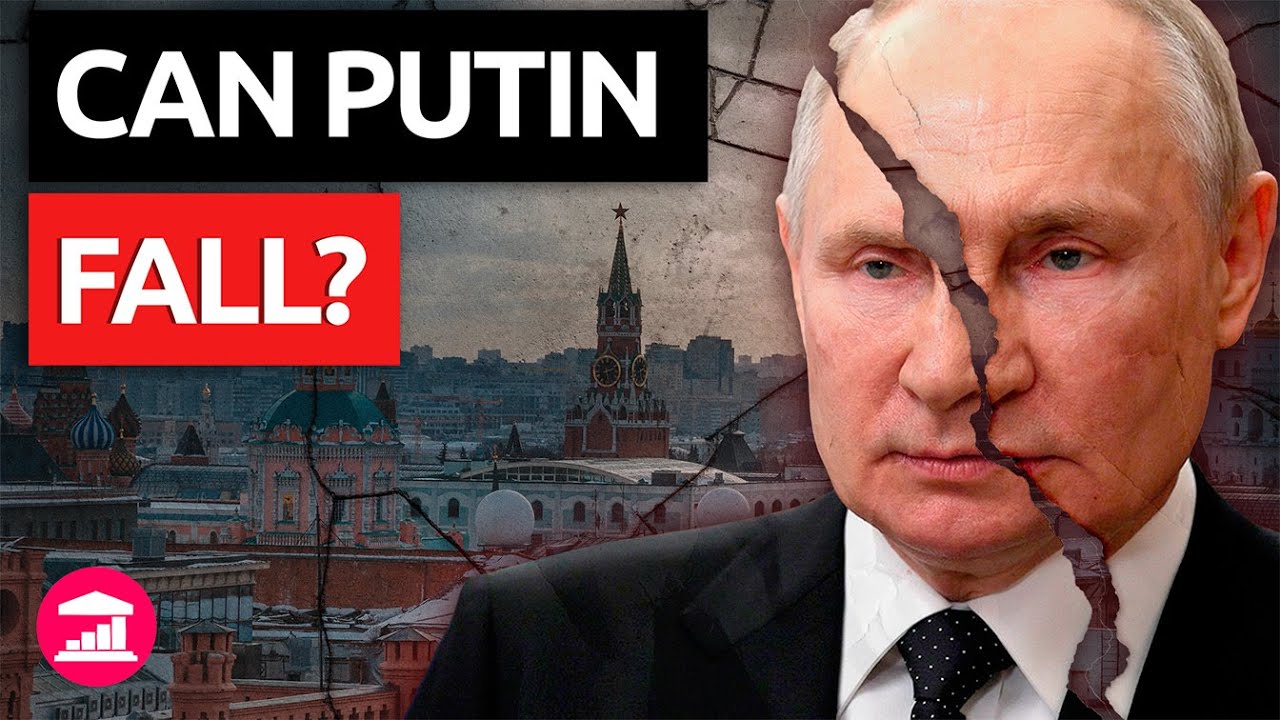
Russia: Is Putin's time nearly up?
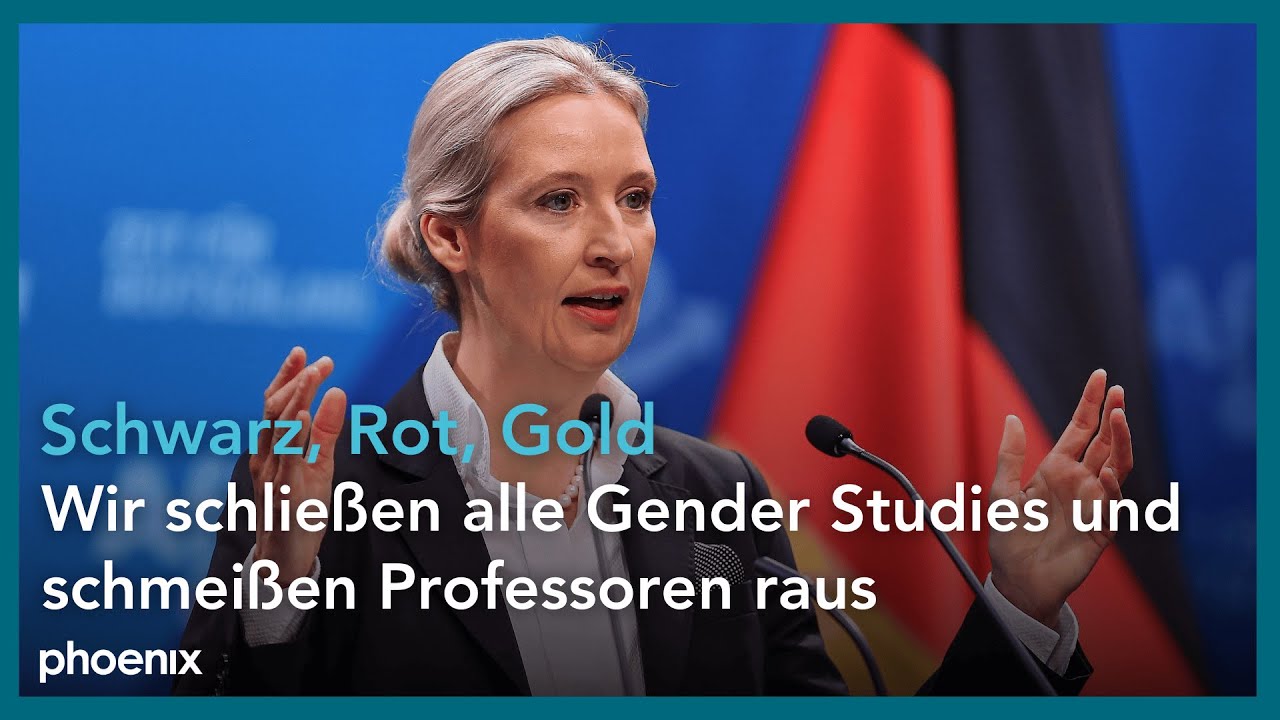
Alice Weidel: AfD Chancellor Candidate 2025

Hungary: China's CATL battery factory
Meta's announcements and digital services?
Donald J. Trump: America is back
Is this Europe's plan for China?
Argentina, Milei and the US dollar?

The Roman Empire and its downfall?