-
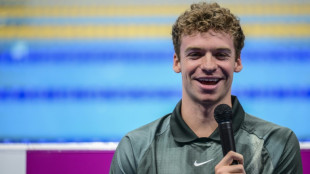 Marchand 'stressed' about racing Japanese rivals at LA Olympics
-
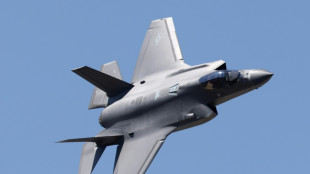
Missing F-35 fighter parts 'not sensitive', says Australia minister
-
 Mobile boat clinics bring healthcare to India's remote islands
-
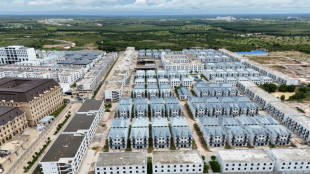
Cambodia showcases scams crackdown with global conference
-
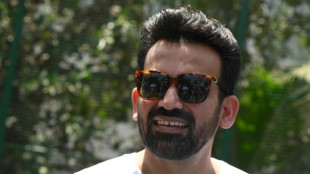 Former India paceman Zaheer Khan named Chennai coach in IPL
-
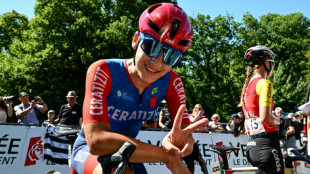
Afghan cyclist who disguised herself as man wins Asian Games silver
-
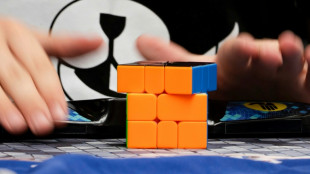 Six-year-old Chinese girl sets world record with Rubik's Cube
-
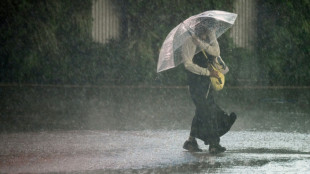
Typhoon Dujuan leaves four dead in Japan, 45,000 houses without power
-
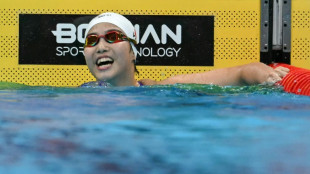 Swimming prodigy Yu, 13, says 'interviews way harder than racing'
-
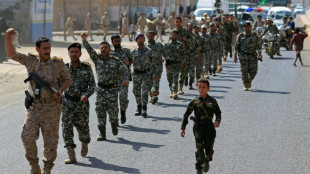
G7 leaders condemn Houthi strikes on Saudi Arabia
-
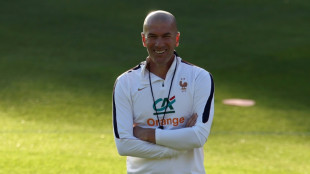 Star coaches make their bows as Nations League returns
-
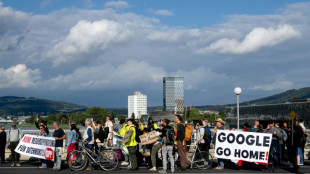
Google data centre sparks protests in Austria
-
 Rams bounce back as Giants reel from Dart injury
-
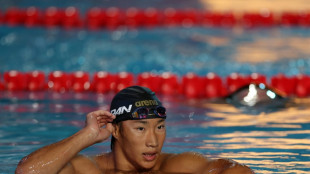
Shin Ohashi: Junk food-loving teen and Japan's next big swimming hope
-
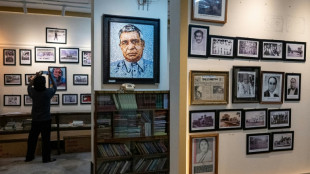 In Bangladesh, Pakistan's Jinnah photo stirs anger
-
Stocks rise on AI buzz, drop in oil prices
-
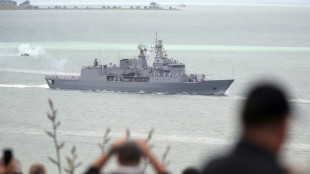 Two New Zealand naval ships transit Taiwan Strait
-
China's robot dancers limber up for America's Got Talent final

-
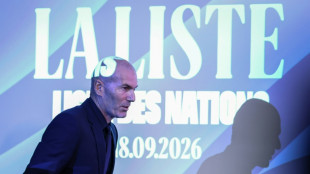 Zidane gets down to work as France start new era
-
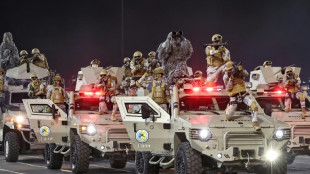
Despite military might, Saudi struggles to crush the Houthis
-
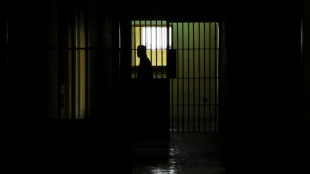 Inside the Venezuelan prison meant to 'drive you insane'
-
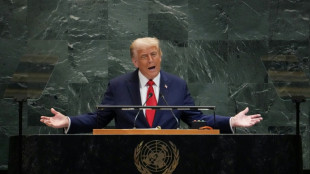
Trump to tout deals, defend Iran war in UN speech
-
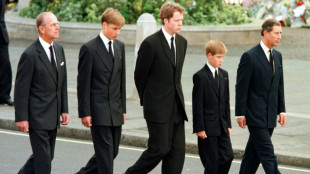 UK king braces as memoir by Diana's brother goes on sale
-
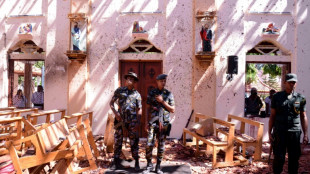
Sri Lanka to issue verdict in landmark Easter attack trial
-
 Akkodis and Hamburg Public Transport Association Showcase hvv mia at InnoTrans 2026, Demonstrating the Future of AI-Powered Mobility
-
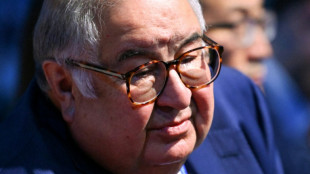
No green light to lift EU sanctions on Russian oligarchs, talks to resume
-
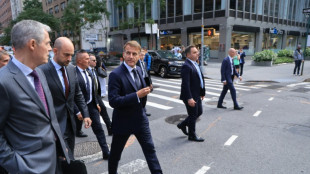 Macron says talks with Trump on Red Sea, Ukraine 'constructive'
-
UK agrees support for Saudi in struggle with Houthis: reports

-
 Green policies just good politics, says UK minister
-
EU foreign policy chief calls for continued sanctions on Russia

-
 Bardot auction in Paris fetches nearly one million euros
-
Flights scrapped, evacuations urged as Typhoon Dujuan wallops Japan

-
 No timeline on Daniels injury return, says Commanders coach
-
Fonseca to take break from tennis

-
 British Columbia sues OpenAI in US court over Canada school shooting
-
A Cuban zoo, and its animals, in epic battle for survival

-
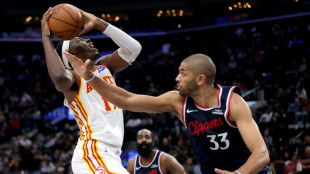 French star Batum retires after 18-year NBA career
-
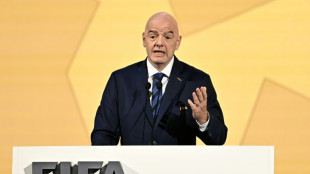
Infantino proposes consulting federations to reform FIFA
-
 Zidane leads first France training session
-
El Nino weather pattern enters record territory: scientist

-
 Man shot by ICE agent in Texas detained with bullet inside him: lawyer
-
OpenAI calls for US to lead global effort on AI standards

-
 California declares state of emergency ahead of El Nino
-
South African ostriches plucked alive for luxury fashion: report

-
 South Africa arrests three more suspects, after nine women murdered
-
US networks halt Trump coverage in revolt over White House ban

-
 Carse needs time away from England, says captain Brook
-
Paramount settles with US states to clear Warner Bros. mega-merger

-
 NOWPayments Releases Cross-Chain Payout Data Revealing Key Performance Benchmarks Across TRON, BNB Chain, and Solana
-
Climate crisis a job for world leaders, not just activists: UK FM

Orban and Putin's Shadow Deal
Hungarian Prime Minister Viktor Orban has long been a polarizing figure in the European Union, often clashing with Brussels over his nationalist stance and cozy relationships with authoritarian leaders. Among these, his bond with Russian President Vladimir Putin has sparked widespread unease. Their partnership, marked by secretive agreements and high-profile meetings, has cast a shadow over Hungary’s role in Europe, raising questions about its loyalty to EU principles and its implications for regional stability.
Central to this controversy are energy agreements that tie Hungary closely to Russia. Despite EU efforts to wean itself off Russian energy amid the Ukraine war, Hungary has doubled down on its dependence. In 2022, Orban locked in a long-term gas deal with Moscow, securing favorable rates for Hungary. This move has been a boon for the country’s economy but has drawn ire for propping up Russia’s finances under global sanctions and weakening Europe’s united front.
The collaboration extends beyond gas. Hungary has tapped Russia’s Rosatom to upgrade its Paks nuclear facility, a multi-billion-euro project funded largely by a Russian loan. Details of the deal remain murky, with allegations of corruption swirling around it. Observers worry that this not only deepens Hungary’s debt to Russia but also hands Putin a foothold in critical European infrastructure.
Diplomatically, Orban has stirred the pot further. In July 2024, he made an unexpected trip to Moscow to meet Putin, touting “peace talks” for Ukraine just as Hungary took the EU Council presidency. EU leaders slammed the visit, insisting Orban had no authority to speak for the bloc. Days earlier, he’d pitched a ceasefire to Ukraine’s Volodymyr Zelenskyy in Kyiv—a suggestion Kyiv dismissed as a win for Russia. Orban framed these moves as a “peace mission,” but many see them as a bid to bolster ties with Putin while playing both sides.
The Orban-Putin alliance isn’t just pragmatic—it’s rooted in shared ideology. Both leaders champion “traditional values” and reject liberal democracy, with Orban openly admiring Putin’s strongman tactics. This kinship has seen Hungary obstruct EU sanctions on Russia and stall aid to Ukraine, frustrating allies and amplifying divisions within the bloc.
The fallout is significant. Orban’s actions strain Hungary’s standing in the EU and NATO, casting doubt on its commitment to collective goals. They also signal to other populist figures that defying the EU for national gain is viable. As Europe navigates Russia’s aggression, the Orban-Putin pact remains a flashpoint, its full consequences still unfolding.
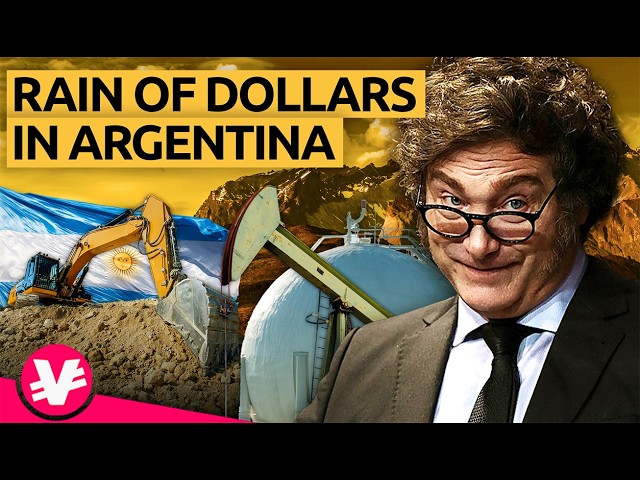
Argentina reshapes oil

Power at the Heart of Iran
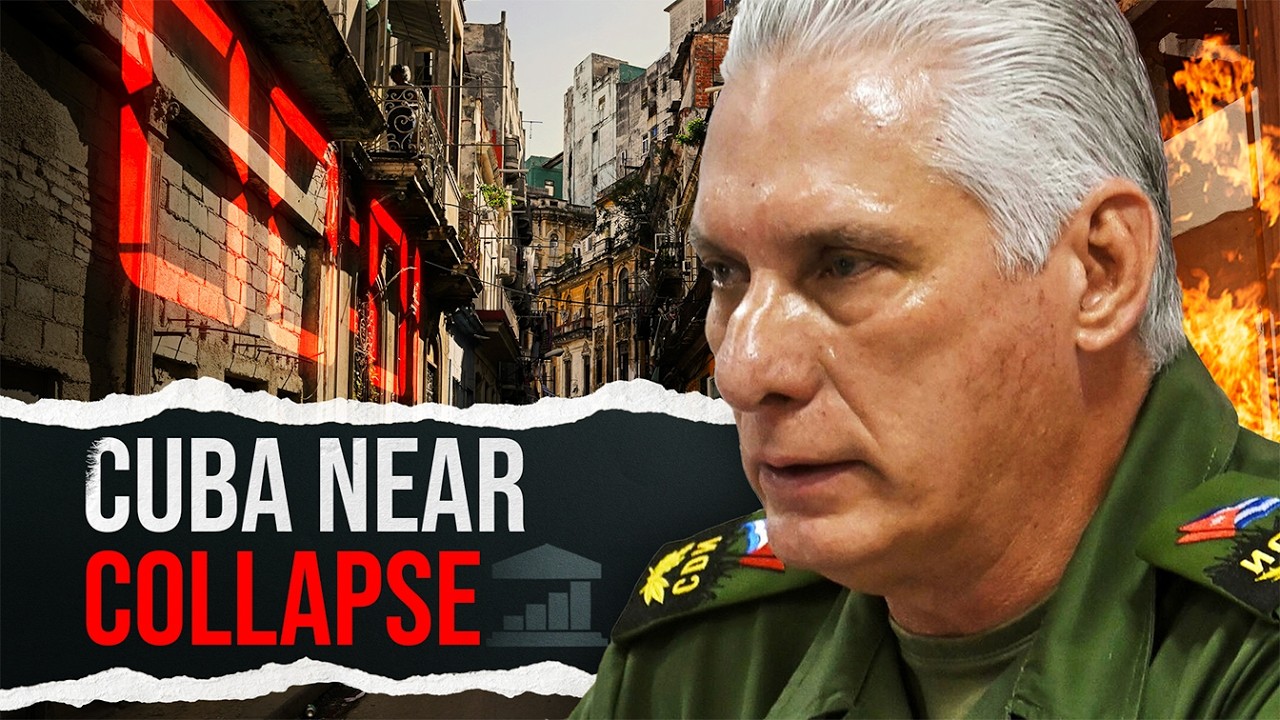
Cuba Strangled by US Pressure

Nicaragua on the brink?
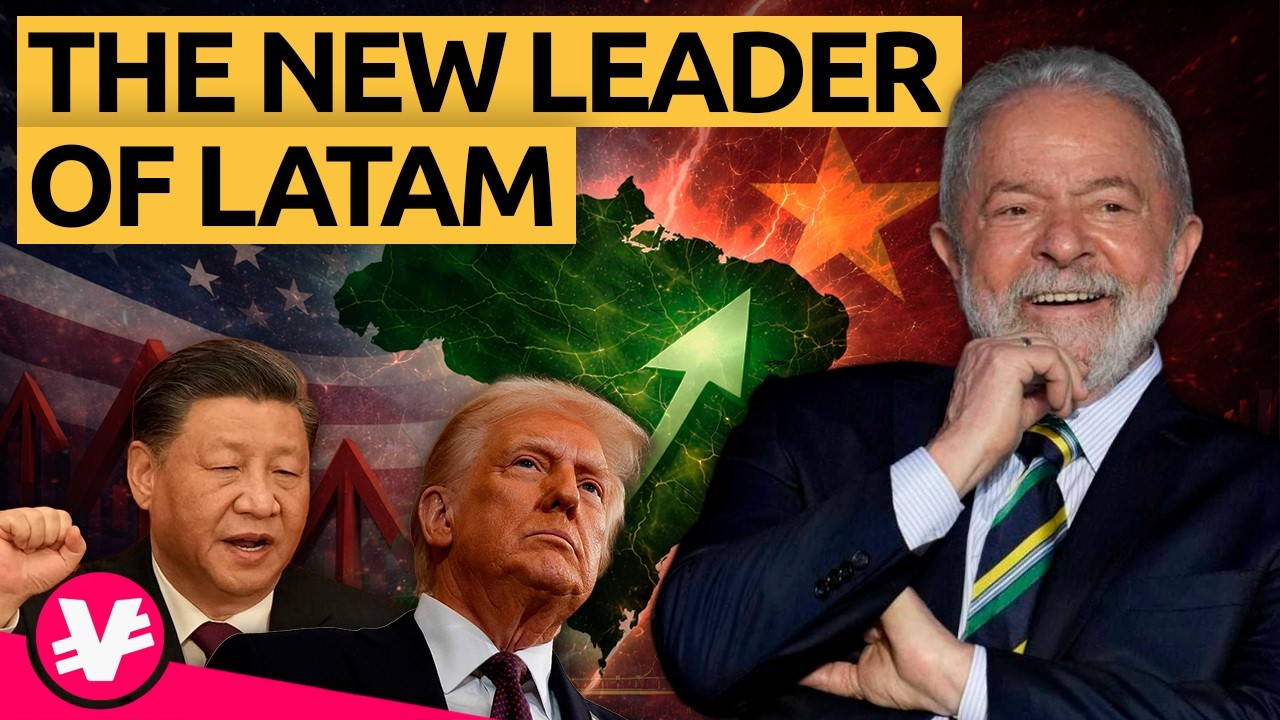
Brazil's trade-war boom
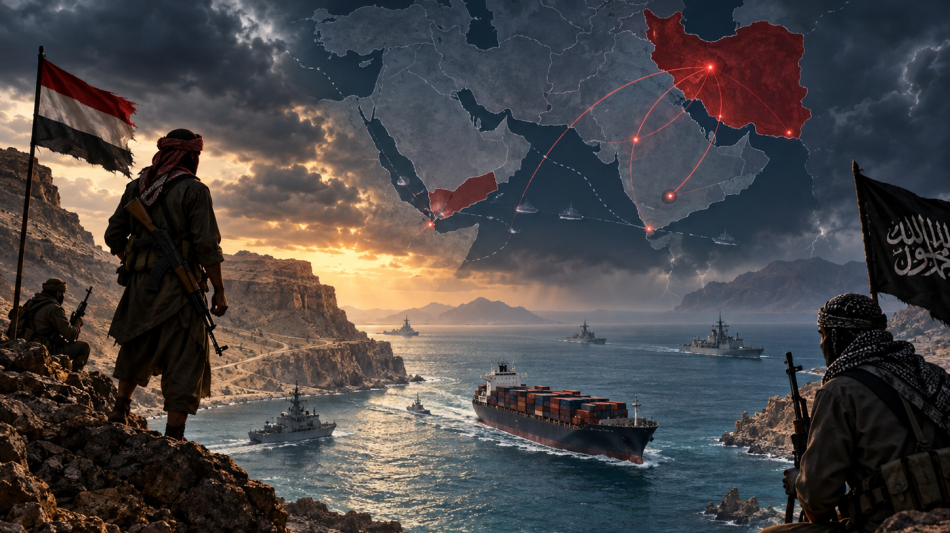
Houthis and al-Qaeda
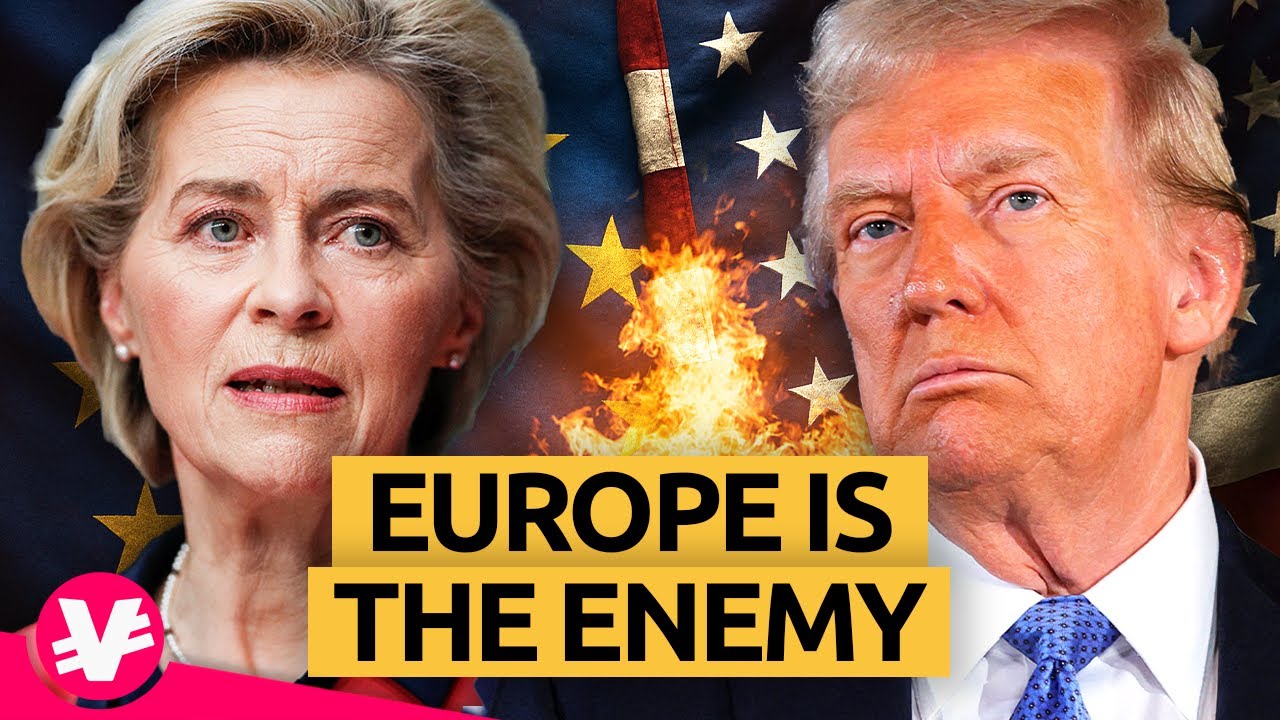
Trump’s 50% tariffs on europe
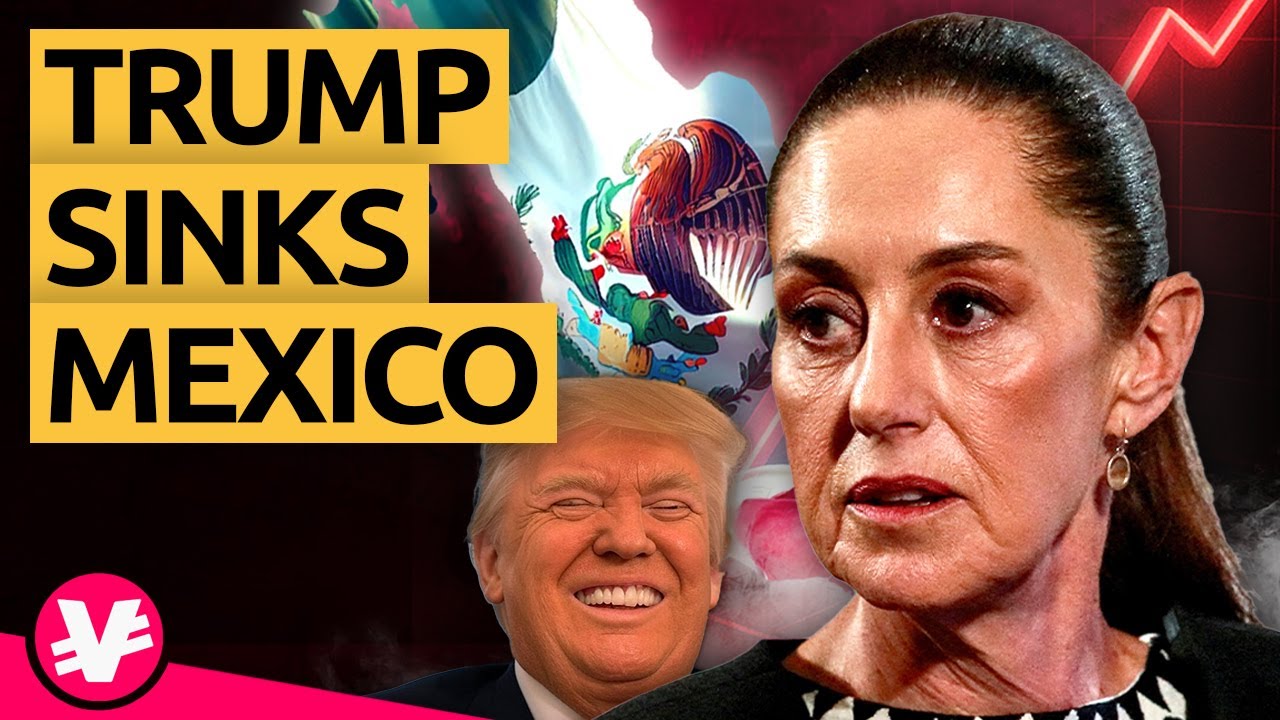
Trump's Tariffs Batter Mexico

Euro Challenges Dollar's Reign
US tariff dispute: No winner
Zelensky's trap for Putin