-
 How to Watch the Rugby League World Cup Final on 7plus for Free
-
Women's Asian Champions Trophy 2026 in Bhopal Revives Hockey Legacy

-
 Kayla Harrison Defeats Amanda Nunes via Submission at UFC 334
-
California GOP Faces Near-Extinction After 2026 Midterms; Calls for New Vision
-
 GTA 6 Advertising Strategy and Disc Version Controversy
-
St Francis School Leads €60,000 EU Project to Transform Early Childhood Education

-
 From First Date to Wedding Day: How a TV Quote Sparked a Lifetime Commitment
-
South Africa's Universal Health Coverage Depends on Tackling Poverty and Inequality
-
 Malta Stuns Sweden with Late Penalty Comeback in Rugby Europe Trophy
-
Rare Siberian Rubythroat Dies in UK Garden After Cat Attack

-
 BingX: Major Announcement of Far-Reaching Significance
-
Go Kyung-pyo Drunk Driving Incident Prompts Heavy Editing Across Multiple TV Shows

-
 Élan Opens as Late-Night Wine Bar in Honolulu
-
KFF Health News Reporters Discuss ACA Enrollment Challenges, Rising Costs, and Measles Risks

Orban and Putin's Shadow Deal
Hungarian Prime Minister Viktor Orban has long been a polarizing figure in the European Union, often clashing with Brussels over his nationalist stance and cozy relationships with authoritarian leaders. Among these, his bond with Russian President Vladimir Putin has sparked widespread unease. Their partnership, marked by secretive agreements and high-profile meetings, has cast a shadow over Hungary’s role in Europe, raising questions about its loyalty to EU principles and its implications for regional stability.
Central to this controversy are energy agreements that tie Hungary closely to Russia. Despite EU efforts to wean itself off Russian energy amid the Ukraine war, Hungary has doubled down on its dependence. In 2022, Orban locked in a long-term gas deal with Moscow, securing favorable rates for Hungary. This move has been a boon for the country’s economy but has drawn ire for propping up Russia’s finances under global sanctions and weakening Europe’s united front.
The collaboration extends beyond gas. Hungary has tapped Russia’s Rosatom to upgrade its Paks nuclear facility, a multi-billion-euro project funded largely by a Russian loan. Details of the deal remain murky, with allegations of corruption swirling around it. Observers worry that this not only deepens Hungary’s debt to Russia but also hands Putin a foothold in critical European infrastructure.
Diplomatically, Orban has stirred the pot further. In July 2024, he made an unexpected trip to Moscow to meet Putin, touting “peace talks” for Ukraine just as Hungary took the EU Council presidency. EU leaders slammed the visit, insisting Orban had no authority to speak for the bloc. Days earlier, he’d pitched a ceasefire to Ukraine’s Volodymyr Zelenskyy in Kyiv—a suggestion Kyiv dismissed as a win for Russia. Orban framed these moves as a “peace mission,” but many see them as a bid to bolster ties with Putin while playing both sides.
The Orban-Putin alliance isn’t just pragmatic—it’s rooted in shared ideology. Both leaders champion “traditional values” and reject liberal democracy, with Orban openly admiring Putin’s strongman tactics. This kinship has seen Hungary obstruct EU sanctions on Russia and stall aid to Ukraine, frustrating allies and amplifying divisions within the bloc.
The fallout is significant. Orban’s actions strain Hungary’s standing in the EU and NATO, casting doubt on its commitment to collective goals. They also signal to other populist figures that defying the EU for national gain is viable. As Europe navigates Russia’s aggression, the Orban-Putin pact remains a flashpoint, its full consequences still unfolding.
Scandic Coin, (SNC) and Trust
Brussels misreads Magyar
US China race hits 2027
Red sea gambit with Eritrea
Israel riled by US-Iran pact
Russia’s dollar pivot

Fentanyl trade unravels

AI and the Future of Wealth
Unexpected economic twist
Beijing's new Taiwan playbook
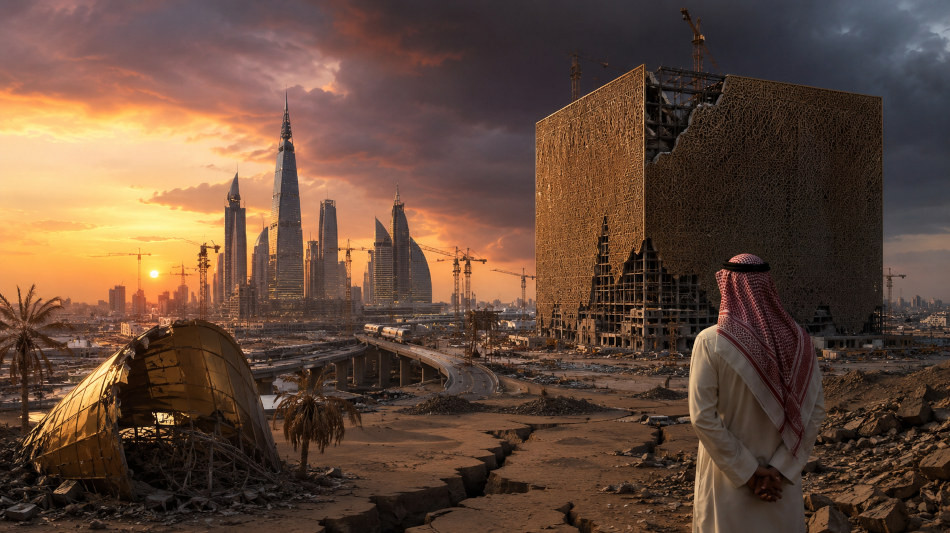
Saudi Arabia’s Costly Mirage