-
 Marchand 'stressed' about racing Japanese rivals at LA Olympics
-
Missing F-35 fighter parts 'not sensitive', says Australia minister

-
 Mobile boat clinics bring healthcare to India's remote islands
-
Cambodia showcases scams crackdown with global conference

-
 Former India paceman Zaheer Khan named Chennai coach in IPL
-
Afghan cyclist who disguised herself as man wins Asian Games silver

-
 Six-year-old Chinese girl sets world record with Rubik's Cube
-
Typhoon Dujuan leaves four dead in Japan, 45,000 houses without power

-
 Swimming prodigy Yu, 13, says 'interviews way harder than racing'
-
G7 leaders condemn Houthi strikes on Saudi Arabia

-
 Star coaches make their bows as Nations League returns
-
Google data centre sparks protests in Austria

-
 Rams bounce back as Giants reel from Dart injury
-
Shin Ohashi: Junk food-loving teen and Japan's next big swimming hope

-
 In Bangladesh, Pakistan's Jinnah photo stirs anger
-
Stocks rise on AI buzz, drop in oil prices

-
 Two New Zealand naval ships transit Taiwan Strait
-
China's robot dancers limber up for America's Got Talent final

-
 Zidane gets down to work as France start new era
-
Despite military might, Saudi struggles to crush the Houthis

-
 Inside the Venezuelan prison meant to 'drive you insane'
-
Trump to tout deals, defend Iran war in UN speech

-
 UK king braces as memoir by Diana's brother goes on sale
-
Sri Lanka to issue verdict in landmark Easter attack trial

-
 Akkodis and Hamburg Public Transport Association Showcase hvv mia at InnoTrans 2026, Demonstrating the Future of AI-Powered Mobility
-
No green light to lift EU sanctions on Russian oligarchs, talks to resume

-
 Macron says talks with Trump on Red Sea, Ukraine 'constructive'
-
UK agrees support for Saudi in struggle with Houthis: reports

-
 Green policies just good politics, says UK minister
-
EU foreign policy chief calls for continued sanctions on Russia

-
 Bardot auction in Paris fetches nearly one million euros
-
Flights scrapped, evacuations urged as Typhoon Dujuan wallops Japan

-
 No timeline on Daniels injury return, says Commanders coach
-
Fonseca to take break from tennis

-
 British Columbia sues OpenAI in US court over Canada school shooting
-
A Cuban zoo, and its animals, in epic battle for survival

-
 French star Batum retires after 18-year NBA career
-
Infantino proposes consulting federations to reform FIFA
-
 Zidane leads first France training session
-
El Nino weather pattern enters record territory: scientist
-
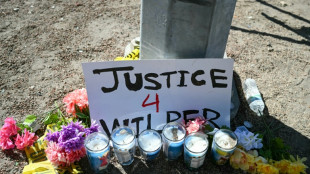 Man shot by ICE agent in Texas detained with bullet inside him: lawyer
-
OpenAI calls for US to lead global effort on AI standards
-
 California declares state of emergency ahead of El Nino
-
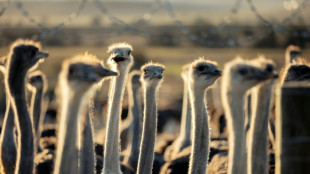
South African ostriches plucked alive for luxury fashion: report
-
 South Africa arrests three more suspects, after nine women murdered
-
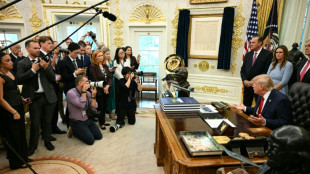
US networks halt Trump coverage in revolt over White House ban
-
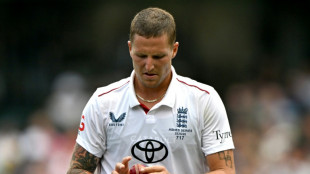 Carse needs time away from England, says captain Brook
-
Paramount settles with US states to clear Warner Bros. mega-merger

-
 NOWPayments Releases Cross-Chain Payout Data Revealing Key Performance Benchmarks Across TRON, BNB Chain, and Solana
-
Climate crisis a job for world leaders, not just activists: UK FM

Iran: Allies abandoned
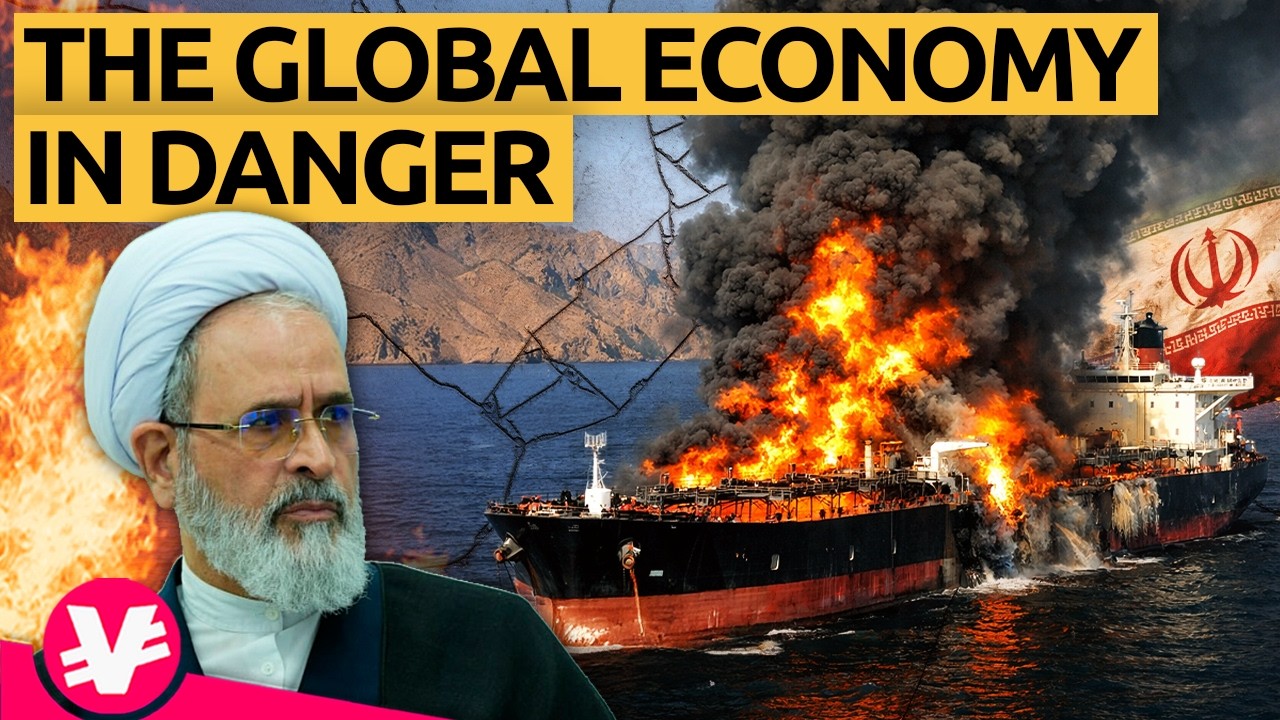
Iran stands largely alone in the midst of an escalating conflict with Israel. Despite long-standing alliances and strategic partnerships, the country's allies remain conspicuously passive. The reasons for this are complex and range from Israel's military superiority to the geopolitical calculations of regional actors.
Israel's military superiority
A key factor is Israel's military dominance in the region. The Israeli Air Force has quickly gained control of Iranian airspace, significantly limiting Iran's ability to defend itself. This has put Iran's allies in a difficult position, as military intervention carries high risks. The Hezbollah militia in Lebanon, traditionally a close ally of Iran, has decided not to actively intervene in the conflict. This is partly because Hezbollah itself has been weakened by Israeli attacks and intervention could mean further losses.
Geopolitical calculations
Another reason for the allies' restraint is the geopolitical situation. Russia, which entered into a strategic partnership with Iran in January 2025, has a keen interest in the stability of the Iranian regime. Nevertheless, it is unlikely that Russia will actively enter the war. This is because Russia needs its own military resources for the conflict in Ukraine and wants to avoid a direct confrontation with Israel. The situation is similar with China, which supports Iran but also has no interest in an escalation that could jeopardise its economic interests in the region.
Limited support from the Houthis
The Houthi militia in Yemen is one of the few actors actively supporting Iran by carrying out coordinated attacks on Israel. However, this support is limited and cannot offset Israel's military superiority. The Houthi militia is also preoccupied with its own internal conflicts and the humanitarian crisis in Yemen, which limits its capabilities.
Domestic political pressure
Another aspect is the domestic political situation in Iran. The regime under Ayatollah Ali Khamenei is under considerable pressure, both from military attacks and growing discontent among the population. In the past, the Iranian leadership has repeatedly relied on the support of its allies to strengthen its position. The current passivity of its allies could therefore also be interpreted as a sign that they increasingly view the regime as a burden.
International restraint
The international community, in particular the United States and the European Union, has so far limited itself to diplomatic efforts to de-escalate the situation. Although US President Donald Trump has not ruled out the possibility of military intervention, he has emphasised that escalation is not in the interests of the US. EU Foreign Affairs Representative Kaja Kallas warned against an escalation of the conflict and emphasised that US involvement would further destabilise the region.
Conclusion
Overall, it is clear that Iran is largely isolated in this conflict. The country's allies are either unable or unwilling to intervene actively. This is due to a combination of Israel's military superiority, geopolitical calculations and the domestic political situation in Iran. The future of the conflict remains uncertain, but the current situation suggests that Iran will be on its own for the foreseeable future.

Russia's Drone ploy in Poland

After Kirk: Speech at Risk

Tel Aviv’s Wartime rally

Tokyo’s Housing playbook

Can the FANB shield Maduro?

Tariffs roil U.S.–India ties
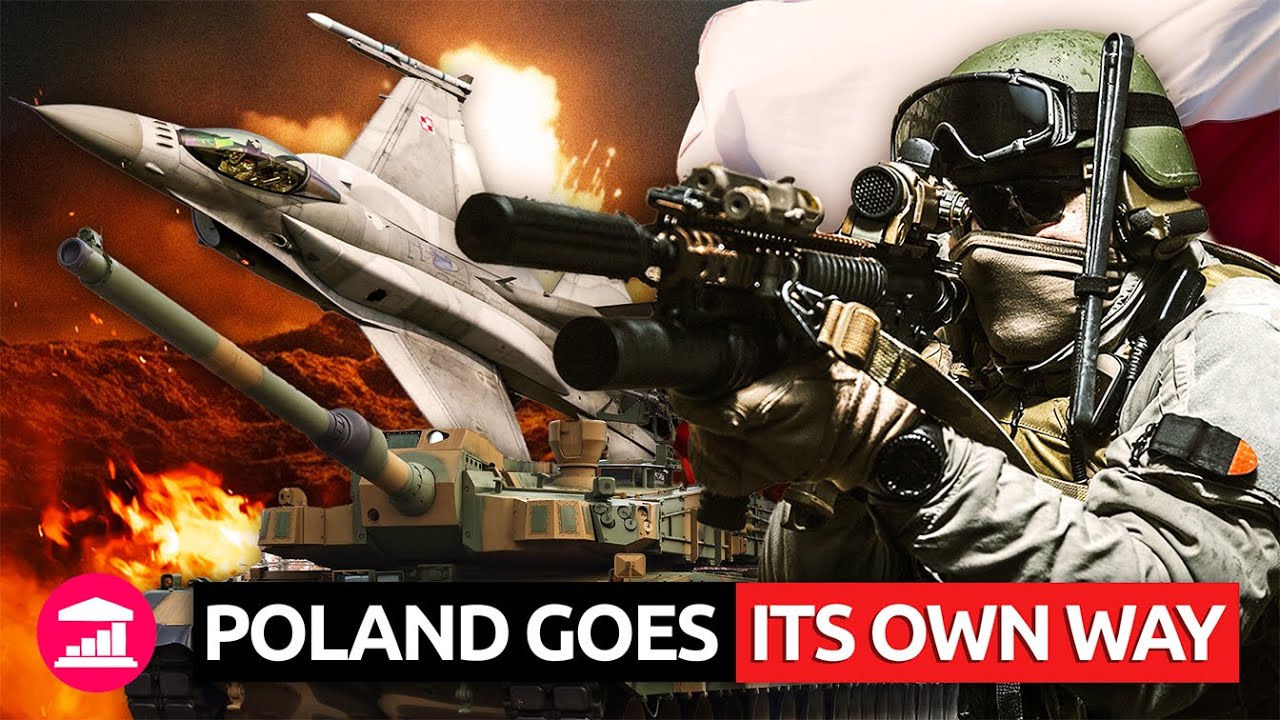
Poland trusts only hard Power
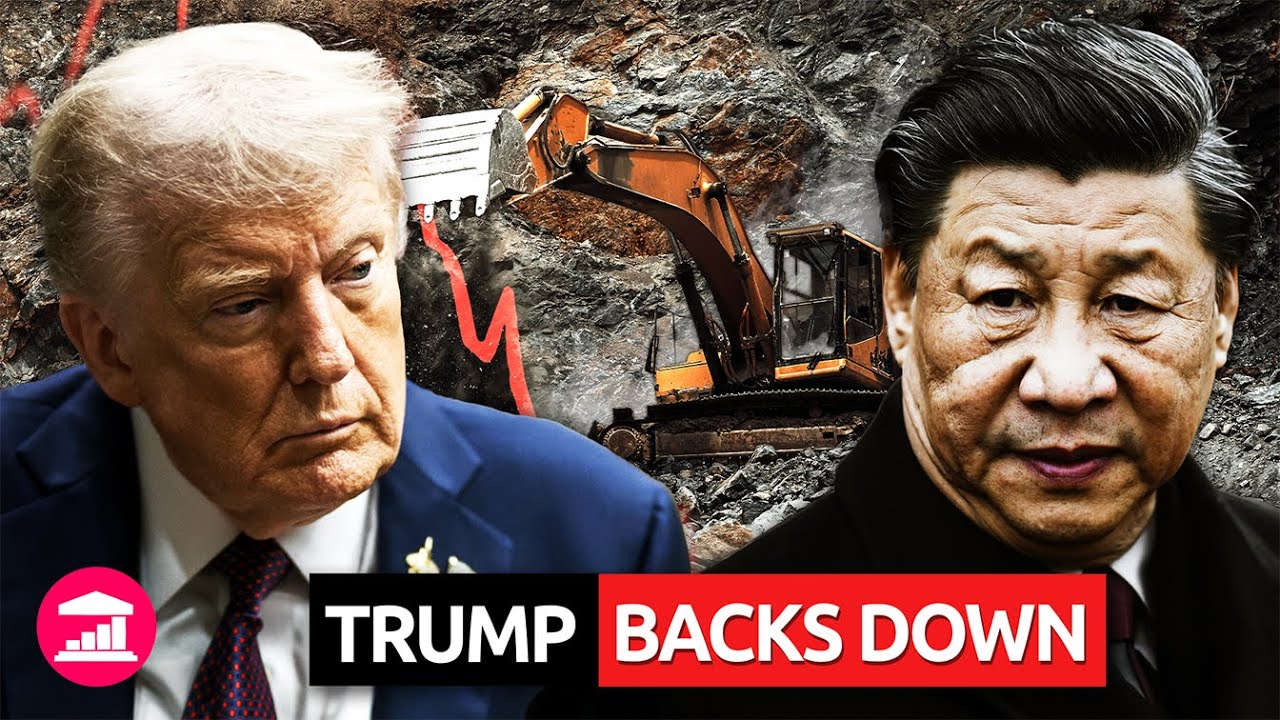
Rare Earth Standoff
Brazil's trade-war boom
Power at the Heart of Iran

EU misstep on mercosur Deal