-
 Marchand 'stressed' about racing Japanese rivals at LA Olympics
-
Missing F-35 fighter parts 'not sensitive', says Australia minister
-
 Mobile boat clinics bring healthcare to India's remote islands
-
Cambodia showcases scams crackdown with global conference
-
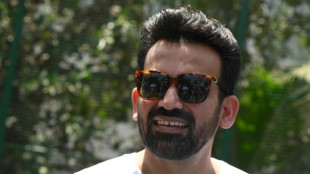 Former India paceman Zaheer Khan named Chennai coach in IPL
-
Afghan cyclist who disguised herself as man wins Asian Games silver

-
 Six-year-old Chinese girl sets world record with Rubik's Cube
-
Typhoon Dujuan leaves four dead in Japan, 45,000 houses without power

-
 Swimming prodigy Yu, 13, says 'interviews way harder than racing'
-
G7 leaders condemn Houthi strikes on Saudi Arabia

-
 Star coaches make their bows as Nations League returns
-
Google data centre sparks protests in Austria

-
 Rams bounce back as Giants reel from Dart injury
-
Shin Ohashi: Junk food-loving teen and Japan's next big swimming hope

-
 In Bangladesh, Pakistan's Jinnah photo stirs anger
-
Stocks rise on AI buzz, drop in oil prices

-
 Two New Zealand naval ships transit Taiwan Strait
-
China's robot dancers limber up for America's Got Talent final

-
 Zidane gets down to work as France start new era
-
Despite military might, Saudi struggles to crush the Houthis

-
 Inside the Venezuelan prison meant to 'drive you insane'
-
Trump to tout deals, defend Iran war in UN speech

-
 UK king braces as memoir by Diana's brother goes on sale
-
Sri Lanka to issue verdict in landmark Easter attack trial

-
 Akkodis and Hamburg Public Transport Association Showcase hvv mia at InnoTrans 2026, Demonstrating the Future of AI-Powered Mobility
-
No green light to lift EU sanctions on Russian oligarchs, talks to resume

-
 Macron says talks with Trump on Red Sea, Ukraine 'constructive'
-
UK agrees support for Saudi in struggle with Houthis: reports

-
 Green policies just good politics, says UK minister
-
EU foreign policy chief calls for continued sanctions on Russia

-
 Bardot auction in Paris fetches nearly one million euros
-
Flights scrapped, evacuations urged as Typhoon Dujuan wallops Japan

-
 No timeline on Daniels injury return, says Commanders coach
-
Fonseca to take break from tennis

-
 British Columbia sues OpenAI in US court over Canada school shooting
-
A Cuban zoo, and its animals, in epic battle for survival

-
 French star Batum retires after 18-year NBA career
-
Infantino proposes consulting federations to reform FIFA

-
 Zidane leads first France training session
-
El Nino weather pattern enters record territory: scientist

-
 Man shot by ICE agent in Texas detained with bullet inside him: lawyer
-
OpenAI calls for US to lead global effort on AI standards

-
 California declares state of emergency ahead of El Nino
-
South African ostriches plucked alive for luxury fashion: report

-
 South Africa arrests three more suspects, after nine women murdered
-
US networks halt Trump coverage in revolt over White House ban

-
 Carse needs time away from England, says captain Brook
-
Paramount settles with US states to clear Warner Bros. mega-merger

-
 NOWPayments Releases Cross-Chain Payout Data Revealing Key Performance Benchmarks Across TRON, BNB Chain, and Solana
-
Climate crisis a job for world leaders, not just activists: UK FM

Operation Venezuela: Scenario
The United States has surged naval power into the southern Caribbean under the banner of “enhanced counter-narcotics” operations, while Venezuela has mobilized forces and militias at home. Against this backdrop, security planners are gaming out a scenario sometimes dubbed “Operation Venezuela”: a coercive campaign designed to capture or incapacitate Nicolás Maduro’s ruling circle without a prolonged occupation. What follows is a non-fiction analysis—anchored in current, publicly reported facts—of how such an operation would likely be built.
Phase 0: Political framing and legal scaffolding
Before the first shot, Washington would frame action as a transnational crime and regional security problem—drug-cartel interdiction, hostage/prisoner issues, and the defense of maritime commerce—while tightening energy and financial sanctions to constrict cash flows. Expect parallel diplomacy at the Organization of American States, quiet outreach to Caribbean partners for port and air access, and coordination with the Netherlands (Curaçao/Aruba) and Colombia on overflight and logistics. The immediate aim is legitimacy, basing, and intelligence sharing—without conceding that regime change is the objective.
Phase 1: Maritime and air “quarantine,” intelligence dominance
With destroyers, a cruiser, and an amphibious assault ship already in theater, the opening move would be sea control: persistent patrols, air and surface interdictions, and boarding of suspect craft outside Venezuelan territorial waters. Overhead, ISR aircraft and space-based assets would build a detailed picture of Venezuelan command-and-control, air defenses, and leadership movements. Electronic warfare and cyber units would probe networks, map radar coverage, and seed access for later disruption.
Phase 2: Blinding the air defenses (SEAD/DEAD)
Any kinetic step ashore would first require suppressing Venezuela’s layered air defenses, which include long-range S-300-class systems, medium-range batteries, and a radar network anchored around key urban and oil-infrastructure hubs. The likely playbook: stand-off jamming, decoys, cyber effects against air-defense command nodes, and precision strikes on select radars and launchers. The objective isn’t to raze the entire integrated air defense system, but to carve a time-limited corridor for special operations aviation and maritime helicopters.
Phase 3: “Decapitation” raids and denial of escape
If the operation sought to detain Maduro or senior figures, special mission units would move near-simultaneously against leadership safe sites, communications hubs, and key airports (to deny flight). Maritime teams could sabotage executive transport and pier-side escape options, while airborne elements secure runways for short windows. The template is historical: neutralize mobility, isolate the inner circle, exploit surprise—and exfiltrate quickly if the political costs spike.
Phase 4: Precision punishment without invasion
Should detention prove unworkable, an intermediate option is calibrated strikes against regime-critical assets: intelligence headquarters, military logistics depots, and select revenue nodes tied to illicit finance—while avoiding broad infrastructure damage. This keeps the campaign within days, not months, and reduces the risk of urban combat in Caracas or Maracaibo.
What could go wrong
Air denial is not trivial. Even a partially functional S-300 umbrella complicates rotary-wing ingress near the capital. Urban complexity. Caracas favors defenders; militias and security services could draw raids into dense neighborhoods. External spoilers. Advisers from partner states, and offshore intelligence support to Caracas, can raise the cost and duration of any action. Regional blowback. Mexico and others oppose foreign intervention; without a clear regional mandate, sustained operations risk isolating Washington diplomatically. Oil shock and migration. Renewed sanctions and kinetic action could squeeze supplies and push new refugee flows toward Colombia, Brazil, and the Caribbean.
Signals to watch if the crisis escalates
- Additional amphibious shipping or Marine aviation assets entering the theater.
- Surge of aerial refueling tankers and electronic-attack aircraft to forward locations.
- Cyber disruptions at Venezuelan ministries, state media, or airport systems.
- “Maritime safety” notices suggesting wider exclusion zones off the Venezuelan coast.
- Expanded coordination cells announced by U.S. Southern Command with regional partners.
Bottom line
The most plausible U.S. approach is coercive capture—short, sharp, and intelligence-led—nested inside a broader maritime and sanctions squeeze. A full-scale invasion is unlikely and unnecessary for the campaign’s immediate aims. Yet even a limited raid carries real risks: air-defense attrition, urban friction, regional polarization, and economic blowback. In crisis management terms, the escalatory ladder is crowded—and every rung is slippery.
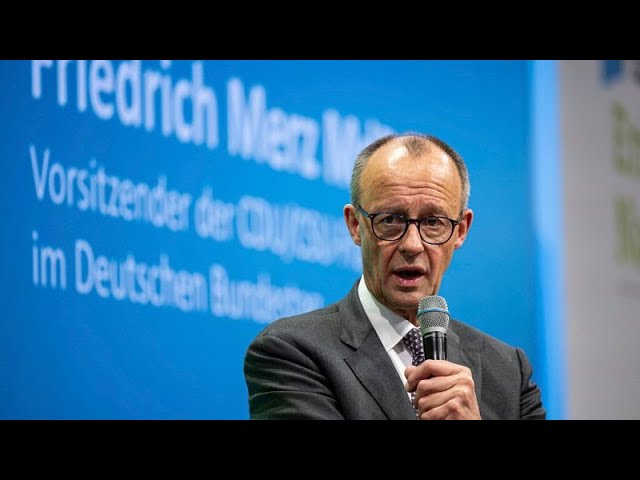
Germany: Migration reform package
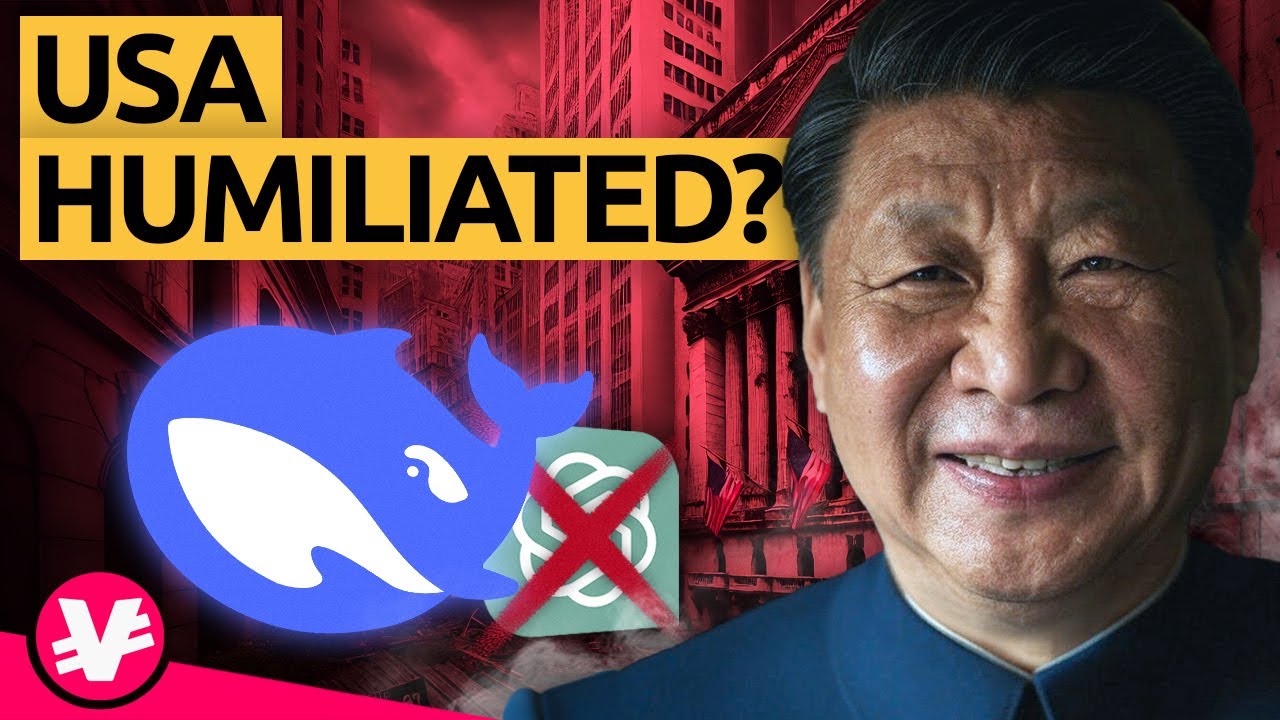
DeepSeek: The AI everyone is talking about...

Brazil tests Milei’s gamble
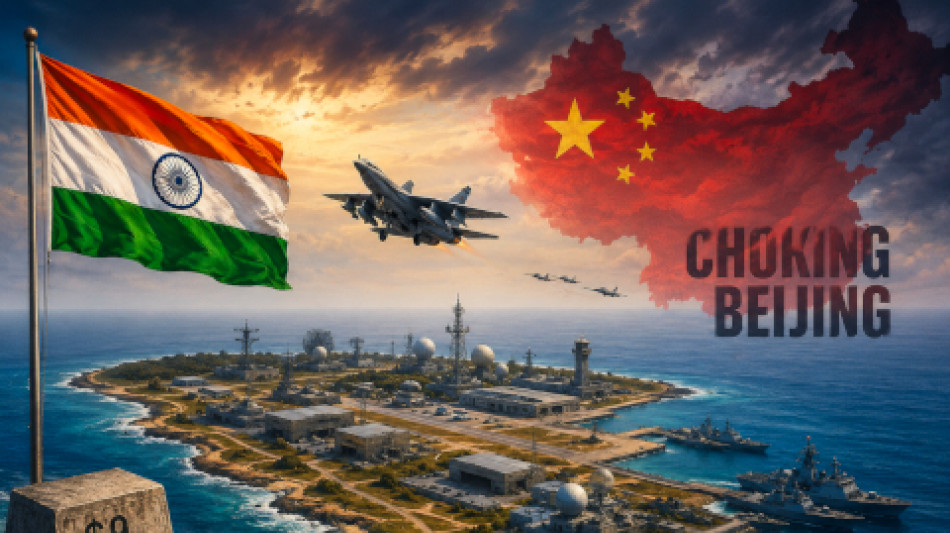
India's island choke point
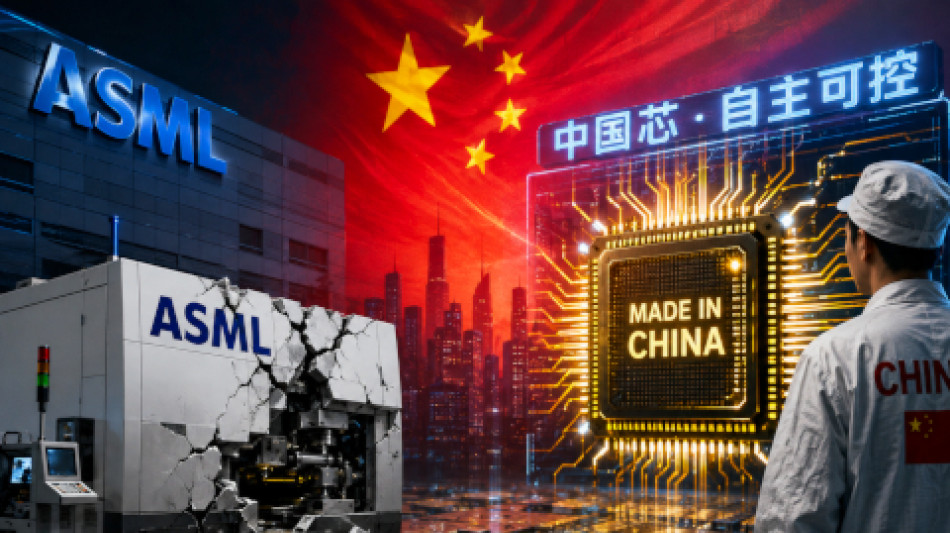
China’s lithography leap
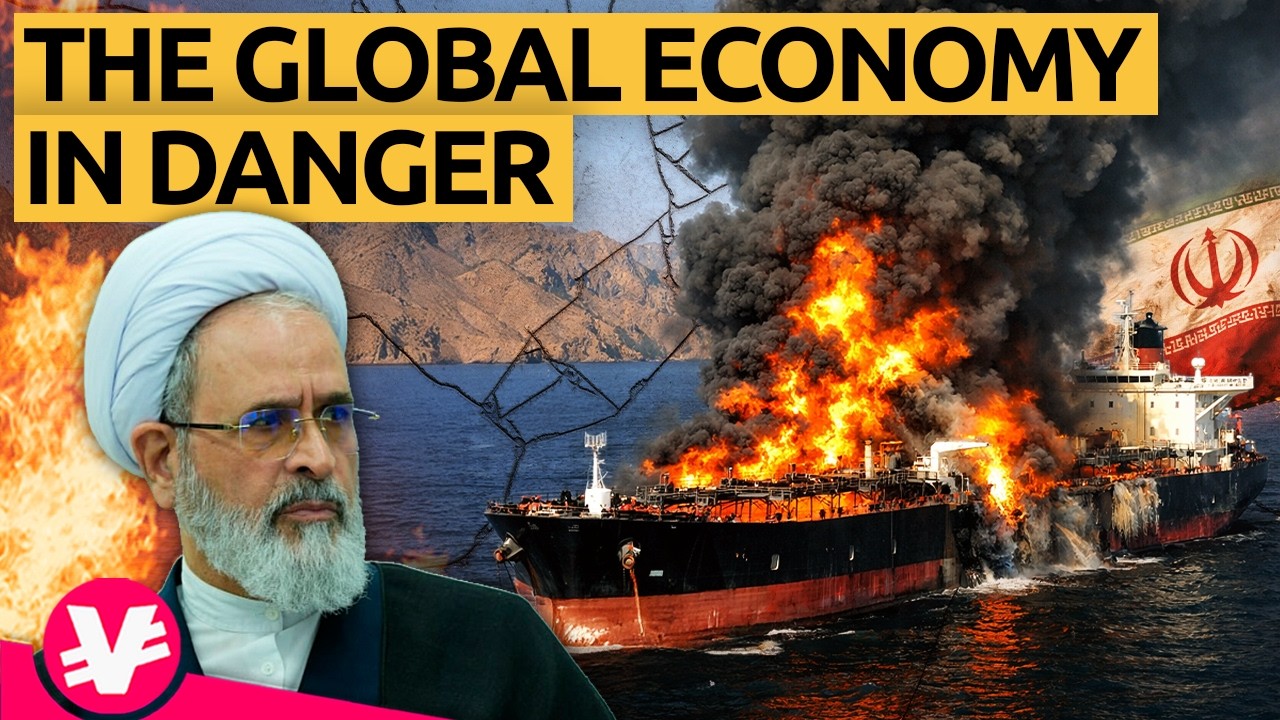
Hormuz Shock Risk rising
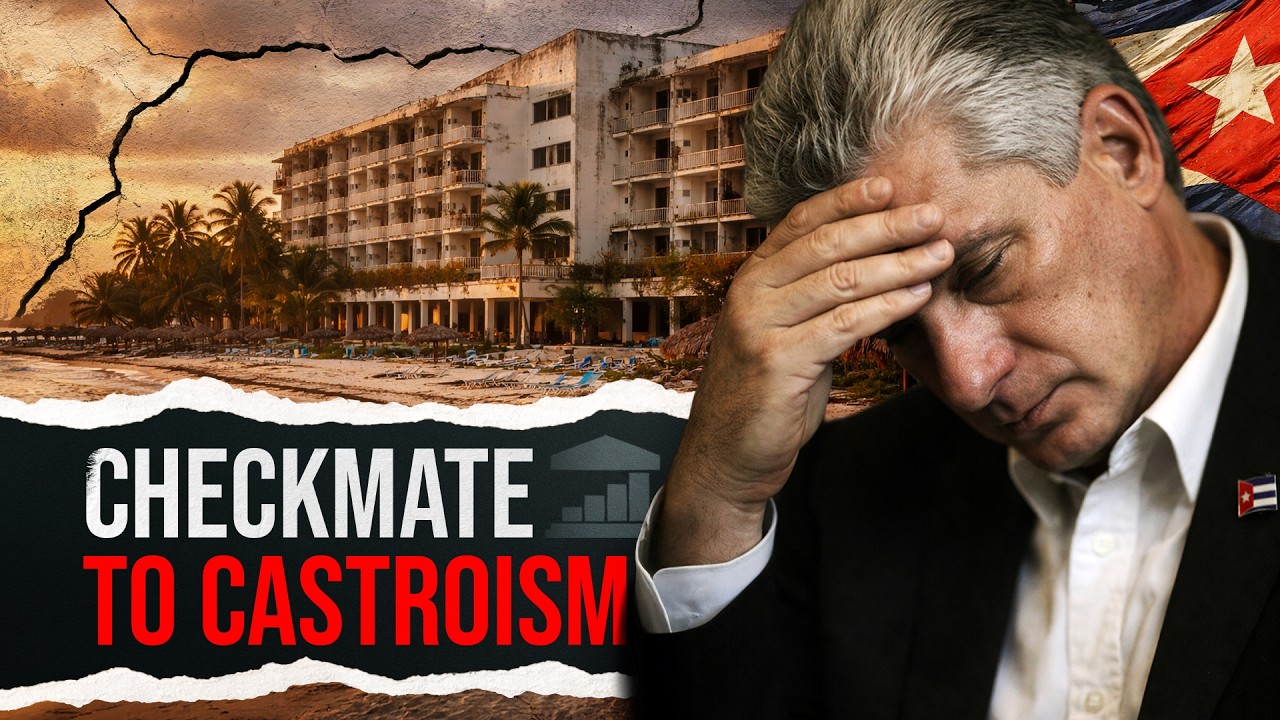
Cuba's golden Goose dies
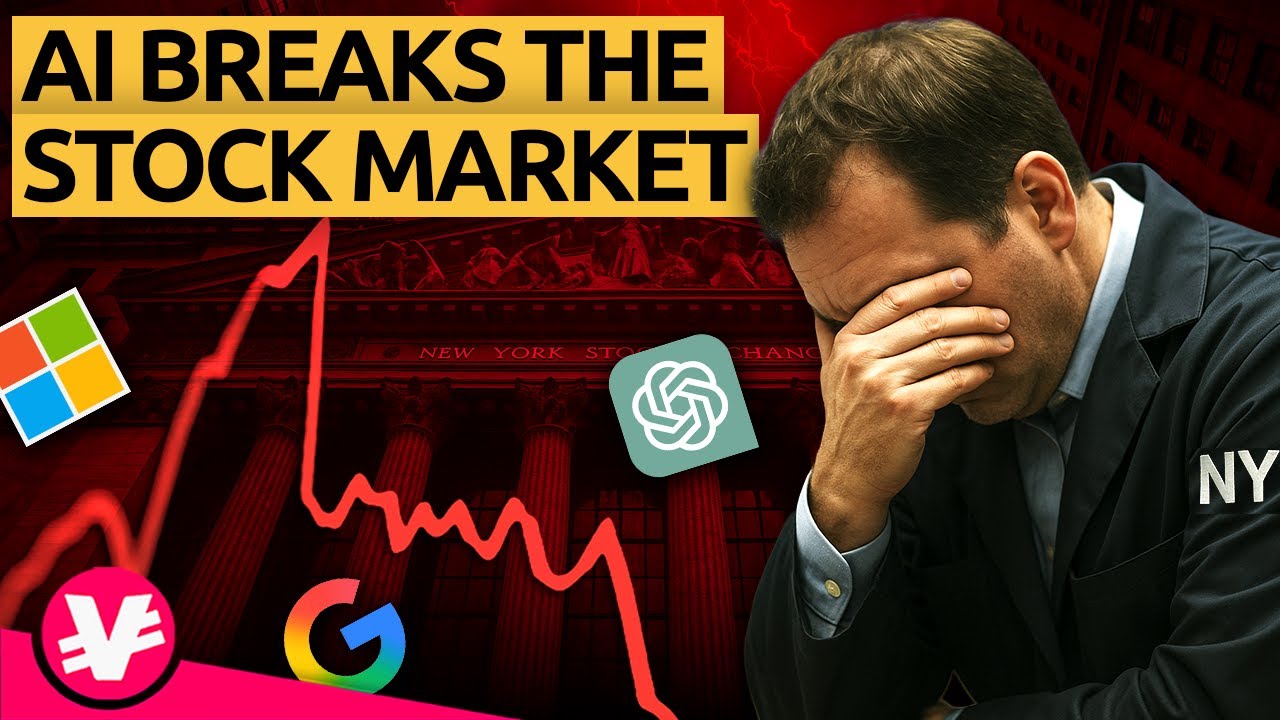
AI sparks Wall Street panic

EU misstep on mercosur Deal

Argentina reshapes oil

Power at the Heart of Iran