-
 Inside the Venezuelan prison meant to 'drive you insane'
-
Trump to tout deals, defend Iran war in UN speech

-
 UK king braces as memoir by Diana's brother goes on sale
-
Sri Lanka to issue verdict in landmark Easter attack trial

-
 No green light to lift EU sanctions on Russian oligarchs, talks to resume
-
Macron says talks with Trump on Red Sea, Ukraine 'constructive'

-
 UK agrees support for Saudi in struggle with Houthis: reports
-
Green policies just good politics, says UK minister

-
 EU foreign policy chief calls for continued sanctions on Russia
-
Bardot auction in Paris fetches nearly one million euros

-
 Flights scrapped, evacuations urged as Typhoon Dujuan wallops Japan
-
No timeline on Daniels injury return, says Commanders coach

-
 Fonseca to take break from tennis
-
British Columbia sues OpenAI in US court over Canada school shooting

-
 A Cuban zoo, and its animals, in epic battle for survival
-
French star Batum retires after 18-year NBA career

-
 Infantino proposes consulting federations to reform FIFA
-
Zidane leads first France training session

-
 El Nino weather pattern enters record territory: scientist
-
Man shot by ICE agent in Texas detained with bullet inside him: lawyer
-
 OpenAI calls for US to lead global effort on AI standards
-
California declares state of emergency ahead of El Nino
-
 South African ostriches plucked alive for luxury fashion: report
-
South Africa arrests three more suspects, after nine women murdered

-
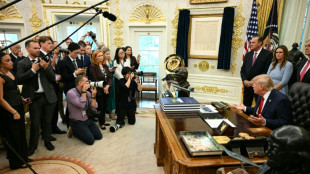 US networks halt Trump coverage in revolt over White House ban
-
Carse needs time away from England, says captain Brook

-
 Paramount settles with US states to clear Warner Bros. mega-merger
-
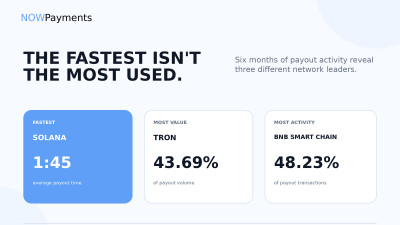
NOWPayments Releases Cross-Chain Payout Data Revealing Key Performance Benchmarks Across TRON, BNB Chain, and Solana
-
 Climate crisis a job for world leaders, not just activists: UK FM
-
British Museum bans photos of Bayeux Tapestry as crowds linger

-
 US networks halt Trump coverage over White House ban
-
COP31 host says AI climate footprint to be a summit priority
-
 French singer accuses Miley Cyrus of plagiarism
-
Berlin's far-left vote winners reject anti-semitism charges

-
 EU fines Google 403 mn euros for location data breach
-
Mancini eager for 'new adventure' on Italy return

-
 'Best is yet to come,' says De la Fuente after Spain extension
-
Mbappe says having Zidane as France coach 'like a film'

-
 Why diesel prices are rising more than crude oil
-
Palmer, Rice out of England Nations League squad

-
 COP31 host says AI's climate footprint to be a summit priority
-
German auto workers stage mass protests in bid to save jobs

-
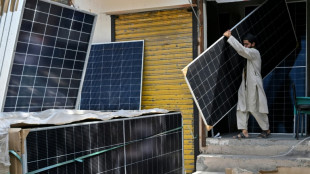 Renewables hit record in 2025, but world must move faster: report
-
Embattled Merz vows to keep ruling for 'democratic future' of Germany

-
 US media outlets to sue Trump administration after White House ban
-
Merz vows to keep ruling coalition together for 'democratic future' of Germany

-
 Global stocks rally on lower oil prices, US-China hopes
-
Spain coach De la Fuente gets new deal after World Cup success

-
 EU proposes energy rating for data centres
-
Pressure grows on Germany's Merz after election defeats

Venezuela braces after Strike
The first kinetic U.S. strike aimed at a suspected cartel vessel departing Venezuela has jolted the region and pushed Caracas onto a war-footing. In Washington, officials frame the action as a necessary escalation in a broader campaign against transnational crime. In Caracas, leaders denounce it as a pretext for intervention. Between these poles lies a volatile mix of military signaling, legal ambiguity, and the risk of miscalculation.
In the early hours of this week’s operation, a U.S. Navy asset destroyed a speedboat that American officials said was transporting narcotics and crewed by members of a violent gang with roots in Venezuela. The attack, which killed multiple occupants, marked a departure from the long-standing pattern of maritime interceptions and arrests in the Caribbean. It was a strike designed to deter—and to advertise a new threshold.
Inside the United States, the move sits within a sharper doctrine: treating major Latin American criminal organizations as terrorist entities and, when judged necessary, applying military force beyond U.S. borders. Recent designations and rhetoric have been used to justify an expanded toolset—sanctions, asset freezes, forward deployments, and, now, lethal action at sea. Critics warn that such steps outpace statutory authorities and established international law. Supporters counter that cartels operate as militarized networks and should be met accordingly.
In the days following the strike, senior officials signaled that more operations are on the table. Additional U.S. aircraft have moved into the Caribbean theater, and planners are weighing options that range from intensified maritime interdiction to potential strikes on cartel infrastructure. The visible buildup—paired with high-profile statements from the White House—aims to deter trafficking networks and pressure Caracas to curb their reach.
Venezuela has answered with its own show of force. President Nicolás Maduro ordered troop surges to coastal and border states identified as smuggling corridors, while defense chiefs pledged large-scale counter-narcotics operations under national command. The message is twofold: sovereignty will be defended, and Caracas—not Washington—will police Venezuela’s territory and adjacent waters. The moves underscore how quickly an anti-cartel push can harden into state-to-state confrontation.
The legal terrain remains unsettled. Absent a specific congressional authorization for the use of force against Venezuela, and without a U.N. mandate, scholars question the durability of a self-defense rationale for strikes beyond interdiction at sea. Even advocates of a tougher line acknowledge that expanding targets inland would raise qualitatively different questions about sovereignty and escalation. The administration’s rebranding of counter-drug policy with overt military framing has amplified these debates at home and abroad.
Markets and migration add further complexity. Any spiral that interrupts Venezuelan oil logistics, triggers new sanctions rounds, or heightens insecurity could reverberate across regional energy flows and displacement patterns. Neighboring states, wary of spillover violence and politicized migration surges, are urging restraint even as they cooperate on interdiction and financial tracking. Early diplomatic readouts suggest quiet shuttle efforts to prevent misreads at sea from becoming catalyst events.
For now, the strategic picture is clear enough. Washington has crossed a visible line with a highly publicized strike meant to reset cartel risk-reward calculations. Caracas has mobilized to signal resolve and control. Both sides are testing how far they can push without tipping into a broader clash. The coming weeks—defined by whether operations stay offshore, how each side messages its red lines, and whether third countries can shape rules of engagement—will determine if this “first strike” becomes an inflection point or an isolated warning shot.

How Swiss Stocks tamed Prices
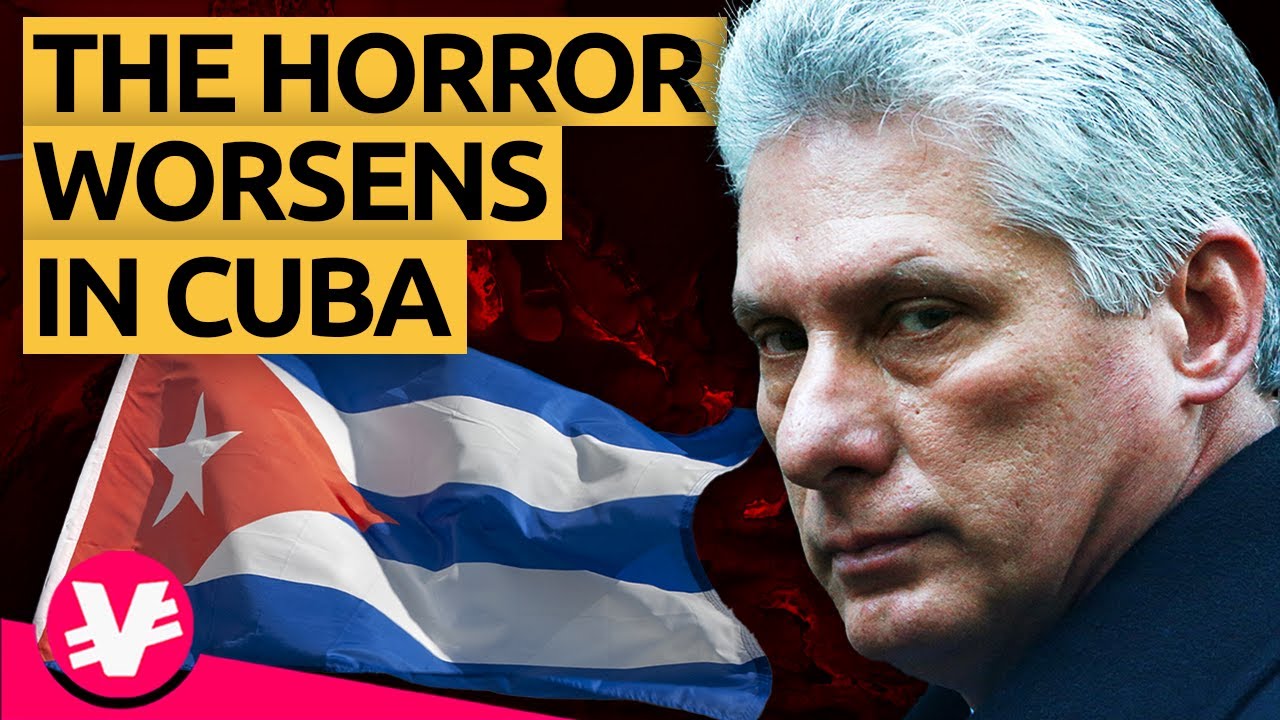
Cuba's hunger Crisis deepens
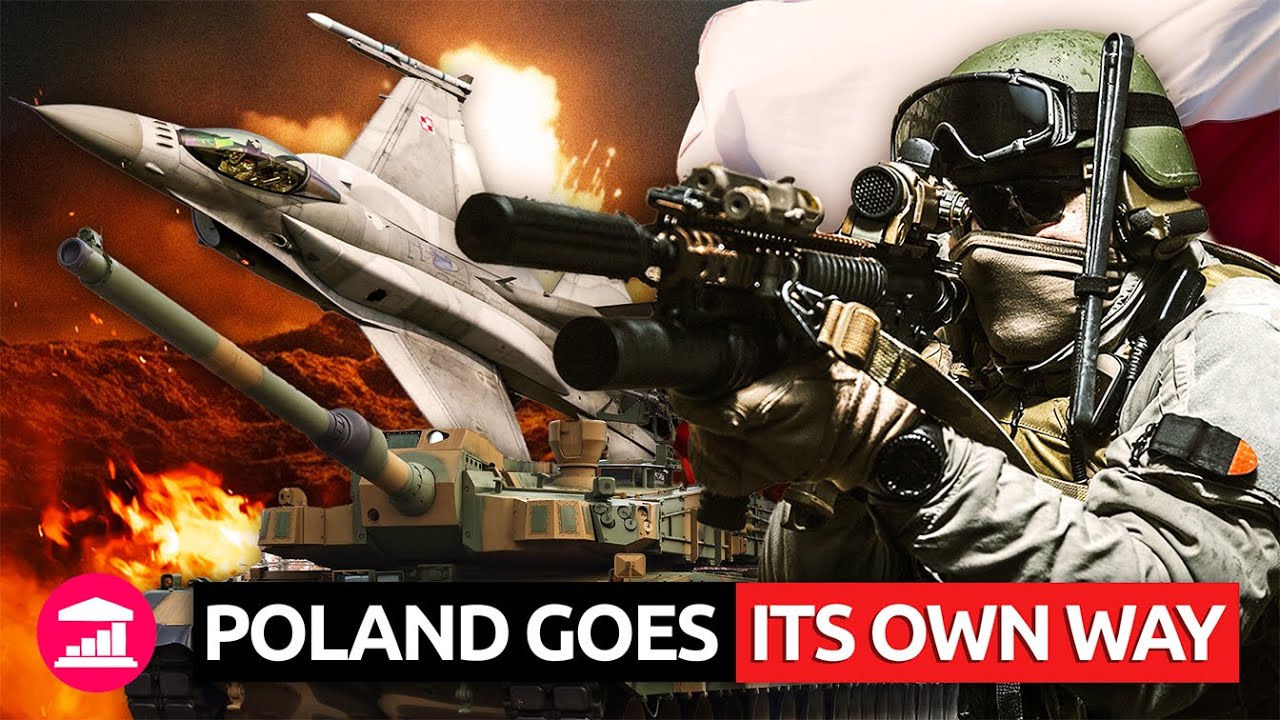
Poland trusts only hard Power

Tanks in Gaza - Hopes dim?

Rare Earth Standoff
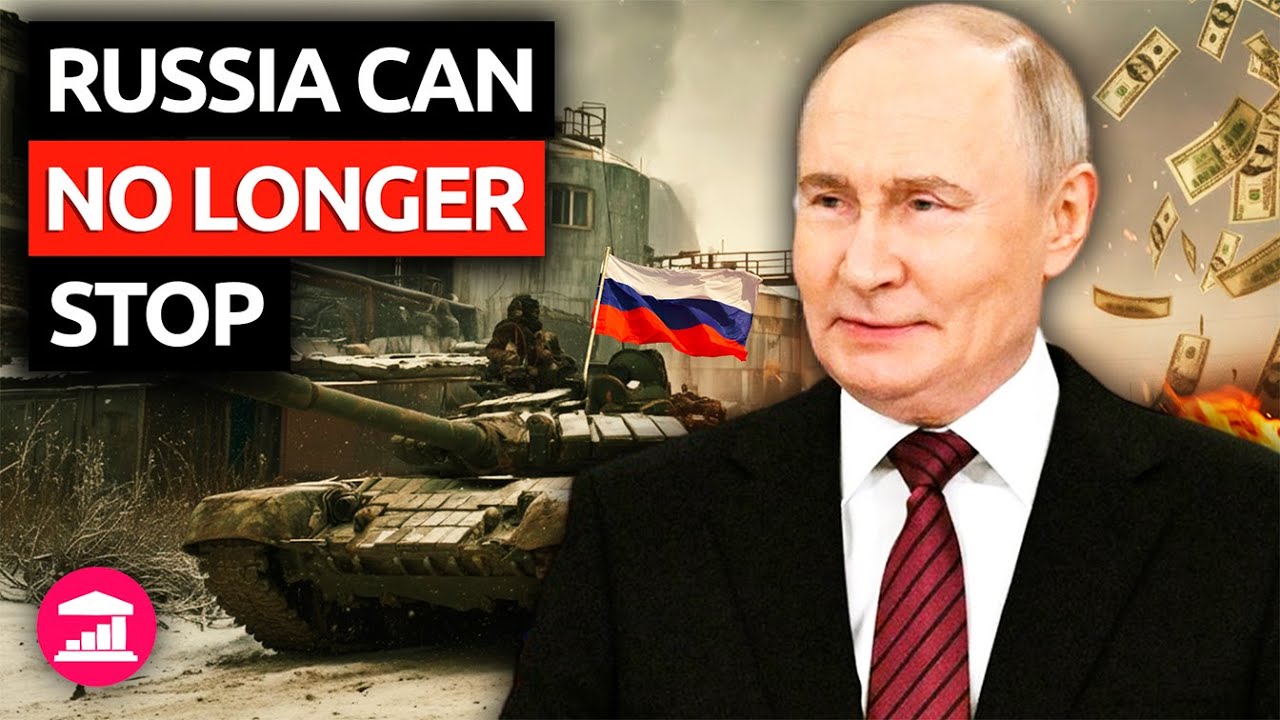
Why Russia can’t end war
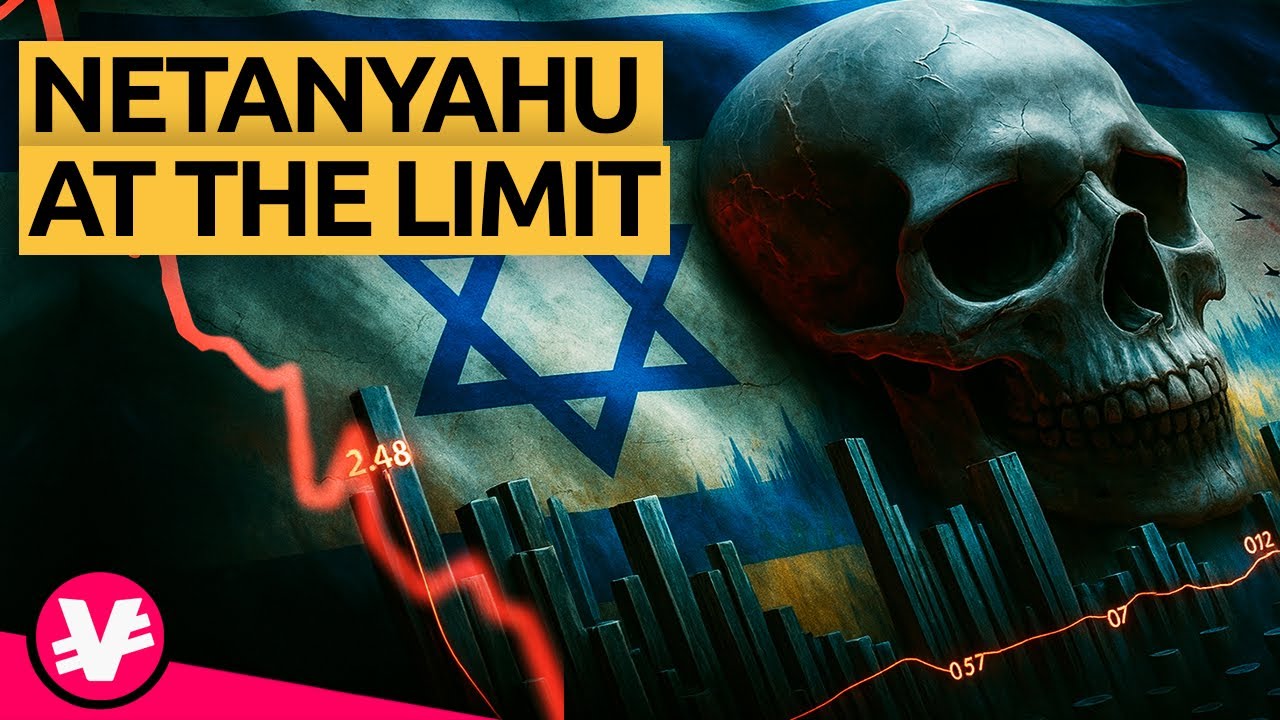
Israel: Economy on the edge
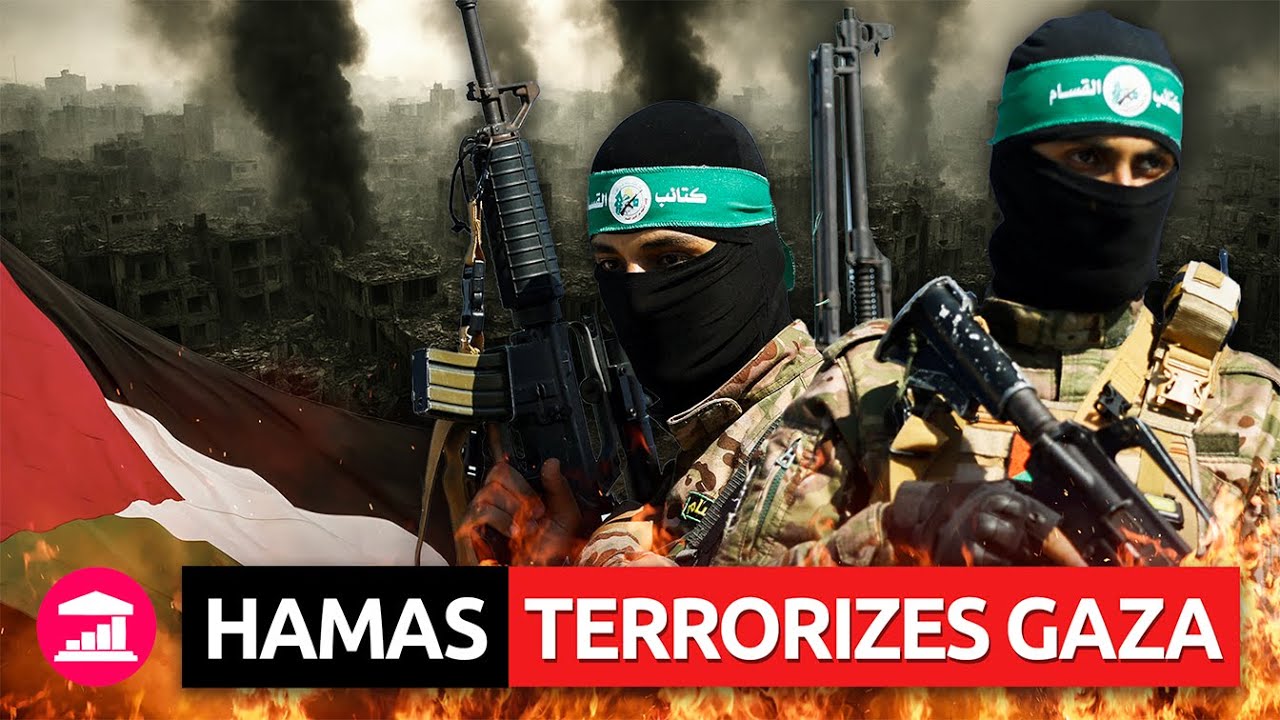
Gaza on the cusp of civil war

The Fall of South Korea?

A new vision for Japan
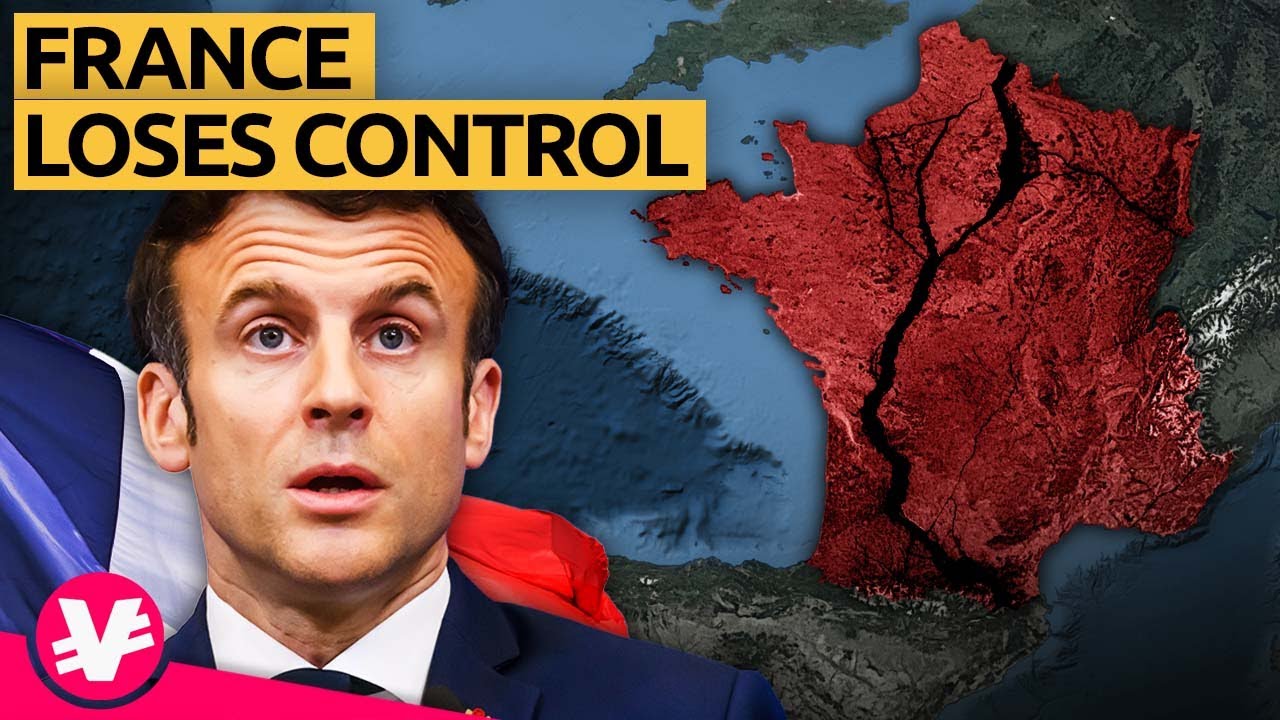
Pension crisis engulfs France