-
 Bardot auction in Paris fetches nearly one million euros
-
Flights scrapped, evacuations urged as Typhoon Dujuan wallops Japan

-
 No timeline on Daniels injury return, says Commanders coach
-
Fonseca to take break from tennis

-
 British Columbia sues OpenAI in US court over Canada school shooting
-
A Cuban zoo, and its animals, in epic battle for survival

-
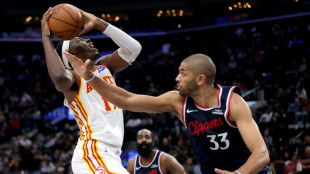 French star Batum retires after 18-year NBA career
-
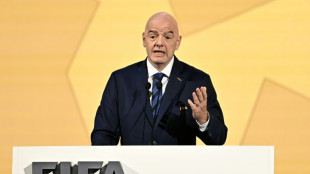
Infantino proposes consulting federations to reform FIFA
-
 Zidane leads first France training session
-
El Nino weather pattern enters record territory: scientist

-
 Man shot by ICE agent in Texas detained with bullet inside him: lawyer
-
OpenAI calls for US to lead global effort on AI standards

-
 California declares state of emergency ahead of El Nino
-
South African ostriches plucked alive for luxury fashion: report

-
 South Africa arrests three more suspects, after nine women murdered
-
US networks halt Trump coverage in revolt over White House ban

-
 Carse needs time away from England, says captain Brook
-
Paramount settles with US states to clear Warner Bros. mega-merger

-
 NOWPayments Releases Cross-Chain Payout Data Revealing Key Performance Benchmarks Across TRON, BNB Chain, and Solana
-
Climate crisis a job for world leaders, not just activists: UK FM

-
 British Museum bans photos of Bayeux Tapestry as crowds linger
-
US networks halt Trump coverage over White House ban
-
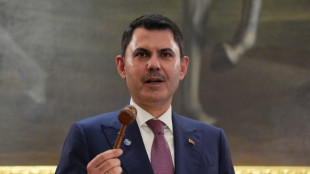 COP31 host says AI climate footprint to be a summit priority
-
French singer accuses Miley Cyrus of plagiarism

-
 Berlin's far-left vote winners reject anti-semitism charges
-
EU fines Google 403 mn euros for location data breach

-
 Mancini eager for 'new adventure' on Italy return
-
'Best is yet to come,' says De la Fuente after Spain extension

-
 Mbappe says having Zidane as France coach 'like a film'
-
Why diesel prices are rising more than crude oil
-
 Palmer, Rice out of England Nations League squad
-
COP31 host says AI's climate footprint to be a summit priority

-
 German auto workers stage mass protests in bid to save jobs
-
Renewables hit record in 2025, but world must move faster: report
-
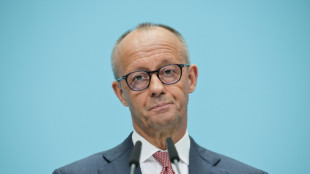 Embattled Merz vows to keep ruling for 'democratic future' of Germany
-
US media outlets to sue Trump administration after White House ban

-
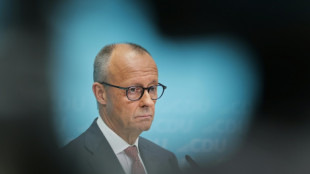 Merz vows to keep ruling coalition together for 'democratic future' of Germany
-
Global stocks rally on lower oil prices, US-China hopes

-
 Spain coach De la Fuente gets new deal after World Cup success
-
EU proposes energy rating for data centres
-
 Pressure grows on Germany's Merz after election defeats
-
Schoolgirl Yu scorches to second gold as doping case rocks Games

-
 China's Zhang beats Japan rivals to Asian Games gymnastics gold
-
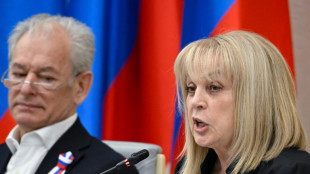
Putin's party secures record score in Russia election
-
 Samlingen Haupt: Vad pengar avslöjar om oss människor
-
Haupt Koleksiyonu: Paranın Biz İnsanlar Hakkında Anlattıkları

-
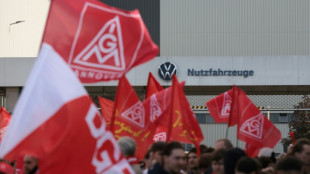 Tens of thousands of German auto workers protest to save jobs
-
Spanish PM says unregulated AI could be 'devastating'
-
 हॉप्त् कलेक्शन: पैसा हमारे बारे में एक इंसान के रूप में क्या प्रकट करता है
-
Yu, 13, smashes record again with second Asian Games gold

Tel Aviv’s Wartime rally
Israel’s equity benchmarks have climbed to fresh records even as the country wages simultaneous conflicts. The blue-chip index has advanced sharply in recent months, with the broader market notching new highs during intense geopolitical escalations. Gains accelerated after major security events in June and continued into September, leaving year-to-date performance near the top of the global league tables.
A market built for resilience. The Tel Aviv market is unusually heavy in banks, software, pharmaceuticals, and defense technology—sectors whose earnings are either globally diversified or directly insulated from domestic demand shocks. Banks benefit from still-elevated policy rates that support net interest margins, while leading software and cybersecurity names draw the majority of sales from overseas clients, muting local disruption. Defense contractors have logged outsized backlogs and new export orders as regional tensions lifted procurement cycles, translating quickly into revenue and earnings beats.
Policy cushions under the market. The central bank has held rates steady at 4.5% this year, balancing inflation control with financial-stability aims. That stance—combined with a well-telegraphed readiness to act in FX markets—has limited shekel volatility and anchored discount-rate assumptions in equity models. A more stable currency lowers the risk premia investors demand and supports multiples on exporters’ future cash flows.
War spending and external backstops. Wartime budgets channel orders into domestic defense supply chains and supporting services, while external security aid and strong diaspora/foreign flows mitigate balance-of-payments stress. For listed primes and tier-one suppliers, firm multi-quarter visibility on contracts reduces earnings uncertainty; investors price that visibility at a premium during crises. Recent quarterly results from a flagship defense name showed double-digit revenue and EPS growth alongside large new awards, reinforcing the thesis.
Sentiment mechanics: “buy bad news.” After initial drawdowns around major flare-ups, Israel’s market has often staged fast recoveries. Traders cite three dynamics: (1) systematic money returning once volatility spikes subside; (2) local pensions and provident funds averaging in on weakness; (3) foreign funds reassessing tail-risk after rapid, decisive military responses. That pattern was visible around the late-June strikes, when the main indices jumped across all five sessions and pushed to records.
Micro drivers: banks and defense lead, tech follows. Bank shares, a heavy index weight, re-rated on net interest income resilience and benign credit metrics. Defense stocks rallied on expanding backlogs and export deals; one leading contractor surged on earnings and a multi-billion-dollar award. Software and cyber names, with dollar-linked revenues, benefited from a firmer shekel and ongoing AI/digitization demand. Together, these groups offset pockets of weakness in domestically exposed small caps.
FX and rates as valuation levers. Equity multiples in Tel Aviv are sensitive to real yields and the ILS path. A steady policy rate and contained FX swings keep discount rates from ratcheting higher, while any signal of future cuts would, at the margin, lift present values for long-duration growth names. Central-bank communication this summer emphasized market stabilization alongside inflation convergence—guidance that helped compress risk premia.
boi.org.il
Global context: flows chase relative strength. In a year of choppy global equities, relative-momentum strategies and ETF rebalancing tend to channel flows into the best-performing markets. As Israel’s benchmarks outperformed, incremental passive and active allocations reinforced the move, pushing indices to successive highs. Daily print data in early September captured that continued grind higher.
What could stop the rally
- Escalation risk. A broader regional conflict that disrupts critical infrastructure or mobilization on a much larger scale would hit earnings expectations and risk appetite. Short, sharp flare-ups have been “buyable”; a drawn-out expansion may not be.
- Policy disappointment. A surprise tightening or a disorderly FX episode would lift discount rates and pressure valuations, especially in tech and rate-sensitive financials.
- Earnings air-pockets. If defense deliveries slip or banks guide to weaker credit growth/fees, the index’s two pillars wobble. Recent prints were strong but leave little room for execution errors.
- Valuation gravity. After a swift re-rating, some strategists warn momentum may outpace fundamentals; breadth indicators already flag froth in mid-caps. A modest pullback would not be surprising.
The bottom line
Israel’s stock surge is less a paradox than a reflection of market structure, policy buffers, and profit visibility in key sectors. Banks, software exporters, and defense suppliers can thrive even when domestic demand is strained; stable currency policy and predictable funding reinforce that resilience. The setup remains constructive while earnings and policy hold—yet highly sensitive to escalation, policy missteps, or an abrupt turn in global risk appetite.

This Summer experiences Romania first heatwave

Mike Pence: U.S. will continue to support Ukraine

Activists organise "flotilla" with aid for Gaza

Holy souls on display at 2024 Venice Biennale

Brussels, my Love? EU-Market "sexy" for voters?

The great Cause: Biden-Harris 2024

UN: Tackling gender inequality crucial to climate crisis

Scientists: "Mini organs" from human stem cells

ICC demands arrest of Russian officers

Europe and its "big" goals for clean hydrogen
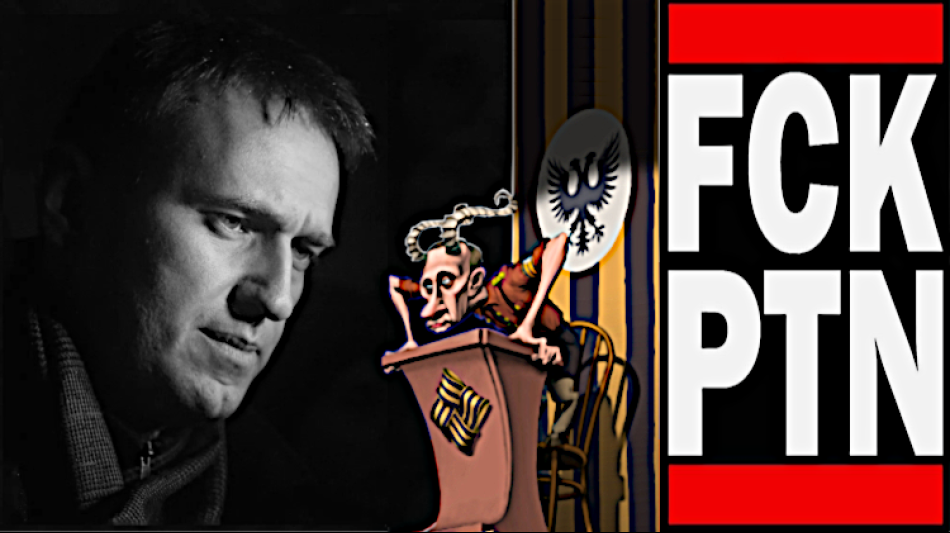
Putin and the murder of Alexei Navalny (47†)