-
 Rams bounce back as Giants reel from Dart injury
-
Shin Ohashi: Junk food-loving teen and Japan's next big swimming hope

-
 In Bangladesh, Pakistan's Jinnah photo stirs anger
-
Stocks rise on AI buzz, drop in oil prices

-
 Two New Zealand naval ships transit Taiwan Strait
-
China's robot dancers limber up for America's Got Talent final

-
 Zidane gets down to work as France start new era
-
Despite military might, Saudi struggles to crush the Houthis

-
 Inside the Venezuelan prison meant to 'drive you insane'
-
Trump to tout deals, defend Iran war in UN speech

-
 UK king braces as memoir by Diana's brother goes on sale
-
Sri Lanka to issue verdict in landmark Easter attack trial

-
 No green light to lift EU sanctions on Russian oligarchs, talks to resume
-
Macron says talks with Trump on Red Sea, Ukraine 'constructive'

-
 UK agrees support for Saudi in struggle with Houthis: reports
-
Green policies just good politics, says UK minister

-
 EU foreign policy chief calls for continued sanctions on Russia
-
Bardot auction in Paris fetches nearly one million euros

-
 Flights scrapped, evacuations urged as Typhoon Dujuan wallops Japan
-
No timeline on Daniels injury return, says Commanders coach

-
 Fonseca to take break from tennis
-
British Columbia sues OpenAI in US court over Canada school shooting

-
 A Cuban zoo, and its animals, in epic battle for survival
-
French star Batum retires after 18-year NBA career

-
 Infantino proposes consulting federations to reform FIFA
-
Zidane leads first France training session

-
 El Nino weather pattern enters record territory: scientist
-
Man shot by ICE agent in Texas detained with bullet inside him: lawyer

-
 OpenAI calls for US to lead global effort on AI standards
-
California declares state of emergency ahead of El Nino

-
 South African ostriches plucked alive for luxury fashion: report
-
South Africa arrests three more suspects, after nine women murdered

-
 US networks halt Trump coverage in revolt over White House ban
-
Carse needs time away from England, says captain Brook

-
 Paramount settles with US states to clear Warner Bros. mega-merger
-
NOWPayments Releases Cross-Chain Payout Data Revealing Key Performance Benchmarks Across TRON, BNB Chain, and Solana

-
 Climate crisis a job for world leaders, not just activists: UK FM
-
British Museum bans photos of Bayeux Tapestry as crowds linger

-
 US networks halt Trump coverage over White House ban
-
COP31 host says AI climate footprint to be a summit priority
-
 French singer accuses Miley Cyrus of plagiarism
-
Berlin's far-left vote winners reject anti-semitism charges

-
 EU fines Google 403 mn euros for location data breach
-
Mancini eager for 'new adventure' on Italy return

-
 'Best is yet to come,' says De la Fuente after Spain extension
-
Mbappe says having Zidane as France coach 'like a film'

-
 Why diesel prices are rising more than crude oil
-
Palmer, Rice out of England Nations League squad

-
 COP31 host says AI's climate footprint to be a summit priority
-
German auto workers stage mass protests in bid to save jobs

Milei suffers crushing Defeat
Argentina’s political earthquake arrived in its largest province. In Buenos Aires—home to roughly two out of every five Argentines and a third of national output—voters delivered a decisive rebuke to President Javier Milei’s libertarian experiment. The opposition’s double‑digit win there has redefined the battlefield ahead of the October 26 midterms and raised the most consequential question of Milei’s tenure: has the shock‑therapy project reached its political limits, or can it be reshaped to survive?
The weekend vote was more than a provincial skirmish. Buenos Aires Province is the bellwether of national mood, the place where governing coalitions are tested against kitchen‑table realities. Since taking office in December 2023, Milei has cut public spending, torn up regulations, and promised to “chainsaw” a bloated state. The promise was stabilization and a return to growth. The reality, for now, is disinflation alongside recessionary pain—and a public impatient with the trade‑offs.
The defeat capped a brutal week in Congress. Senators in a rare show of cross‑party force overturned the president’s veto of an emergency law for people with disabilities, the first time lawmakers have reversed a veto in his term. That vote exposed a governing weakness that polls had long foreshadowed: with only a small minority in the legislature, the administration needs allies to pass—or defend—its agenda. Without them, vetoes can be overridden and decrees can be struck down, turning executive maximalism into legislative stasis.
The economic fallout was immediate. Investors who had priced in a tighter race in Buenos Aires marked down Argentine assets: the peso slid, local stocks tumbled, and dollar bonds sank. Those moves do not merely reflect skittish traders; they speak to a deeper concern about policy durability. Stabilization plans succeed when markets, businesses, and households believe governments can stick with them through the next election. A double‑digit loss in the country’s biggest province—on the eve of national midterms—casts doubt on that belief.
Yet the macro scoreboard holds genuine wins. Monthly inflation, once galloping, is now down to the low single digits, with August clocking in at 1.9% and the annual rate falling to the mid‑30s—its lowest in years. That is not trivial in a country battered by recurring price spirals. But stabilization has not felt like relief. Unemployment climbed earlier this year, real wages are fragile, and public services—from universities to hospitals—have become flashpoints in street politics and Senate votes alike. In short, disinflation without growth has proved a hard sell.
Politically, the map is shifting. The Peronist opposition emerges emboldened and more unified in the province that most shapes national outcomes. Moderate center‑right blocs, kingmakers on pivotal bills, now see greater leverage in demanding changes to the government’s approach. Meanwhile, the administration is fending off an ethics storm tied to the disability agency that, regardless of legal outcomes, has further complicated coalition building. Governance in Argentina has always been a game of arithmetic; after Buenos Aires, the numbers look harsher for the Casa Rosada.
Milei’s response has been defiance and focus. He scrapped a high‑profile foreign trip and insisted the program will not retreat “one millimeter.” That message shores up his core base—and markets like clarity—but it also hardens the lines with potential legislative partners who bristle at being bulldozed. If the government wants to avoid paralysis, it faces a strategic choice: continue governing by confrontation, or translate a movement into a coalition that can last beyond a single news cycle.
What would a survivable version of the project look like? First, a pivot from chainsaw to scalpel: prioritize a handful of reforms with broad support (tax rationalization, simplification of import/export rules, and credible, rules‑based monetary policy) over sprawling omnibus fights that unify the opposition. Second, institutionalize the stabilization: codify fiscal rules, improve budget transparency, and pre‑agree social floors (for disability benefits, school meals, essential medicines) that take the sting out of austerity. Third, build a minimum viable coalition: offer procedural concessions in Congress and genuine co‑ownership of reforms to centrists who can deliver votes and legitimacy.
None of this is guaranteed. The midterms on October 26 could narrow or widen the path. A better‑than‑expected result for the ruling party would reduce veto risks and revive momentum; a worse‑than‑expected outcome would turn the next year into a trench war of vetoes, court challenges, and market flare‑ups. In either case, Argentina does not need to “fail again.” It needs a version of reform that is less theatrical and more durable—a politics that trades viral moments for legislative math.
The Buenos Aires result was a verdict on pace, priorities, and tone. It was not a binding judgment on whether Argentina must choose between stabilization and dignity. The question now is whether the president can adjust his method without abandoning his aim—turning a shock into a strategy, and a plurality into a governing majority. If he can, the project may yet outlast the week’s defeat. If he cannot, the defeat may define the project.

Orban and Putin's Shadow Deal

Saudi Arabia's Economic Crisis

Iran: Allies abandoned

Israel-Iran: USA Strikes

Israel's War on Iran's Ayatollahs

Europe’s arms money maze

Germany under Weidel
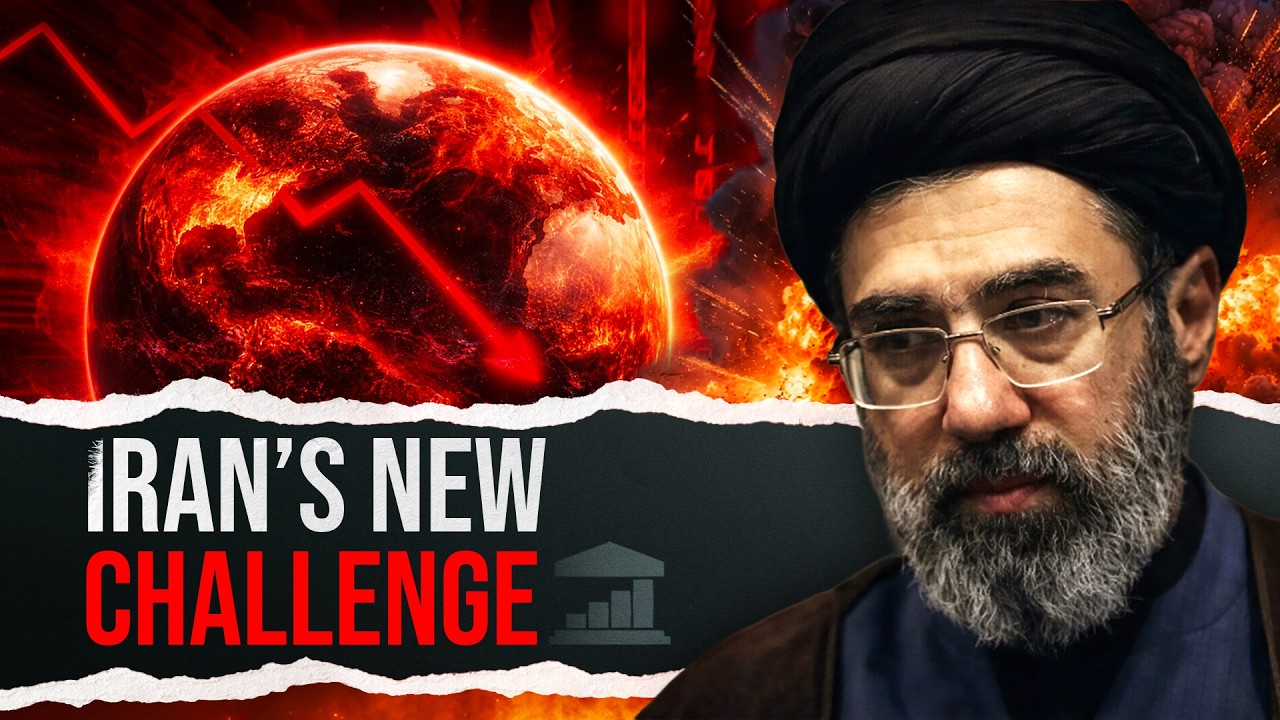
Iran-War and dangerous Lines

30 Days to Save the Economy?

Cuban regime nears collapse
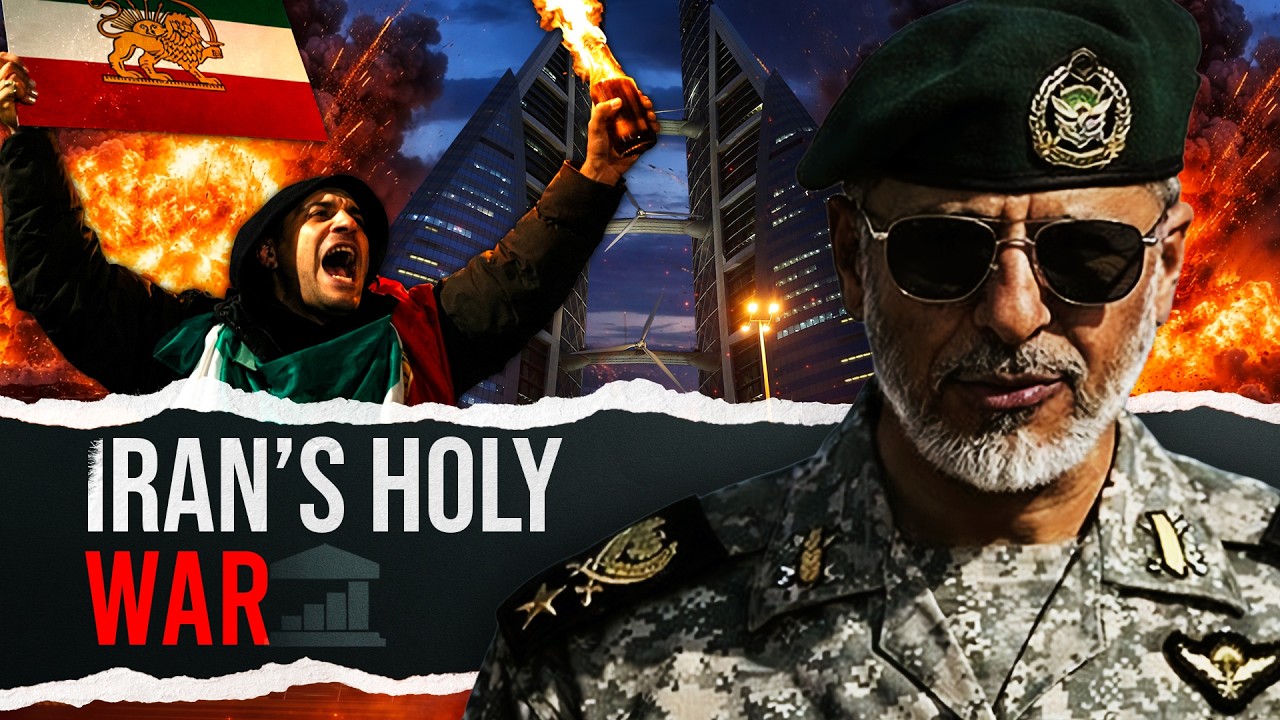
Iran and the holy War risk