-
 Typhoon Dujuan leaves four dead in Japan, 45,000 houses without power
-
Swimming prodigy Yu, 13, says 'interviews way harder than racing'

-
 G7 leaders condemn Houthi strikes on Saudi Arabia
-
Star coaches make their bows as Nations League returns

-
 Google data centre sparks protests in Austria
-
Rams bounce back as Giants reel from Dart injury

-
 Shin Ohashi: Junk food-loving teen and Japan's next big swimming hope
-
In Bangladesh, Pakistan's Jinnah photo stirs anger

-
 Stocks rise on AI buzz, drop in oil prices
-
Two New Zealand naval ships transit Taiwan Strait
-
 China's robot dancers limber up for America's Got Talent final
-
Zidane gets down to work as France start new era
-
 Despite military might, Saudi struggles to crush the Houthis
-
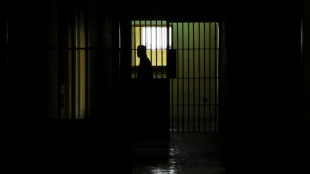
Inside the Venezuelan prison meant to 'drive you insane'
-
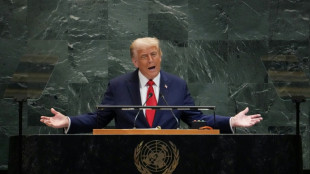 Trump to tout deals, defend Iran war in UN speech
-
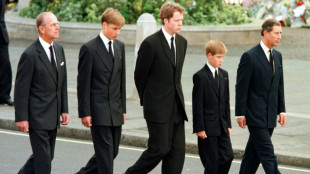
UK king braces as memoir by Diana's brother goes on sale
-
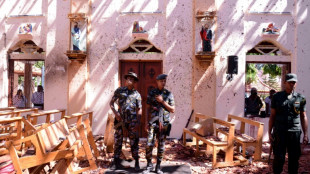 Sri Lanka to issue verdict in landmark Easter attack trial
-
Akkodis and Hamburg Public Transport Association Showcase hvv mia at InnoTrans 2026, Demonstrating the Future of AI-Powered Mobility
-
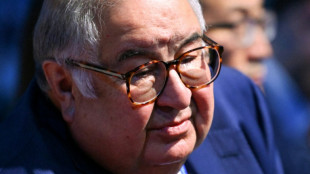 No green light to lift EU sanctions on Russian oligarchs, talks to resume
-
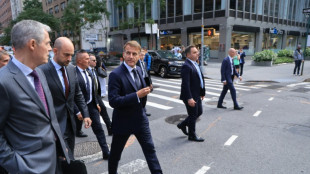
Macron says talks with Trump on Red Sea, Ukraine 'constructive'
-
 UK agrees support for Saudi in struggle with Houthis: reports
-
Green policies just good politics, says UK minister

-
 EU foreign policy chief calls for continued sanctions on Russia
-
Bardot auction in Paris fetches nearly one million euros

-
 Flights scrapped, evacuations urged as Typhoon Dujuan wallops Japan
-
No timeline on Daniels injury return, says Commanders coach

-
 Fonseca to take break from tennis
-
British Columbia sues OpenAI in US court over Canada school shooting

-
 A Cuban zoo, and its animals, in epic battle for survival
-
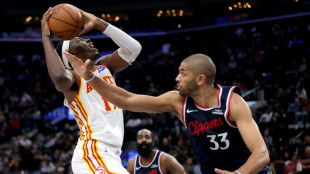
French star Batum retires after 18-year NBA career
-
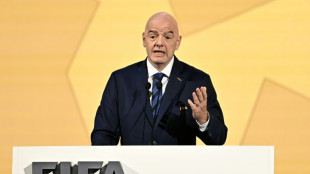 Infantino proposes consulting federations to reform FIFA
-
Zidane leads first France training session

-
 El Nino weather pattern enters record territory: scientist
-
Man shot by ICE agent in Texas detained with bullet inside him: lawyer

-
 OpenAI calls for US to lead global effort on AI standards
-
California declares state of emergency ahead of El Nino

-
 South African ostriches plucked alive for luxury fashion: report
-
South Africa arrests three more suspects, after nine women murdered

-
 US networks halt Trump coverage in revolt over White House ban
-
Carse needs time away from England, says captain Brook

-
 Paramount settles with US states to clear Warner Bros. mega-merger
-
NOWPayments Releases Cross-Chain Payout Data Revealing Key Performance Benchmarks Across TRON, BNB Chain, and Solana

-
 Climate crisis a job for world leaders, not just activists: UK FM
-
British Museum bans photos of Bayeux Tapestry as crowds linger

-
 US networks halt Trump coverage over White House ban
-
COP31 host says AI climate footprint to be a summit priority
-
 French singer accuses Miley Cyrus of plagiarism
-
Berlin's far-left vote winners reject anti-semitism charges
-
 EU fines Google 403 mn euros for location data breach
-
Mancini eager for 'new adventure' on Italy return

The Fall of South Korea?
On 3 December 2024 the unthinkable happened in Seoul. President Yoon Suk Yeol, stung by allegations of corruption and facing sliding approval ratings, issued a midnight proclamation of martial law. He deployed special forces around the National Assembly and attempted to suspend the constitution. Video footage of parliamentarians climbing over fences, riot police blocking the legislature and helicopters circling above shocked the nation. Within hours, however, the attempted emergency rule collapsed. Lawmakers across party lines defied the order, reconvened under heavy security and voted unanimously to annul the decree. Enormous street protests erupted, demanding the restoration of democracy and Yoon’s resignation. By early morning the president rescinded his decree and insisted he had simply wanted to protect the state.
The crisis did not end there. The opposition-led parliament impeached Yoon nine days later and refused to allow him back into office. In April 2025 the Constitutional Court unanimously upheld the impeachment, citing an unlawful attempt to paralyse the constitution. South Korea’s institutions thus repelled the first attempted coup in its modern democratic era. A snap presidential election took place on 3 June 2025. Lee Jae‑myung, a social democratic opposition leader, won with nearly half of the vote and turnout approaching 80 %. He pledged to heal the rifts caused by the upheaval, strengthen the rule of law and place the country back on a steady course. In his inauguration speech he called the failed coup a “watershed moment” that proved citizens’ commitment to democracy.
Trade friction, not collapse
The political upheaval came against a backdrop of intense trade negotiations between Seoul and Washington. Former U.S. president Donald Trump returned to the White House in January 2025 and revived his campaign promise to rebalance trade with allies. In a phone call with president‑elect Lee in June 2025 he insisted on higher tariffs on South Korean vehicle exports and demanded that Seoul finance most of a proposed $350 billion investment fund for critical minerals. South Korea argued that such sums were unaffordable and offered phased funding instead. Negotiations stalled over Washington’s insistence on control over the fund.
Contrary to claims of a trade breakdown, exports recovered. By October 2025 South Korea’s shipments were growing again, buoyed by strong demand for semiconductors and ships. A compromise deal reached on 29 October limited U.S. tariffs on South Korean vehicles to 15 % and split investment flows to protect Korea’s currency. This partially defused tensions, though negotiations on the investment fund continued. South Korean companies accelerated diversification of markets to ASEAN countries and Europe, while domestic stimulus cushioned households from higher import prices.
Alliance strains and abandonment fears
Episodes outside the trade talks fuelled fears that Washington was abandoning Seoul. In February 2025 U.S. immigration officers raided a battery factory jointly owned by Hyundai and LG in Georgia and detained over 300 South Korean technicians for alleged visa violations. The images of handcuffed engineers sparked outrage at home and calls for Seoul to invest more in its own nuclear deterrent. The fiasco came after Trump had publicly complained that South Korea was “unstable” and should pay more for stationing U.S. troops. Policymakers in Seoul worried that ambiguous statements about troop reductions could invite provocations from North Korea and China.
Analysts caution that such fears often stem from misunderstandings rather than policy shifts. U.S. defence officials reiterated America’s security commitment and quietly increased joint exercises in the spring of 2025. Think‑tank studies noted that changes in the U.S. force posture should be accompanied by other deployments to reassure allies. President Lee has doubled down on the alliance and sought to deepen security cooperation with Japan and NATO. While domestic voices call for strategic autonomy, there is no evidence that the United States is planning a withdrawal.
Resilience instead of collapse
The narrative of South Korea’s “fall” exaggerates and conflates real challenges. The attempted coup was thwarted within hours by constitutional institutions and mass mobilisation. The political crisis led to a lawful impeachment and free election, demonstrating democratic resilience. Trade friction with the United States has been bruising, but it has not upended South Korea’s export‑driven economy or its role in supply chains. Even at the height of negotiations, U.S. troops remained on the peninsula and the two governments reaffirmed their mutual defence treaty.
South Korea faces serious questions about inequality, an ageing population, and dependence on exports. Yet rather than collapsing, it has adapted through political renewal and pragmatic economic policy. Early signs suggest that president Lee’s government is stabilising domestic politics, diversifying trade and working to rebuild trust with Washington. The “fall” narrative obscures a more nuanced reality: a vibrant democracy navigating turmoil, emerging chastened but intact.

Power at the Heart of Iran
Cuba Strangled by US Pressure
U.S. Jobs stall, gdp slows
Iran's revenge rewired
Israel presses Tehran
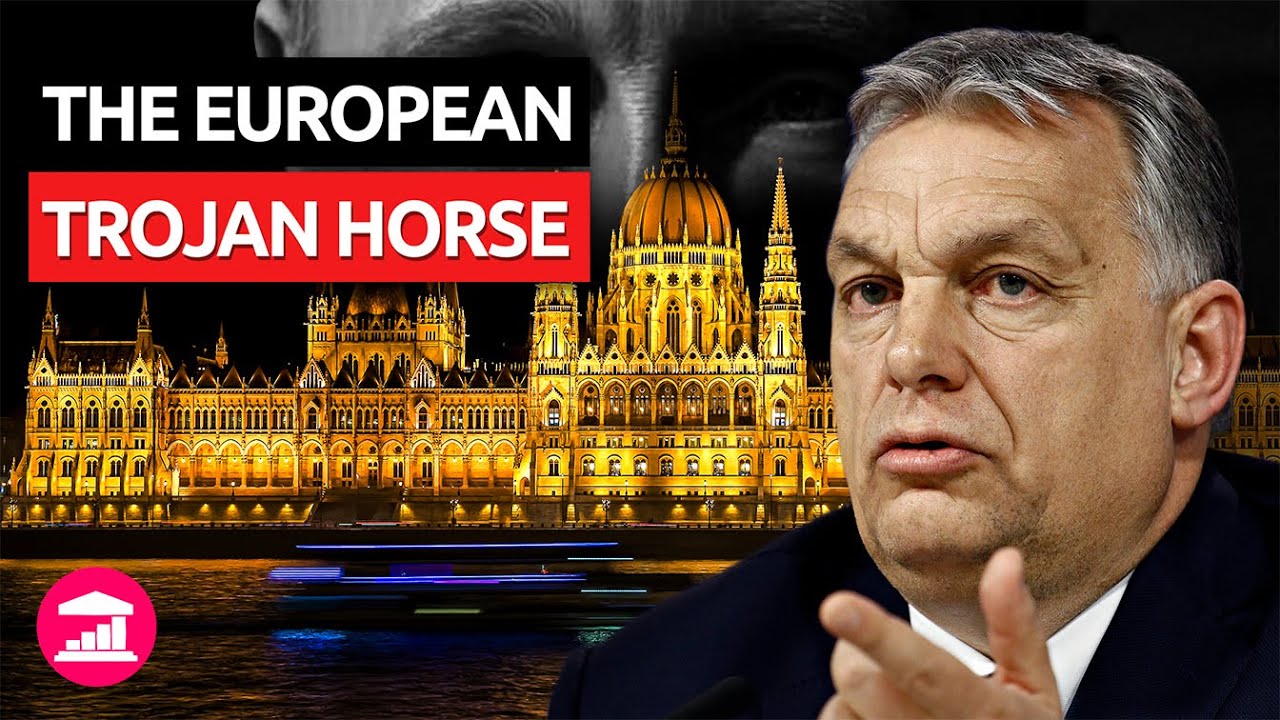
Orban and Putin's Shadow Deal
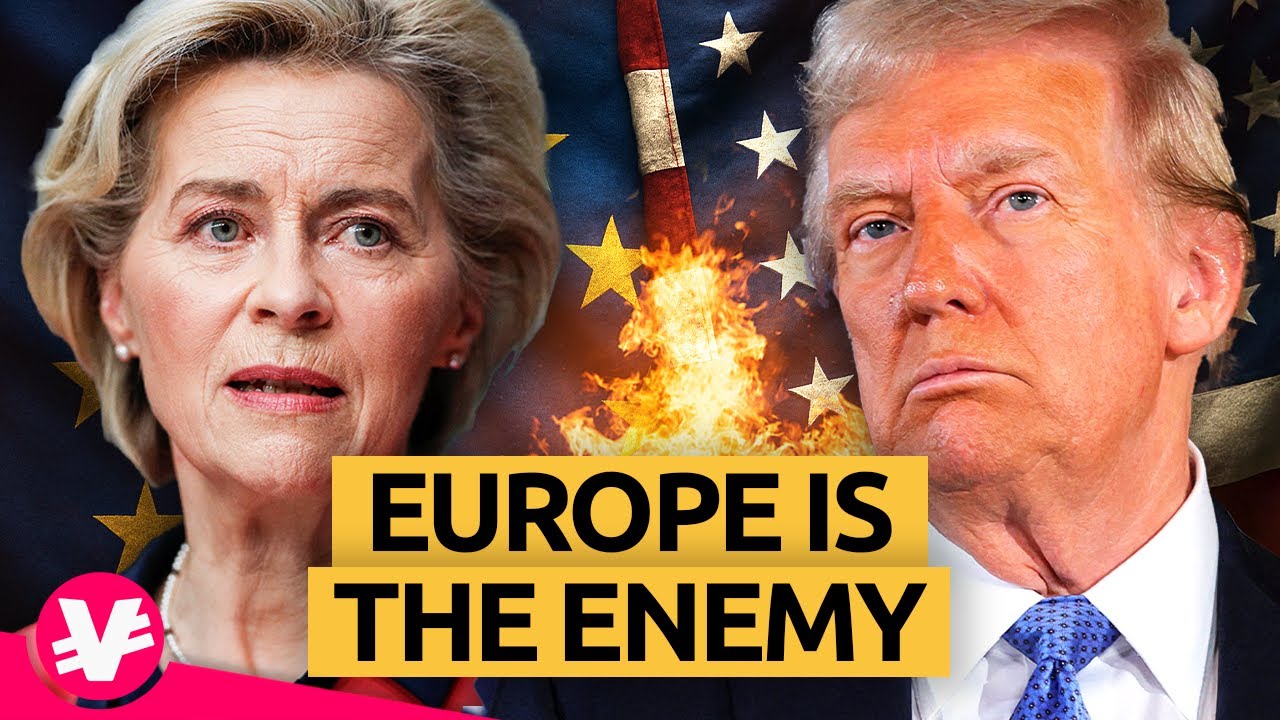
Trump’s 50% tariffs on europe
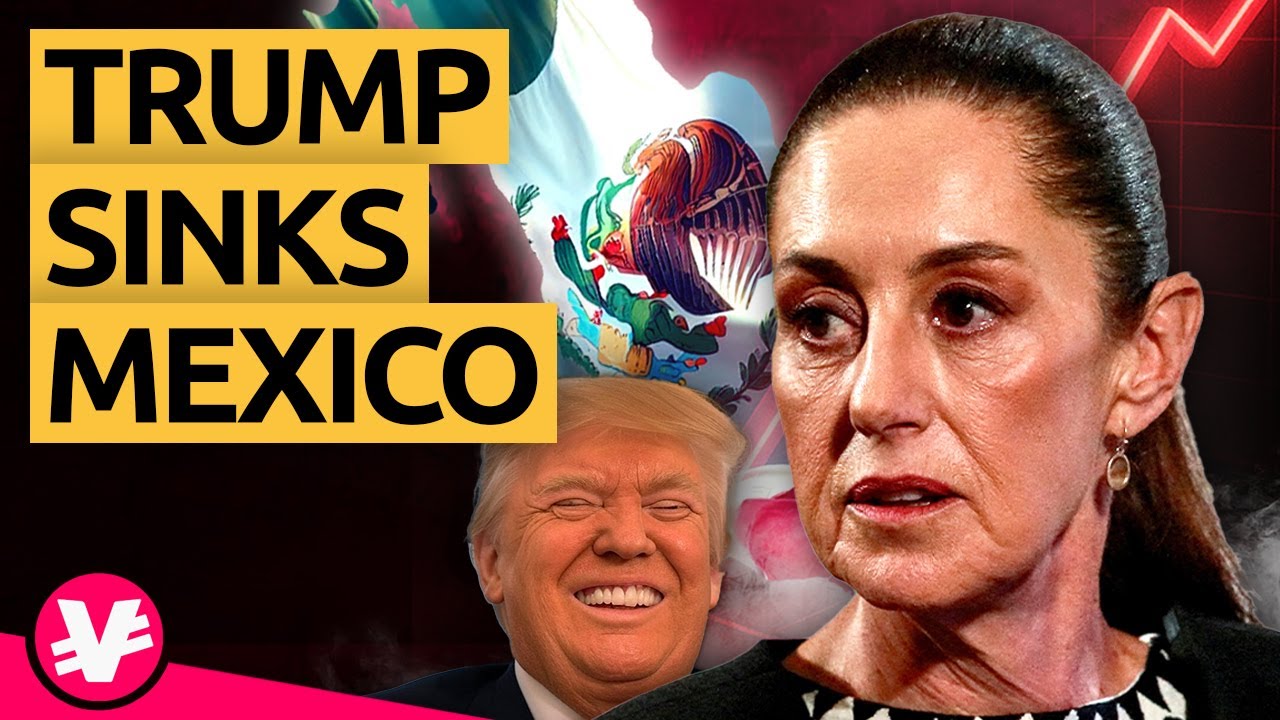
Trump's Tariffs Batter Mexico

Euro Challenges Dollar's Reign
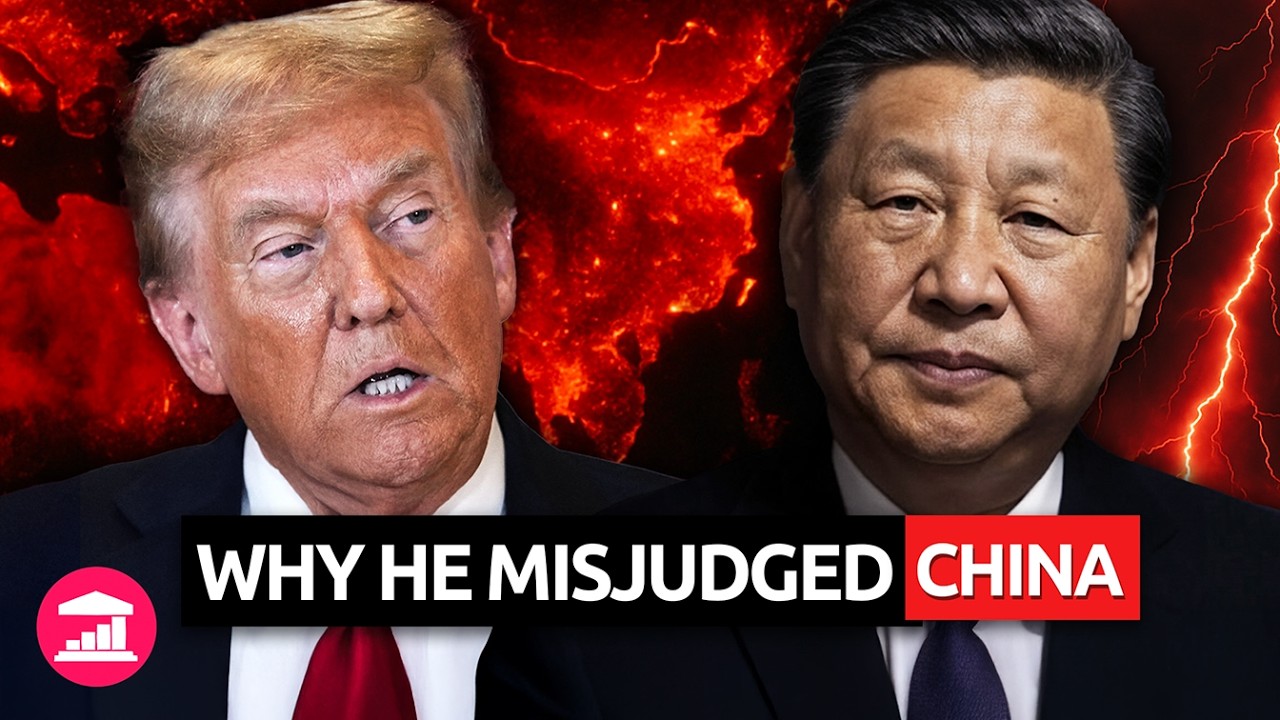
US tariff dispute: No winner
Zelensky's trap for Putin