
-
 How to Watch the Rugby League World Cup Final on 7plus for Free
-
Women's Asian Champions Trophy 2026 in Bhopal Revives Hockey Legacy

-
 Kayla Harrison Defeats Amanda Nunes via Submission at UFC 334
-
California GOP Faces Near-Extinction After 2026 Midterms; Calls for New Vision

-
 GTA 6 Advertising Strategy and Disc Version Controversy
-
St Francis School Leads €60,000 EU Project to Transform Early Childhood Education

-
 From First Date to Wedding Day: How a TV Quote Sparked a Lifetime Commitment
-
South Africa's Universal Health Coverage Depends on Tackling Poverty and Inequality

-
 Malta Stuns Sweden with Late Penalty Comeback in Rugby Europe Trophy
-
Rare Siberian Rubythroat Dies in UK Garden After Cat Attack

-
 BingX: Major Announcement of Far-Reaching Significance
-
Go Kyung-pyo Drunk Driving Incident Prompts Heavy Editing Across Multiple TV Shows

-
 Élan Opens as Late-Night Wine Bar in Honolulu
-
KFF Health News Reporters Discuss ACA Enrollment Challenges, Rising Costs, and Measles Risks

Al-Qaida’s growing ambitions
In recent years, Al‑Qaida has quietly restructured and expanded key elements of its network — from training camps and regional affiliates in Afghanistan and beyond, to renewed focus on propaganda and recruitment through modern communications. This resurgence, though still fragmented, increasingly suggests that Al-Qaida is laying groundwork not only for sporadic terror attacks, but for establishing durable footholds which could evolve into de facto zones of control — a development that should alarm European security institutions.
Once seen as largely diminished with the removal of high-profile leadership, Al-Qaida has demonstrated remarkable resilience. Its decentralized “network of networks” model enables local affiliates and loosely connected cells to operate with considerable autonomy, while still drawing ideological coherence and logistical support from the core. This model lowers entry barriers for local militant groups inspired by its ideology — a subtle but potent evolution from the classic “top-down” terror organization.
Moreover, Al-Qaida’s adoption of new technologies complicates detection. Terrorist actors increasingly rely on encrypted platforms, the dark web, and even generative-AI tools to recruit, radicalize and coordinate operations. This digital shift enables remote radicalization and planning, reducing the need for physical sanctuaries — but also masking activities from traditional intelligence and law-enforcement scrutiny.
Regions of instability — such as parts of the Middle East, North Africa, and the Sahel — have become fertile ground for Al-Qaida’s expansion. These zones, often neglected in public discourse, now serve as incubators for networks that may aim to export influence, operatives, or refugees toward Europe. Historical experience shows that even small cells — when radicalized, organized, and motivated — can inflict damage beyond their geographical origins.
For Europe, the threat lies not only in headline-grabbing terror attacks, but in the gradual erosion of security through infiltration, radicalization, sleeper-cells, and covert networks. Should Al-Qaida succeed in consolidating territories or safe havens, the challenge would shift from reactive counterterrorism to a strategic struggle over long-term stability.
Now more than ever, European governments and institutions must treat Al-Qaida as a dynamic, evolving network — not a relic of the past. Proactive, coordinated efforts in intelligence-sharing, deradicalization, monitoring of migration flows, and disruption of online propaganda are crucial. Ignoring the signs of Al-Qaida’s silent reorganization would be a dangerous gamble: the consequences could redefine Europe’s security landscape for decades.
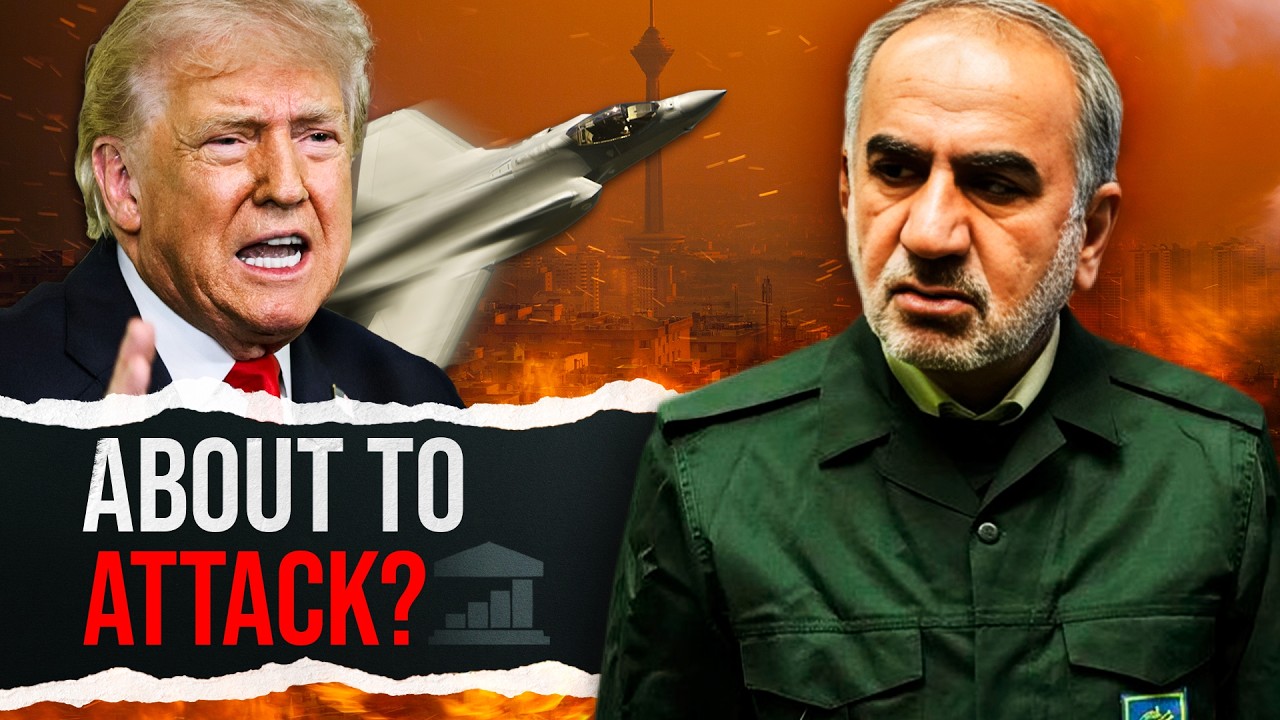
Strike fears rise over Iran

U.S. Jobs stall, gdp slows

Japan’s right‑turn triumph

Iran and the holy War risk

Calm or Chaos: Iran’s reach
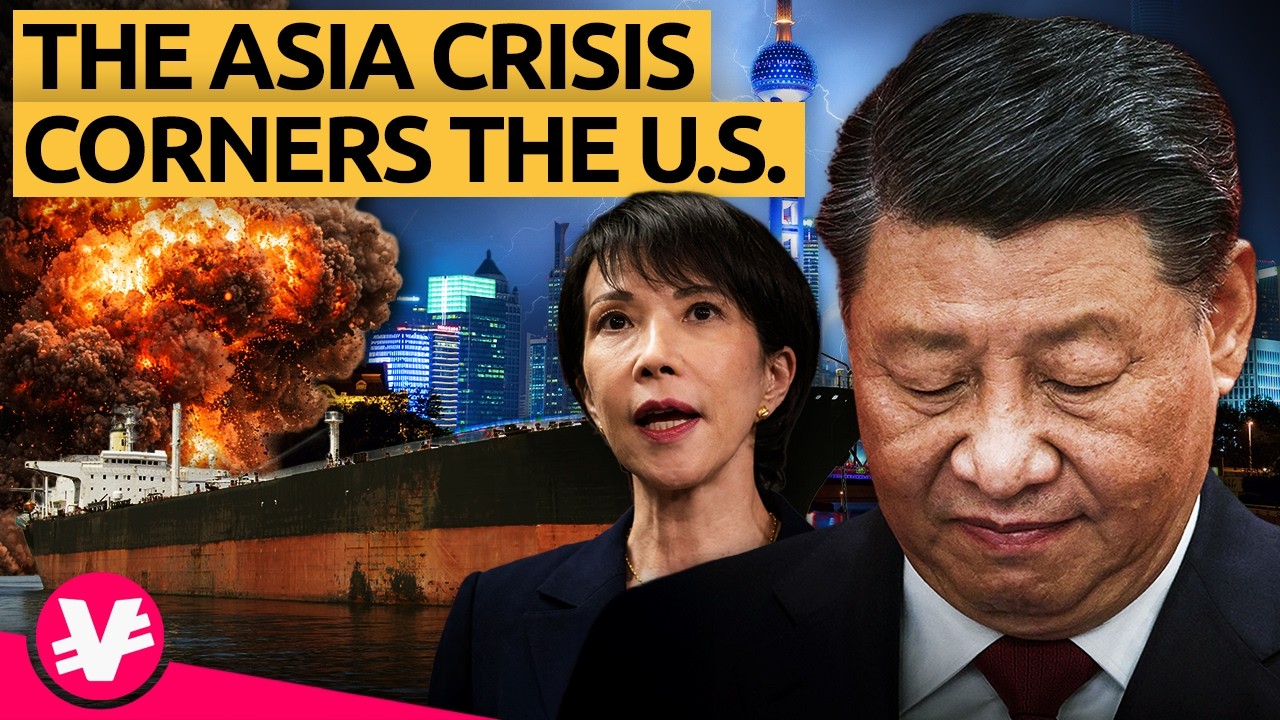
Trump fears Asia's oil shock

China’s lithography leap

Miracle in Germany: VW soars

Poland trusts only hard Power

How Swiss Stocks tamed Prices

Why Nepal is burning



