-
 Bardot auction in Paris fetches nearly one million euros
-
Flights scrapped, evacuations urged as Typhoon Dujuan wallops Japan

-
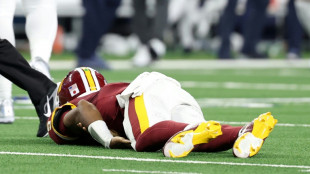 No timeline on Daniels injury return, says Commanders coach
-
Fonseca to take break from tennis

-
 British Columbia sues OpenAI in US court over Canada school shooting
-
A Cuban zoo, and its animals, in epic battle for survival

-
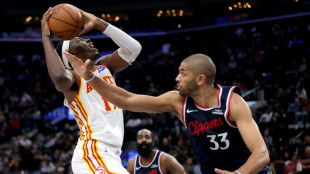 French star Batum retires after 18-year NBA career
-
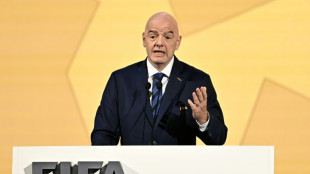
Infantino proposes consulting federations to reform FIFA
-
 Zidane leads first France training session
-
El Nino weather pattern enters record territory: scientist
-
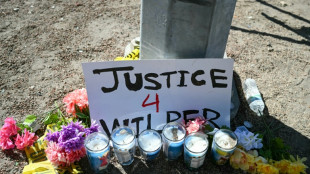 Man shot by ICE agent in Texas detained with bullet inside him: lawyer
-
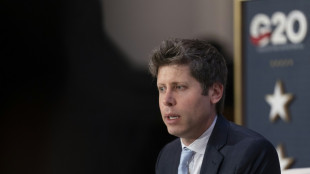
OpenAI calls for US to lead global effort on AI standards
-
 California declares state of emergency ahead of El Nino
-
South African ostriches plucked alive for luxury fashion: report

-
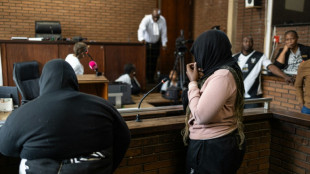 South Africa arrests three more suspects, after nine women murdered
-
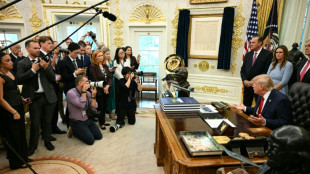
US networks halt Trump coverage in revolt over White House ban
-
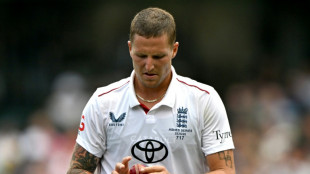 Carse needs time away from England, says captain Brook
-
Paramount settles with US states to clear Warner Bros. mega-merger
-
 NOWPayments Releases Cross-Chain Payout Data Revealing Key Performance Benchmarks Across TRON, BNB Chain, and Solana
-
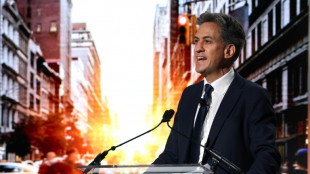
Climate crisis a job for world leaders, not just activists: UK FM
-
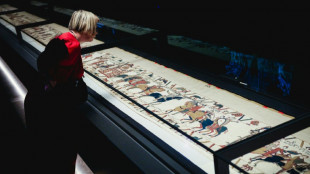 British Museum bans photos of Bayeux Tapestry as crowds linger
-
US networks halt Trump coverage over White House ban
-
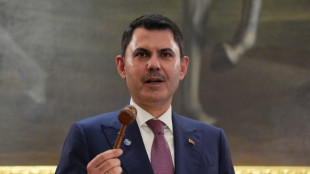 COP31 host says AI climate footprint to be a summit priority
-
French singer accuses Miley Cyrus of plagiarism

-
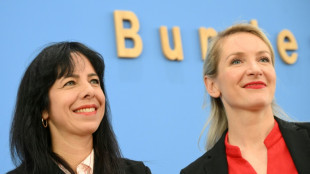 Berlin's far-left vote winners reject anti-semitism charges
-
EU fines Google 403 mn euros for location data breach

-
 Mancini eager for 'new adventure' on Italy return
-
'Best is yet to come,' says De la Fuente after Spain extension

-
 Mbappe says having Zidane as France coach 'like a film'
-
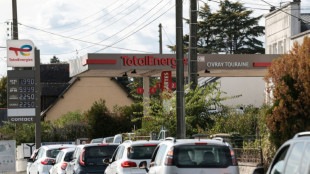
Why diesel prices are rising more than crude oil
-
 Palmer, Rice out of England Nations League squad
-
COP31 host says AI's climate footprint to be a summit priority
-
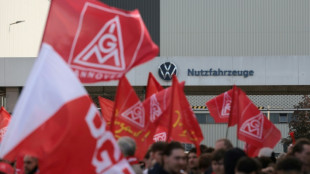 German auto workers stage mass protests in bid to save jobs
-
Renewables hit record in 2025, but world must move faster: report
-
 Embattled Merz vows to keep ruling for 'democratic future' of Germany
-
US media outlets to sue Trump administration after White House ban

-
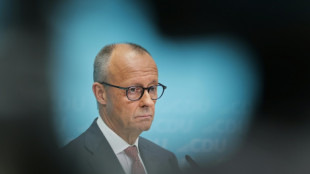 Merz vows to keep ruling coalition together for 'democratic future' of Germany
-
Global stocks rally on lower oil prices, US-China hopes
-
 Spain coach De la Fuente gets new deal after World Cup success
-
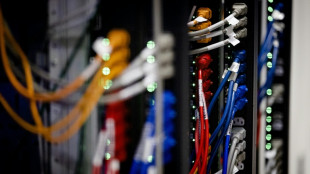
EU proposes energy rating for data centres
-
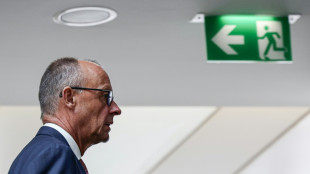 Pressure grows on Germany's Merz after election defeats
-
Schoolgirl Yu scorches to second gold as doping case rocks Games

-
 China's Zhang beats Japan rivals to Asian Games gymnastics gold
-
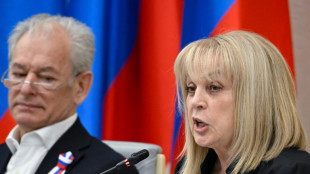
Putin's party secures record score in Russia election
-
 Samlingen Haupt: Vad pengar avslöjar om oss människor
-
Haupt Koleksiyonu: Paranın Biz İnsanlar Hakkında Anlattıkları

-
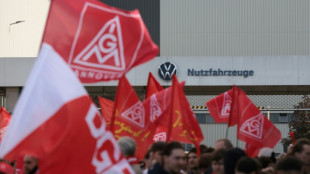 Tens of thousands of German auto workers protest to save jobs
-
Spanish PM says unregulated AI could be 'devastating'

-
 हॉप्त् कलेक्शन: पैसा हमारे बारे में एक इंसान के रूप में क्या प्रकट करता है
-
Yu, 13, smashes record again with second Asian Games gold

Saudi shift shakes Israel
Saudi Arabia has initiated a series of strategic decisions that are quietly but fundamentally altering the balance of power in the Middle East. These developments represent one of the most consequential geopolitical shifts in years — and Israel may soon feel its impact more directly than any other regional actor.
Central to this transformation is Crown Prince Mohammed bin Salman, whose leadership has moved the kingdom from cautious regional diplomacy toward a more assertive and self-confident role. Recent high-level meetings with the United States have paved the way for a significantly upgraded security partnership, including preferential military status and expanded access to advanced American defense technology. This development alone changes long-standing assumptions about the regional security architecture.
At the same time, Saudi Arabia’s long-discussed normalization with Israel remains theoretically possible — but under conditions that have changed dramatically. Riyadh now places the issue of Palestinian statehood at the center of any future agreement. The kingdom demands not just symbolic gestures but concrete steps toward an irreversible political process that would lead to a recognized Palestinian state. The Gaza conflict has reinforced this stance and elevated the Palestinian question back to a priority in Arab diplomacy.
For Israel, this shift generates several strategic concerns:
1. Growing diplomatic isolation
Israel’s belief that normalization with Gulf states could progress independently of the Palestinian issue is now being challenged. Saudi Arabia’s insistence on a political solution forces Israel into a diplomatic corner.
2. Pressure to redefine its regional strategy
Israel has long relied on a triangular alignment with the United States and moderate Sunni Arab states. The new U.S.–Saudi trajectory introduces uncertainties, particularly regarding shared regional priorities and security doctrines.
3. Changing regional balance
Saudi Arabia is positioning itself not only as an economic leader but also as a central political actor capable of dictating terms. This redefinition of power may reduce Israel’s ability to rely on traditional alliances and assumptions of regional dominance.
4. Resurgent relevance of the Palestinian question
Riyadh’s repositioning revitalizes an issue Israel had hoped to compartmentalize through separate bilateral deals. Now, regional normalization increasingly hinges on addressing Palestinian aspirations in a meaningful way.
Analysts warn that these changes are not temporary. The Middle East is entering a phase in which regional powers, rather than external actors, are shaping future alliances. Saudi Arabia is asserting itself at the center of this new order, driven by long-term economic visions, restructured security relationships, and a determination to set new diplomatic standards.
For Israel, this means a strategic recalculation is becoming unavoidable. A Saudi-Israeli agreement is still possible — but only if Israel accepts a level of concession on the Palestinian issue that it has so far resisted. Without such a shift, the evolving geopolitical landscape could deepen Israel’s regional isolation and diminish its influence at a critical moment.
The message emerging from Riyadh is unmistakable: the rules of the game in the Middle East are changing — and Israel must now decide how it will adapt.

Scandic Coin, (SNC) and Trust
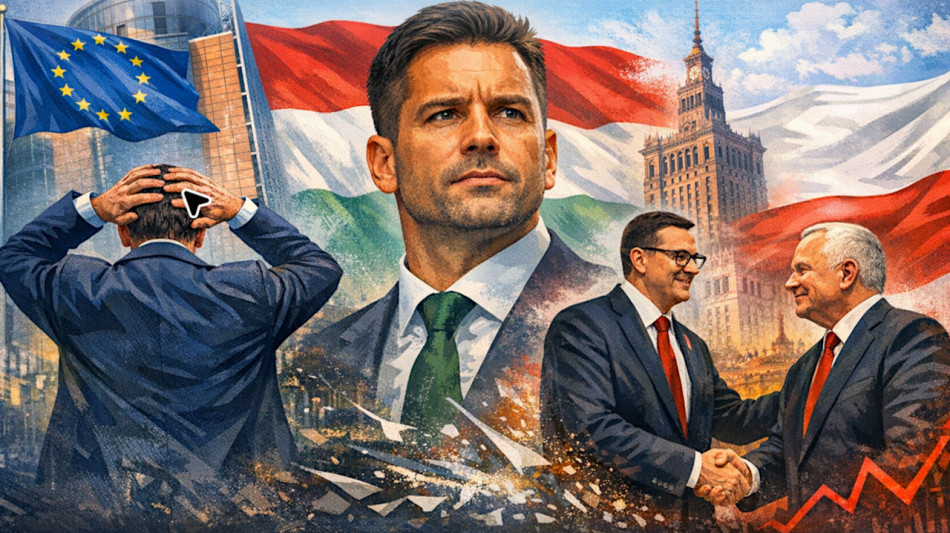
Brussels misreads Magyar
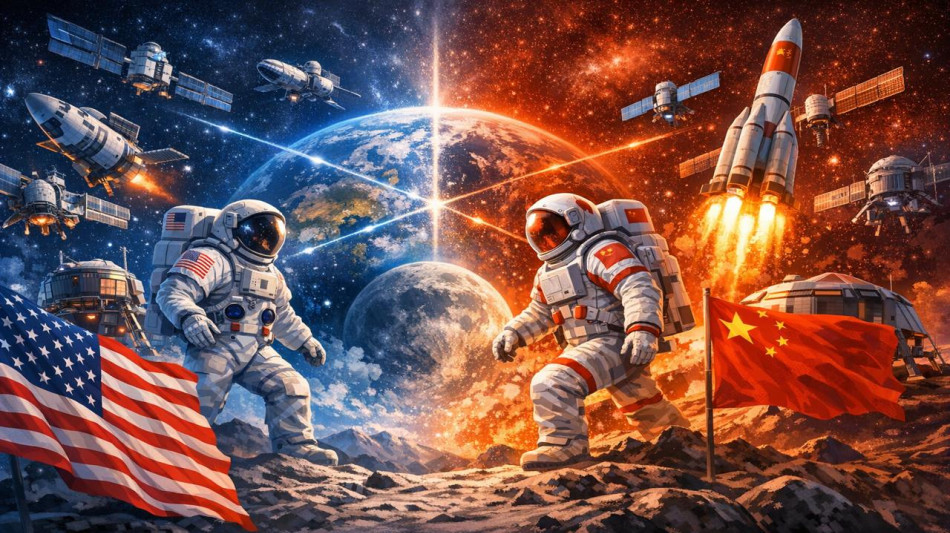
US China race hits 2027
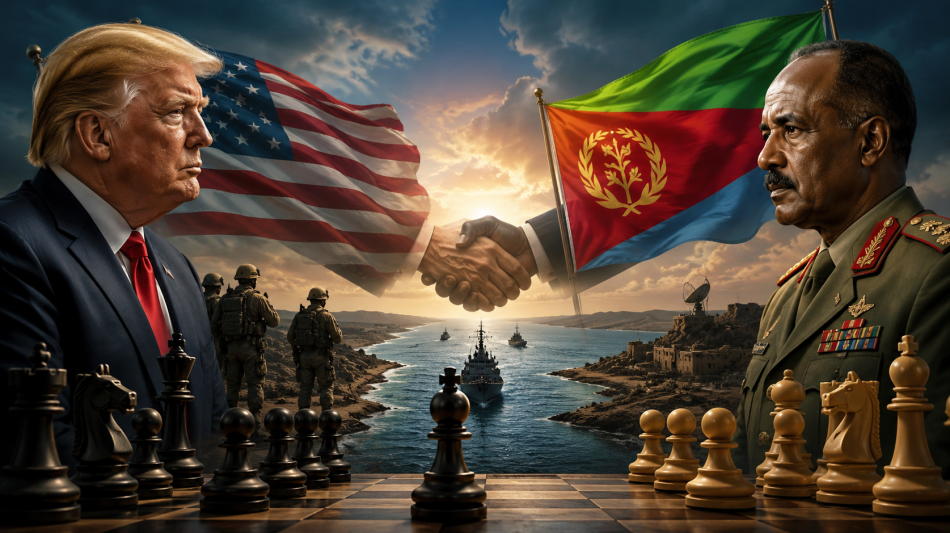
Red sea gambit with Eritrea
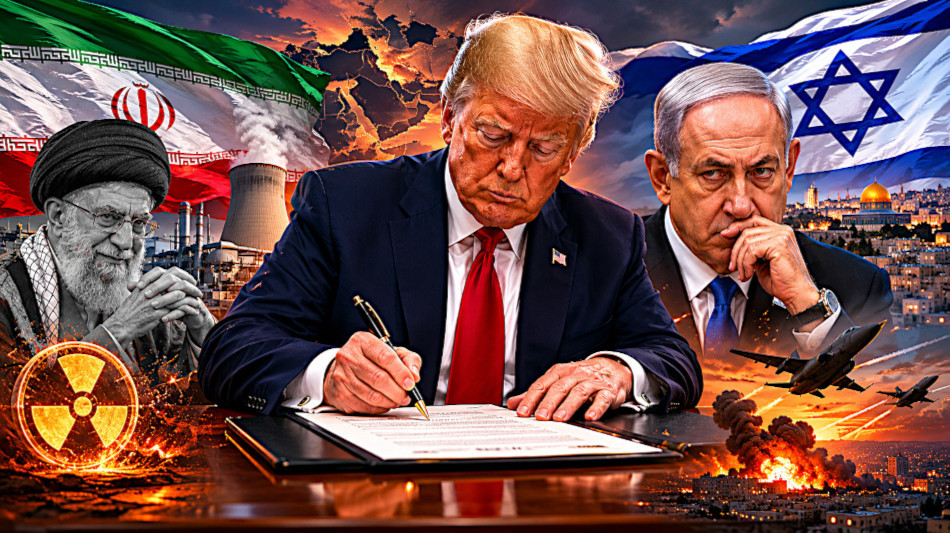
Israel riled by US-Iran pact
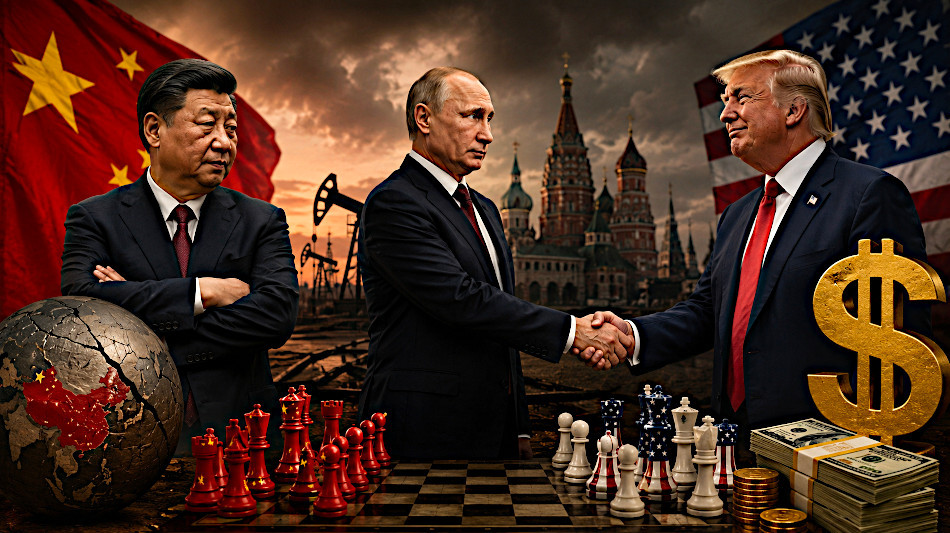
Russia’s dollar pivot

Fentanyl trade unravels

AI and the Future of Wealth
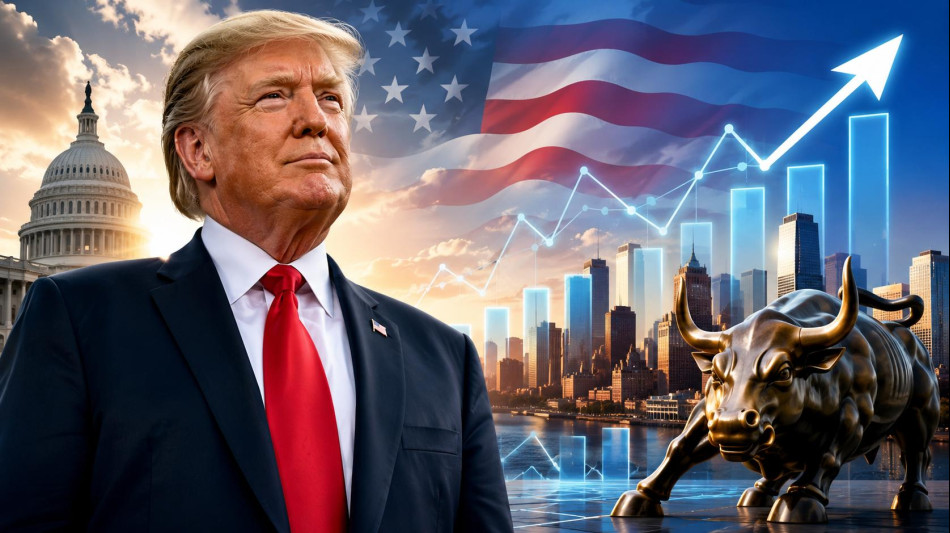
Unexpected economic twist
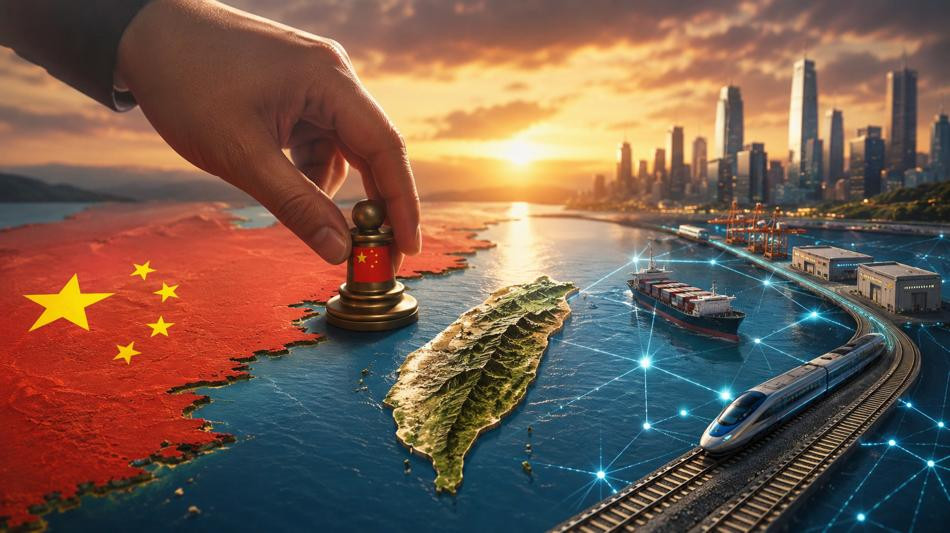
Beijing's new Taiwan playbook
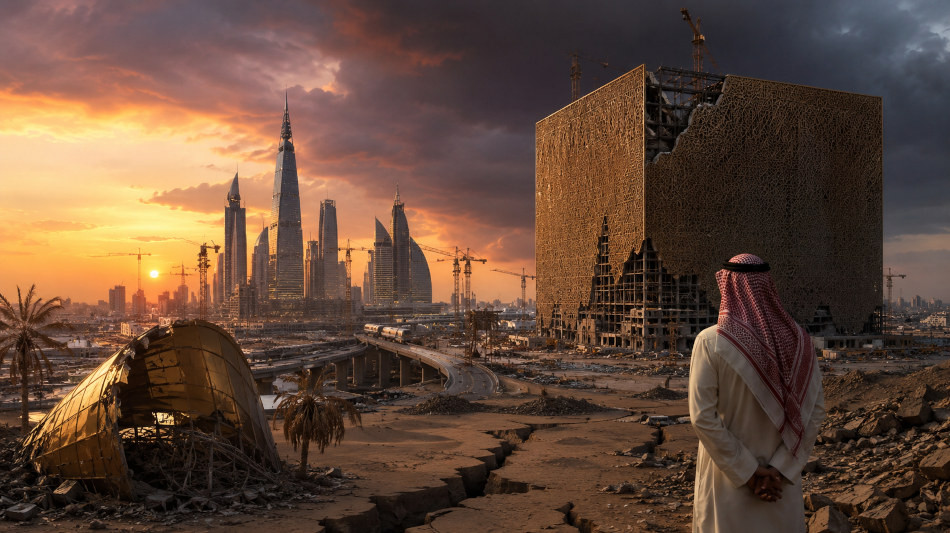
Saudi Arabia’s Costly Mirage