-
 UK agrees support for Saudi in struggle with Houthis: reports
-
Green policies just good politics, says UK minister

-
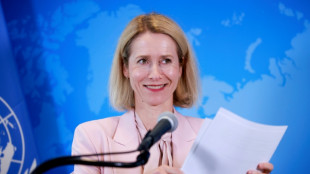 EU foreign policy chief calls for continued sanctions on Russia
-
Bardot auction in Paris fetches nearly one million euros

-
 Flights scrapped, evacuations urged as Typhoon Dujuan wallops Japan
-
No timeline on Daniels injury return, says Commanders coach

-
 Fonseca to take break from tennis
-
British Columbia sues OpenAI in US court over Canada school shooting

-
 A Cuban zoo, and its animals, in epic battle for survival
-
French star Batum retires after 18-year NBA career

-
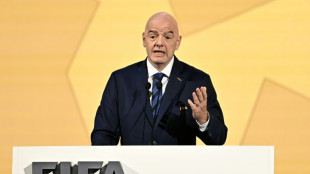 Infantino proposes consulting federations to reform FIFA
-
Zidane leads first France training session

-
 El Nino weather pattern enters record territory: scientist
-
Man shot by ICE agent in Texas detained with bullet inside him: lawyer

-
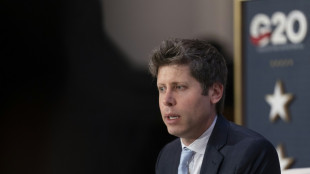 OpenAI calls for US to lead global effort on AI standards
-
California declares state of emergency ahead of El Nino

-
 South African ostriches plucked alive for luxury fashion: report
-
South Africa arrests three more suspects, after nine women murdered

-
 US networks halt Trump coverage in revolt over White House ban
-
Carse needs time away from England, says captain Brook

-
 Paramount settles with US states to clear Warner Bros. mega-merger
-
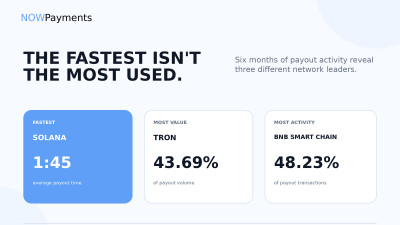
NOWPayments Releases Cross-Chain Payout Data Revealing Key Performance Benchmarks Across TRON, BNB Chain, and Solana
-
 Climate crisis a job for world leaders, not just activists: UK FM
-
British Museum bans photos of Bayeux Tapestry as crowds linger

-
 US networks halt Trump coverage over White House ban
-
COP31 host says AI climate footprint to be a summit priority
-
 French singer accuses Miley Cyrus of plagiarism
-
Berlin's far-left vote winners reject anti-semitism charges

-
 EU fines Google 403 mn euros for location data breach
-
Mancini eager for 'new adventure' on Italy return

-
 'Best is yet to come,' says De la Fuente after Spain extension
-
Mbappe says having Zidane as France coach 'like a film'

-
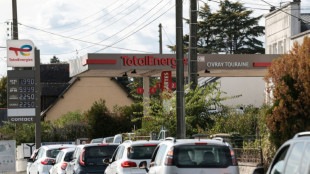 Why diesel prices are rising more than crude oil
-
Palmer, Rice out of England Nations League squad

-
 COP31 host says AI's climate footprint to be a summit priority
-
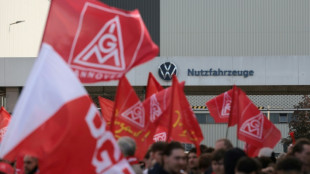
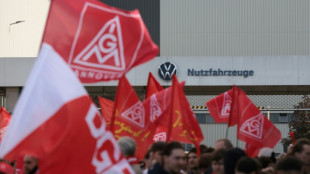
German auto workers stage mass protests in bid to save jobs
-
 Renewables hit record in 2025, but world must move faster: report
-
Embattled Merz vows to keep ruling for 'democratic future' of Germany

-
 US media outlets to sue Trump administration after White House ban
-
Merz vows to keep ruling coalition together for 'democratic future' of Germany
-
 Global stocks rally on lower oil prices, US-China hopes
-
Spain coach De la Fuente gets new deal after World Cup success

-
 EU proposes energy rating for data centres
-
Pressure grows on Germany's Merz after election defeats

-
 Schoolgirl Yu scorches to second gold as doping case rocks Games
-
China's Zhang beats Japan rivals to Asian Games gymnastics gold

-
 Putin's party secures record score in Russia election
-
Samlingen Haupt: Vad pengar avslöjar om oss människor

-
 Haupt Koleksiyonu: Paranın Biz İnsanlar Hakkında Anlattıkları
-
Tens of thousands of German auto workers protest to save jobs
COSTCO profits from Fees
Costco’s cavernous warehouses and legendary bargain bins hide an unusual business secret: the company makes surprisingly little money from the products rolling through its tills. Instead, the bulk of its earnings come from selling the right to shop there. Shoppers pay annual fees – US$65 for a basic membership or US$130 for an executive tier – and those dues power almost the entire enterprise. Costco’s chief executive has even remarked that the most important item the retailer sells isn’t a giant jar of mayonnaise but the membership card itself.
A Subscription Model in Disguise
While rival supermarkets mark up goods by 25 % to 50 %, Costco keeps its average merchandise markup at around 11 %, essentially passing most of the savings to customers. After wages and utilities are accounted for, the retailer retains only a fraction of its sales as profit. In its 2025 fiscal year the company generated roughly US$270 billion in net sales but just over US$5 billion in operating income before taxes. What makes the model work are those membership dues. More than 80 million paid memberships produced about US$5.3 billion in revenue in the year ending August 2025, a figure that was almost pure profit. Renewal rates remain extraordinarily high – above 92 % in the United States and nearly 90 % globally. In essence, the fee income covers Costco’s overhead, allowing it to sell goods at razor‑thin margins and still generate solid earnings.
Winning Loyalty Through Value
The club’s low prices and quality goods have cultivated a near‑cult following. Perks such as the US$1.50 hot dog and soda combo or the US$5 rotisserie chicken often cost the company money, yet they draw in shoppers who fill their carts with other items. Costco’s private‑label Kirkland Signature line also delivers savings of 15–20 % compared with national brands. Employees earn comparatively high wages and enjoy generous benefits, fostering a customer‑friendly culture. The result is a virtuous cycle: low prices attract members, high renewal rates give Costco scale, and scale enables even lower prices.
Adjusting the Membership Formula
As inflation and supply-chain challenges have pushed costs higher, Costco has nudged up its dues for the first time in years. Since September 2024 the basic fee has risen by about US$5 and the executive tier by US$10. Even so, members continue to renew at elevated rates. Management views the current dip in global renewal rates – down to around 89.8 % because of a surge in younger, digitally acquired members – as temporary. Fee income rose 14 % year on year in the fourth quarter of 2024 to US$1.72 billion, underscoring the resilience of the subscription model.
Costco has also tightened enforcement of its club rules. To prevent freeloading, store entrances now require members to scan their cards or smartphone QR codes. The company even stopped selling the famous food‑court hot dog combo to non‑members. In September 2025 a new, controversial policy granted executive members exclusive early shopping hours on weekdays and weekends. Although fewer than half of cardholders belong to this tier, they accounted for more than 74 % of net sales in the fourth quarter. The perk has added roughly 1 % to weekly U.S. sales and encouraged some members to upgrade.
Expansion and E‑Commerce
The warehouse chain isn’t standing still. Costco operated 914 warehouses worldwide at the end of August 2025 and plans to grow to around 944 by the end of fiscal 2026. Digital sales rose more than 13 % year on year, with online apparel and electronics leading the way. Though e‑commerce margins are slimmer and tariffs remain a concern, management believes its membership base and private‑label strategy provide a buffer against volatility. The Kirkland brand, which now generates more revenue than some famous apparel labels, continues to strengthen loyalty.
Risks and Outlook
Relying on recurring fees does carry risks. A prolonged economic slowdown could dampen renewals and spending, and younger customers acquired through promotions or online sign‑ups may prove less loyal. Expansion comes with costs that squeezed operating margins to around 2.9 % in mid‑2025. Nevertheless, the company’s net income climbed to US$8.1 billion in fiscal 2025. Executives argue that as long as Costco maintains its value proposition and treats employees well, members will keep paying for the privilege to shop. In the words of the company’s leader, culture is a business strategy, and the warehouse club will continue to prioritise the membership card over the shopping cart.

Russia's Drone ploy in Poland

How Swiss Stocks tamed Prices

Cuba's hunger Crisis deepens

Poland trusts only hard Power

Tanks in Gaza - Hopes dim?
Rare Earth Standoff

Why Russia can’t end war

Israel: Economy on the edge

Gaza on the cusp of civil war

The Fall of South Korea?

A new vision for Japan