-
 Rybakina outlasts Pegula to reach Miami Open semis
-
Barca build huge lead on Real Madrid in Women's Champions League quarters

-
 Alleged Rihanna mansion shooter pleads not guilty
-
US says Iran talks continue, will 'unleash hell' if no deal

-
 UN designates African slave trade as 'gravest crime against humanity'
-
Trump's Beijing trip rescheduled for May, after Iran delay
-
 No more excuses: World Cup pressure is on for host USA
-
US EPA issues waiver for E15 fuel to address oil supply issues
-
 Grieving families hail court victory against Instagram, YouTube
-
Internet providers not liable for music piracy by users: top US court

-
 Gaza civil defence says Israeli strike kills one, tents on fire
-
UK govt denies cover-up after PM ex-aide's phone stolen
-
 California jury finds Meta, YouTube liable in social media addiction trial
-
Oil prices slip, stocks rally on Mideast peace hopes
-
 South Africa police clash with anti-immigrant protesters
-
Gattuso says Italy's World Cup play-off 'biggest match' of career

-
 Sakamoto leads skating swansong with 'Time to Say Goodbye' at worlds
-
Spanish PM says Middle East war 'far worse' than Iraq in 2003
-
 First Robot: Melania Trump brings droid to White House event
-
Oldest dog DNA suggests 16,000 years of human companionship

-
 Iran media casts doubt on US peace plan
-
Rare mountain gorilla twins born in DR Congo: park authorities

-
 Ex-midwife enthroned as first female Archbishop of Canterbury
-
AC Schnitzer: When Iconic Tuners Fall Silent

-
 Senegal lodge appeal to Court of Arbitration for Sport over AFCON final decision
-
South Africa seal T20 series win in New Zealand

-
 Study links major polluters to big climate damages bill
-
Ex-Google chief Matt Brittin made new BBC director-general
-
 Iran likely behind attacks sowing fear among Europe's Jews: experts
-
'Relieved' McGrath claims career first crystal globe in slalom

-
 US ski star Shiffrin wins overall World Cup title for sixth time
-
Trump names tech titans to science advisory council
-
 Mideast war sparks long queues at Kinshasa petrol stations
-
US TV star details 'agony' over mother's disappearance

-
 Tehran receives US plan to end Mideast war, as Iran fires at US carrier
-
Aviation, tourism, agriculture... the economic sectors hit by the war

-
 Iran fires at US carrier as backchannel diplomacy aims to end war
-
Salah's long goodbye brings curtain down on golden era for Liverpool

-
 Monaco: city of vice and a few virtues
-
AI making cyber attacks costlier and more effective: Munich Re
-
 Defying Israeli bombs, Lebanese hold out in southern city of Tyre
-
War-linked power crunch pushes Sri Lanka to four-day week

-
 Hungary says will phase out gas deliveries to Ukraine
-
Oil prices tumble, stocks rally on Mideast peace hopes
-
 Maybach: Between Glory and a Turning Point
-
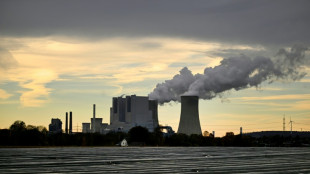
German business morale falls as war puts recovery on ice: survey
-
 Labubu maker Pop Mart's shares fall 23% despite surging earnings
-
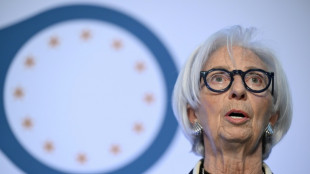
ECB won't be 'paralysed' in face of energy shock: Lagarde
-
 Iran hits targets across Middle East after Trump signals talks progress
-
McEvoy says best is to come after breaking long-standing swim record

France's debt spiral Crisis
France’s economic outlook at the start of 2026 is bleaker than at any time in recent memory. After years of debt‑fuelled budgets and incremental reforms, the eurozone’s second‑largest economy finds itself mired in a crisis of slow growth, skyrocketing debt and political gridlock. Public borrowing now exceeds €3.3 trillion—roughly 114 percent of national output—and official projections suggest the ratio will climb past 118 percent by 2026 and could breach 120 percent by the end of the decade. Investors and policymakers increasingly fear that, without a radical shift, France may be on course for a painful financial reckoning.
A debt mountain and soaring interest costs
Successive governments have promised to rein in spending, yet the deficit remains the highest in the euro area. In 2024 the gap between revenues and expenditures reached almost 6 percent of GDP, and by mid‑2025 it still hovered around 5.4 percent—nearly double the European Union’s 3 percent ceiling. Hopes of reducing the shortfall to below 5 percent in 2026 were dashed in December 2025 when parliament failed to agree a budget, forcing ministers to roll over the previous year’s spending. The emergency finance law allows the state to collect taxes and issue debt from 1 January 2026 but contains no savings measures, prompting warnings that the deficit could exceed 5 percent yet again.
These chronic deficits have propelled debt to alarming heights and swollen the cost of servicing it. Audit officials warn that annual interest payments, already more than €59 billion in 2026, will reach €100 billion before the decade is out—making debt service the largest single budget item. Economists estimate that interest outlays could rise from about 2 percent of GDP today to close to 4 percent in the early 2030s, squeezing resources for education, healthcare and infrastructure. The prospect of higher global interest rates only compounds the risk.
Political paralysis and a cascade of collapsed governments
Attempts at fiscal consolidation have been derailed by political turmoil. Since President Emmanuel Macron lost his parliamentary majority in 2024, four prime ministers have been ousted, and each budget season has produced a new standoff. In autumn 2025 Prime Minister François Bayrou sought to push through a package of €43.8 billion in savings for 2026 by freezing public‑sector hiring, limiting pension indexation and even scrapping two public holidays. Facing a fractious National Assembly, he tied the plan to a confidence vote; lawmakers toppled his government in September and the measures were shelved. His successor Sébastien Lecornu likewise failed to forge consensus: in December, a joint committee of senators and deputies spent less than an hour on talks before abandoning them, leaving France without a 2026 budget.
The impasse has forced the government to rely on stopgap measures. The emergency finance law adopted on 23 December 2025 rolls over 2025 expenditure and authorises tax collection and debt issuance until a full budget can be passed. Central bank governor François Villeroy de Galhau has cautioned that such a temporary fix merely delays difficult decisions and risks producing a deficit “far higher than desired.” Lawmakers from across the political spectrum agree that a proper budget is needed, but ideological divides over spending cuts versus tax increases have proved insurmountable. The government’s minority position means it cannot implement austerity without support from either the left or the right, both of whom oppose its proposals for different reasons.
Weight of high spending and a rigid economic model
Underlying the fiscal morass is a structural imbalance between generous public services and a growth engine that has lost momentum. Government expenditure stands at around 57 percent of GDP—the highest in the European Union—while tax revenues amount to roughly 51 percent. The state subsidises employment and businesses to the tune of about €211 billion a year in an effort to compensate for rigid labour laws that discourage hiring and keep unemployment above the eurozone average. Despite this heavy support, productivity growth remains sluggish and many public services, from hospitals to universities, suffer from underinvestment.
Demographic pressures add to the strain. The pension system remains structurally in deficit even after the retirement age was raised to 64, and without further reform it will place growing demands on the budget. High social contributions and protective job regulations make employers reluctant to hire, particularly younger workers, entrenching long‑term unemployment and eroding the tax base. These rigidities mean that even when the economy expands—as it did by a modest 1.1 percent in 2024—growth quickly slows. The European Commission forecasts that GDP will expand only 0.7 percent in 2025 and 0.9 percent in 2026, rates insufficient to stabilise the debt ratio.
Market jitters, downgrades and external warnings
Investors have begun to charge a higher risk premium for French debt. Spreads between French and German 10‑year bonds widened throughout 2025 and briefly surpassed those of Greece and Spain after the government’s collapse in September. Yields on France’s benchmark bonds approached Italy’s levels by the end of the year, reflecting doubts about fiscal discipline. Credit‑rating agencies have responded by downgrading France’s sovereign rating and placing it on negative outlook, citing persistent deficits, political uncertainty and rising interest costs. Such downgrades increase borrowing costs further, creating a vicious cycle.
International institutions have issued increasingly urgent warnings. The International Monetary Fund’s most recent assessment highlighted that France already spends a larger share of its GDP than any other EU country and called for a front‑loaded structural fiscal effort of about 1 percent of GDP in 2026, alongside reforms to simplify the tax system, rationalise social benefits and harmonise pensions. The European Commission’s autumn 2025 forecast projects that the budget deficit will still be 4.9 percent of GDP in 2026 and that public debt will climb to 118 percent of GDP, rising to 120 percent by 2027 despite modest economic growth and slight revenue increases. Without additional measures, interest payments alone are expected to rise to 2.3 percent of GDP by 2026.
Why a collapse seems inevitable
Taken together, these factors paint a dire picture. France is caught in a debt spiral: large primary deficits require constant borrowing; rising interest rates increase the cost of that borrowing; political fragmentation prevents the adoption of credible adjustment plans; and structural rigidities hold back growth. Each attempt at austerity sparks fierce opposition and social unrest, leading to the fall of governments and further delays. Meanwhile the window for gradual adjustment is closing as markets demand higher returns and global interest rates remain elevated.
Unless a broad consensus emerges to overhaul public finances—combining spending restraint, tax reform, labour‑market flexibility and targeted investment in productivity—France will remain locked in a cycle of rising debt and stagnation. In that scenario, a financial crisis could be triggered by a sudden spike in bond yields or an external shock, forcing international intervention and painful adjustment. The timeline is uncertain, but many economists now warn that France’s economic collapse is not a question of if, but when.

EU: Greenpeace warns of dying farms

EU: Tariffs on all Chinese electric Cars

Zelenskyy: ‘What worked in Israel work also in Ukraine’

Electric car crisis: Future of a Audi plant?

Vladimir Putin, War criminal and Dictator of Russia
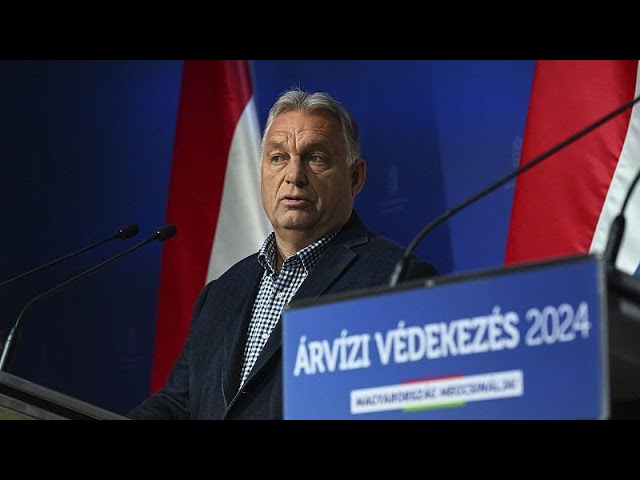
EU vs. Hungary: Lawsuit over ‘national sovereignty’ law

Ukraine: Zelenskyy appeals for international aid

Lebanon: Is a new wave of refugees coming to the EU?

Terrorist state Iran attacks Israel with missiles
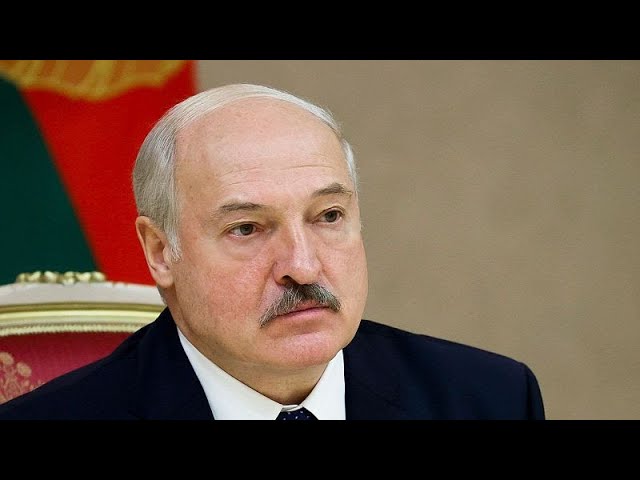
Belarus: ICC investigates dictator Lukashenko
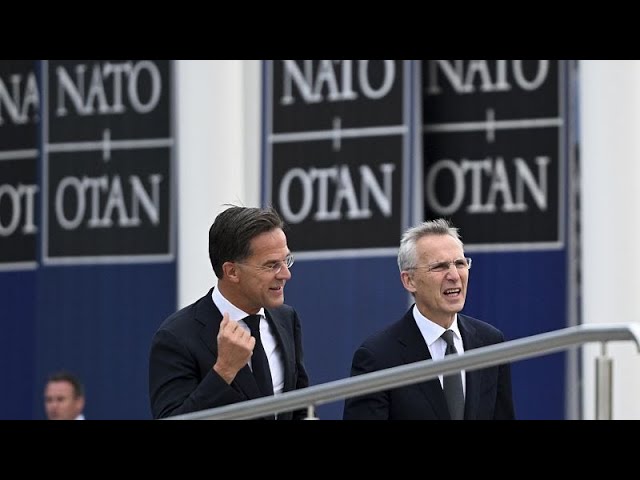
NATO: Ukraine ‘at the top of the list!’