-
 Bardot auction in Paris fetches nearly one million euros
-
Flights scrapped, evacuations urged as Typhoon Dujuan wallops Japan

-
 No timeline on Daniels injury return, says Commanders coach
-
Fonseca to take break from tennis

-
 British Columbia sues OpenAI in US court over Canada school shooting
-
A Cuban zoo, and its animals, in epic battle for survival

-
 French star Batum retires after 18-year NBA career
-
Infantino proposes consulting federations to reform FIFA

-
 Zidane leads first France training session
-
El Nino weather pattern enters record territory: scientist

-
 Man shot by ICE agent in Texas detained with bullet inside him: lawyer
-
OpenAI calls for US to lead global effort on AI standards

-
 California declares state of emergency ahead of El Nino
-
South African ostriches plucked alive for luxury fashion: report

-
 South Africa arrests three more suspects, after nine women murdered
-
US networks halt Trump coverage in revolt over White House ban

-
 Carse needs time away from England, says captain Brook
-
Paramount settles with US states to clear Warner Bros. mega-merger

-
 NOWPayments Releases Cross-Chain Payout Data Revealing Key Performance Benchmarks Across TRON, BNB Chain, and Solana
-
Climate crisis a job for world leaders, not just activists: UK FM

-
 British Museum bans photos of Bayeux Tapestry as crowds linger
-
US networks halt Trump coverage over White House ban

-
 COP31 host says AI climate footprint to be a summit priority
-
French singer accuses Miley Cyrus of plagiarism

-
 Berlin's far-left vote winners reject anti-semitism charges
-
EU fines Google 403 mn euros for location data breach

-
 Mancini eager for 'new adventure' on Italy return
-
'Best is yet to come,' says De la Fuente after Spain extension

-
 Mbappe says having Zidane as France coach 'like a film'
-
Why diesel prices are rising more than crude oil
-
 Palmer, Rice out of England Nations League squad
-
COP31 host says AI's climate footprint to be a summit priority

-
 German auto workers stage mass protests in bid to save jobs
-
Renewables hit record in 2025, but world must move faster: report
-
 Embattled Merz vows to keep ruling for 'democratic future' of Germany
-
US media outlets to sue Trump administration after White House ban

-
 Merz vows to keep ruling coalition together for 'democratic future' of Germany
-
Global stocks rally on lower oil prices, US-China hopes

-
 Spain coach De la Fuente gets new deal after World Cup success
-
EU proposes energy rating for data centres

-
 Pressure grows on Germany's Merz after election defeats
-
Schoolgirl Yu scorches to second gold as doping case rocks Games

-
 China's Zhang beats Japan rivals to Asian Games gymnastics gold
-
Putin's party secures record score in Russia election

-
 Samlingen Haupt: Vad pengar avslöjar om oss människor
-
Haupt Koleksiyonu: Paranın Biz İnsanlar Hakkında Anlattıkları

-
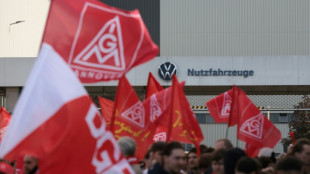 Tens of thousands of German auto workers protest to save jobs
-
Spanish PM says unregulated AI could be 'devastating'

-
 हॉप्त् कलेक्शन: पैसा हमारे बारे में एक इंसान के रूप में क्या प्रकट करता है
-
Yu, 13, smashes record again with second Asian Games gold

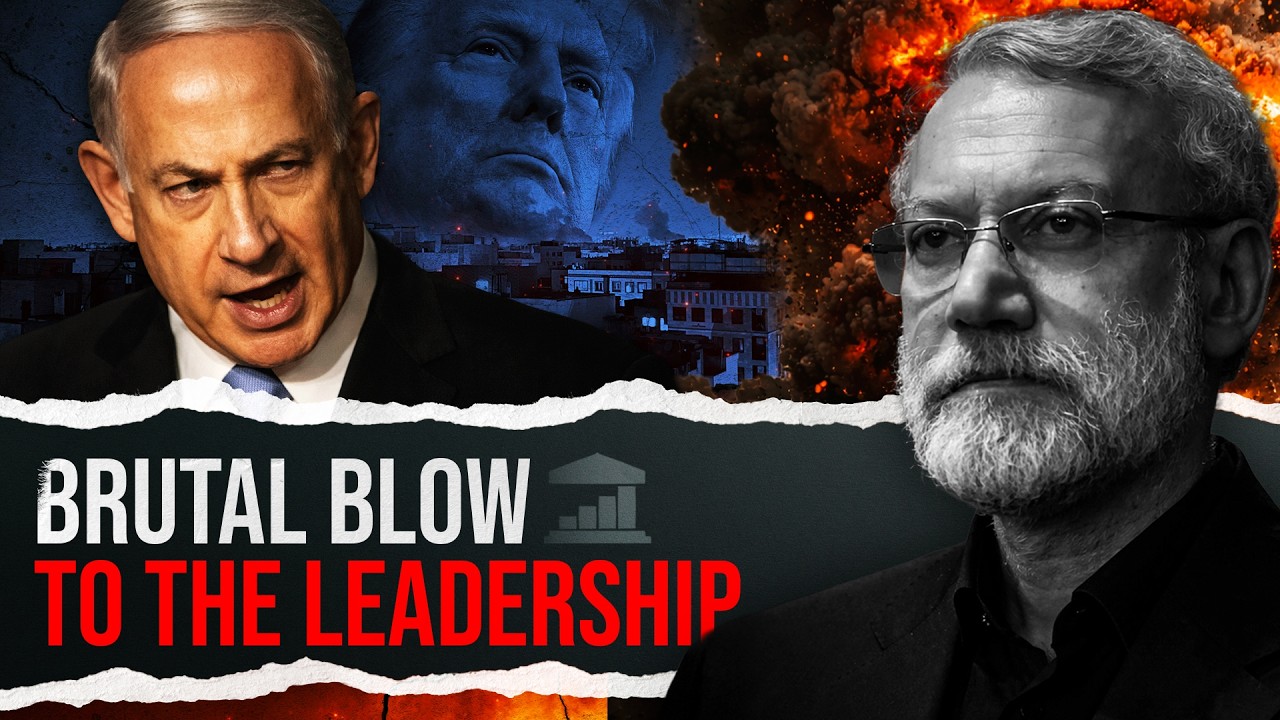
Is that Israel's final blow?
What is unfolding now is no longer a contained exchange across a tense frontier. It is the visible emergence of a two-front Israeli campaign whose logic is becoming harder to ignore: weaken the Ayatollah-led order in Tehran, and at the same time cripple the armed movement that gives it strategic reach into Lebanon. Israel’s military posture and political messaging increasingly suggest that this is not merely about absorbing attacks and replying with greater force. It is about changing the strategic order between Tehran, Beirut and Israel’s northern border. In that sense, the war against Iran and the war against Hezbollah are no longer separate files. They are part of the same attempt to dismantle an interconnected system of pressure.
Hezbollah’s latest intervention makes that point unmistakable. By launching attacks from Lebanon as Israel intensified pressure on Iran, the movement behaved exactly as Israeli planners have long feared it would: not simply as a Lebanese force with its own local agenda, but as Iran’s forward shield. Hezbollah did not step into the crisis to defend a national Lebanese consensus. It stepped in because its strategic value lies in protecting Iran’s regional deterrent and preserving Tehran’s capacity to project power through proxy warfare. That is the core of the current moment, and it is why the confrontation has expanded so quickly. From an Israeli perspective, if Hezbollah mobilizes whenever Tehran is under direct threat, then leaving Hezbollah intact would mean accepting that any future clash with Iran will always reopen the northern front.
This is also why the northern theater has never been a secondary issue for Israel. For years, the country has lived with the reality that Hezbollah can menace civilian communities with rockets, drones, anti-tank weapons, infiltrations and fortified positions close to the border. Even during periods officially described as calmer, Israeli officials maintained that Hezbollah was trying to rebuild, reorganize and preserve the option of renewed escalation. The problem, in Israeli eyes, has never been a single barrage or a single border incident. The problem has been the continued existence of a heavily armed Iranian-backed force that can decide when the north burns and when it does not. No Israeli government that takes that assessment seriously can regard Hezbollah as a manageable nuisance. It sees Hezbollah as a structural threat.
The wider security framework on the Lebanese front has clearly decayed. The arrangements that were meant to preserve a fragile calm after earlier rounds of war no longer command real compliance. Cross-border fire, repeated strikes, violations along the frontier and the visible militarization of the border zone have exposed how much of the old order has already broken down. Civilians on both sides have once again paid the price through evacuations, displacement and the constant fear that a single exchange can become a regional war. In such conditions, Israel appears to have concluded that the age of partial fixes is over. A front that remains permanently unstable is, in practice, a front that remains strategically lost.
That is why the current phase looks less like retaliation and more like an attempt at strategic rollback. Israel is not only trying to reduce immediate threats. It appears intent on forcing a more decisive change in the balance of power. In Iran, that means pressuring the regime’s military and coercive architecture. In Lebanon, it means degrading Hezbollah so deeply that it can no longer function as Tehran’s reliable northern sword. The sequencing matters. If Iran is weakened but Hezbollah remains strong, then Tehran preserves a critical tool of future coercion. If Hezbollah is hurt but Iran’s regional system remains intact, the movement can eventually be rebuilt. Israeli strategy increasingly seems designed to avoid that half-finished outcome by hitting both centers of pressure at once.
The timing is not accidental. Hezbollah remains one of the most formidable non-state armed organizations in the region, but it is also operating in a more difficult environment than before. It has absorbed attrition, leadership losses, sustained intelligence penetration and repeated blows to its infrastructure. Its room for maneuver is narrower, its political surroundings harsher and its public narrative less secure than in periods when it could more easily present itself as the undisputed guardian of Lebanese dignity. A movement built on discipline, endurance and myth can survive a great deal of punishment. But even such movements become vulnerable when military pressure coincides with strategic overextension and domestic fatigue.
Lebanon’s internal response to the latest escalation is therefore one of the most revealing parts of the story. Instead of closing ranks around Hezbollah, state institutions and large parts of the political class have taken a markedly sharper tone, insisting that decisions of war and peace cannot continue to be made by an armed organization operating beyond full state control. For ordinary Lebanese civilians, the immediate meaning of that shift is grim rather than abstract: renewed displacement, fear of deeper incursions and the sense that the country is once again paying the price for decisions taken outside the state’s authority. That mood matters. It does not disarm Hezbollah overnight, nor does it erase the movement’s social base, military networks or capacity for coercion. But it does show that Hezbollah is confronting a deeper legitimacy problem inside Lebanon at precisely the moment Israel is escalating. In strategic terms, that is a dangerous combination for the group: external pressure and internal isolation reinforcing one another.
None of this, however, means that Israel is on the verge of an easy victory. Hezbollah remains dangerous, adaptive and deeply embedded. It has veteran fighters, decentralized capabilities, local intelligence, underground infrastructure and the ability to continue operating under heavy pressure. Southern Lebanon is not a blank map waiting to be redrawn. It is dense, political and emotionally charged terrain, where every military move carries the risk of civilian suffering, international backlash and unintended escalation. Israel may be able to damage Hezbollah severely. Turning that damage into lasting strategic irrelevance is a much harder task. The history of the region is full of campaigns that succeeded tactically but failed to settle the political question that came after them.
That is where the gamble becomes stark. If Israel is truly moving from deterrence to destruction of Hezbollah’s military relevance, of Iran’s regional reach and perhaps even of the confidence of Iran’s ruling order, it is embracing a campaign of enormous consequences. Military superiority can break command structures, logistics chains and missile stockpiles. It cannot, by itself, guarantee a stable political end state in Beirut or Tehran. A weakened Hezbollah does not automatically produce a sovereign Lebanese state capable of monopolizing force. A battered Iranian regime does not automatically yield a coherent post-crisis order. Vacuums in the Middle East have a habit of filling themselves with fresh instability.
Even so, the logic driving Israel is not difficult to understand. From Jerusalem’s perspective, the old equilibrium had become intolerable long before this latest escalation. That equilibrium meant a northern border that could never truly normalize, an Iranian regional network that could always activate multiple fronts and a deterrence model that forced Israel to live under the shadow of future wars it did not choose. Once Hezbollah entered the widening confrontation to shield Iran’s position, the case for a narrower Israeli response became much harder to sustain. In Israeli strategic thinking, the northern problem and the Tehran problem ceased to be separable. If one keeps feeding the other, both must be addressed together.
The rhetoric surrounding Iran points in the same direction. Public language from Israeli leaders has increasingly gone beyond the technical vocabulary of preemption, nuclear delay and immediate self-defense. It has moved toward the language of rupture: not merely containing Iranian power, but helping bring about the end of the order that projects it. That does not amount to a detailed roadmap for regime change, and it certainly does not ensure that such an outcome is achievable. But it does reveal the scale of current ambition. Israel no longer appears satisfied with managing the symptoms of the Iranian challenge. It seems to be reaching for the possibility of breaking its strategic center of gravity.
The phrase “final blow” therefore captures something real, even if the outcome remains uncertain. What Israel appears to want now is not only to defeat attacks in the present, but to dismantle the architecture that makes those attacks recurrent: the link between Tehran’s ruling establishment, Hezbollah’s armed power and the permanent insecurity of the northern frontier. Whether that ambition can be fulfilled is another matter. Hezbollah can be pushed back without disappearing. Iran can be struck hard without producing a stable transformation. Lebanon can resent Hezbollah more deeply and still remain too weak to impose a lasting monopoly of force. Yet the direction of travel is now unmistakable. This is no longer a war merely to contain enemies. It is an attempt to break the system that binds them.
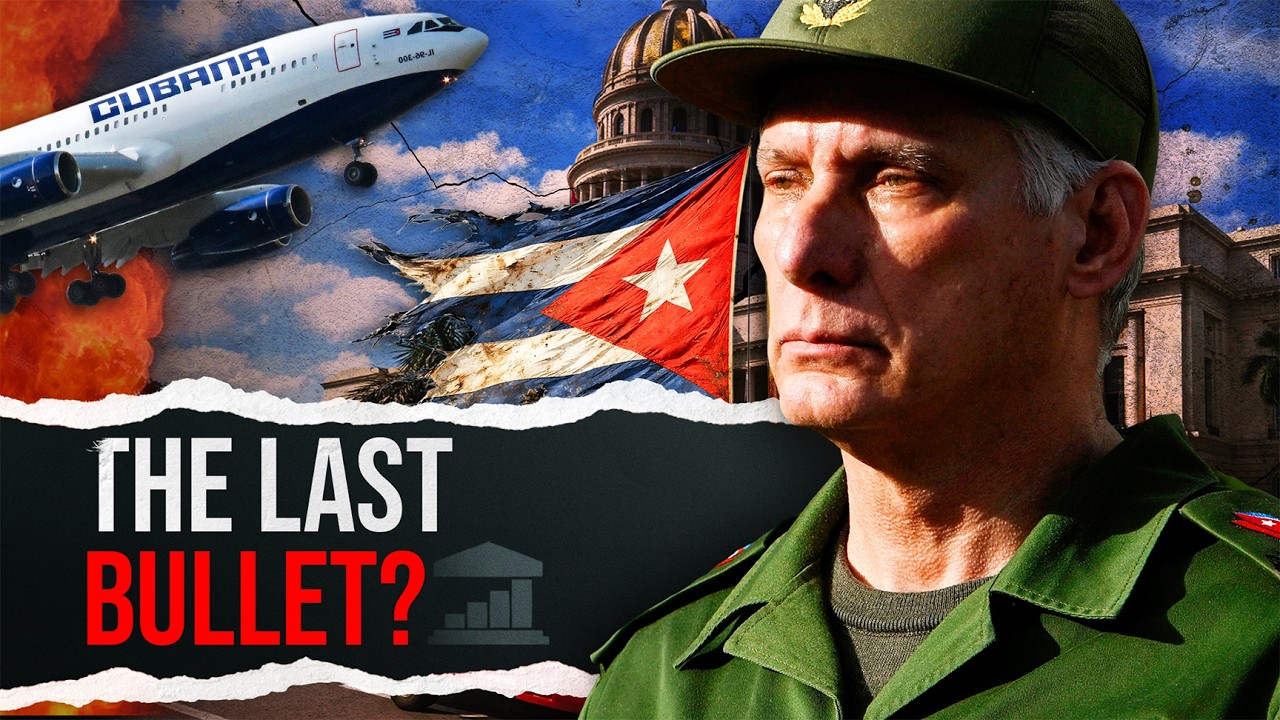
Cuba: The Regime's last Card

Nicaragua on the brink?
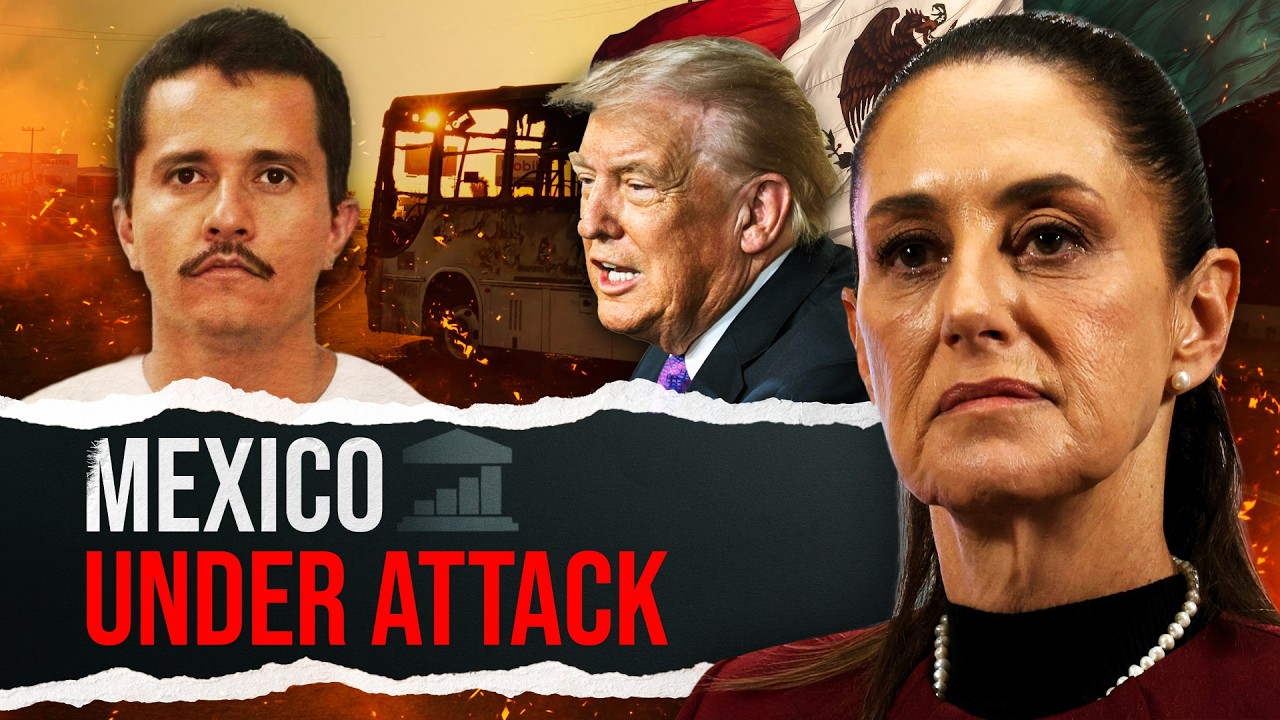
Mexico after El Mencho falls
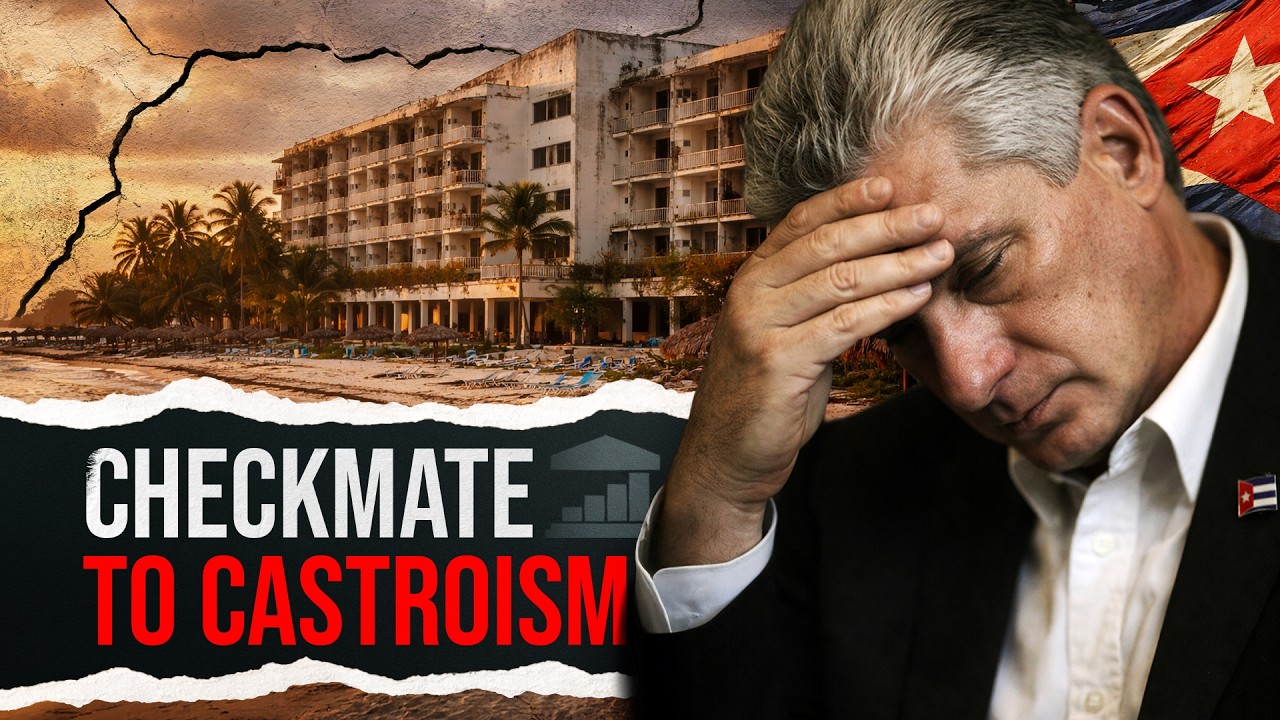
Cuba's golden Goose dies
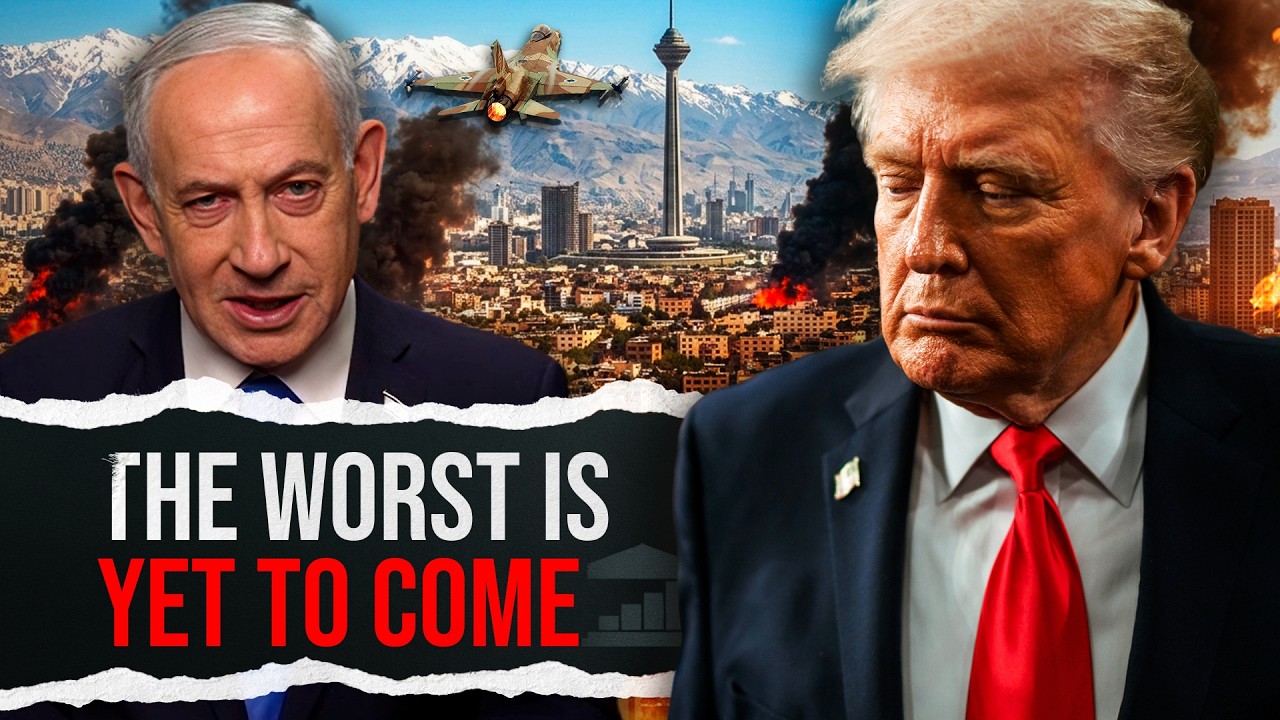
Iran's revenge rewired
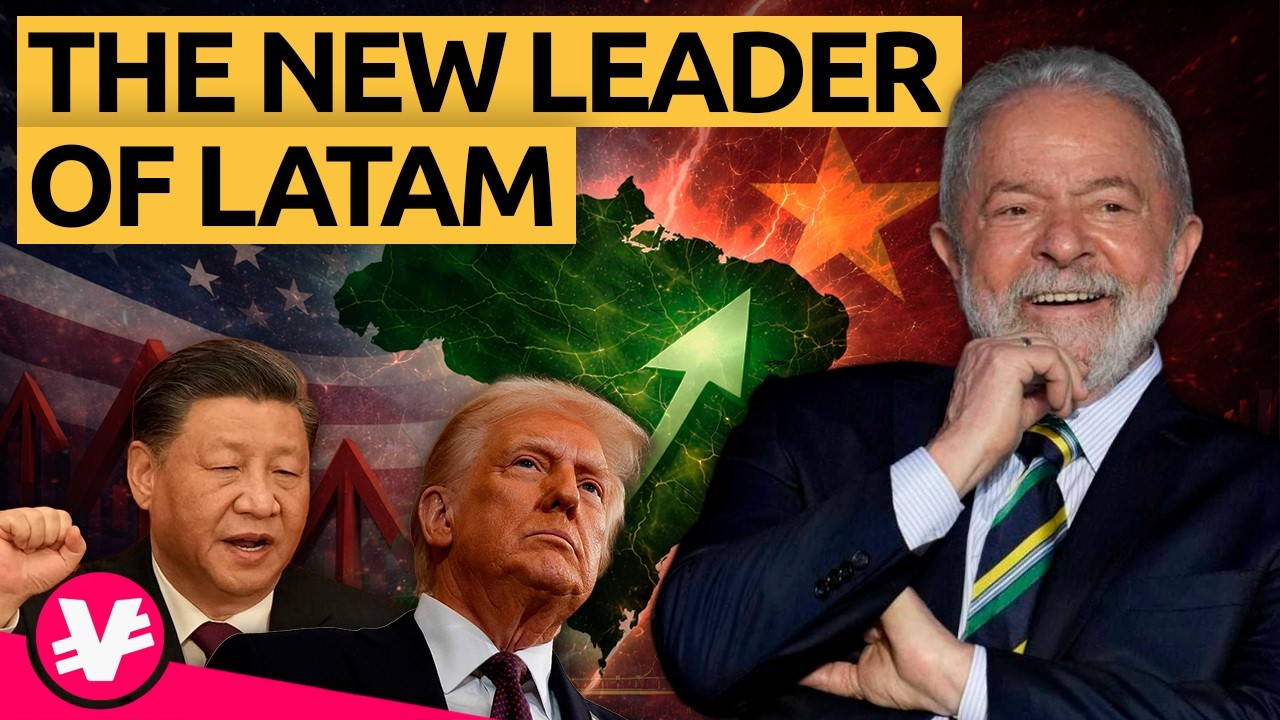
Brazil's trade-war boom
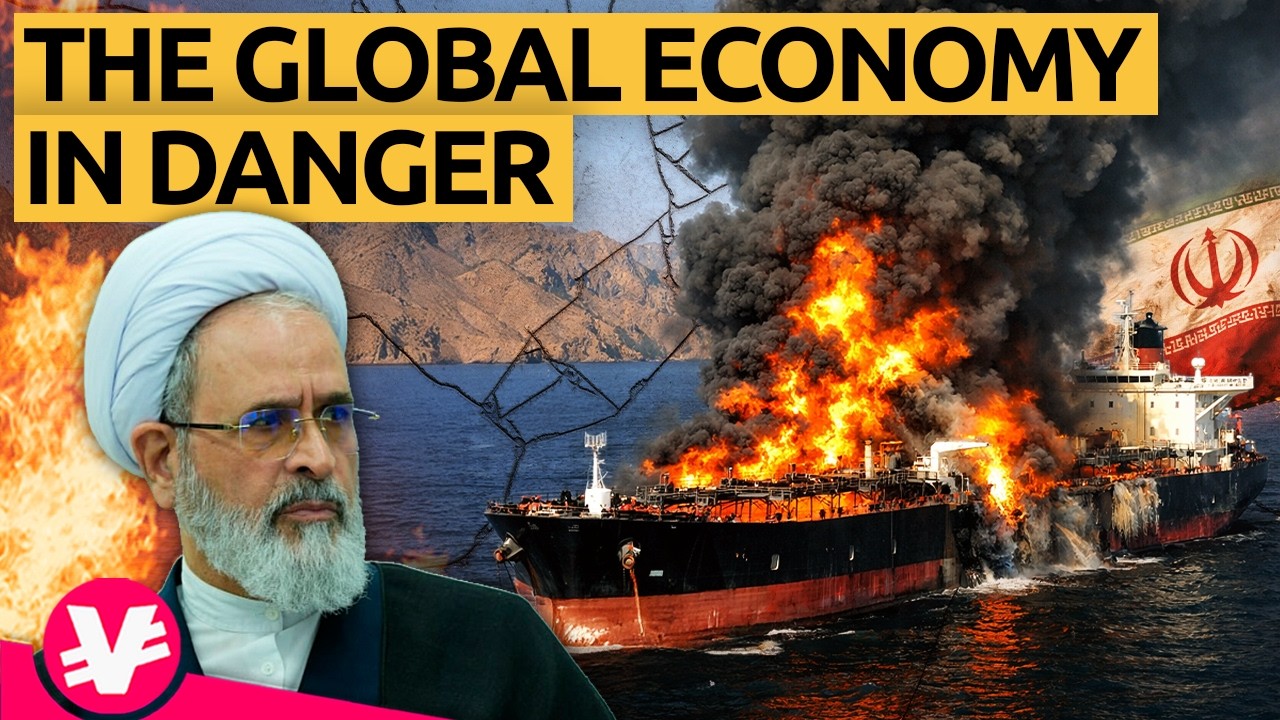
Hormuz Shock Risk rising
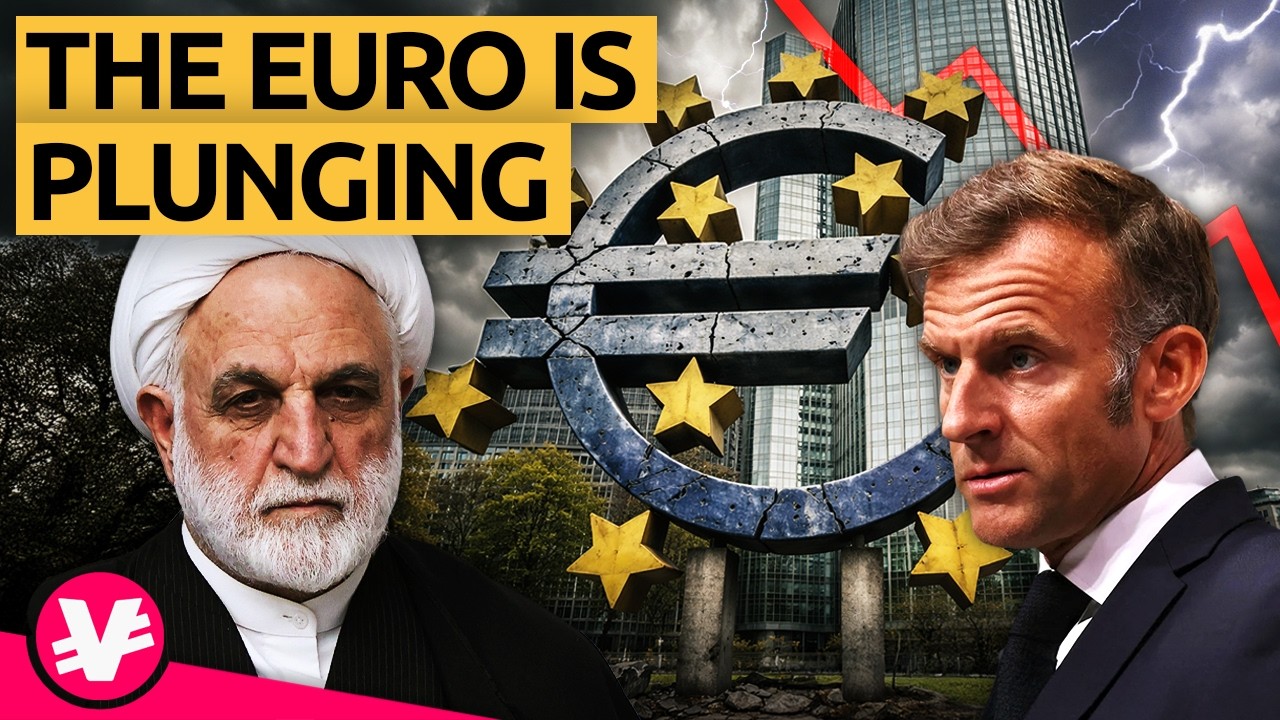
Iran lifts Dollar, sinks Euro
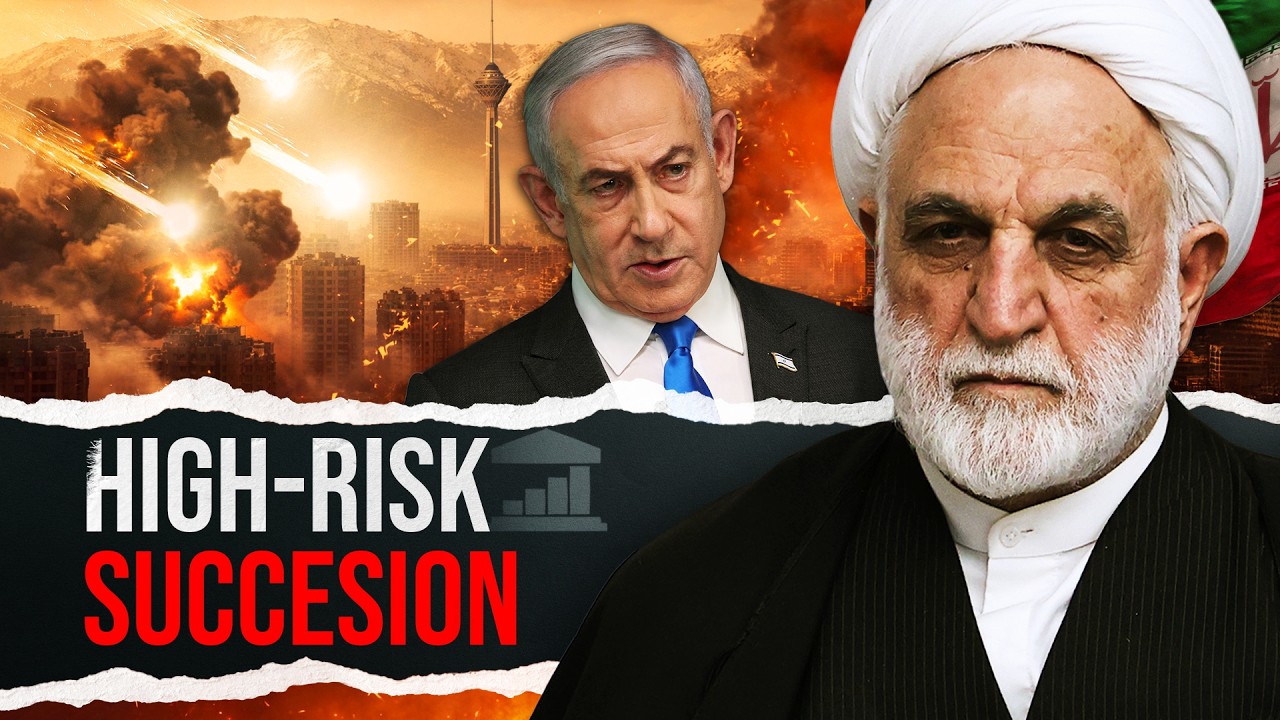
Israel presses Tehran

Iran and the holy War risk
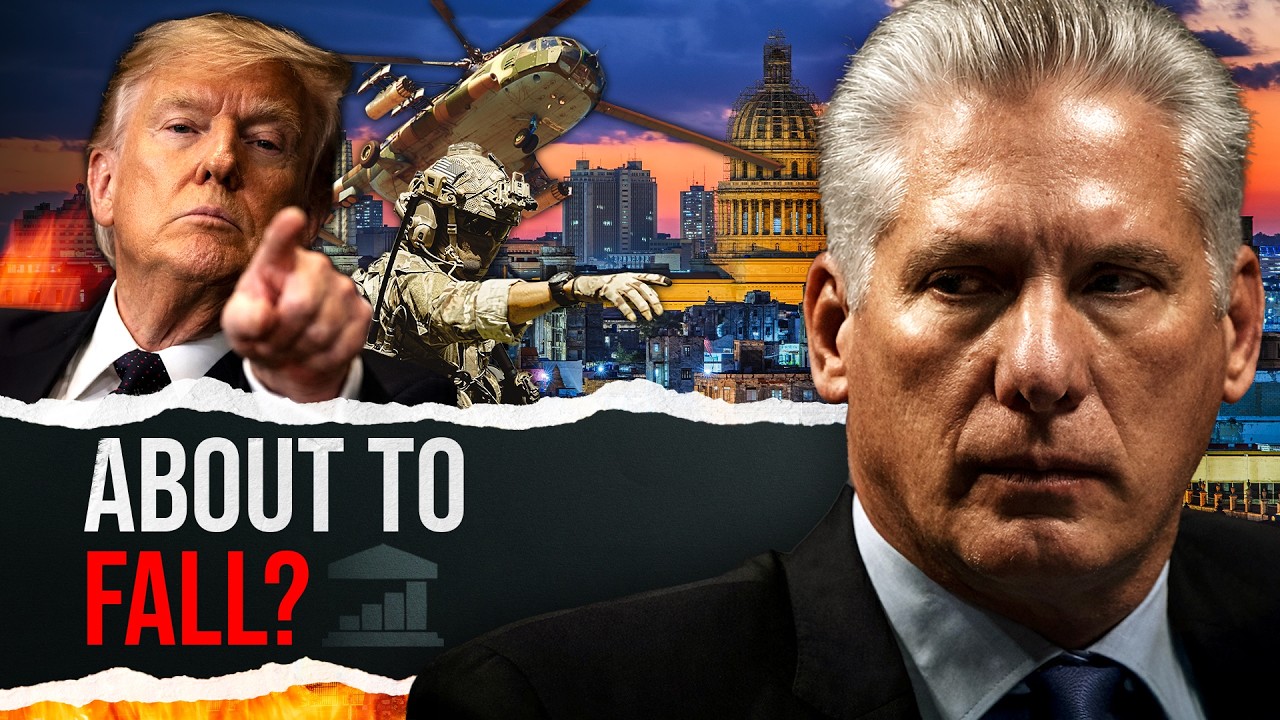
Cuban regime nears collapse