-
 Italy seizes millions 'embezzled' from Ursula Andress
-
Trump says Iran 'better get serious' in Mideast war talks
-
 Global trading system hit by 'worst disruptions in the past 80 years': WTO chief
-
EU accuses four porn platforms of letting children access adult content

-
 Cathay Pacific raises fuel surcharge on all flights by 34%
-
EU probes Snapchat over suspected child protection failings

-
 EU parliament backs Trump tariff deal -- with conditions
-
'Return hubs' for migrants clear EU parliament hurdle
-
 Meta watchdog says grassroots fact checks risk harm to users
-
G7 meets in France to mend transatlantic rupture on Iran

-
 ByteDance quietly rolls out SeeDance 2.0 globally
-
Israel strikes Iran as Tehran rejects US talks overture

-
 Mercedes teen ace Antonelli wants more of the same after maiden win
-
Singer Rosalia quits Milan concert with food poisoning

-
 Oil climbs and equities sink amid mixed messages on 'talks'
-
'Get out': Verstappen bans reporter from Japan press conference

-
 Leaked Nepal report into deadly uprising calls for prosecuting ex-PM
-
Verstappen says last-minute F1 rule tweak will help only 'a tiny bit'

-
 Oil rises and equities mixed amid mixed messages on 'talks'
-
EU to vote on Trump tariff deal -- but eyes rest of world

-
 Somalia football slowly becomes a women's game
-
Venezuela oil reserves both entice and repel energy giants
-
 Hamilton says more committed to F1 than ever at 41
-
China bans runner after mid-marathon splits goes viral

-
 Myanmar's rebuild stutters year after deadly quake
-
Murray's 53 points propel Nuggets over Mavs

-
 Israel strikes Iran as Trump says Tehran wants deal to end war
-
Wilkinson calls for England to find consistency before World Cup

-
 Norris talks up McLaren chances after double China disaster
-
Teen sprint star Gout Gout 'ready to rock and roll' in Melbourne

-
 Hezbollah rejects truce talks as Israel presses Lebanon strikes
-
Mideast war fuels disinformation about Taiwan's gas supply

-
 Kohli, Suryavanshi to light up IPL as stampede dead remembered
-
Moon race: how China is challenging the US

-
 Zimbabwe lithium export ban triggers crackdown, concerns
-
Embiid, George make triumphant NBA returns in Sixers win

-
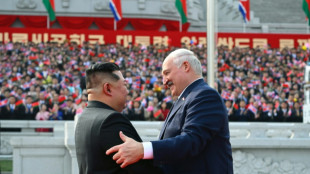 North Korea's Kim 'warmly' welcomes Belarusian leader
-
Oil edges up and equities mixed amid mixed messages on 'talks'

-
 Russian oil arrives as Philippines battles 'energy emergency'
-
G7 meets in France to narrow transatlantic Iran split

-
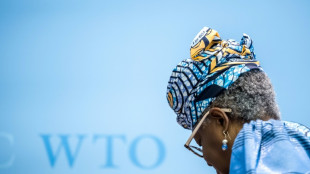 WTO mulls future of global trade under cloud of Mideast war
-
McKellar tells Waratahs to 'roll sleeves up' against rivals Brumbies

-
 Iran says 'no negotiations' as US warns to accept 15-point deal
-
Postecoglou 'not done yet' as he watches Spurs and Forest battle relegation

-
 US activists work to connect Iranians via Starlink
-
MLS dreams of global fanbase after World Cup showcase

-
 Sabalenka and Rybakina to clash again in Miami semi-final
-
Former Australian Rules player is first to come out as openly gay

-
 London plans two-day mega 100,000-runner marathon
-
UN pushes fuel solution for Cuba aid work amid US talks
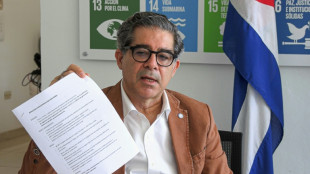
How important is sustainable development?
Economic growth and environmental protection: a balancing act with potential for the future?
At a time when climate change and environmental degradation are among the most pressing global challenges, many countries are faced with the question of how to grow economically while remaining environmentally friendly. This challenge requires innovative approaches and a reorientation of traditional economic practices.
Sustainable economic management is the key:
Sustainable economic management means using resources in such a way that the needs of the present generation are met without compromising the ability of future generations to meet their own needs. This includes integrating environmental aspects into all economic decisions. Companies and governments must consider environmental sustainability an integral part of their operations, not an added cost factor.
Promoting green technologies:
Technological progress plays a crucial role in reconciling economic growth and environmental protection. Investing in renewable energies such as wind, solar and hydroelectric power not only reduces greenhouse gas emissions, but also creates new jobs and industries. Countries that embrace green technologies early on can gain a competitive advantage and reduce their dependence on fossil fuels.
Implement a circular economy:
The traditional linear economic model – produce, consume, dispose – leads to resource waste and pollution. The circular economy, on the other hand, aims to keep materials and products in use for as long as possible, minimising waste and conserving resources. By recycling, reusing and repairing, countries can both ease the burden on the environment and reap economic benefits.
Setting the political framework:
Governments play a crucial role in creating incentives for environmentally friendly economic activity. This can be done by providing tax breaks for sustainable companies, investing in green infrastructure or setting stricter environmental standards. A prominent example is carbon pricing, which incentivises companies to reduce their emissions and invest in environmentally friendly alternatives.
Promoting education and awareness:
A shift towards a sustainable economy also requires a change in the way society thinks. Education programmes can raise awareness of environmental issues and empower the next generation to make sustainable choices. Environmentally conscious consumers can urge companies to adopt more sustainable practices.
Strengthen international cooperation:
To effectively address global environmental issues, cooperation between countries is essential. International agreements such as the Paris Climate Accord set targets for reducing greenhouse gas emissions and promote the exchange of technologies and knowledge. Through joint efforts, countries can both benefit economically and contribute to protecting the planet.
Conclusion:
reconciling economic growth and environmental protection is not an impossible task, but a necessity for a sustainable future. By promoting green technologies, implementing the circular economy, taking appropriate policy measures and cooperating internationally, countries can embark on a path that ensures both economic prosperity and the preservation of our environment. It is up to governments, businesses and individuals to actively shape this change.
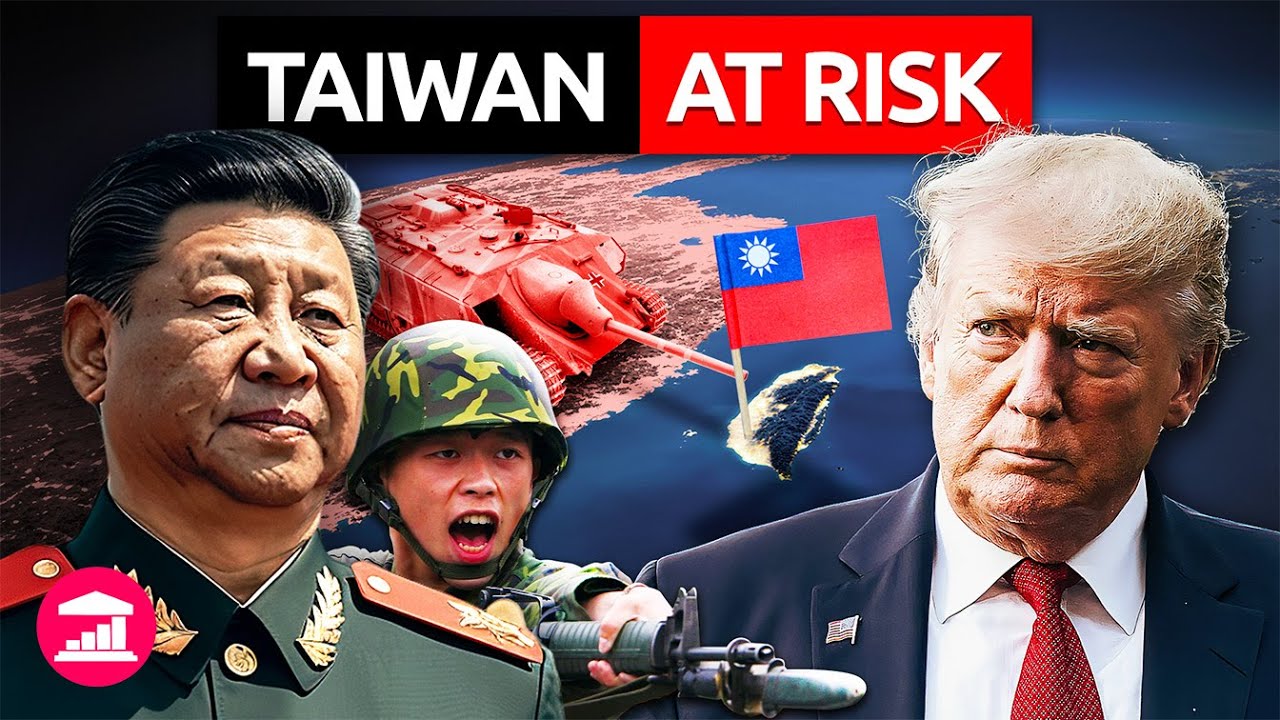
China, Trump, and the power of war?
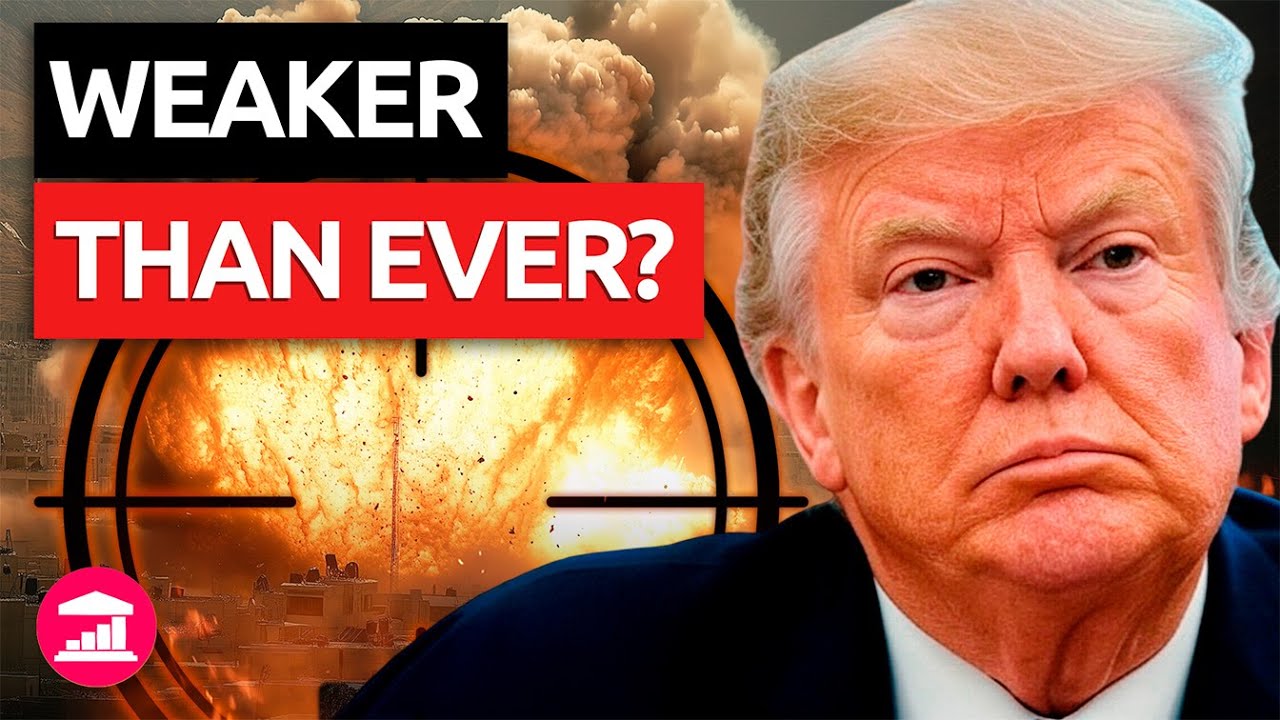
Iran's Ayatollahs the next to Fall?
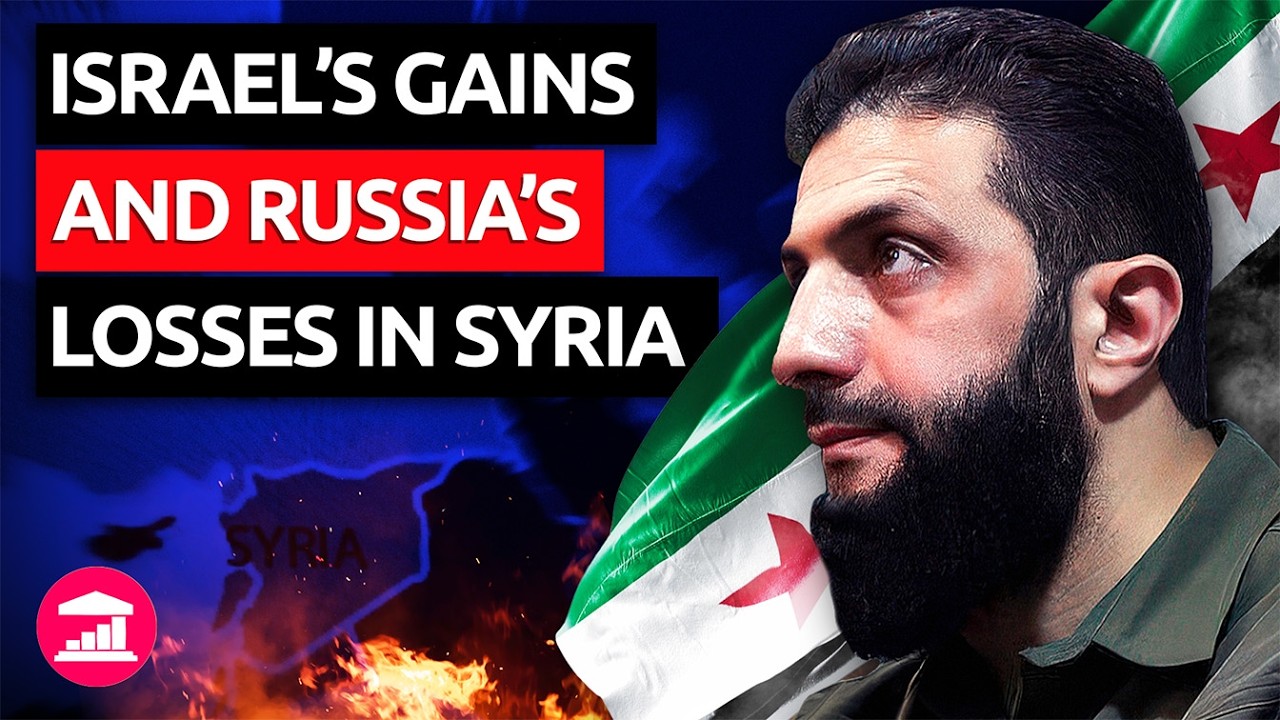
Who wins and who loses in Syria?
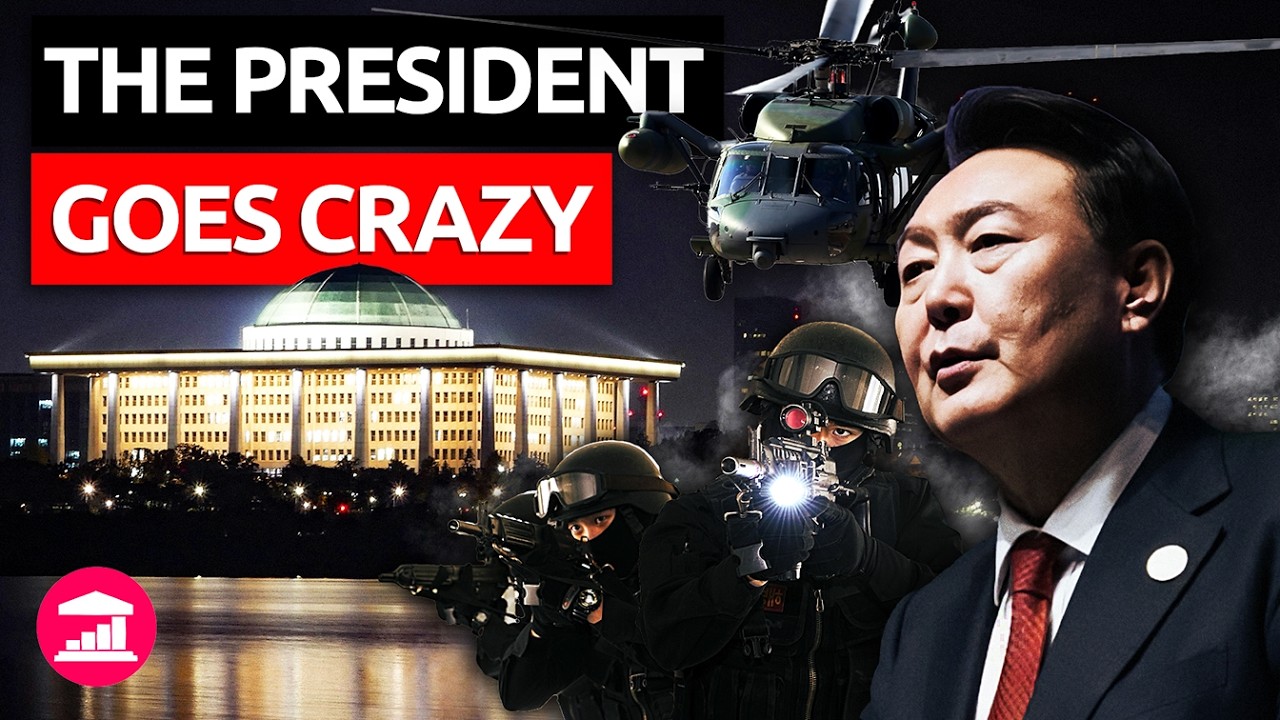
South Korea: Yoon Suk Yeol shocks Nation
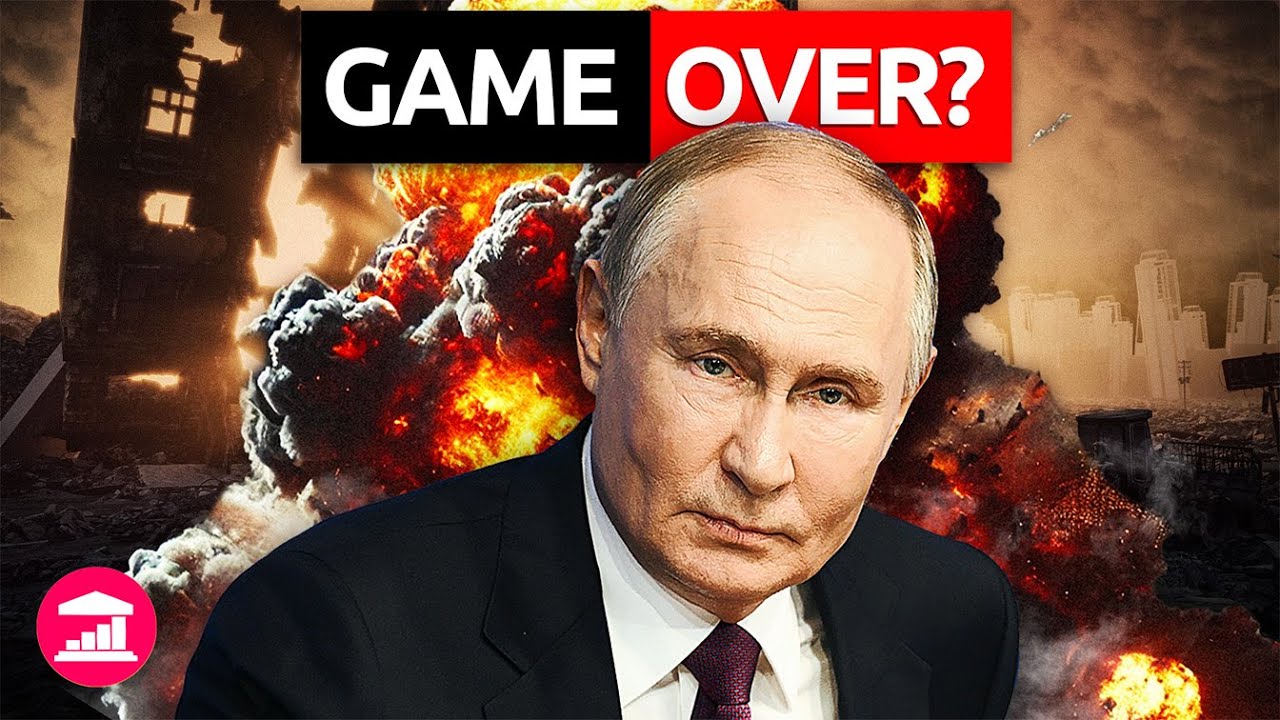
Dictator Putin threatens to destroy Kiev
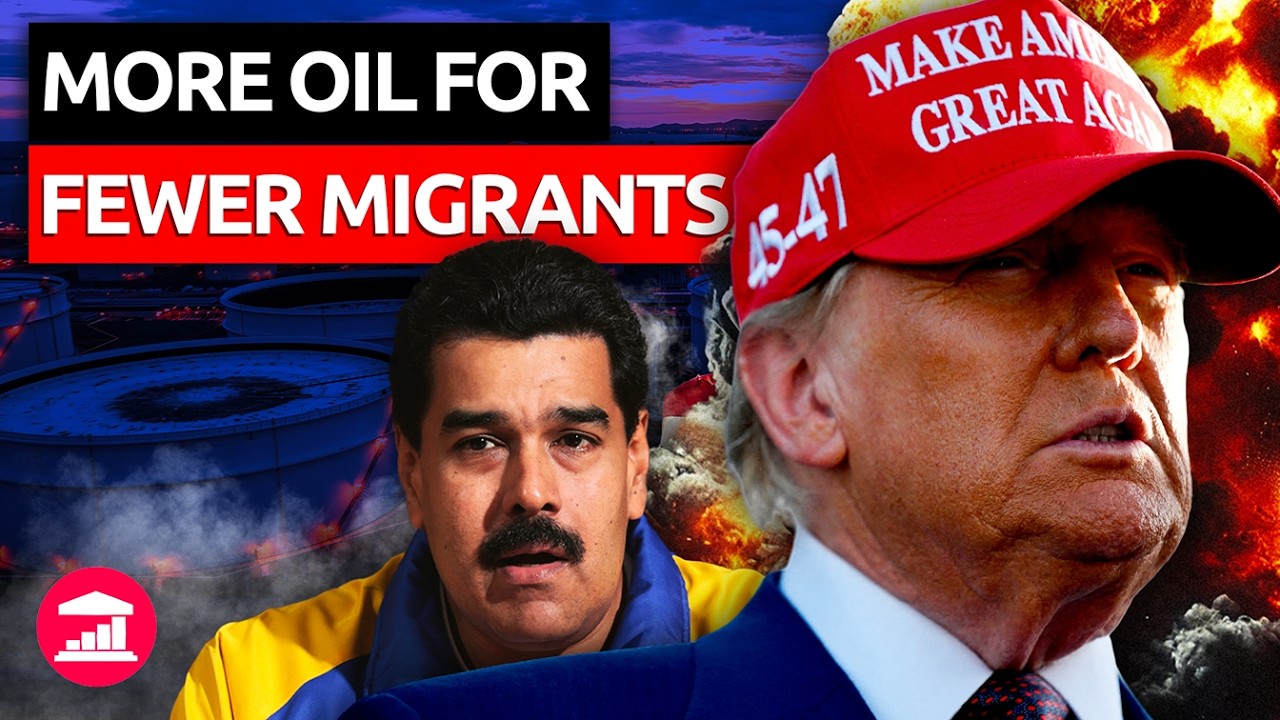
Will Trump's deportations be profitable?
Ishiba's Plan to Change Power in Asia

EU: Online platforms to pay tax?
EU: Energy independence achieved!

EU: Record number of births!

EU: Military spending is on the rise!