-
 EU parliament backs Trump tariff deal -- with conditions
-
'Return hubs' for migrants clear EU parliament hurdle
-
 Meta watchdog says grassroots fact checks risk harm to users
-
G7 meets in France to mend transatlantic rupture on Iran
-
 ByteDance quietly rolls out SeeDance 2.0 globally
-
Israel strikes Iran as Tehran rejects US talks overture

-
 Mercedes teen ace Antonelli wants more of the same after maiden win
-
Singer Rosalia quits Milan concert with food poisoning

-
 Oil climbs and equities sink amid mixed messages on 'talks'
-
'Get out': Verstappen bans reporter from Japan press conference

-
 Leaked Nepal report into deadly uprising calls for prosecuting ex-PM
-
Verstappen says last-minute F1 rule tweak will help only 'a tiny bit'

-
 Oil rises and equities mixed amid mixed messages on 'talks'
-
EU to vote on Trump tariff deal -- but eyes rest of world
-
 Somalia football slowly becomes a women's game
-
Venezuela oil reserves both entice and repel energy giants
-
 Hamilton says more committed to F1 than ever at 41
-
China bans runner after mid-marathon splits goes viral

-
 Myanmar's rebuild stutters year after deadly quake
-
Murray's 53 points propel Nuggets over Mavs

-
 Israel strikes Iran as Trump says Tehran wants deal to end war
-
Wilkinson calls for England to find consistency before World Cup

-
 Norris talks up McLaren chances after double China disaster
-
Teen sprint star Gout Gout 'ready to rock and roll' in Melbourne

-
 Hezbollah rejects truce talks as Israel presses Lebanon strikes
-
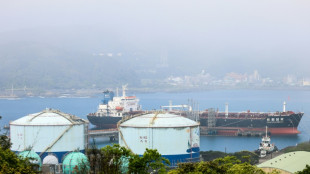
Mideast war fuels disinformation about Taiwan's gas supply
-
 Kohli, Suryavanshi to light up IPL as stampede dead remembered
-
Moon race: how China is challenging the US

-
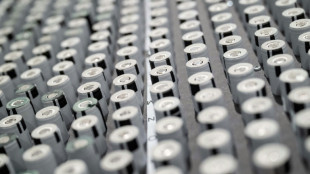 Zimbabwe lithium export ban triggers crackdown, concerns
-
Embiid, George make triumphant NBA returns in Sixers win

-
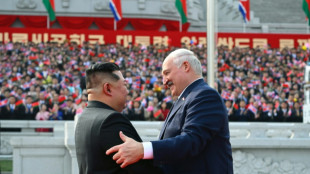 North Korea's Kim 'warmly' welcomes Belarusian leader
-
Oil edges up and equities mixed amid mixed messages on 'talks'

-
 Russian oil arrives as Philippines battles 'energy emergency'
-
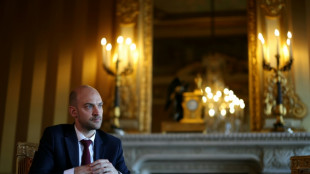
G7 meets in France to narrow transatlantic Iran split
-
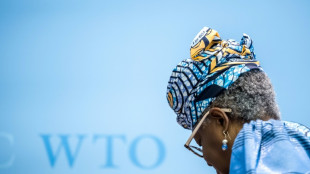 WTO mulls future of global trade under cloud of Mideast war
-
McKellar tells Waratahs to 'roll sleeves up' against rivals Brumbies

-
 Iran says 'no negotiations' as US warns to accept 15-point deal
-
Postecoglou 'not done yet' as he watches Spurs and Forest battle relegation

-
 US activists work to connect Iranians via Starlink
-
MLS dreams of global fanbase after World Cup showcase

-
 Sabalenka and Rybakina to clash again in Miami semi-final
-
Former Australian Rules player is first to come out as openly gay

-
 London plans two-day mega 100,000-runner marathon
-
UN pushes fuel solution for Cuba aid work amid US talks

-
 U.S. Mined and Refined Metals as well as Rare Earth Elements to Be Tokenized in Historic American Strategic Minerals and Datavault AI Deal
-
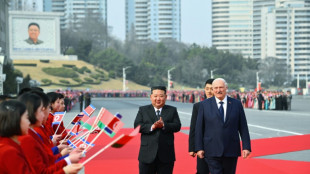
Belarus' Lukashenko greeted by North Korean leader in Pyongyang
-
 Video shows Chiefs star Mahomes making progress in NFL comeback
-
Bayern beat Man Utd in five-goal women's Champions League thriller

-
 Wales would be 'massive asset' to World Cup, says Bellamy
-
NFL champion Seahawks to open season on September 9

Germany and its outdated pension system
Germany must reform its pension system!
In the midst of an ageing society and changing labour markets, the Federal Republic of Germany is facing one of its greatest socio-political challenges: the urgent need to reform its pension system. Without timely and well-thought-out adjustments, there is a risk of financial bottlenecks and social injustices that could endanger the stability of the social system.
Demographic change as the main driver
Demographic change is indisputably the main factor putting pressure on the German pension system. The birth rate has been low for decades, while life expectancy continues to rise. This trend is leading to an ever-widening imbalance between contributors and pension recipients. According to forecasts, by 2035 almost one in three Germans will be over 65 years old. This ratio calls into question the financial viability of the pay-as-you-go pension system.
Financial sustainability at risk
The growing number of pensioners means higher expenditure for the pension funds, while income from contributions could stagnate or even fall. Without reforms, either contributions would have to be increased significantly or pension benefits cut – both scenarios that could cause social tensions. In addition, the burden on the federal budget is growing, as it already provides significant subsidies for pension insurance.
Changes in the world of work
Digitalisation and globalisation have fundamentally changed the world of work. Permanent full-time jobs are becoming rarer, while part-time jobs, solo self-employment and fixed-term contracts are on the rise. These forms of employment often lead to lower pension entitlements and increase the risk of poverty in old age. The current pension system is not sufficiently prepared for these new realities.
Intergenerational justice
Without adjustments, future generations could face a disproportionate burden. Today's young workers are financing the pensions of today's pensioners, while it is unclear whether they themselves can count on a comparable level of pensions in old age. Reform is therefore also a matter of intergenerational fairness.
Necessary reform approaches
- Increasing the retirement age
A gradual increase in the retirement age, adjusted for rising life expectancy, could relieve the pension funds. Strengthening private and occupational pension provision: Additional pension provision could be encouraged through tax incentives and information campaigns.
- Making retirement more flexible
More individual models could enable employees to retire earlier or later depending on their life situation. Integrating new forms of employment: Adjustments are needed to provide better protection for the self-employed and those in atypical employment.
- Promoting female employment
By making it easier to reconcile family and career, the employment rate can be increased, thereby attracting more contributors.
Conclusion:
Reforming the pension system is no easy task and requires courageous political decisions and a broad social consensus. However, it is indispensable to ensure financial stability and social justice in Germany. Now is the time to act in order to guarantee future generations a reliable and fair pension system.

Europe, Germany and the end of the euro?

DeepSeek: The AI everyone is talking about...
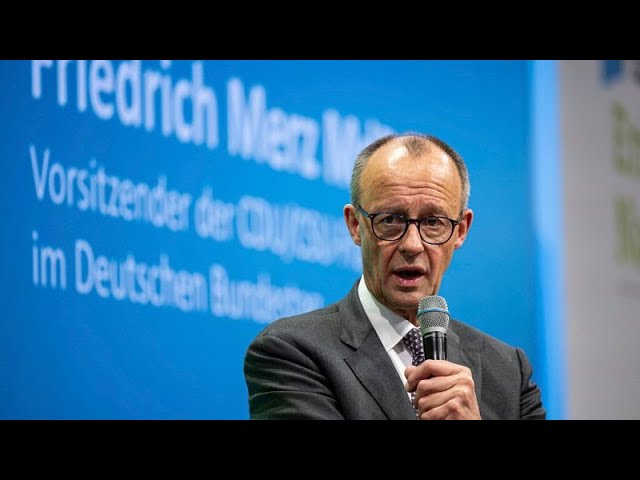
Germany: Migration reform package

Trump needs to avoid debt Collapse

The Roman Empire and its downfall?

Argentina, Milei and the US dollar?
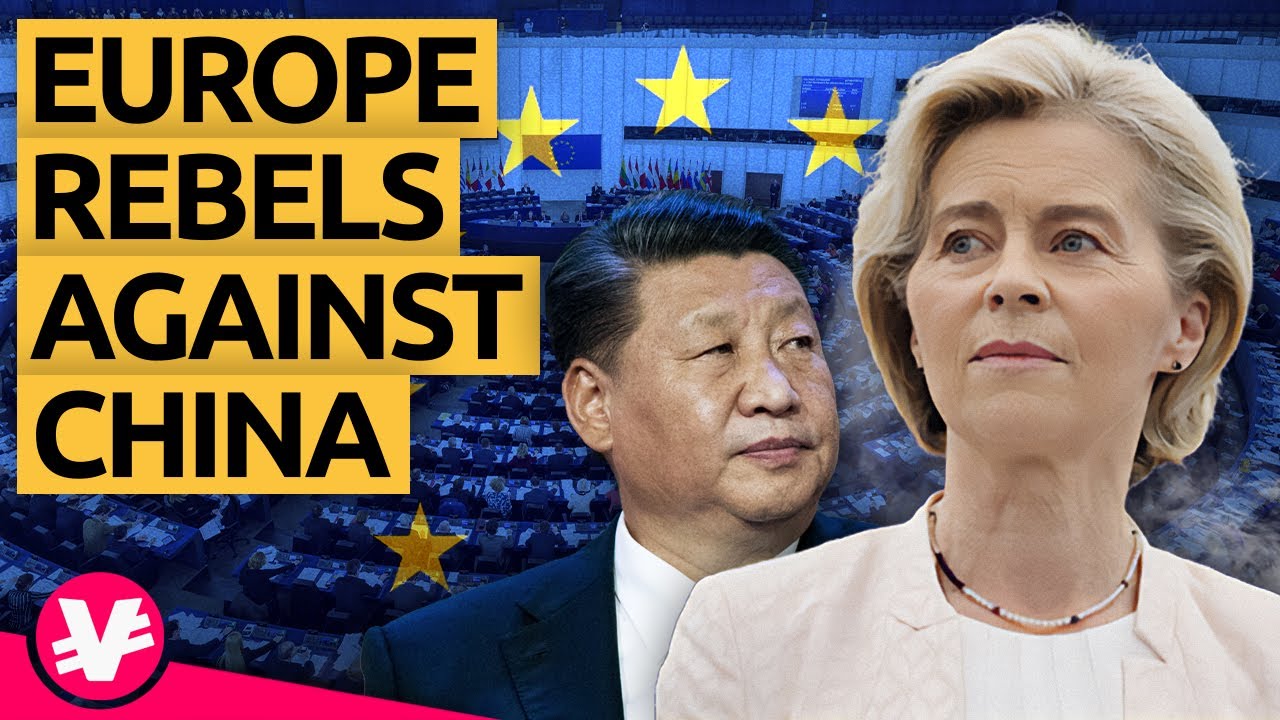
Is this Europe's plan for China?

Donald J. Trump: America is back
Meta's announcements and digital services?

Hungary: China's CATL battery factory
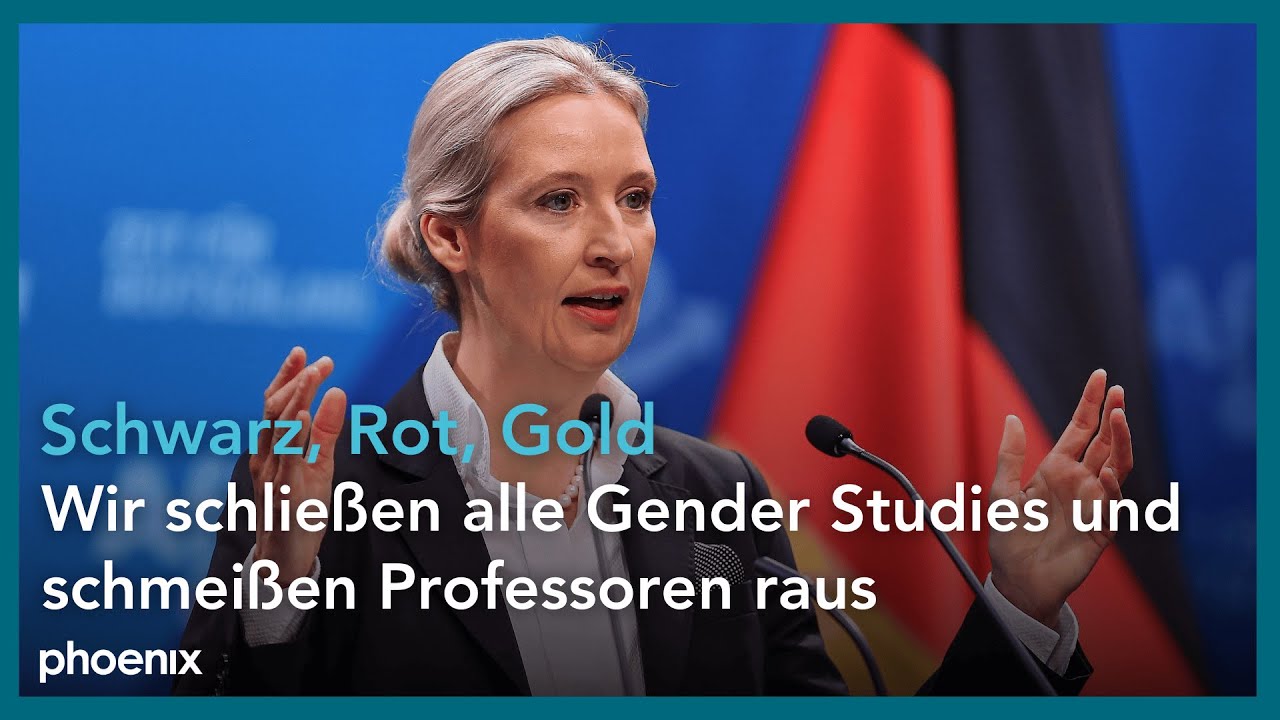
Alice Weidel: AfD Chancellor Candidate 2025