
-
 Verstappen says last-minute F1 rule tweak will help only 'a tiny bit'
-
Oil rises and equities mixed amid mixed messages on 'talks'

-
 EU to vote on Trump tariff deal -- but eyes rest of world
-
Somalia football slowly becomes a women's game

-
 Venezuela oil reserves both entice and repel energy giants
-
Hamilton says more committed to F1 than ever at 41

-
 China bans runner after mid-marathon splits goes viral
-
Myanmar's rebuild stutters year after deadly quake
-
 Murray's 53 points propel Nuggets over Mavs
-
Israel strikes Iran as Trump says Tehran wants deal to end war
-
 Wilkinson calls for England to find consistency before World Cup
-
Norris talks up McLaren chances after double China disaster
-
 Teen sprint star Gout Gout 'ready to rock and roll' in Melbourne
-
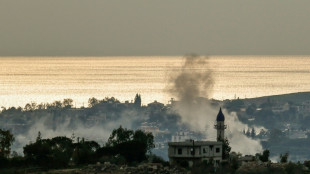
Hezbollah rejects truce talks as Israel presses Lebanon strikes
-
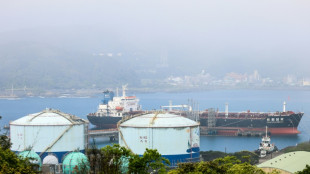 Mideast war fuels disinformation about Taiwan's gas supply
-
Kohli, Suryavanshi to light up IPL as stampede dead remembered

-
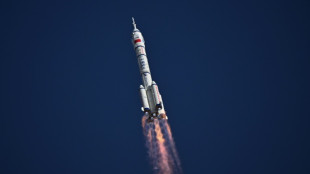 Moon race: how China is challenging the US
-
Zimbabwe lithium export ban triggers crackdown, concerns
-
 Embiid, George make triumphant NBA returns in Sixers win
-
North Korea's Kim 'warmly' welcomes Belarusian leader
-
 Oil edges up and equities mixed amid mixed messages on 'talks'
-
Russian oil arrives as Philippines battles 'energy emergency'
-
 G7 meets in France to narrow transatlantic Iran split
-
WTO mulls future of global trade under cloud of Mideast war
-
 McKellar tells Waratahs to 'roll sleeves up' against rivals Brumbies
-
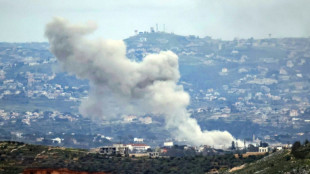
Iran says 'no negotiations' as US warns to accept 15-point deal
-
 Postecoglou 'not done yet' as he watches Spurs and Forest battle relegation
-
US activists work to connect Iranians via Starlink

-
 MLS dreams of global fanbase after World Cup showcase
-
Sabalenka and Rybakina to clash again in Miami semi-final

-
 Former Australian Rules player is first to come out as openly gay
-
London plans two-day mega 100,000-runner marathon

-
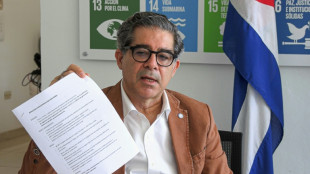 UN pushes fuel solution for Cuba aid work amid US talks
-
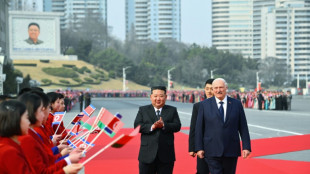
Belarus' Lukashenko greeted by North Korean leader in Pyongyang
-
 Video shows Chiefs star Mahomes making progress in NFL comeback
-
Bayern beat Man Utd in five-goal women's Champions League thriller

-
 Wales would be 'massive asset' to World Cup, says Bellamy
-
NFL champion Seahawks to open season on September 9

-
 Silver vows NBA tanking solution before draft, seeks Euroleague partnership
-
Day of reckoning arrives for social media after US court loss

-
 World Cup concerns are exaggerated, says FIFA vice-president
-
NBA team owners approve exploring expansion to Seattle and Las Vegas

-
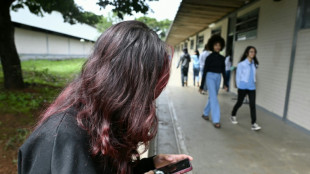 UK teenagers to trial social media bans, digital curfews
-
World champions England still 'unfinished' ahead of Six Nations, says Mitchell

-
 Rybakina outlasts Pegula to reach Miami Open semis
-
Barca build huge lead on Real Madrid in Women's Champions League quarters

-
 Alleged Rihanna mansion shooter pleads not guilty
-
US says Iran talks continue, will 'unleash hell' if no deal
-
 UN designates African slave trade as 'gravest crime against humanity'
-
Trump's Beijing trip rescheduled for May, after Iran delay
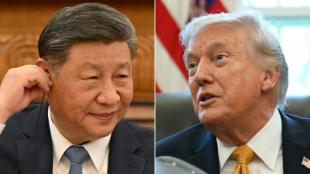
Ishiba's Plan to Change Power in Asia
Is Japan Preparing for War? Ishiba's Vision to Redefine Power in Asia
In a world where geopolitical tensions are intensifying, Japan finds itself at a crossroads. At the centre of this discussion is Shigeru Ishiba, a prominent Japanese politician and former defence minister, whose bold proposals to reshape Japan's security policies are sparking widespread debate. Is Japan merely safeguarding its sovereignty, or is it actively preparing for conflict?
A Paradigm Shift in Japanese Defence
Since the end of World War II, Japan has adhered strictly to its pacifist constitution, particularly Article 9, which renounces the use of war as a means of settling international disputes. However, as global power dynamics evolve and regional threats grow, Ishiba and other leaders argue that Japan must modernise its approach to defence.
Ishiba has proposed a significant expansion of Japan’s military capabilities, including increased defence spending, the development of advanced technologies such as missile defence systems, and a shift towards a proactive deterrence strategy. These measures, he asserts, are necessary to counter the rising influence of China and North Korea's nuclear threat.
The Strategic Context: Asia in Flux
Japan’s strategic positioning in Asia has long been a delicate balancing act. With China's growing assertiveness in the South China Sea, Taiwan Strait, and East China Sea, Ishiba’s call for a stronger Japanese military aims to counterbalance Beijing’s influence. North Korea’s missile tests and unpredictable behaviour further exacerbate the urgency for a robust Japanese defence policy.
Ishiba’s proposals align with the broader trend of Indo-Pacific nations strengthening security alliances, including Japan's growing collaboration with the United States, Australia, and India under the Quadrilateral Security Dialogue (Quad). These partnerships are seen as essential to maintaining regional stability and ensuring a free and open Indo-Pacific.
Domestic and International Reactions
Domestically, Ishiba’s vision has faced both support and opposition. Proponents argue that his policies are pragmatic and essential for Japan’s survival in an increasingly volatile region. Critics, however, worry that such moves could escalate tensions and provoke adversaries. The debate also revives questions about the reinterpretation of Japan’s pacifist constitution and its implications for national identity.
On the international stage, Ishiba’s stance has drawn mixed reactions. Allies like the United States welcome Japan’s increased commitment to regional security, while China and North Korea view these developments as provocative and destabilising.
Preparing for Conflict or Preserving Peace?
Ishiba has repeatedly emphasised that his aim is not to prepare for war but to prevent it. He argues that a strong deterrent capability is the best way to avoid conflict and maintain peace in the region. However, critics contend that expanding Japan's military footprint could trigger an arms race and inadvertently increase the likelihood of confrontation.
The Road Ahead
As Japan navigates these turbulent waters, Ishiba’s vision represents a pivotal moment in the country’s post-war history. Whether his proposals will redefine Japan’s role in Asia or exacerbate regional tensions remains to be seen. What is certain, however, is that Japan’s future decisions will have profound implications not only for its own security but for the broader balance of power in Asia.
As the world watches, the question remains: Is Japan preparing for war, or is it merely adapting to a new era of uncertainty? In answering this question, the nation must grapple with the delicate balance between safeguarding its future and upholding the ideals that have defined its modern identity.
Ukraine: Problem with the ceasefire?

Ukraine Loses Kursk: A Collapse?
Russia's "Alliance" in the Balkans is sinking

US Federal Reserve with “announcement”

Germany doesn't want any more migrants?

Wealth that Brazil is not utilizing!
Taiwan: Is the "Silicon Shield" collapsing?

Next Chancellor of Germany and Trump

Russia and the terrorism against Ukraine

US: Trump begins mass deportations!

Truth: The end of the ‘Roman Empire’



