-
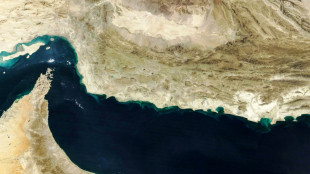
 Oil climbs and equities sink amid mixed messages on 'talks'
-
'Get out': Verstappen bans reporter from Japan press conference

-
 Leaked Nepal report into deadly uprising calls for prosecuting ex-PM
-
Verstappen says last-minute F1 rule tweak will help only 'a tiny bit'

-
 Oil rises and equities mixed amid mixed messages on 'talks'
-
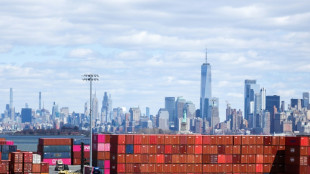
EU to vote on Trump tariff deal -- but eyes rest of world
-
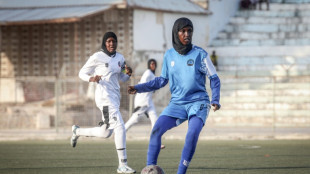 Somalia football slowly becomes a women's game
-
Venezuela oil reserves both entice and repel energy giants
-
 Hamilton says more committed to F1 than ever at 41
-
China bans runner after mid-marathon splits goes viral

-
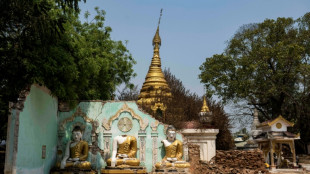 Myanmar's rebuild stutters year after deadly quake
-
Murray's 53 points propel Nuggets over Mavs

-
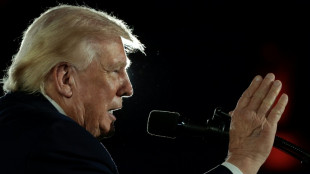 Israel strikes Iran as Trump says Tehran wants deal to end war
-
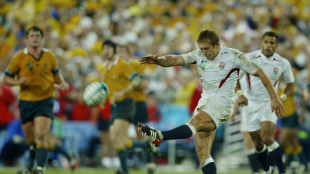
Wilkinson calls for England to find consistency before World Cup
-
 Norris talks up McLaren chances after double China disaster
-
Teen sprint star Gout Gout 'ready to rock and roll' in Melbourne
-
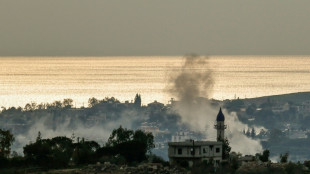 Hezbollah rejects truce talks as Israel presses Lebanon strikes
-
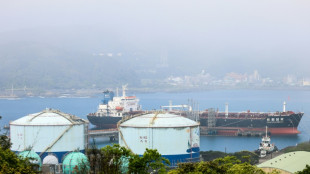
Mideast war fuels disinformation about Taiwan's gas supply
-
 Kohli, Suryavanshi to light up IPL as stampede dead remembered
-
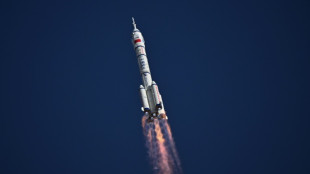
Moon race: how China is challenging the US
-
 Zimbabwe lithium export ban triggers crackdown, concerns
-
Embiid, George make triumphant NBA returns in Sixers win

-
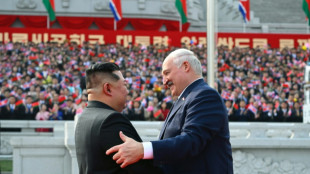 North Korea's Kim 'warmly' welcomes Belarusian leader
-
Oil edges up and equities mixed amid mixed messages on 'talks'
-
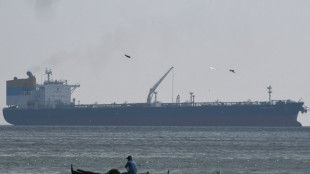 Russian oil arrives as Philippines battles 'energy emergency'
-
G7 meets in France to narrow transatlantic Iran split
-
 WTO mulls future of global trade under cloud of Mideast war
-
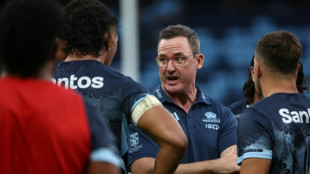
McKellar tells Waratahs to 'roll sleeves up' against rivals Brumbies
-
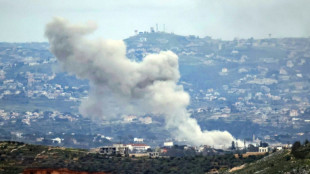 Iran says 'no negotiations' as US warns to accept 15-point deal
-
Postecoglou 'not done yet' as he watches Spurs and Forest battle relegation

-
 US activists work to connect Iranians via Starlink
-
MLS dreams of global fanbase after World Cup showcase

-
 Sabalenka and Rybakina to clash again in Miami semi-final
-
Former Australian Rules player is first to come out as openly gay
-
 London plans two-day mega 100,000-runner marathon
-
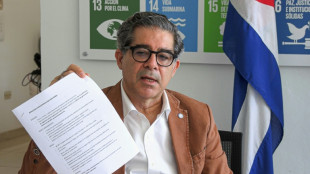
UN pushes fuel solution for Cuba aid work amid US talks
-
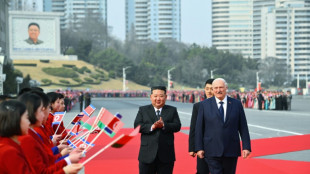 Belarus' Lukashenko greeted by North Korean leader in Pyongyang
-
Video shows Chiefs star Mahomes making progress in NFL comeback

-
 Bayern beat Man Utd in five-goal women's Champions League thriller
-
Wales would be 'massive asset' to World Cup, says Bellamy

-
 NFL champion Seahawks to open season on September 9
-
Silver vows NBA tanking solution before draft, seeks Euroleague partnership
-
 Day of reckoning arrives for social media after US court loss
-
World Cup concerns are exaggerated, says FIFA vice-president
-
 NBA team owners approve exploring expansion to Seattle and Las Vegas
-
UK teenagers to trial social media bans, digital curfews
-
 World champions England still 'unfinished' ahead of Six Nations, says Mitchell
-
Rybakina outlasts Pegula to reach Miami Open semis

-
 Barca build huge lead on Real Madrid in Women's Champions League quarters
-
Alleged Rihanna mansion shooter pleads not guilty

South Korea: Yoon Suk Yeol shocks Nation
South Korea in Crisis: President Yoon Suk Yeol's Coup Shakes the Nation
In a stunning and unprecedented move, South Korean President Yoon Suk Yeol has attempted to seize absolute power, plunging the nation into political chaos. On the night of December 3, President Yoon declared martial law, suspended the National Assembly, and deployed soldiers to surround its premises, effectively paralysing the country’s democratic institutions. The world is watching in shock as one of Asia’s most stable democracies faces an uncertain future.
The Coup: A Nation in Shock
The events unfolded rapidly on a cold December night, leaving South Koreans and the international community reeling. President Yoon cited national security threats and alleged internal dissent as justification for his actions, but critics are calling it a blatant power grab. By suspending the National Assembly—South Korea’s legislative body—Yoon has undermined the very foundation of the nation’s democratic system.
Eyewitnesses reported heavy military presence in the capital, Seoul, as soldiers and armoured vehicles took positions near government buildings. Communication networks were temporarily disrupted, adding to the confusion. The swift and calculated nature of the coup suggests months of planning, raising questions about who within the government and military may have supported the move.
Immediate Reactions: Outrage and Resistance
The coup has sparked widespread outrage among South Koreans. Protesters took to the streets in major cities, waving banners and chanting slogans calling for Yoon’s resignation. Opposition leaders condemned the move as a betrayal of the democratic values South Korea has upheld since its transition from military rule in the 1980s.
International leaders, including the US-President Joe Biden who is still in office until 20 January 2025 and Japanese Prime Minister Fumio Kishida, have expressed grave concern. The United Nations has called for an emergency session to address the situation, while human rights organisations warn of potential crackdowns on dissent.
What Led to This Crisis?
President Yoon’s tenure has been marked by polarising leadership and a growing divide between conservatives and progressives. Critics argue that his administration’s inability to address pressing economic challenges, such as rising housing costs and youth unemployment, eroded public trust. Yoon’s approval ratings had plummeted in recent months, and his administration faced mounting scrutiny over alleged corruption scandals.
While Yoon’s justification for the coup includes vague references to national security threats, experts believe the move was motivated by a desire to cling to power amidst growing opposition. Some speculate that internal disagreements within his party and the prospect of impeachment may have pushed Yoon to take drastic action.
The Role of the Military
The military’s involvement in the coup is particularly troubling for a country with a history of authoritarian rule. South Korea transitioned to a democracy in 1987 after decades of military dictatorship, and the armed forces have since remained apolitical. Yoon’s ability to mobilise the military raises questions about divisions within the armed forces and whether dissenting voices exist among its ranks.
Should significant portions of the military oppose Yoon’s actions, the possibility of a counter-coup or internal conflict could further destabilise the nation.
Implications for South Korea’s Future
The attempted coup casts a shadow over South Korea’s hard-earned reputation as a thriving democracy. Its political stability and economic strength have made it a key player in the global arena, but this crisis threatens to derail decades of progress.
Domestically, the suspension of democratic institutions could lead to widespread unrest, civil disobedience, and a protracted power struggle. Economically, investor confidence is likely to plummet, jeopardising South Korea’s status as a global technology and trade hub.
On the international stage, the coup could strain alliances, particularly with the United States, which has long regarded South Korea as a crucial ally in countering North Korea and maintaining regional stability. China and North Korea, meanwhile, may view the situation as an opportunity to exploit South Korea’s weakened state.
The Road Ahead: Democracy or Dictatorship?
The fate of South Korea now hinges on the response of its citizens, political leaders, and international allies. Opposition parties have called for immediate action to restore democracy, including mass protests and legal challenges. Meanwhile, world leaders face the delicate task of pressuring Yoon’s government while avoiding escalation.
The unfolding crisis serves as a stark reminder that even the most established democracies are not immune to authoritarian tendencies. For South Korea, the road ahead is fraught with uncertainty, but its people have shown resilience before. Whether the nation emerges from this crisis as a stronger democracy or succumbs to authoritarian rule will shape its future—and its place in the world—for generations to come.

EU: Greenpeace warns of dying farms

EU: Tariffs on all Chinese electric Cars
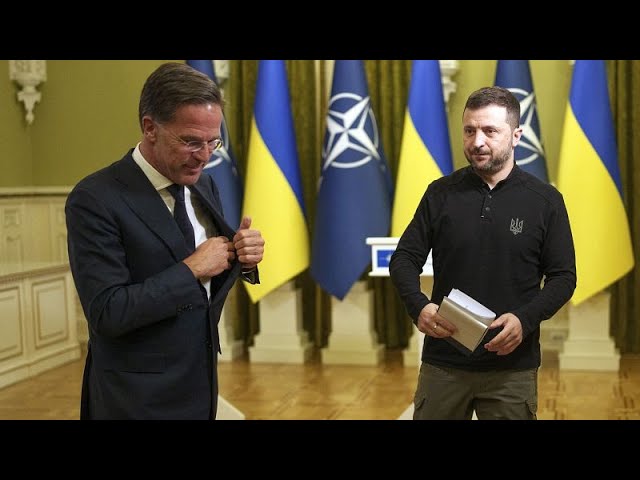
Zelenskyy: ‘What worked in Israel work also in Ukraine’
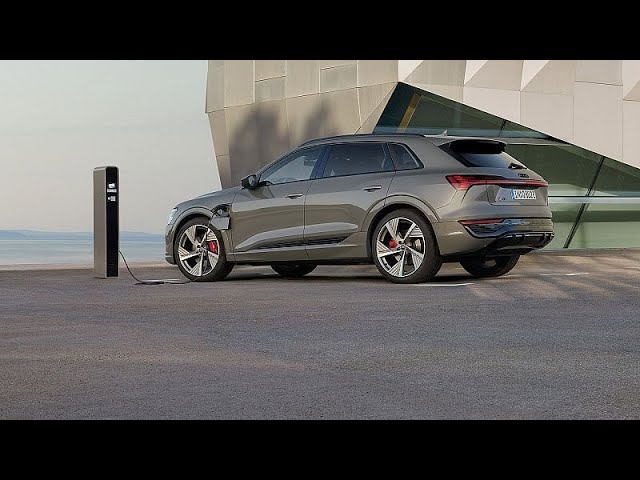
Electric car crisis: Future of a Audi plant?
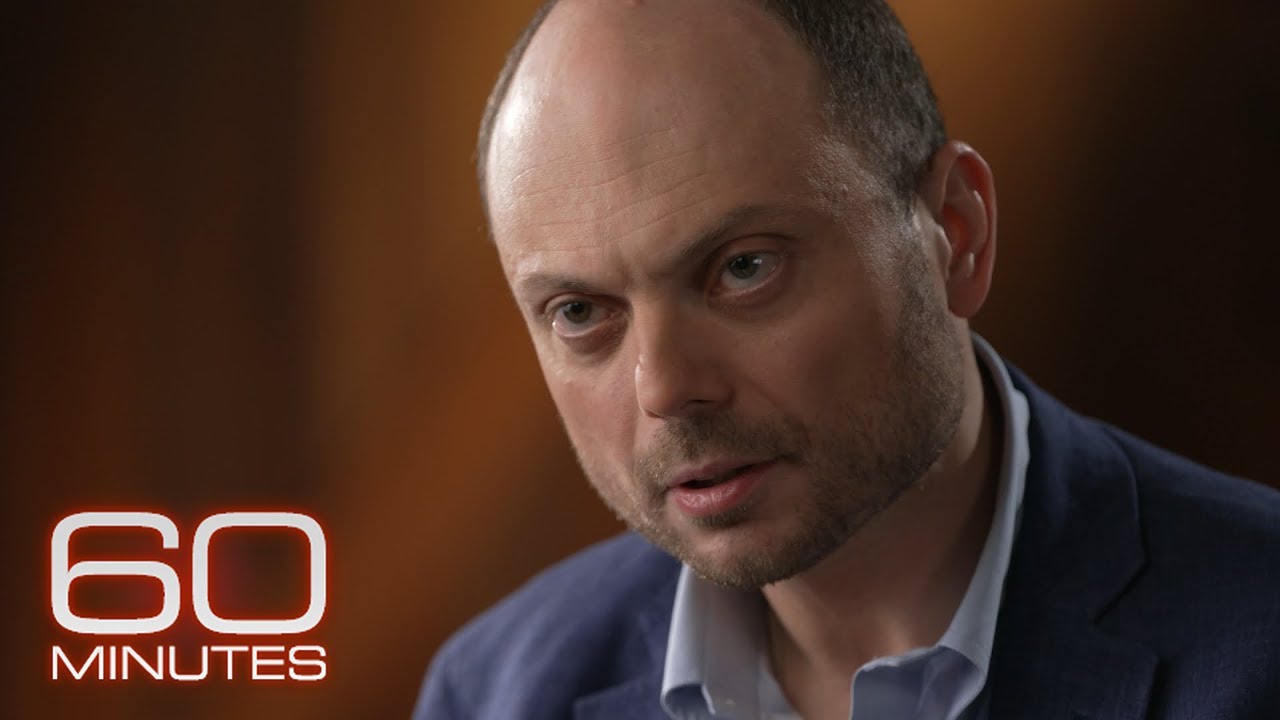
Vladimir Putin, War criminal and Dictator of Russia
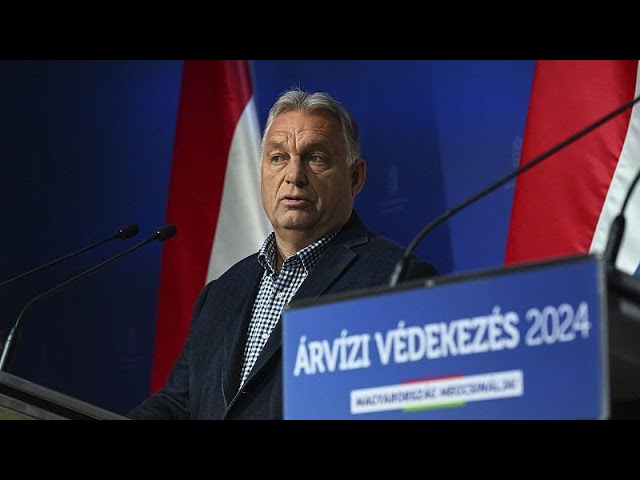
EU vs. Hungary: Lawsuit over ‘national sovereignty’ law
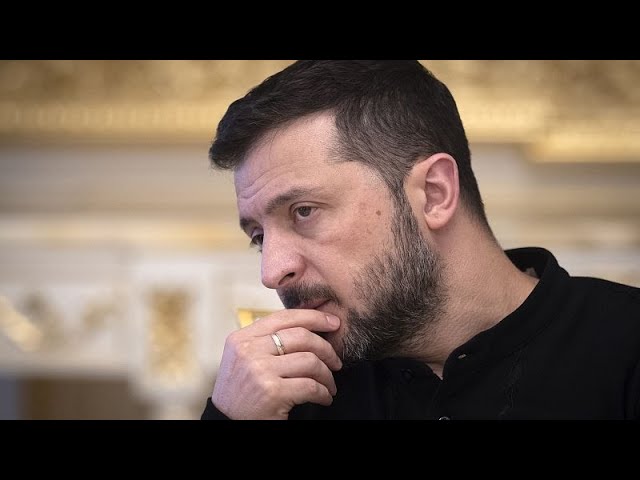
Ukraine: Zelenskyy appeals for international aid
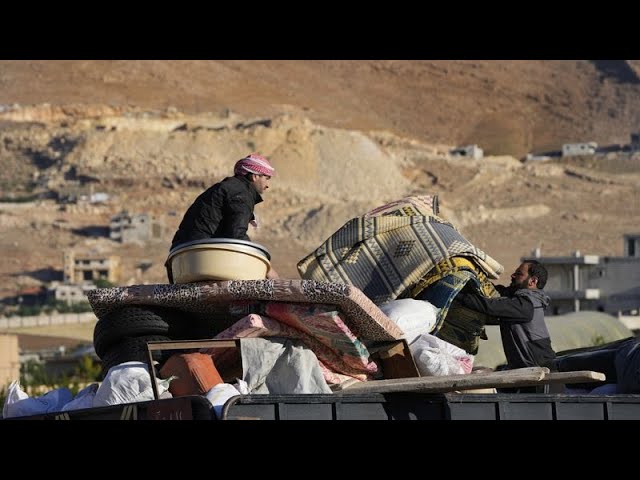
Lebanon: Is a new wave of refugees coming to the EU?
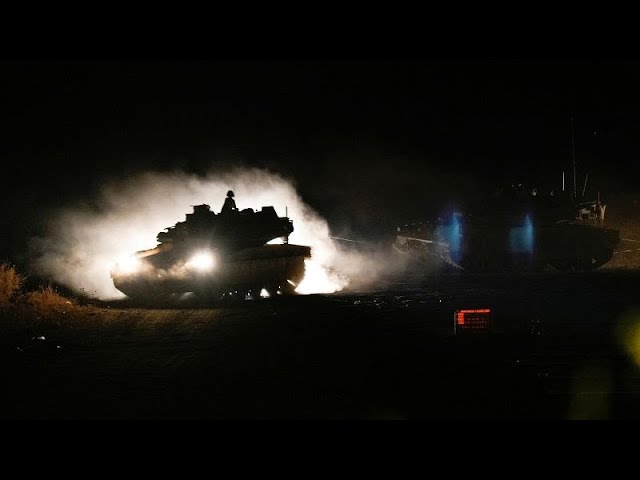
Terrorist state Iran attacks Israel with missiles
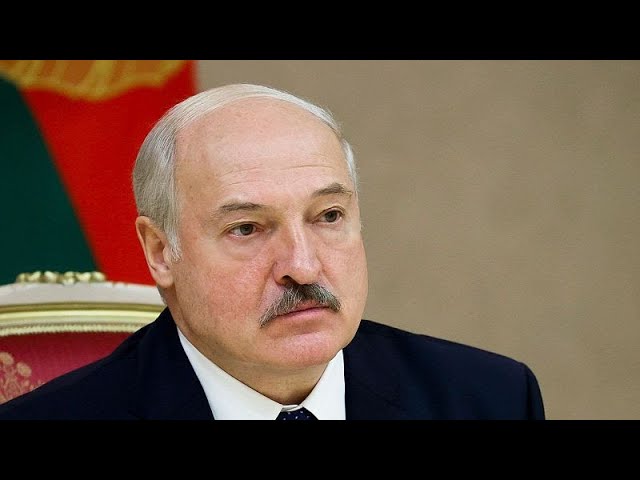
Belarus: ICC investigates dictator Lukashenko
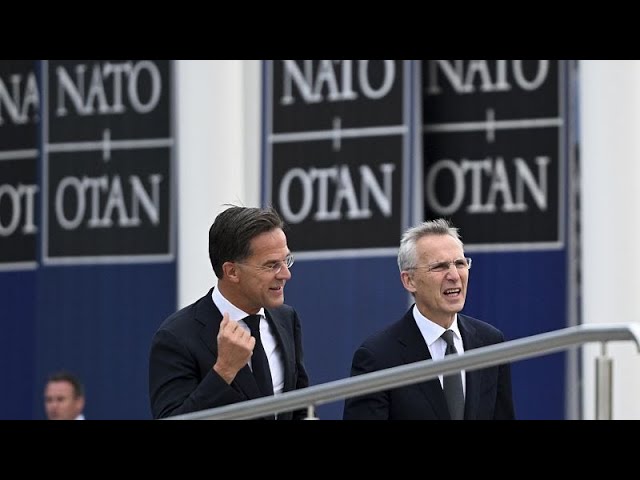
NATO: Ukraine ‘at the top of the list!’