-
 Marchand 'stressed' about racing Japanese rivals at LA Olympics
-
Missing F-35 fighter parts 'not sensitive', says Australia minister
-
 Mobile boat clinics bring healthcare to India's remote islands
-
Cambodia showcases scams crackdown with global conference

-
 Former India paceman Zaheer Khan named Chennai coach in IPL
-
Afghan cyclist who disguised herself as man wins Asian Games silver

-
 Six-year-old Chinese girl sets world record with Rubik's Cube
-
Typhoon Dujuan leaves four dead in Japan, 45,000 houses without power
-
 Swimming prodigy Yu, 13, says 'interviews way harder than racing'
-
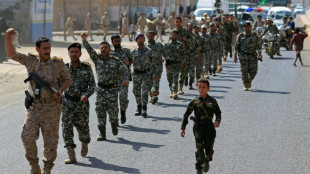
G7 leaders condemn Houthi strikes on Saudi Arabia
-
 Star coaches make their bows as Nations League returns
-
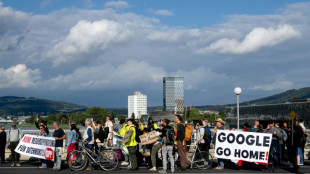
Google data centre sparks protests in Austria
-
 Rams bounce back as Giants reel from Dart injury
-
Shin Ohashi: Junk food-loving teen and Japan's next big swimming hope

-
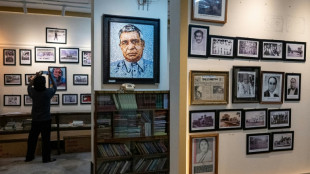 In Bangladesh, Pakistan's Jinnah photo stirs anger
-
Stocks rise on AI buzz, drop in oil prices
-
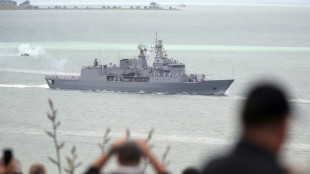 Two New Zealand naval ships transit Taiwan Strait
-
China's robot dancers limber up for America's Got Talent final

-
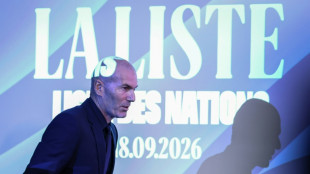 Zidane gets down to work as France start new era
-
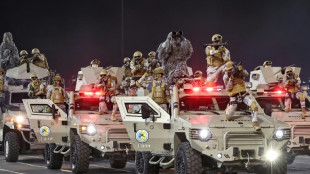
Despite military might, Saudi struggles to crush the Houthis
-
 Inside the Venezuelan prison meant to 'drive you insane'
-
Trump to tout deals, defend Iran war in UN speech

-
 UK king braces as memoir by Diana's brother goes on sale
-
Sri Lanka to issue verdict in landmark Easter attack trial

-
 Akkodis and Hamburg Public Transport Association Showcase hvv mia at InnoTrans 2026, Demonstrating the Future of AI-Powered Mobility
-
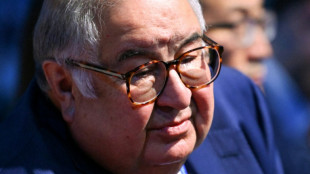
No green light to lift EU sanctions on Russian oligarchs, talks to resume
-
 Macron says talks with Trump on Red Sea, Ukraine 'constructive'
-
UK agrees support for Saudi in struggle with Houthis: reports

-
 Green policies just good politics, says UK minister
-
EU foreign policy chief calls for continued sanctions on Russia
-
 Bardot auction in Paris fetches nearly one million euros
-
Flights scrapped, evacuations urged as Typhoon Dujuan wallops Japan

-
 No timeline on Daniels injury return, says Commanders coach
-
Fonseca to take break from tennis

-
 British Columbia sues OpenAI in US court over Canada school shooting
-
A Cuban zoo, and its animals, in epic battle for survival

-
 French star Batum retires after 18-year NBA career
-
Infantino proposes consulting federations to reform FIFA
-
 Zidane leads first France training session
-
El Nino weather pattern enters record territory: scientist
-
 Man shot by ICE agent in Texas detained with bullet inside him: lawyer
-
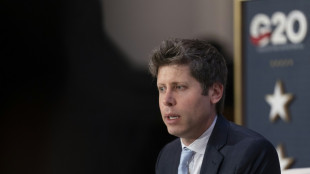
OpenAI calls for US to lead global effort on AI standards
-
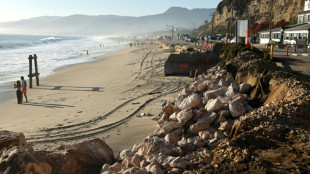 California declares state of emergency ahead of El Nino
-
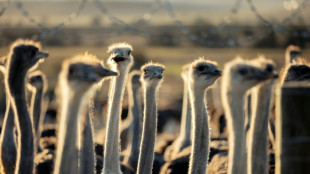
South African ostriches plucked alive for luxury fashion: report
-
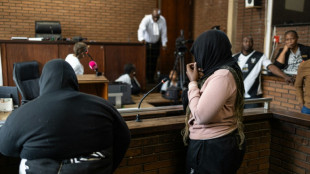 South Africa arrests three more suspects, after nine women murdered
-
US networks halt Trump coverage in revolt over White House ban

-
 Carse needs time away from England, says captain Brook
-
Paramount settles with US states to clear Warner Bros. mega-merger

-
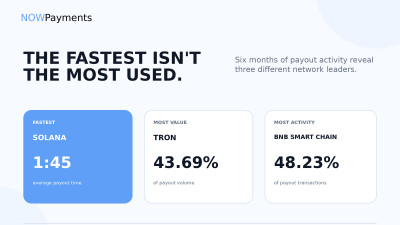 NOWPayments Releases Cross-Chain Payout Data Revealing Key Performance Benchmarks Across TRON, BNB Chain, and Solana
-
Climate crisis a job for world leaders, not just activists: UK FM

Who wins and who loses in Syria?
In a dramatic turning point for Syria, the Assad regime has collapsed, paving the way for Hay’at Tahrir al-Sham (HTS) to seize the reins of power. This profound shift comes after years of civil war, international intervention, and internal political struggles. While the fall of one government and the rise of another might briefly end large-scale hostilities in certain areas, the implications for Syrians—and regional players—are complex and far-reaching. Below, we examine who stands to benefit from HTS’s ascension and who may face serious setbacks in the aftermath.
Potential Winners
1) Hardline Islamist Groups and Affiliates
As HTS consolidates its influence, other aligned Islamist factions may find opportunities to share in governing structures or expand their influence in regions of Syria. Local militias cooperating with HTS may receive political or financial rewards, as well as a certain degree of autonomy in the territories they help control.
2) Foreign Backers of HTS
Certain external supporters might see political or strategic advantages if their preferred groups are now in charge. These backers could influence the formation of new governmental institutions, policies, or trade agreements favorable to their interests.
3) Some Local Communities Under HTS Control
In areas where HTS had already established local governance—providing basic services and a semblance of stability—residents might see a continuation of order, albeit under strict regulations. While personal freedoms may be curbed, some communities might prefer an end to intense fighting over the chaos of ongoing armed conflict.
Potential Losers
4) Moderate Opposition Groups
Non-extremist factions that fought to topple the Assad regime could be sidelined, if not outright suppressed, by the new leadership. Political competition might be stifled, making it difficult for moderate voices to participate in post-conflict governance.
5) Ethnic and Religious Minorities
With HTS widely considered a hardline faction, minority groups—such as Alawites, Christians, Kurds, and Druze—may face persecution or exclusion from the new power structure. Discriminatory policies could lead to displacement, especially in regions already experiencing sectarian tension.
6) Civil Society and Human Rights Advocates
NGOs, independent journalists, and activists critical of HTS’s ideology may be forced to operate clandestinely or face severe repercussions. Freedom of the press, speech, and assembly could be further curtailed, limiting any meaningful civic engagement.
7) International Humanitarian Efforts
Foreign aid agencies may find it more difficult to operate under a leadership that has been labeled “extremist” by many nations. Bureaucratic hurdles, security risks, and ideological disputes may restrict the distribution of crucial humanitarian assistance to vulnerable populations.
International Dynamics
Regional Powers:
Neighboring countries that once supported specific rebel factions might find their influence diminished if those groups lose ground under HTS rule. Conversely, regional actors that developed covert ties with HTS might gain a stronger foothold in Syria’s evolving political landscape.
Global Powers:
Western nations could face a dilemma: accept a de facto extremist-led government for the sake of stability, or maintain sanctions and diplomatic isolation. Rivalries between larger international players—such as the United States, Russia, and Iran—may shift as each decides how (or whether) to engage with HTS.
Humanitarian Concerns:
While HTS’s political agenda may bring an end to certain forms of internal conflict, Syria still faces severe humanitarian challenges. Millions are displaced, infrastructure is in ruins, and the economy remains fragile. Aid agencies worry that severely restrictive policies or ideological conditions set by the new authorities could hamper reconstruction and limit aid distribution, prolonging the suffering of ordinary Syrians.
Looking Ahead
The end of the Assad regime and the rise of HTS marks a new chapter in Syria’s ongoing struggle. For some, the new government provides a semblance of order after years of civil war. For others, it heralds tighter social controls, greater risk of persecution, and an uncertain future. How HTS manages governance, minority rights, and international relations will ultimately shape Syria’s recovery or further turmoil.
As the global community watches from afar, Syrians remain on the front lines of this dramatic power shift—some hoping for a break from ceaseless conflict, others bracing for a new and possibly harsher form of authoritarian rule. Only time will tell if HTS can stabilize the country and address the nation’s myriad challenges, or if Syria’s years of turmoil will persist under a different banner.
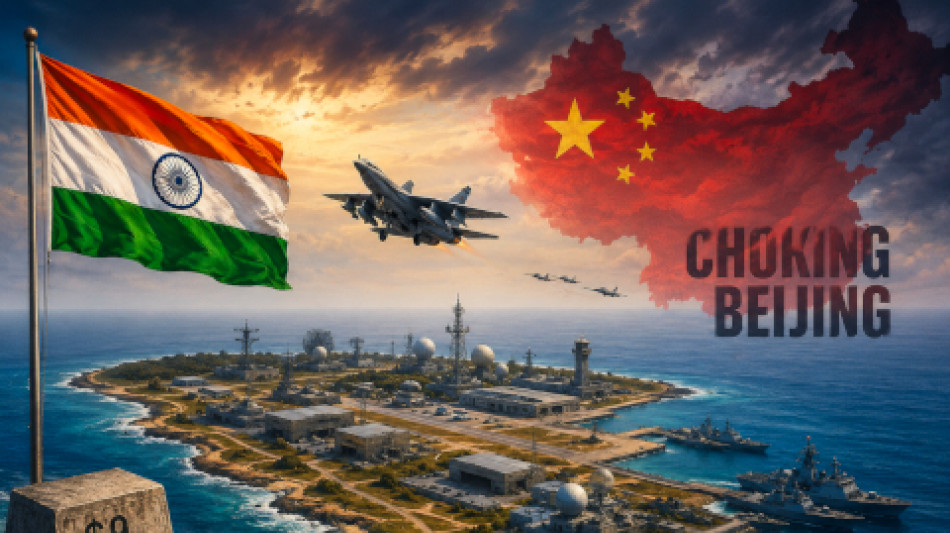
India's island choke point

After Europe’s capitulation

Trump vs Intel: Chip endgame?

Operation Venezuela: Scenario

Venezuela braces after Strike
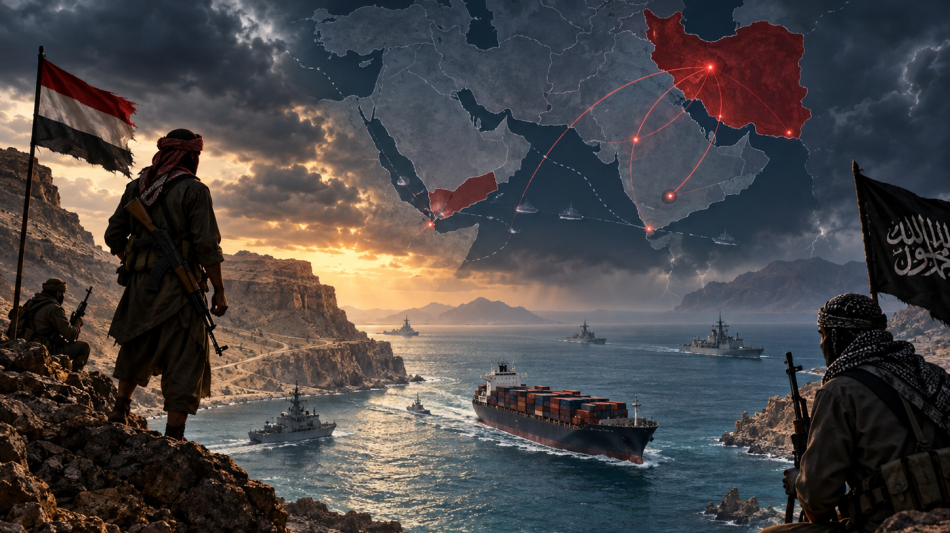
Houthis and al-Qaeda

Argentina reshapes oil

India defies U.S. tariffs

AI sparks Wall Street panic
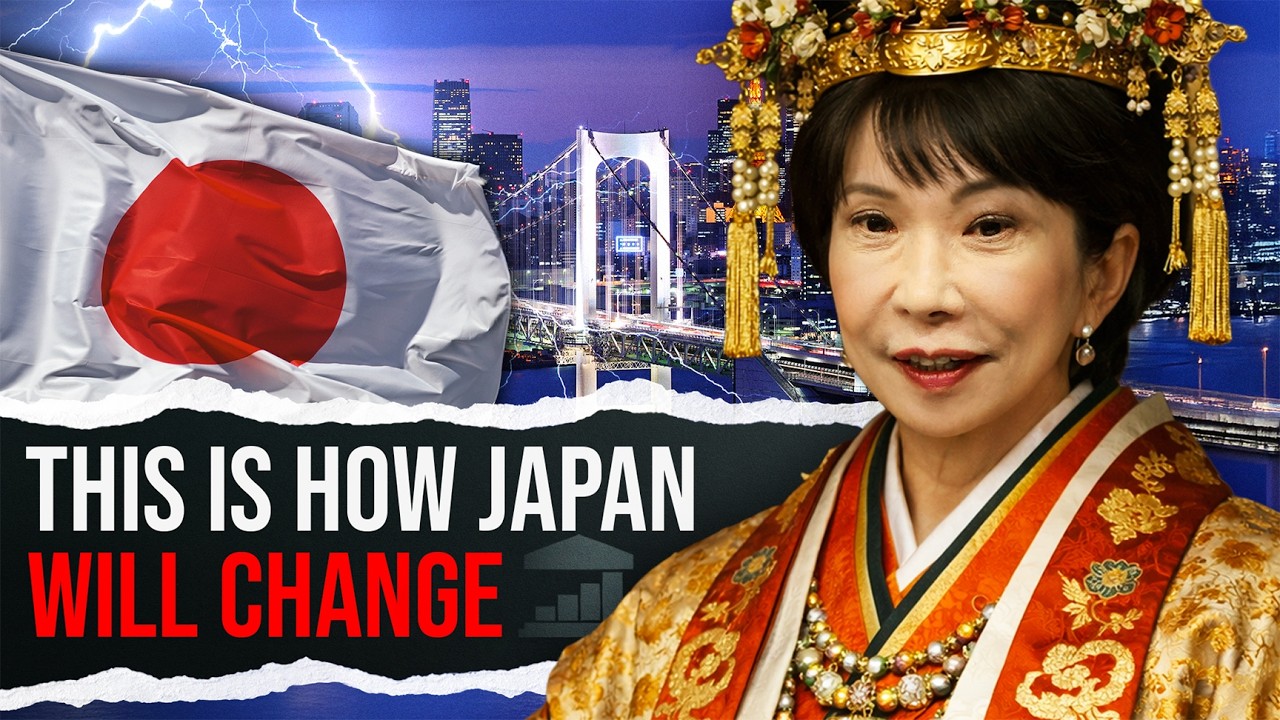
Japan’s right‑turn triumph

Nicaragua on the brink?