-
 Russia probes bear attacks, as official says town under 'siege'
-
China prodigy wins third Games gold as North Korea weightlifters roar
-
 Robertson tells Spurs to 'forget' past woes
-
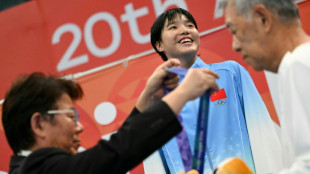
China's Yu, 13, wins third Asian Games gold but has 'some regrets'
-
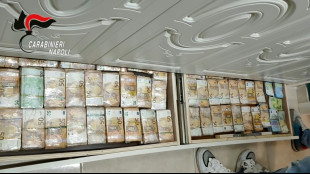 Italy police find 3 million euros stashed in mobster's house
-
Oil falls, stocks steady as Trump hails 'good' Iran talks
-
 Renard versus Queiroz in AFCON qualifying blockbuster
-
UK sets up unit to combat disinformation from Russia, AI
-
 Former Mexico boss Aguirre returns to Spain with Valencia
-
ICC convicts C.Africa rebel leader
-
 China swimmer, 13, seals Games hat-trick as North Korea win first gold
-
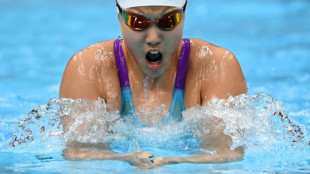
China's Yu, 13, wins third gold with latest Asian Games record
-
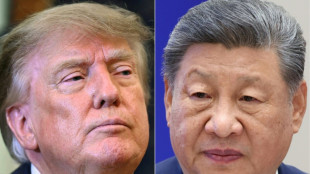 China's Xi heads to US for talks with Trump: state media
-
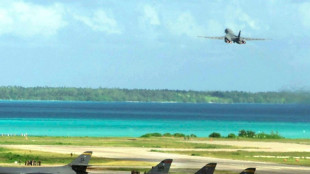
UK says will revisit Chagos deal after latest Trump criticism
-
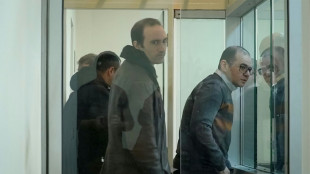 Azerbaijan pardons Frenchman after EU lifts sanctions on oligarchs
-
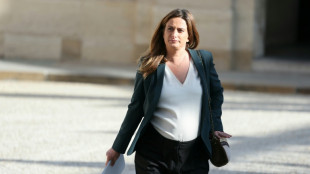
In first, French presidential candidate gives birth during campaign
-
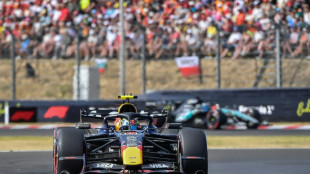 Hadjar extends Red Bull contract for 2027 F1 season
-
Cambodia no 'safe haven' for cyberscams, PM says
-
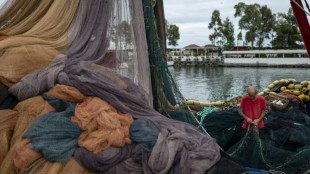 Black Sea drone attacks spell terror for Turkish sailors
-
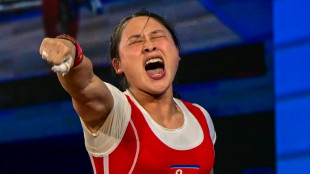
North Korea weightlifter sets three world records for Asian Games gold
-
 Canada judge to decide prison term for suicide poison seller
-
A Full Moon for Every Child: STARTRADER's STARCARES Brings Support to SOS Children's Village Ho Chi Minh City

-
 Weinstein faces resentencing in New York for 2006 sex assault
-
Meta leans into AI, smart glasses amid privacy pushback
-
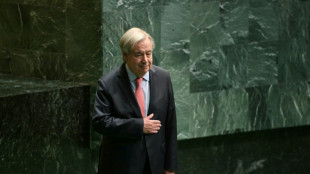 Outgoing UN chief makes climate push at New York summit
-
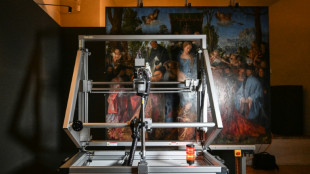
Battered Duerer masterpiece up for five-year revamp
-
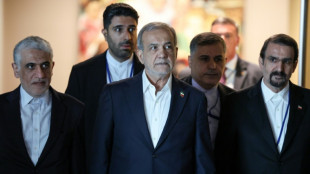 AI risks, Iran war to take center stage at UN
-
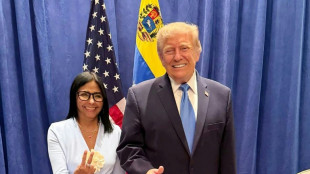
Trump met with Venezuela's interim leader at UN
-
 Badminton no.1 An tells dad to keep it down at Asian Games
-
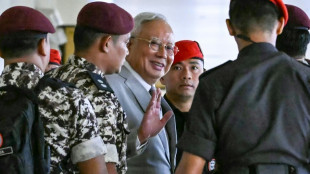
Malaysia furore after Najib wins conditional house arrest
-
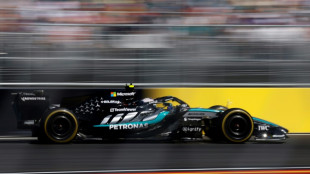 Runaway leader Antonelli eyeing third straight win
-
Italy hope for new dawn under Mancini
-
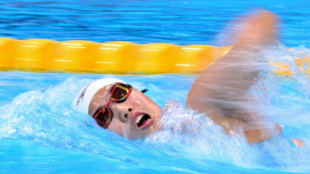 Schoolgirl Yu, 13, fastest again in bid for third Asian Games gold
-
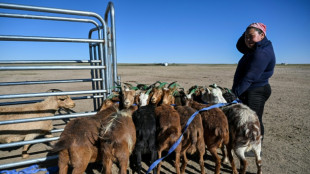
Mongolian herders enlist new tech against harsher, drier climate
-
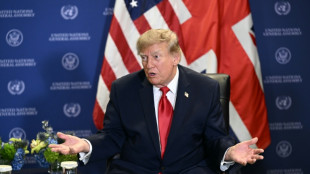 Oil prices fall after Trump hails 'good' talks with Iran
-
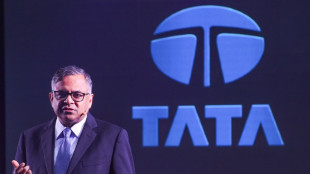
Tata turmoil shines light on India succession woes
-
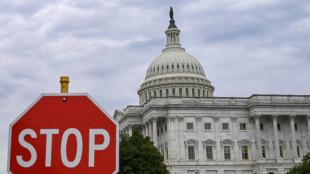 AI political ads warp reality ahead of US midterms
-
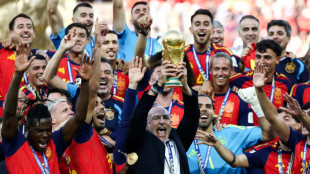
World Cup 'not enough' as Spain begin next chapter
-
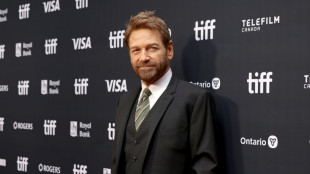 Kenneth Branagh embraces action hero role -- to get in shape
-
Meta acts against 3.7 mn scammers' accounts with Singapore police help
-
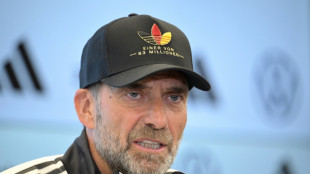 'New one' Klopp promises fresh approach as Germany reign begins
-
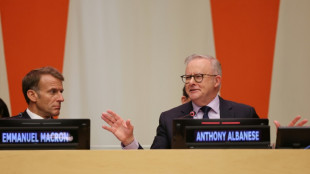
Australia PM says draft social media rules about taking back control
-
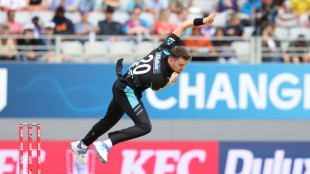 Milne returns to New Zealand squad for India T20 series
-
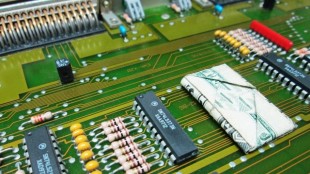
SmartVendor Brings Autonomous Retail to the Czech Parliament; Clears Europe's Toughest Privacy Bar with SHEKEL WeightAI(TM)
-
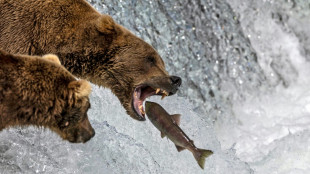 Voting opens in Alaska's annual Fat Bear Week
-
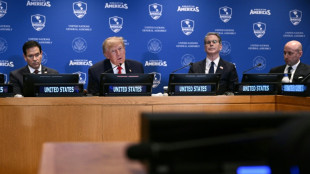
US-led Americas coalition backs sanctions against crime groups
-
 MLS coach axed for telling female ref 'It's a man's game'
-
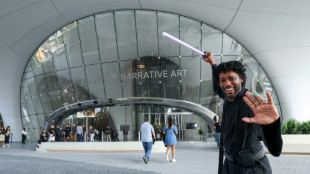
'Star Wars' fans and art lovers line up for new Lucas museum
-
 US refuses to give Sudan's de facto leader visa for UN
-
Trump renames AI 'super intelligence' as leaders jostle over dangers
Russia: Is Putin's time nearly up?
The reign of Russian dictator and war criminal Vladimir Putin (72) has spanned more than two decades, characterized by tight control over domestic politics, a formidable security apparatus, and accusations of organized corruption within ruling circles. As 2025 approaches, questions arise about the longevity of this power structure: could Putin and what some call his “criminal power apparatus” be at risk of losing power?
The Current Political Landscape - Constitutional Amendments:
In 2020, Russia’s constitution was amended, allowing Putin to seek additional terms. Critics argue that this move secured his grip on power and could enable him to remain in office until 2036. However, these legal changes have not entirely quelled public discontent, particularly among younger Russians eager for political and economic reforms.
Tightening Repression
Over the past few years, opposition figures and independent journalists have faced increasing pressure—from arrests to legal restrictions on free speech. Detractors say this crackdown reflects concern within the Kremlin about a growing undercurrent of dissatisfaction, including fears of large-scale protests.
Economic Strains
Western sanctions, imposed in response to Russia’s foreign policy choices and alleged human rights abuses, continue to bite. A struggling economy may weaken the social contract between the ruling elite and the broader population, especially as living standards fail to improve.
Possible Pathways to a Loss of Power - Popular Protest and Grassroots Movements:
Dissatisfaction with corruption, economic stagnation, and political repression could spark large-scale demonstrations. If protest movements gain momentum—similar to events in other post-Soviet states—the Kremlin may struggle to maintain total control.
Elite Fragmentation
Putin’s inner circle comprises powerful oligarchs, security officials, and political loyalists. Internal power struggles, sparked by competing economic interests or frustration with ongoing sanctions, could undermine the president’s position. In a worst-case scenario for the Kremlin, factions within the elite might unite behind an alternative leader, potentially orchestrating a smooth transition or even a coup.
Geopolitical Fallout
Russia’s international standing has diminished in some circles due to conflicts like the war in Ukraine. Should military or diplomatic ventures fail, or sanctions intensify, public opinion could turn sharply against the current regime, eroding the facade of strength Putin has built.
Obstacles to Regime Change - Consolidated Power Structures:
Putin’s administration has effectively centralized power, with loyalists overseeing defense, security, and major financial institutions. This entrenched network makes any direct challenge difficult, as potential opponents often lack the institutional leverage to mount a serious campaign for change.
State-Run Media
Russian state media wields considerable influence, shaping public perception by promoting official narratives and downplaying dissent. A significant share of the population remains loyal, or at least resigned, to the status quo—partly due to selective media coverage.
Security Apparatus
Instruments like the Federal Security Service (FSB) and the National Guard have shown readiness to suppress protests and harass opposition leaders. Their loyalty to the Kremlin remains a key pillar preventing large-scale destabilization.
Scenarios for 2025 and Beyond - Gradual Transition:
Putin, possibly eyeing his legacy, might orchestrate a carefully managed succession. A handpicked successor could maintain most of the existing power structures, mitigating radical upheaval. This scenario protects the interests of the political elite while granting nominal reforms to placate an increasingly restless public.
Sudden Upheaval
A culmination of economic woes, elite rivalries, and public unrest could trigger a rapid collapse of the regime. Though still less likely given Russia’s robust security institutions, the potential for sudden change cannot be discounted.
Maintaining the Status Quo
Despite the speculation, Putin’s leadership might endure if economic conditions stabilize or if repression remains effective. Continued centralization of power and control over media channels could solidify the Kremlin’s dominance well past 2025.
Conclusion
While the idea of Vladimir Putin and his so-called “criminal power apparatus” losing control in 2025 makes for a compelling debate, multiple factors will influence the outcome—ranging from grassroots discontent to elite power struggles and geopolitical pressures. Despite growing dissatisfaction and economic challenges, the Kremlin still commands significant tools of control. Whether these tools will suffice in the face of mounting pressures remains one of the most important questions for Russia’s future.
As 2025 nears, Russia’s political trajectory stands at a crossroads. The prospect of major change is neither guaranteed nor impossible. Ultimately, the stability of Putin’s reign will depend on how effectively he navigates the economic, social, and international pressures that continue to shape Russia’s destiny.
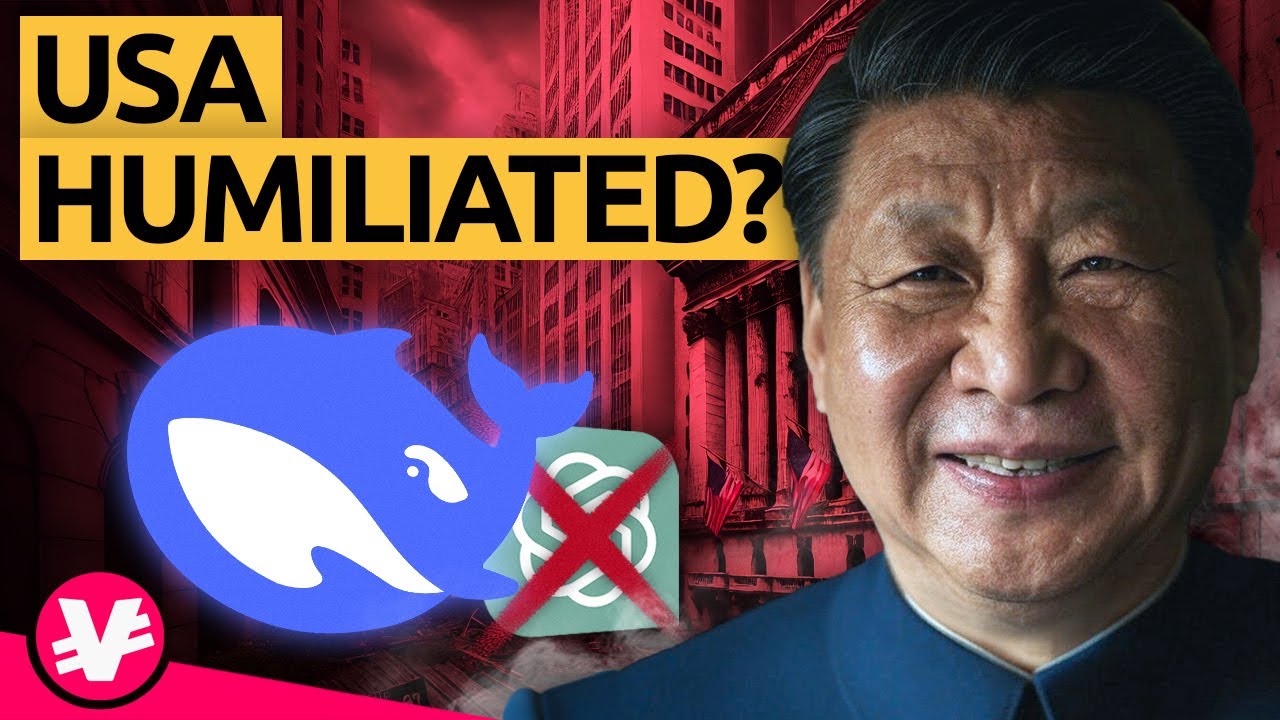
DeepSeek: The AI everyone is talking about...
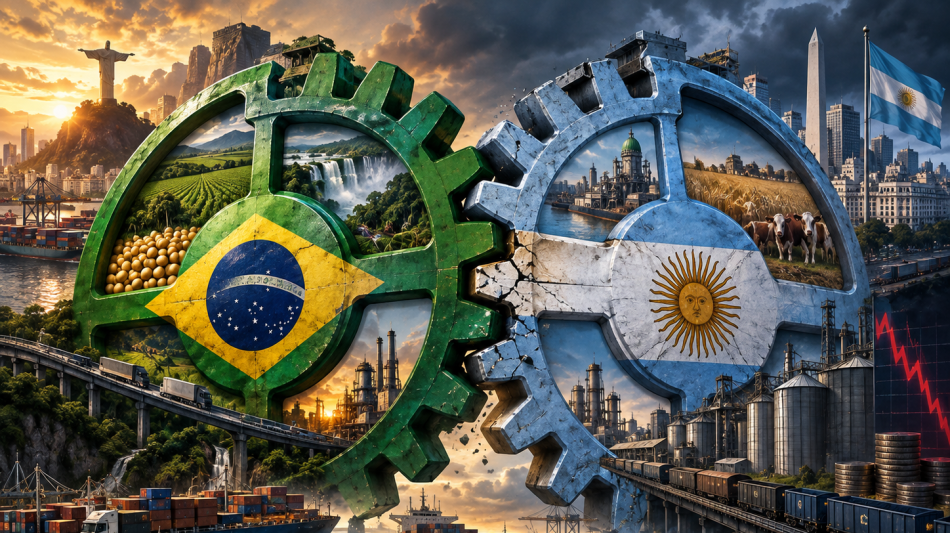
Brazil tests Milei’s gamble
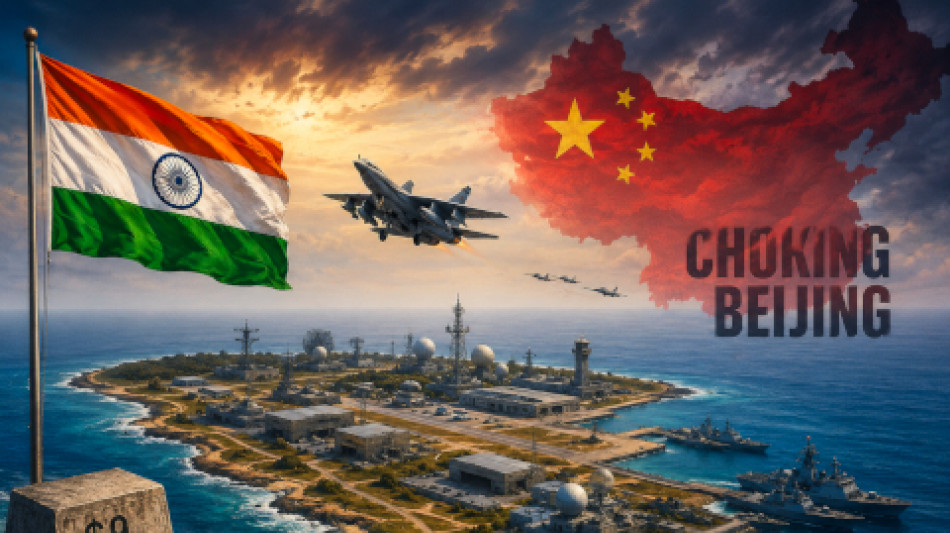
India's island choke point
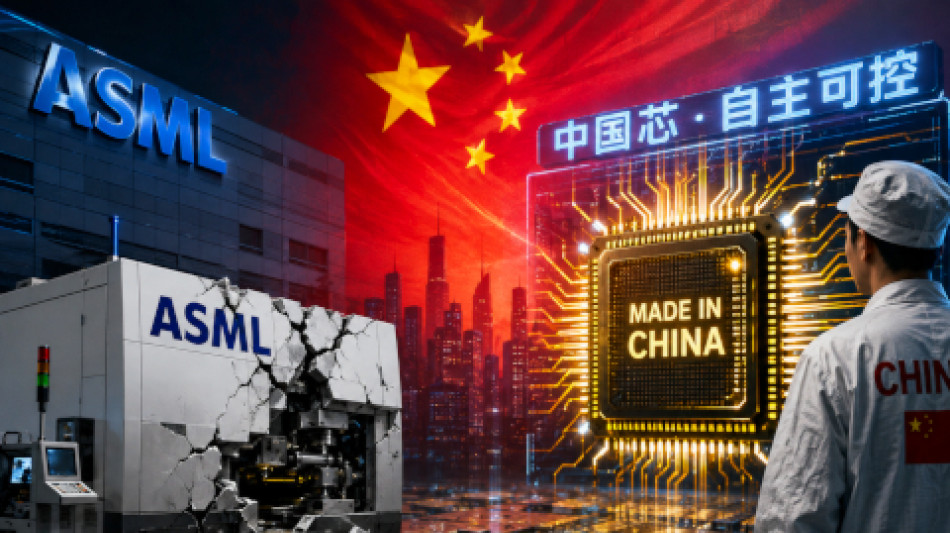
China’s lithography leap
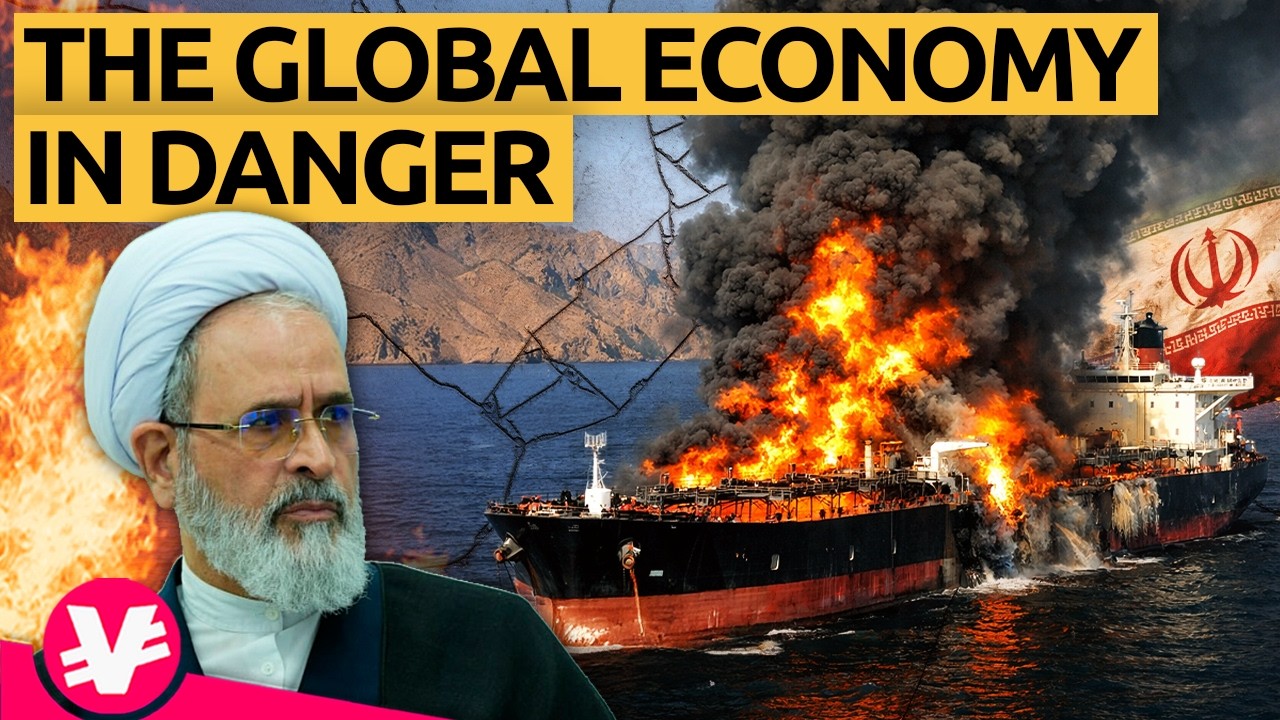
Hormuz Shock Risk rising
Cuba's golden Goose dies
AI sparks Wall Street panic
EU misstep on mercosur Deal
Argentina reshapes oil
Power at the Heart of Iran
EU India deal gains unveiled