-
 Newcomers South Korea face holders Italy in Davis Cup finals
-
Stocks climb as oil slides, AI buzz returns
-
 Japan's Kojima sounds Marchand warning with Asian Games gold
-
India cricketers win in style as Afghan savours 'special' Games silver

-
 England rugby star Pollock signs new Northampton deal
-
La Liga president hits out at Real Madrid refereeing 'conspiracy' claims
-
 STARTRADER Expands Its Chinese Equity CFD Range with CXMT and Unitree Robotics
-
MEXC Launches “Real Stocks, Real Friends” with Rewards for Bringing Friends to Wall Street

-
 MEXC Expands Opportunity Compass with Stock Trading Handbook to Help Crypto Users Build Investment Knowledge
-
Mbappe continues media push for Ballon d'Or recognition

-
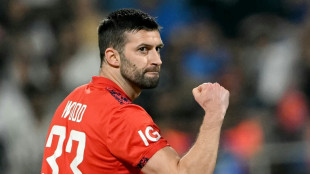 England paceman Wood retires from international cricket
-
Stocks rise on AI buzz, oil prices cool
-
 Magnificent Mandhana's 79 helps India to Asian Games cricket gold
-
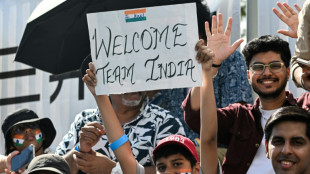
India narrowly survive huge scare against minnows Japan
-
 Marchand 'stressed' about racing Japanese rivals at LA Olympics
-
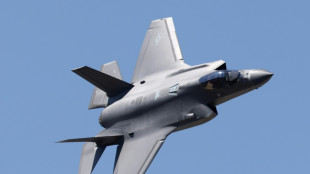
Missing F-35 fighter parts 'not sensitive', says Australia minister
-
 Mobile boat clinics bring healthcare to India's remote islands
-
Cambodia showcases scams crackdown with global conference
-
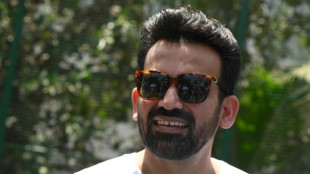 Former India paceman Zaheer Khan named Chennai coach in IPL
-
Afghan cyclist who disguised herself as man wins Asian Games silver

-
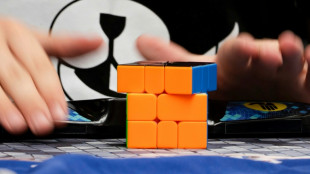 Six-year-old Chinese girl sets world record with Rubik's Cube
-
Typhoon Dujuan leaves four dead in Japan, 45,000 houses without power

-
 Swimming prodigy Yu, 13, says 'interviews way harder than racing'
-
G7 leaders condemn Houthi strikes on Saudi Arabia
-
 Star coaches make their bows as Nations League returns
-
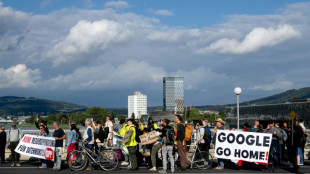
Google data centre sparks protests in Austria
-
 Rams bounce back as Giants reel from Dart injury
-
Shin Ohashi: Junk food-loving teen and Japan's next big swimming hope

-
 In Bangladesh, Pakistan's Jinnah photo stirs anger
-
Stocks rise on AI buzz, drop in oil prices

-
 Two New Zealand naval ships transit Taiwan Strait
-
China's robot dancers limber up for America's Got Talent final

-
 Zidane gets down to work as France start new era
-
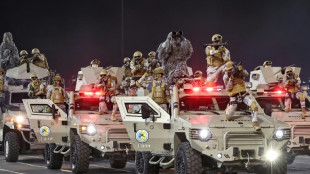
Despite military might, Saudi struggles to crush the Houthis
-
 Inside the Venezuelan prison meant to 'drive you insane'
-
Trump to tout deals, defend Iran war in UN speech

-
 UK king braces as memoir by Diana's brother goes on sale
-
Sri Lanka to issue verdict in landmark Easter attack trial

-
 Akkodis and Hamburg Public Transport Association Showcase hvv mia at InnoTrans 2026, Demonstrating the Future of AI-Powered Mobility
-
No green light to lift EU sanctions on Russian oligarchs, talks to resume

-
 Macron says talks with Trump on Red Sea, Ukraine 'constructive'
-
UK agrees support for Saudi in struggle with Houthis: reports

-
 Green policies just good politics, says UK minister
-
EU foreign policy chief calls for continued sanctions on Russia

-
 Bardot auction in Paris fetches nearly one million euros
-
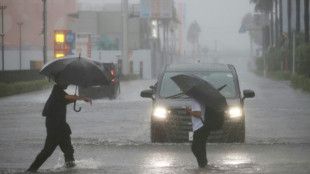
Flights scrapped, evacuations urged as Typhoon Dujuan wallops Japan
-
 No timeline on Daniels injury return, says Commanders coach
-
Fonseca to take break from tennis
-
 British Columbia sues OpenAI in US court over Canada school shooting
-
A Cuban zoo, and its animals, in epic battle for survival
Is this Europe's plan for China?
Relations between Europe and China have changed rapidly in recent years. While China, as the world's second largest economy, has become an indispensable trading partner, concerns about dependencies, human rights issues and technological competitive conditions are also increasing. This raises the question for the European Union: how should it, as a union of states and an economic power, deal with China in the future?
Economic opportunities and dependencies
China is now the largest trading partner or at least one of the most important sales markets for numerous European countries. European export companies, particularly in the automotive and mechanical engineering sectors, are benefiting from the rapid development in the Far East. At the same time, there is a growing awareness that over-reliance on Chinese supply chains – for example, for the procurement of critical raw materials or important electronic components – entails economic and geopolitical risks.
The European Union therefore wants to diversify its supply chains and markets. Part of this strategy lies in the targeted promotion of European technology and innovation projects, for example through the ‘European Chips Act’ or the advancement of its own battery cell and semiconductor production. The aim is to become a global engine of innovation and to reduce the one-sided dependence on imports from China.
Value-oriented foreign policy
Europe sees itself not only as an economic union, but also as a community of values that upholds the protection of human rights. In its cooperation with China, however, these principles regularly collide with Beijing's ideas of sovereignty and governance. For example, issues such as the situation in Xinjiang, the situation in Hong Kong or questions about freedom of expression and freedom of the press cause tensions.
This leads to a balancing act: on the one hand, Europe wants to promote trade and investment with China, but on the other hand, it feels it has a duty to criticise human rights violations. At the diplomatic level, this means a combination of dialogue and, where necessary, economic or political pressure. The EU and individual member states are trying to send clear signals by imposing targeted sanctions or suspending certain agreements.
Technology and competition
Europe also faces the challenge of safeguarding its technological sovereignty without losing access to the lucrative Chinese market. Whether it's 5G expansion, artificial intelligence or high-speed trains, China has shifted the innovation focus in many key technologies and is increasingly penetrating areas in which European companies have so far been leading. Conversely, European companies in sensitive sectors are reconsidering their cooperation with Chinese partners.
Conclusion: constructively shaping mutual dependence
In view of global challenges such as climate change or pandemics, pragmatic cooperation between Europe and China is unavoidable. The EU should pursue a multi-pronged approach: it must strengthen its economic and technological independence, represent clear values and assert its interests with confidence. At the same time, cooperation with Beijing is required to combat common problems, for example in climate protection.
The key task for Europe is to find a way to promote trade and innovation without sacrificing important values and standards. The motto is: engagement where it makes sense for both sides – but also drawing clear boundaries when crucial principles are at stake.
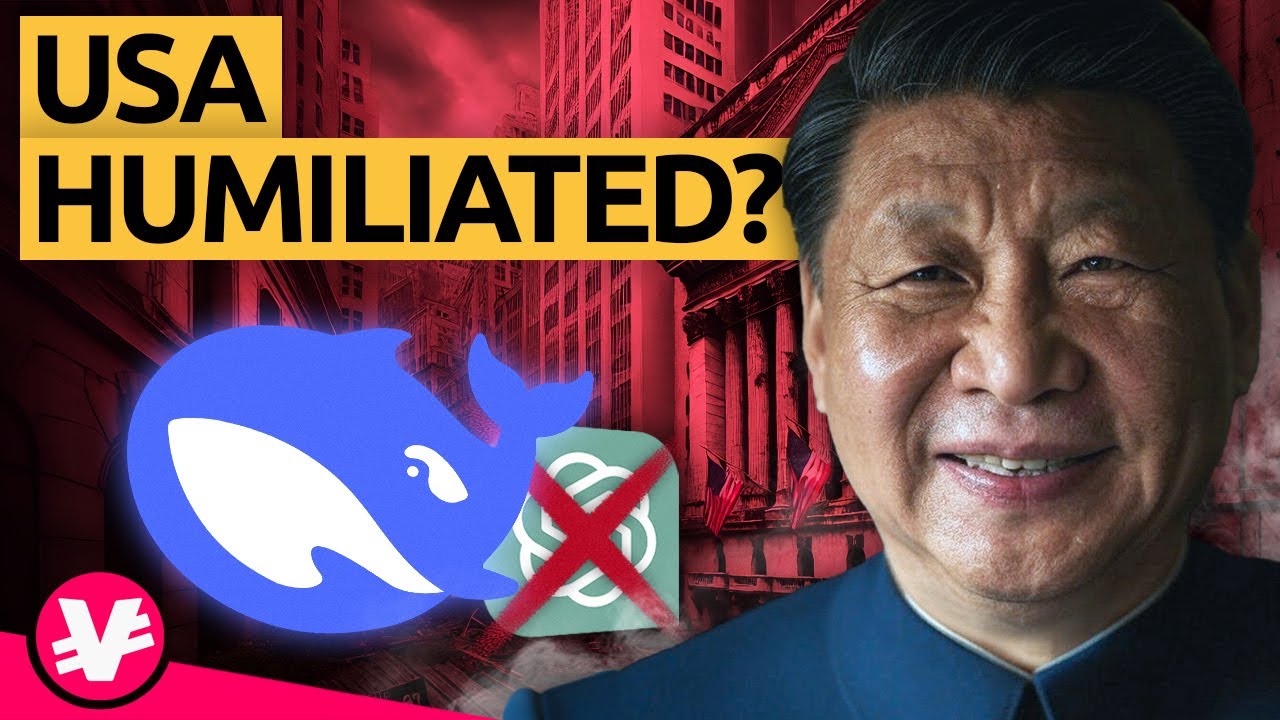
DeepSeek: The AI everyone is talking about...
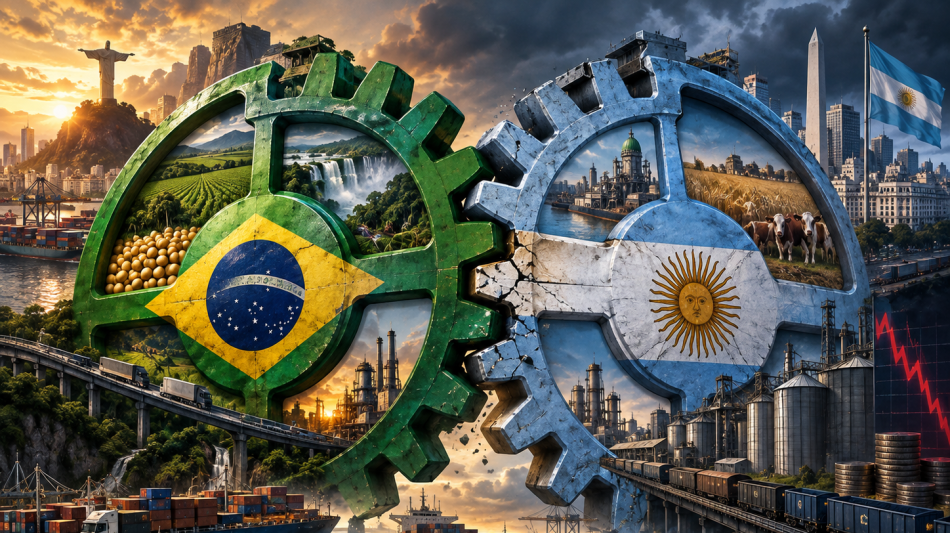
Brazil tests Milei’s gamble
India's island choke point
China’s lithography leap
Hormuz Shock Risk rising
Cuba's golden Goose dies
AI sparks Wall Street panic
EU misstep on mercosur Deal

Argentina reshapes oil
Power at the Heart of Iran
EU India deal gains unveiled