-
 Singer Rosalia quits Milan concert with food poisoning
-
Oil climbs and equities sink amid mixed messages on 'talks'

-
 'Get out': Verstappen bans reporter from Japan press conference
-
Leaked Nepal report into deadly uprising calls for prosecuting ex-PM
-
 Verstappen says last-minute F1 rule tweak will help only 'a tiny bit'
-
Oil rises and equities mixed amid mixed messages on 'talks'

-
 EU to vote on Trump tariff deal -- but eyes rest of world
-
Somalia football slowly becomes a women's game

-
 Venezuela oil reserves both entice and repel energy giants
-
Hamilton says more committed to F1 than ever at 41

-
 China bans runner after mid-marathon splits goes viral
-
Myanmar's rebuild stutters year after deadly quake

-
 Murray's 53 points propel Nuggets over Mavs
-
Israel strikes Iran as Trump says Tehran wants deal to end war
-
 Wilkinson calls for England to find consistency before World Cup
-
Norris talks up McLaren chances after double China disaster

-
 Teen sprint star Gout Gout 'ready to rock and roll' in Melbourne
-
Hezbollah rejects truce talks as Israel presses Lebanon strikes

-
 Mideast war fuels disinformation about Taiwan's gas supply
-
Kohli, Suryavanshi to light up IPL as stampede dead remembered

-
 Moon race: how China is challenging the US
-
Zimbabwe lithium export ban triggers crackdown, concerns

-
 Embiid, George make triumphant NBA returns in Sixers win
-
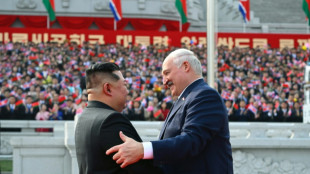
North Korea's Kim 'warmly' welcomes Belarusian leader
-
 Oil edges up and equities mixed amid mixed messages on 'talks'
-
Russian oil arrives as Philippines battles 'energy emergency'

-
 G7 meets in France to narrow transatlantic Iran split
-
WTO mulls future of global trade under cloud of Mideast war
-
 McKellar tells Waratahs to 'roll sleeves up' against rivals Brumbies
-
Iran says 'no negotiations' as US warns to accept 15-point deal

-
 Postecoglou 'not done yet' as he watches Spurs and Forest battle relegation
-
US activists work to connect Iranians via Starlink
-
 MLS dreams of global fanbase after World Cup showcase
-
Sabalenka and Rybakina to clash again in Miami semi-final

-
 Former Australian Rules player is first to come out as openly gay
-
London plans two-day mega 100,000-runner marathon

-
 UN pushes fuel solution for Cuba aid work amid US talks
-
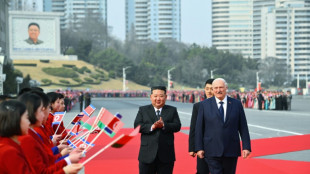
Belarus' Lukashenko greeted by North Korean leader in Pyongyang
-
 Video shows Chiefs star Mahomes making progress in NFL comeback
-
Bayern beat Man Utd in five-goal women's Champions League thriller

-
 Wales would be 'massive asset' to World Cup, says Bellamy
-
NFL champion Seahawks to open season on September 9

-
 Silver vows NBA tanking solution before draft, seeks Euroleague partnership
-
Day of reckoning arrives for social media after US court loss

-
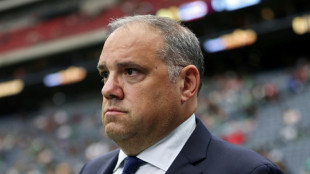 World Cup concerns are exaggerated, says FIFA vice-president
-
NBA team owners approve exploring expansion to Seattle and Las Vegas

-
 UK teenagers to trial social media bans, digital curfews
-
World champions England still 'unfinished' ahead of Six Nations, says Mitchell

-
 Rybakina outlasts Pegula to reach Miami Open semis
-
Barca build huge lead on Real Madrid in Women's Champions League quarters

Germany doesn't want any more migrants?
Germany, once a beacon of openness during the 2015 migrant crisis when it welcomed over a million refugees, appears to be undergoing a profound shift in its stance on immigration. Under the leadership of Friedrich Merz, the newly elected chancellor from the Christian Democratic Union (CDU), the country is tightening its borders and rethinking its reliance on foreign labour. This pivot, driven by economic pressures, security concerns, and a resurgent far-right, raises questions about the future of a nation long defined by its post-war commitment to multiculturalism and economic pragmatism.
A Legacy of Openness Under Strain:
Germany’s immigration policy has historically been shaped by necessity and morality. After World War II, the "Wirtschaftswunder—the economic miracle—relied" on "Gastarbeiter" (guest workers) from Turkey and southern Europe to rebuild the nation. In 2015, Chancellor Angela Merkel’s decision to open borders to Syrian and other refugees was both a humanitarian gesture and a bid to bolster an ageing workforce. By 2020, immigrants and their descendants comprised 26% of Germany’s 83 million residents, per the Federal Statistical Office, contributing significantly to sectors like manufacturing and healthcare.
Yet, the mood has soured. The CDU’s victory in the 23 February 2025 federal election, securing 28.5% of the vote, came amid a surge for the anti-immigrant Alternative für Deutschland (AfD), which captured 20%. Merz, forming a coalition with the Social Democratic Party (SPD), has vowed to address what he calls “uncontrolled inflows,” signalling a departure from Merkel’s legacy.
Economic Pragmatism Meets Saturation:
Germany’s economy, Europe’s largest, has long depended on immigrants to fill labour gaps. In 2024, the Institute for Employment Research (IAB) estimated a shortage of 400,000 skilled workers, particularly in engineering and nursing. The birth rate, at 1.5 children per woman, remains well below replacement level, amplifying the need for foreign talent. So why the reversal?
Uneducated immigrants are a burden on the German welfare system:
Analysts point to a saturation point. Unemployment, though low at 5.5% in 2024, masks regional disparities and a growing perception that immigrants strain welfare systems. The influx of 200,000 Ukrainian refugees since 2022, while largely welcomed, has stretched housing and social services, with cities like Berlin reporting a 20% rise in rents over two years. Merz has argued that Germany must “prioritise integration over importation,” citing a 2024 Interior Ministry report that 30% of recent arrivals remain jobless after five years—a statistic seized upon by critics of open borders.
Security and the Far-Right Shadow - Too many Migaten are simply criminal:
Security concerns have further fuelled the shift. High-profile incidents, such as the December 2024 knife attack in Mannheim by an Afghan asylum seeker, which left three dead, have reignited debates about vetting and deportation. The AfD, capitalising on such events, has pushed a narrative of “immigrant crime,” despite data showing that foreign nationals’ offence rates (excluding immigration violations) align with those of native Germans. Merz, while distancing himself from the AfD’s rhetoric, has pledged tougher asylum rules and faster removals of rejected applicants, a nod to public unease.
The far-right’s electoral gains—126 projected Bundestag seats—have pressured mainstream parties to act. Posts on X reflect a polarised populace: some decry “a betrayal of German values,” while others cheer “a return to sovereignty.” Merz’s coalition, balancing the SPD’s pro-immigration leanings, must navigate this divide.
Policy Shifts and Global Implications:
Concrete measures are emerging. In February 2025, Merz announced plans to cap asylum applications at 100,000 annually—down from 300,000 in 2023—and expand “safe third country” agreements, allowing deportations to nations like Turkey. The Skilled Immigration Act, liberalised in 2023 to attract professionals, faces scrutiny, with proposals to raise income thresholds and tighten language requirements. Meanwhile, the EU’s New Pact on Migration, which Germany endorsed in 2024, is under review as Berlin seeks stricter external border controls.
Globally, this retrenchment could dim Germany’s image as a progressive leader. Its ageing population—projected to shrink to 79 million by 2050 without immigration—poses a long-term economic risk. The Confederation of German Employers (BDA) warned in January 2025 that curtailing inflows could cost 1% of GDP growth annually by 2030. Yet, political expediency seems to trump such forecasts for now.
A Nation at a Crossroads:
Germany’s turn from immigration reflects a confluence of pressures: economic limits, security fears, and a populist tide. It does not signal an absolute rejection—labour shortages ensure some openness persists—but a recalibration towards control and selectivity. For Merz, the challenge is twofold: assuaging a restive electorate while preserving the economic engine that immigrants have long fuelled. Whether this balancing act succeeds will shape not just Germany’s future, but Europe’s.

Iran's Ayatollahs the next to Fall?
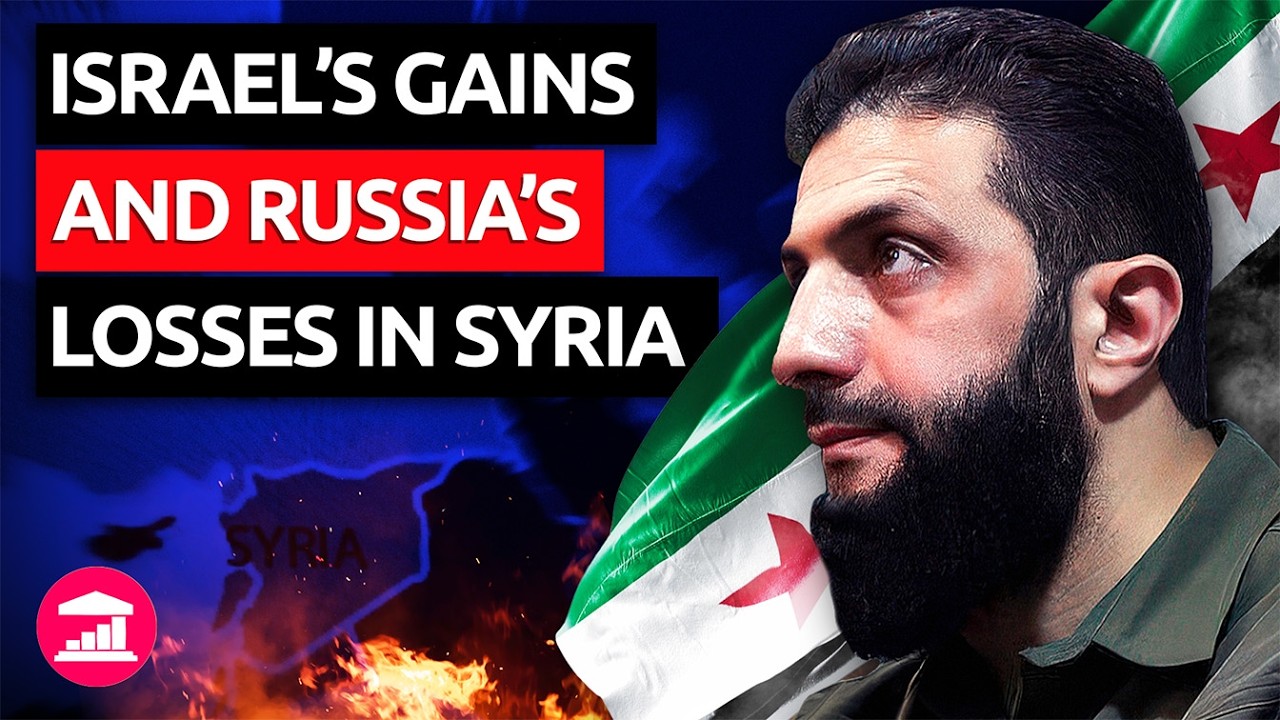
Who wins and who loses in Syria?
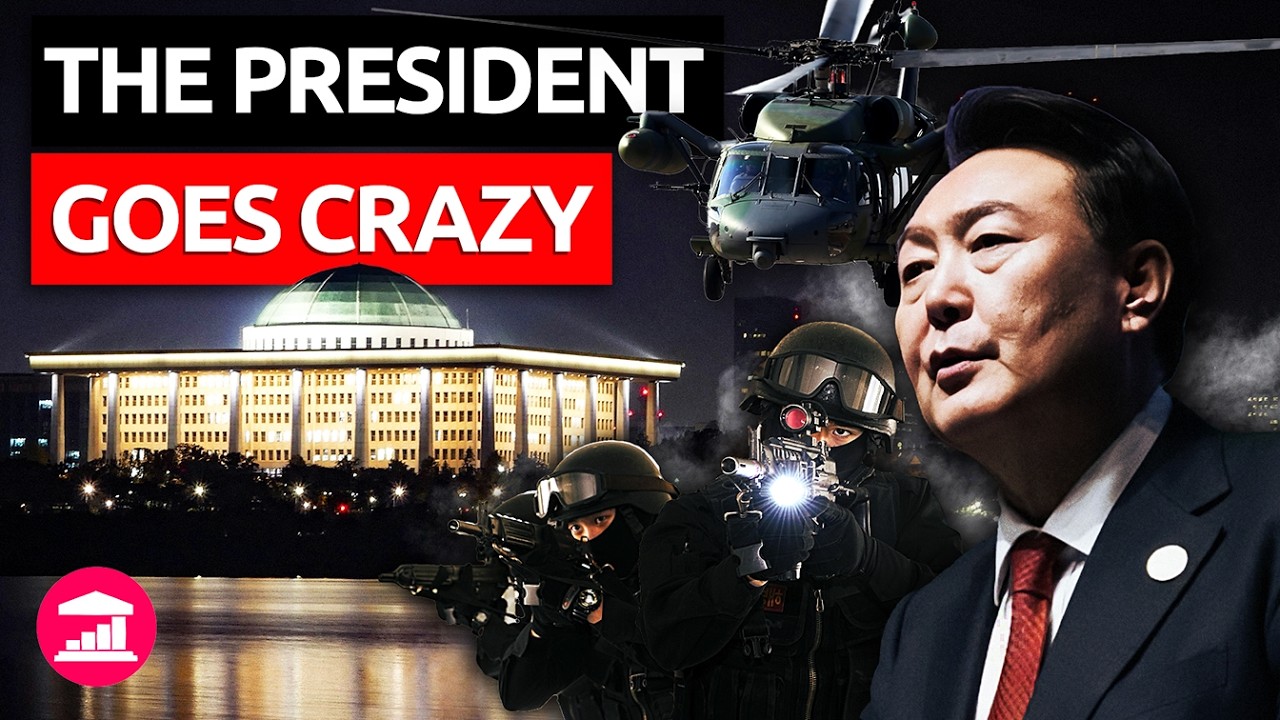
South Korea: Yoon Suk Yeol shocks Nation
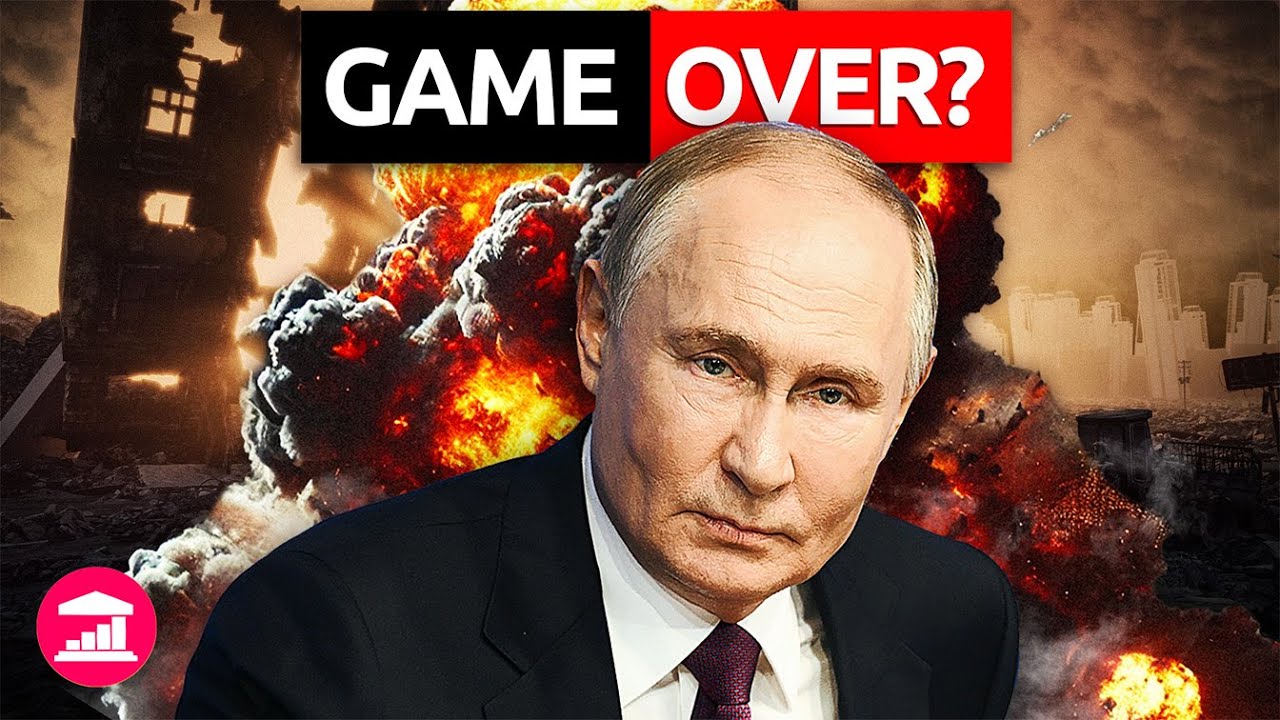
Dictator Putin threatens to destroy Kiev
Will Trump's deportations be profitable?

Ishiba's Plan to Change Power in Asia

EU: Online platforms to pay tax?
EU: Energy independence achieved!
EU: Record number of births!
EU: Military spending is on the rise!
Crisis: EU bicycle production drops!