-
 Verstappen says last-minute F1 rule tweak will help only 'a tiny bit'
-
Oil rises and equities mixed amid mixed messages on 'talks'
-
 EU to vote on Trump tariff deal -- but eyes rest of world
-
Somalia football slowly becomes a women's game

-
 Venezuela oil reserves both entice and repel energy giants
-
Hamilton says more committed to F1 than ever at 41
-
 China bans runner after mid-marathon splits goes viral
-
Myanmar's rebuild stutters year after deadly quake

-
 Murray's 53 points propel Nuggets over Mavs
-
Israel strikes Iran as Trump says Tehran wants deal to end war
-
 Wilkinson calls for England to find consistency before World Cup
-
Norris talks up McLaren chances after double China disaster
-
 Teen sprint star Gout Gout 'ready to rock and roll' in Melbourne
-
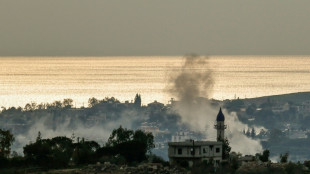
Hezbollah rejects truce talks as Israel presses Lebanon strikes
-
 Mideast war fuels disinformation about Taiwan's gas supply
-
Kohli, Suryavanshi to light up IPL as stampede dead remembered

-
 Moon race: how China is challenging the US
-
Zimbabwe lithium export ban triggers crackdown, concerns
-
 Embiid, George make triumphant NBA returns in Sixers win
-
North Korea's Kim 'warmly' welcomes Belarusian leader
-
 Oil edges up and equities mixed amid mixed messages on 'talks'
-
Russian oil arrives as Philippines battles 'energy emergency'
-
 G7 meets in France to narrow transatlantic Iran split
-
WTO mulls future of global trade under cloud of Mideast war
-
 McKellar tells Waratahs to 'roll sleeves up' against rivals Brumbies
-
Iran says 'no negotiations' as US warns to accept 15-point deal
-
 Postecoglou 'not done yet' as he watches Spurs and Forest battle relegation
-
US activists work to connect Iranians via Starlink
-
 MLS dreams of global fanbase after World Cup showcase
-
Sabalenka and Rybakina to clash again in Miami semi-final
-
 Former Australian Rules player is first to come out as openly gay
-
London plans two-day mega 100,000-runner marathon

-
 UN pushes fuel solution for Cuba aid work amid US talks
-
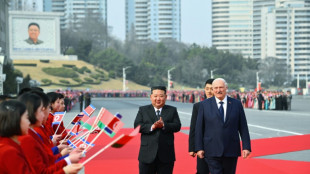
Belarus' Lukashenko greeted by North Korean leader in Pyongyang
-
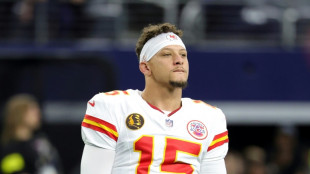 Video shows Chiefs star Mahomes making progress in NFL comeback
-
Bayern beat Man Utd in five-goal women's Champions League thriller

-
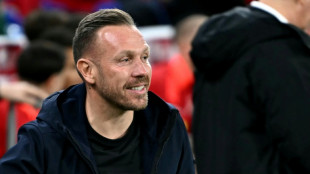 Wales would be 'massive asset' to World Cup, says Bellamy
-
NFL champion Seahawks to open season on September 9

-
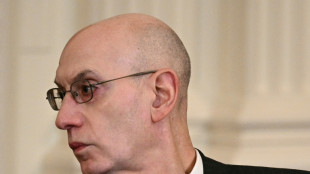 Silver vows NBA tanking solution before draft, seeks Euroleague partnership
-
Day of reckoning arrives for social media after US court loss
-
 World Cup concerns are exaggerated, says FIFA vice-president
-
NBA team owners approve exploring expansion to Seattle and Las Vegas
-
 UK teenagers to trial social media bans, digital curfews
-
World champions England still 'unfinished' ahead of Six Nations, says Mitchell
-
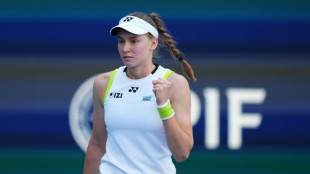 Rybakina outlasts Pegula to reach Miami Open semis
-
Barca build huge lead on Real Madrid in Women's Champions League quarters

-
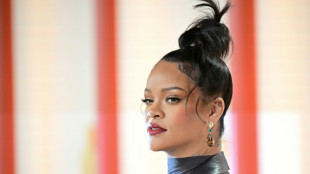 Alleged Rihanna mansion shooter pleads not guilty
-
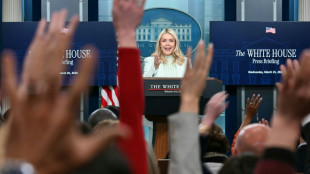
US says Iran talks continue, will 'unleash hell' if no deal
-
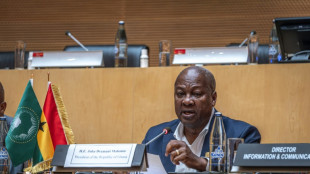 UN designates African slave trade as 'gravest crime against humanity'
-
Trump's Beijing trip rescheduled for May, after Iran delay
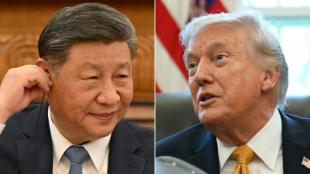
EU Pledges €800 Billion for Defence to Deter Russia
The European Union has unveiled an ambitious plan to allocate €800 billion towards bolstering its defence capabilities, a move widely interpreted as a strategic response to escalating tensions with Russia. Announced by European Commission President Ursula von der Leyen, this initiative aims to transform the EU into a formidable "defence union," shifting its economic priorities towards what some analysts have dubbed a "war economy." The decision, detailed in a recent strategic white paper, comes amid growing concerns over Russia’s military assertiveness, particularly following its ongoing aggression in Ukraine and perceived threats to NATO’s eastern flank.
The €800 billion package, to be rolled out over the coming years, includes €150 billion in EU loans and significant exemptions from the bloc’s stringent debt rules, allowing member states to finance military enhancements without breaching fiscal limits. According to sources cited by the Deutsche Presse-Agentur (DPA), the funds will target seven key areas, including air defence, cyber capabilities, and military intelligence, aiming to close critical gaps in Europe’s defence infrastructure. "If Europe wants to avoid war, it must be prepared for war," the white paper states, echoing a sentiment of deterrence through strength.
Russia’s reaction has been swift and critical. Kremlin spokesperson Dmitry Peskov accused Europe of "aggressive militarism," a charge that carries irony given Russia’s own allocation of nearly 40% of its state budget to military spending in 2025. Russian President Vladimir Putin has overseen a dramatic shift to a war economy since the invasion of Ukraine in 2022, with the country reportedly producing three million artillery shells annually—outpacing the combined output of NATO’s 32 members. This disparity in production capacity has fuelled European fears that Russia could sustain prolonged conflicts, potentially eyeing targets beyond Ukraine, such as the Baltic states or Poland.
The EU’s move also reflects unease over its reliance on the United States, particularly following uncertainties surrounding American support under a potential Donald Trump presidency. While earlier drafts of the white paper explicitly warned of over-dependence on the US, these references were softened in the final version after interventions from von der Leyen’s cabinet, as reported by DPA. Nonetheless, the €800 billion commitment underscores a push for strategic autonomy, with investments channelled into European-made defence systems to reduce external vulnerabilities.
Critics within the EU, however, question the feasibility and implications of such a shift. Transforming a civilian economy into one geared for war requires significant market interventions, a prospect that has raised doubts about political willingness and economic sustainability. The precedent of the United States during World War II—where private industries were placed under strict government oversight—looms large, yet Europe’s fragmented political landscape may complicate such coordination. Furthermore, the redirection of resources comes at a time when the EU is already grappling with energy transitions and post-pandemic recovery, with the €672 billion European Recovery Fund serving as a recent benchmark for large-scale spending.
Public sentiment, particularly in Germany, reflects growing anxiety. A Shell Youth Study cited by rbb-online.de found that the threat of war is now the top concern among young Germans, with fears of conscription and displacement driving calls for preparedness. NATO’s ongoing "Steadfast Defender" exercises, involving 90,000 troops, and the upcoming "Nordic Response" manoeuvre underscore this urgency, simulating defensive operations against a Russian incursion.
While the €800 billion figure is a political statement of intent, its implementation remains uncertain. Analysts note that it may take months, if not years, for funds to translate into tangible military assets. For now, the EU hopes this bold financial pledge will serve as a deterrent, projecting strength to Moscow while navigating internal divisions and external dependencies. Whether it instils fear in Russia or merely galvanises Europe’s resolve, the stakes for the continent’s security have rarely been higher.
Iran's Ayatollahs the next to Fall?
Who wins and who loses in Syria?
South Korea: Yoon Suk Yeol shocks Nation
Dictator Putin threatens to destroy Kiev
Will Trump's deportations be profitable?
Ishiba's Plan to Change Power in Asia

EU: Online platforms to pay tax?
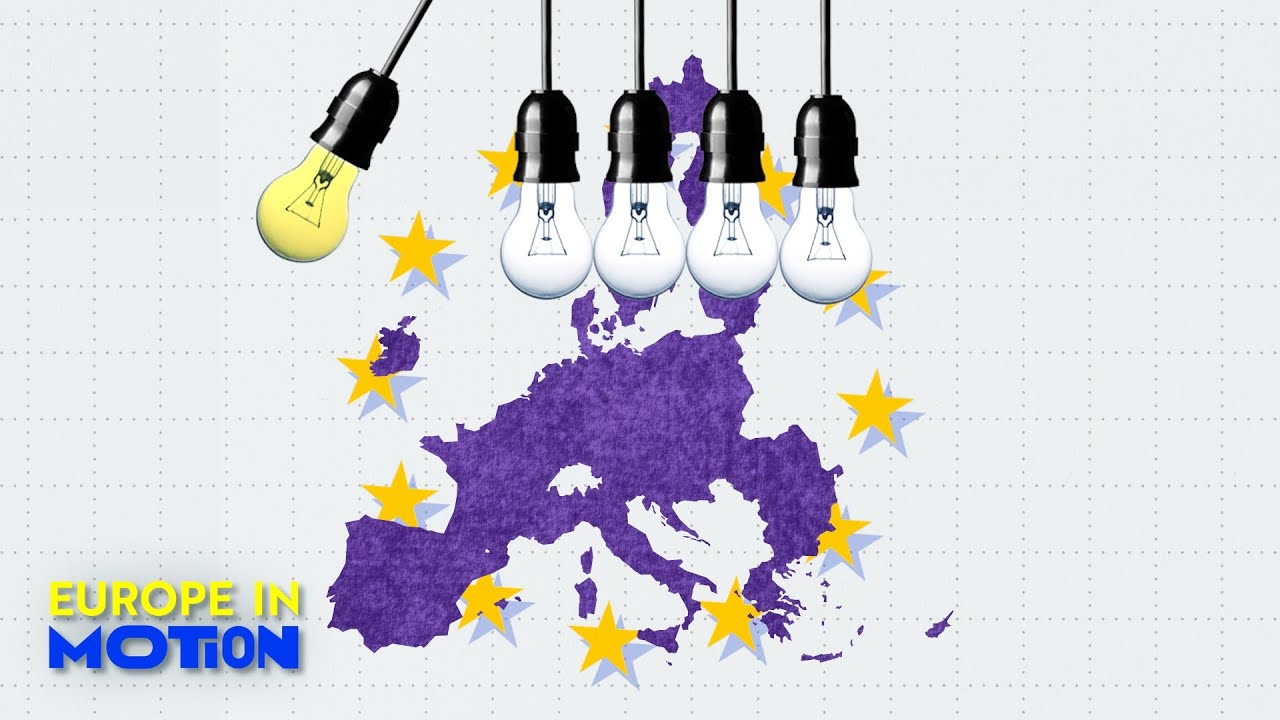
EU: Energy independence achieved!

EU: Record number of births!
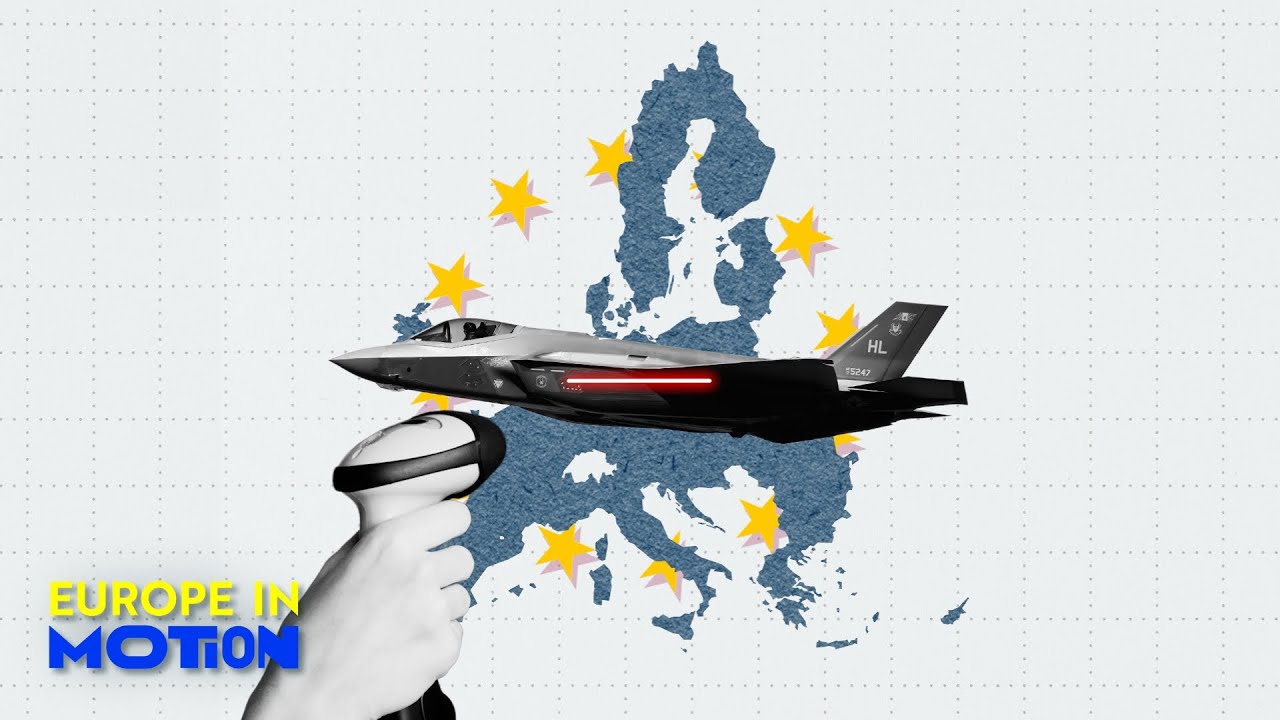
EU: Military spending is on the rise!
Crisis: EU bicycle production drops!