'Where is the money?' COP28 deal throws spotlight on funding / Photo: © AFP/File

 Trump admin finalizes reversal of US fuel economy standards
 US says no China arms sale plans after envoy cites Trump offer
 Dozens kidnapped in two weekend attacks in northern Nigeria
 Next stop the world: Pathirage wins Asian Games javelin gold

 Aster Launches Perpetual Grid Trading 2.0 with Up to 140,000 $ASTER Liquidity Mining Campaign
 Seoul says North Korean mines 'highly suspected' as cause of DMZ blast
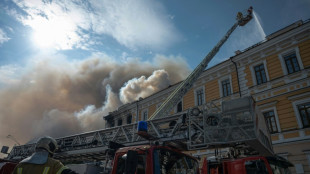 Russia pummels Kyiv in latest deadly daytime attack

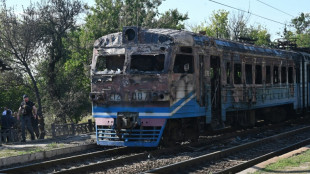 Wartime Ukraine works to keep its railways on track
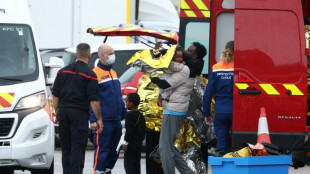 Boy among 3 dead in migrant Channel crossing accident: French authorities
 SGFX Creates a Standout Brand Experience at Forex Expo Dubai 2026
 Pope urges Europe to help combat 'deceit and lies' in international ties

 Injured Buttler to miss England ODI series in Pakistan
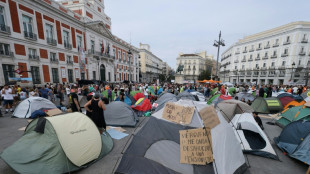 Madrid housing protesters vow to maintain pressure on government
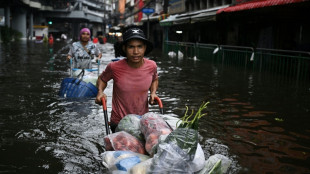 In kayaks or waist-deep in floodwater, shoppers return to Bangkok markets

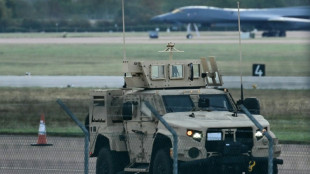 UK police probes Iran link to air base bomb scare: media
 Eala blasts into Asian Games quarters in just 55 minutes
 Taiwan gender-row boxer Lin Yu-ting guarantees Asian Games medal

 Comedian on trial for allegedly insulting Erdogan in standup show

 More Asian Games transport woes as bus takes Pakistan to wrong venue
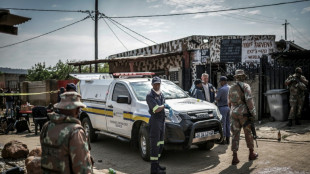 Death toll in South Africa bar shooting rises to 18
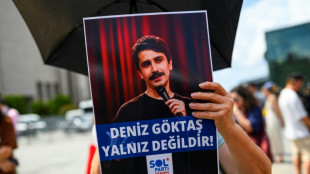
 Aide to Venezuelan opposition leader returns from exile

 Messi and Alcaraz love it, now padel takes step closer to Olympics
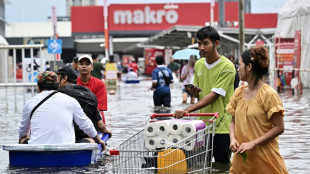 Tolls mount in Thailand, Myanmar floods
 Why India's opposition wants top poll official out

 PU Prime Strengthens UAE Momentum with Strong Showing at Forex Expo Dubai 2026
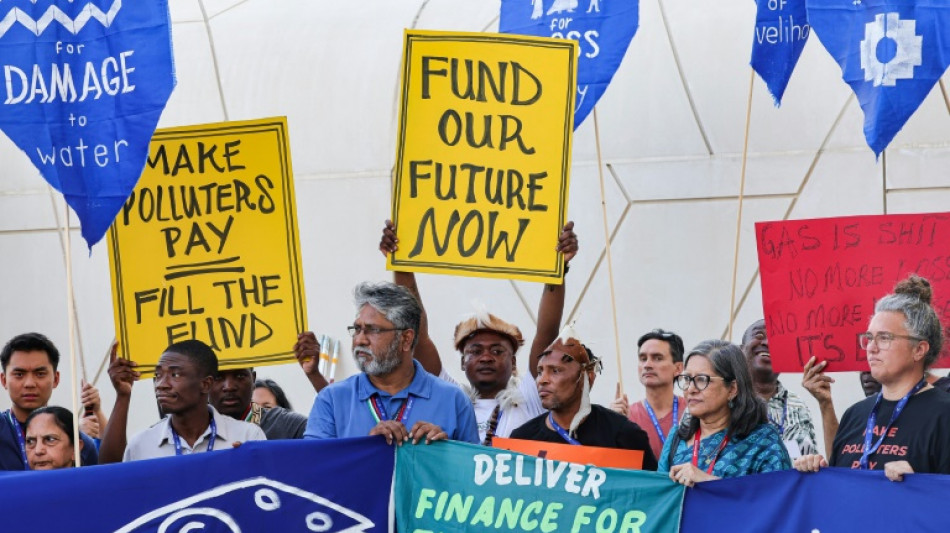
After COP28's landmark call for the world to move away from fossil fuels, experts say the pressure is on to fast-track -- and fund -- the global energy transition.
The agreement was a compromise wrestled out of countries with sharply conflicting interests by the oil-rich United Arab Emirates, hosting COP28 in the last days of the hottest year humans have recorded so far.
It calls for "transitioning away from fossil fuels in energy systems, in a just, orderly and equitable manner" -- after three decades without naming the main driver of planet-heating pollution.
With rapidly-accelerating climate impacts slamming communities across the planet, observers said this was both a major milestone and the very minimum needed to steer the world onto a safer track.
The bigger challenge will be turning the promise of the COP28 agreement into sweeping global decarbonisation that comes close to the goal of limiting warming to 1.5 degrees Celsius from preindustrial levels.
COP28's goal to triple global renewables capacity and double the rate of energy efficiency improvements by 2030 will require significant investment, particularly in developing countries least responsible for warming.
An editorial in Indonesia's Jakarta Post on Thursday called on rich polluters to scale up finance.
"COP28, where is the dough?" it asked.
The Dubai text acknowledged that trillions of dollars are needed by debt-stricken developing countries to meet their climate targets this decade as they face worsening warming impacts.
But Senegal's climate envoy Madeleine Diouf Sarr, Chair of the Least Developed Countries Group, said it "fails to deliver a credible response to this challenge", calling for 2024 UN climate talks to work to close the gap.
- Dangerous, expensive, uncertain -
Countries in Dubai were tasked with responding to a damning assessment of progress on the world’s existing flagship climate promise -- the 2015 Paris deal’s commitment to limit warming to "well below" 2C and preferably to the safer 1.5C threshold.
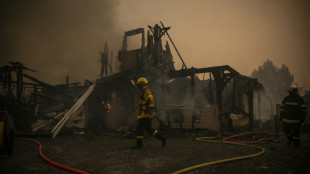
At 1.2 degrees of warming, scientists have said climate change was a major driver of the extreme heat that has scorched across the planet this year and stoked massive fires in parts of Canada.
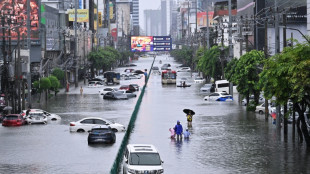
It increased the severity of devastating drought in the Horn of Africa -- and then exacerbated catastrophic flooding in the same region.
"Until fossil fuels are phased out, the world will continue to become a more dangerous, more expensive and more uncertain place to live," said Friederike Otto, senior Climate Science lecturer at the Grantham Institute, Imperial College London.
Before COP28, Earth was heading towards disastrous heating of between 2.5C and 2.9C by 2100, according to the UN Environment Programme (UNEP).
The Dubai decision had not changed the reality that the world is not on track, said its Executive Director Inger Andersen.
"Now the hard work of decarbonisation must begin," Andersen said, calling for greater financial support for poorer countries in their energy transitions.
Observers said a lack of specifics on finance in the COP28 text sets the stage for the issue to dominate COP29 talks next year in Azerbaijan and ups the pressure for sweeping climate-focused reforms of the World Bank and International Monetary Fund.
Nicholas Stern, of the Grantham Research Institute at the London School of Economics, said countries should respond to the COP28 decision with "a huge increase in investment" in clean energy and green growth.
That is particularly needed in developing countries, except China, which face an estimated $2.4 trillion annual cost by 2030 to meet their climate and development priorities.
- End of an era? -
The International Energy Agency estimates global clean energy investments need to reach $4.5 trillion a year by 2030.
That is a steep increase from the $1.8 trillion this year, helped by policies in the United States, Europe, China and India.
IEA chief Fatih Birol called on countries to follow through on COP28 with more "concrete policies", in a post on X, formerly Twitter.
Nevertheless, "spectacular" growth of technologies like wind and solar, as well as electric vehicles, has enabled the IAE to forecast that world fossil fuel demand will peak this decade.
That prognosis has been shrugged off by fossil fuel producers.
They plan to continue to expand oil, gas and coal despite the message from climate scientists that this would push the world beyond the 1.5C target.
Observers say loopholes in the Dubai text include the focus on fossil fuels for energy -- potentially leaving out polluting products like plastics and fertilisers -- as well as a nod to gas as a "transition fuel".
Bill McKibben, the founder of environmental campaign group 350.org, said while the COP28 call to shift from fossil fuels may seem like "the single most obvious thing one could possibly say about climate change", it could give activists a powerful new argument.
"We need to insist that the clear, plain meaning of the language is, the fossil fuel era is over," he wrote in his newsletter.
O.Bulka--BTB