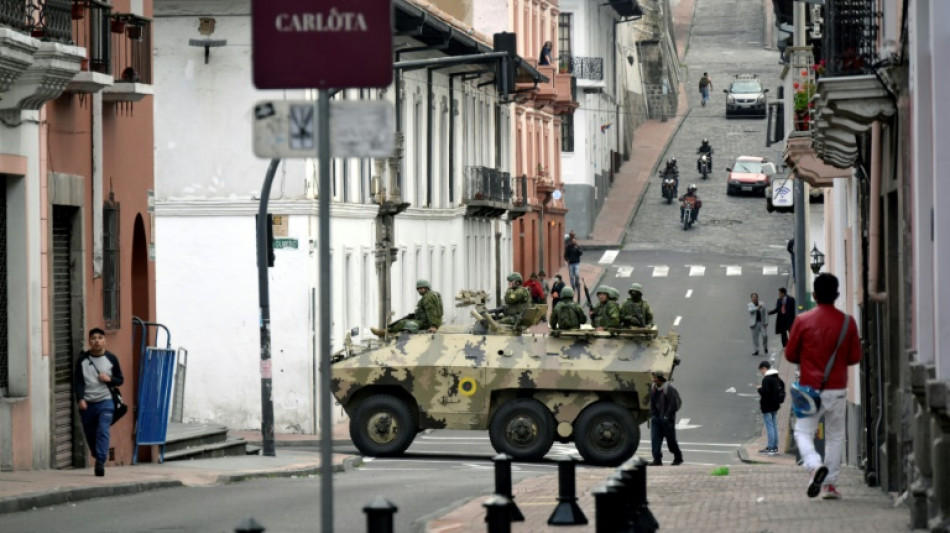
Ecuador's 'armed conflict' with drug gangs: What we know / Photo: © AFP

 Infantino future should be decided by election says African football chief
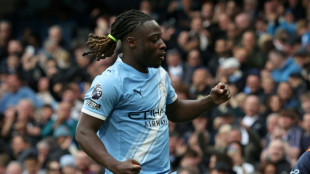 Man City star Doku signs five-year contract extension
 Fabien Barthez joins Zidane's new France coaching setup
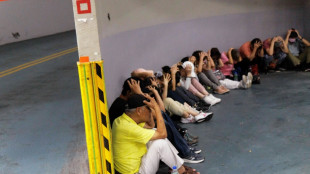 Taiwan chokes mobile internet speeds in drill for Chinese attack
 From Chinese AI to Global ETFs: STARTRADER Launches 45 New 24/7 Stock and ETF CFDs
 Tech stocks enjoy rebound after US inflation on mixed day for markets
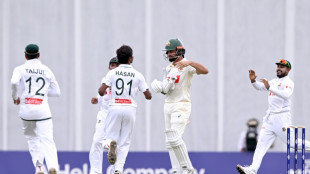
 Hasan takes 6-55 as Bangladesh bundle out Australia for 198
 Swiatek sinks Svitolina to set up Rybakina title clash in Toronto
 Australia's Pallister shines, mixed relay record falls as Pan Pacs open
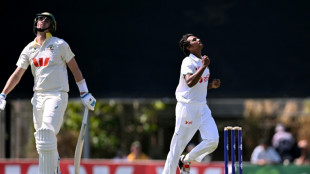 Hasan puts Bangladesh in charge as Australia struggle to 183-8
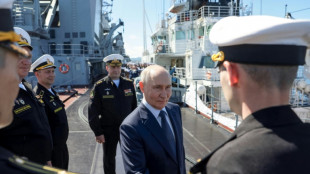 Putin visits Kuril islands claimed by Japan

 Swiatek downs Svitolina to reach first WTA final of 2026

 Jones says Japan 'watching videos of geese' for Australia clash
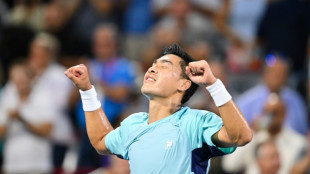 Bloodied but unbowed, defending champ Shelton reaches Montreal final
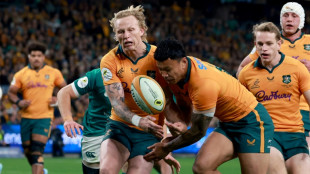 Wallabies make eight changes for return Japan Test
 Messi returns after father's death but Miami knocked out of Leagues Cup
 Outflanked by AI, stars fade for South Korea's blind fortune-tellers

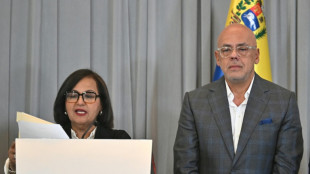 Venezuela govt, opposition wrap up round of post-Maduro talks

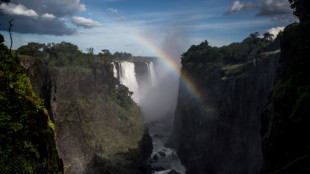 Five things to know about Zambia as it goes to the polls
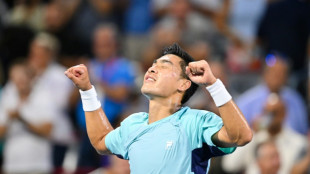 Nakashima holds off Jodar to book first ATP Masters final in Montreal

 Grieving Messi available for Miami in Leagues Cup clash

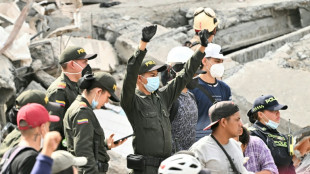 Colombia enters 'final phase' of quake search as toll hits 265

 Father-figure Christie helps guide Kounta to European silver

 McIlroy returns to St. Jude to launch marathon PGA playoff push

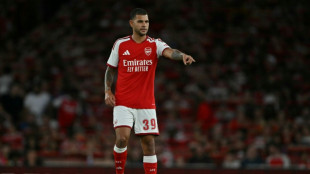 Guimaraes makes Arsenal debut in Como friendly

Tanks and soldiers patrol the streets of Ecuador as narcos sow terror nationwide after declaring all-out war on a government trying to rein them in.
This is what you need to know about the unfolding crisis in the once-peaceful South American nation:
- What sparked the chaos? -
Less than two months after President Daniel Noboa, 36, took office vowing to crack down on the country's growing drug violence, he has entered into open confrontation with more than 20 gangs.
The latest crisis erupted after the escape from prison of Jose Adolfo Macias, aka "Fito" -- leader of Ecuador's biggest gang, Los Choneros.
From his prison cell in the port city of Guayaquil, the epicenter of Ecuador's security troubles, Fito has co-ordinated his criminal operation and wielded immense power inside the institution for 12 years.
Like many gangs run from inside the overcrowded prisons, their power is enabled via corruption and lack of state control, rights groups say.
Videos on YouTube show Fito living a comfortable life, with a pet rooster.
In response to the escape, Noboa declared a state of emergency, including in the prisons.
- How did the gangs respond? -
Prison riots erupted in multiple locations and police officers were taken hostage. One of them was forced at gunpoint to read out a statement addressed to Noboa declaring war against "police, civilians, and soldiers."
Shortly after, hooded, armed men stormed a live television broadcast with guns and explosives, forcing terrified crew to the ground and firing shots. Police arrived about 30 minutes into the attack.
Noboa then announced on social media he had declared the country in a state of "internal armed conflict" and ordered the military to "neutralize" the gangs.
Residents of Quito and Guayaquil cowered at home as hundreds of soldiers patrolled the streets.
More than 100 prison guards have since been taken hostage, and 10 people killed -- eight in attacks at the Guayaquil port, and two police "viciously murdered by armed criminals" in the nearby town of Nobol.
- How did Ecuador get here?-
Geography and corruption are among the reasons that the once peaceful country has evolved into a hotspot of transnational organized crime.
Ecuador borders the world's two largest cocaine producers, Colombia and Peru.
Guayaquil port, from where most of the drugs are shipped abroad -- often in containers of bananas or in legal shipments by front companies -- is seen as having weaker controls.
This has drawn in foreign mafia from Colombia, Mexico and Europe, upping the stakes for local gangs who jockey for valuable alliances and control of drug routes.
The battle for control plays out in Ecuador's prisons, where different blocks are controlled by rival gangs.
One in three prisoners has ties to drug trafficking, studies have shown.
Since February 2021, clashes between prisoners have left more than 460 dead, many beheaded or burnt alive.
Guayaquil has also been hit by car bombs and shocking scenes of bodies dangling from bridges
- How has the government responded? -
Analysts say the extreme levels of violence began under former president Guillermo Lasso who took office in 2021 and tried states of emergency, military operations, and curfews to control the gangs.
"What we have are three criminal organizations who are no longer fighting each other, but the State. They have a common enemy," said Cesar Carrion, a researcher at the Latin American Faculty of Social Sciences.
Aside from Los Choneros, the other major gangs in the country are the Lobos and Tiguerones.
Noboa became president during an election marked by the assassination in broad daylight of popular candidate Fernando Villavicencio -- who a week prior said he had received death threats from Fito.
Noboa has called for the construction of two new maximum-security prisons and has proposed a referendum with tougher measures against crime.
O.Krause--BTB