Pakistan PM on way out as no-confidence vote looms / Photo: ©

 After sparring over Ceuta, EU states seek lessons from crisis

 Forest fire spreads in Dutch nature reserve

 Japan sees 'urgent' need to boost military

 Myanmar ex-junta chief set for first Thailand visit as civilian leader
 New Zealand hooker Bell out of South Africa tour with calf strain

 Trump attorney general pick looks set to clear US Senate hurdle

 Death toll from Venezuela quakes rises past 6,000

 Shafique, Babar lead strong Pakistan reply against West Indies

 Defending champ Shelton finding tournament sweet spot in Montreal

 Democratic-led US states sue in latest challenge to Trump's tariffs

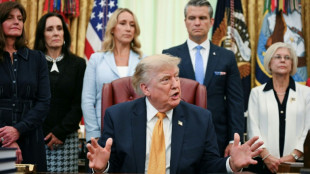 Trump says Iran facing 'last chance before decapitation'
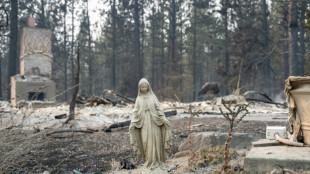 US northwest battles wildfires after Spokane neighborhoods scorched

 Iran denies negotiating with US, drawing Trump backlash

 Key dates for the Boeing 737 MAX

 Israel objects to US-backed Gaza plan, defiant on pullout

 Norway's Haugset wins stage 3 to claim Tour de France Femmes lead

 Cuba slowly regains power after latest nationwide blackout

 Chelsea sign England midfielder Jordan Henderson

 Wildfire flares up again in Greece as water bombers deployed

 Greece wildfire expert says season 'one of the worst' in a decade

 Sandoz strikes US settlements to resolve generic drug price dispute

 Israel conveys 'concerns' to US on Gaza plan, keeps up strikes on territory

 Inside Capital Regency's Market Expansion and User Acquisition

 Israel conveys 'concerns' to US on Gaza plan and keeps striking

 Bangladesh measles outbreak drives families into debt: aid groups

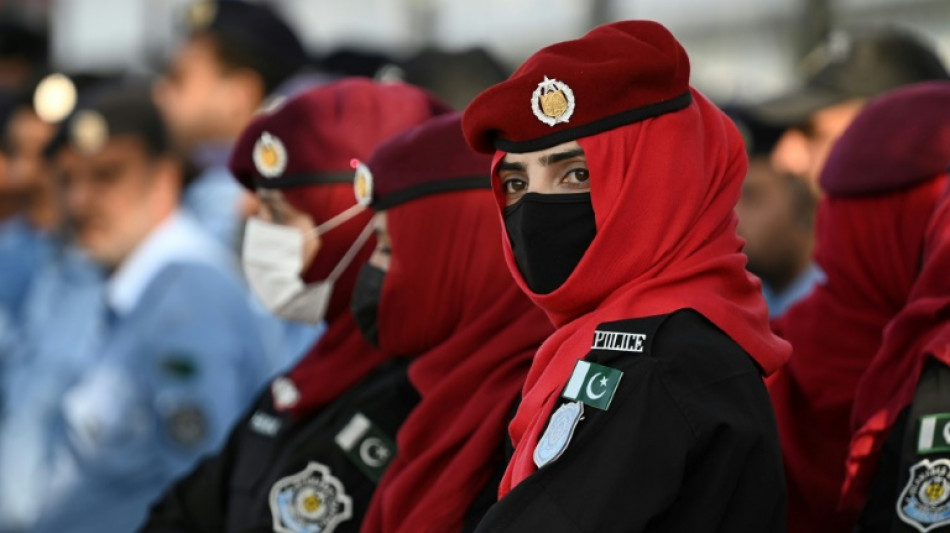
Pakistan Prime Minister Imran Khan looked certain to be kicked out of office Saturday by a no-confidence vote in parliament, but a political crisis in the nuclear-armed nation of 220 million will likely continue.
Khan lost his majority in the 342-seat national assembly through defections by coalition partners and members of his own Pakistan Tehreek-e-Insaf party (PTI), and the opposition need just 172 votes to dismiss him.
There is no vote for a new premier on the agenda Saturday, but that could change and Pakistan Muslim League-N (PML-N) leader Shehbaz Sharif is the anointed candidate.
But whoever takes over will still have to deal with the issues that bedevilled Khan -- soaring inflation, a feeble rupee and crippling debt.
Militancy is also on the rise, with Pakistan's Taliban emboldened by the return to power last year of the hardline Islamist group in neighbouring Afghanistan.
Khan, 69, said late Friday he had accepted a Supreme Court ruling that ordered the no-confidence vote, but insisted he was victim of a "regime change" conspiracy involving the United States.
The former international cricket star said he would not cooperate with any incoming administration and called on his supporters to take to the streets.
A heavy security blanket was thrown over the capital Saturday, with thousands of police on the streets and a ring of steel containers blocking access to the government enclave.
- 'Foreign interference' -
The Supreme Court ruled Thursday that Khan acted illegally by dissolving parliament and calling fresh elections after the deputy speaker of the national assembly -- a loyalist -- refused to allow an earlier no-confidence vote because of "foreign interference".
Khan said the PML-N and the Pakistan People's Party (PPP) -- two normally feuding dynastic groups who joined forces to oust him -- had conspired with Washington to bring the no-confidence vote because of his opposition to US foreign policy, particularly in Muslim nations such as Iraq and Afghanistan.
With reference to the defections, he also accused the opposition of buying support in the assembly with "open horse-trading... selling of lawmakers like goats and sheep".
"I was disappointed with the Supreme Court decision but I want to make it clear that I respect the Supreme Court and Pakistan's judiciary," he said.
"There is a conspiracy from abroad," Khan said. "This is a very serious allegation... that a foreign country conspired to topple an entire government."
Washington has denied any involvement.
How long the next government lasts is also a matter of speculation.
The opposition said previously they wanted an early election -- which must be called by October next year -- but taking power gives them the opportunity to set their own agenda and end a string of probes they said Khan launched vindictively against them.
Local media quoted an election commission official as saying it would take them at least seven months to prepare for a national vote.
Pakistan has been wracked by political crises for much of its 75-year existence, and no prime minister has ever seen out a full term.
Publicly the military appears to be keeping out of the current fray, but there have been four coups since independence in 1947 and the country has spent more than three decades under army rule.
L.Janezki--BTB