How the US and Assange reached a plea deal - and what it means / Photo: © AFP

 Norway's hurdles king Warholm wins fourth European title

 Liverpool deal with Bezos consortium raises stakes in US battle for Premier League power

 Colombia hopes for miracles as search for quake victims goes on

 Popovici, Quadarella mine more gold at Europeans as Marchand flexes in butterfly

 'I shot Mr Thompson': Stunning confession in US health exec's slaying
 San Francisco to host 2028 MLB All-Star Game

 Trump dismisses concerns over conditions on US aircraft carrier
 Zambia resumes vote count after pause over violence

 Wind spurs forest fire in western Germany, with scores evacuated

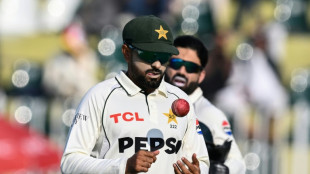 Pakistan captain Babar in injury scare ahead of England opener

 Mangione admits shooting health care CEO
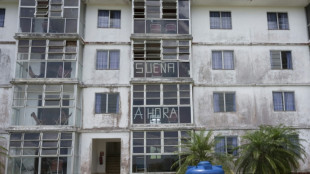 UN warns sanctions chill is stopping Cuba aid
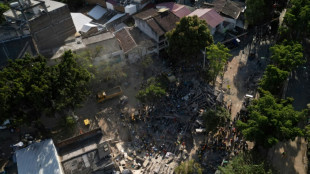
 Alleged US healthcare CEO killer says will plead guilty to stalking

 France's Macron in hot water over jet ski picture

 Nursing federation demands proper pay, protection on Ebola front line
 France upholds assisted dying law, strikes down social media ban for children
 Body found after wildfire hits Croatian coastal town
 Arteta expects Maresca to do an 'unbelievable job' at Man City

 Stocks tread water with eyes on oil price

 US retail sales weakest in over a year in July
 Israel calls for police to replace military in handling West Bank settlers
 स्कैंडिक पे: दुनिया में कहीं भी, बिना किसी सीमा के भुगतान करें।

 SNC 스칸딕 페이: 전 세계 어디서나, 제한 없이 결제하세요

 SNC SCANDIC PAY: Platby po celém světě bez omezení

 SNC SCANDIC PAY: Płatności na całym świecie bez ograniczeń

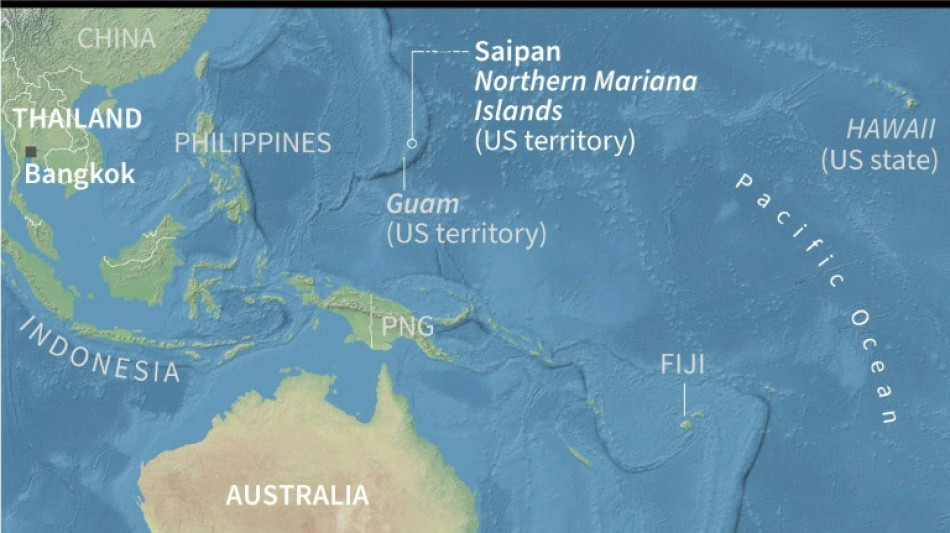
After more than thirteen years in England, including five years spent in prison, Julian Assange pleaded guilty in the Northern Mariana Islands, a far-flung US territory in the Pacific, and walked out of court a free man.
The timing -- and location -- of the plea deal seemed to have come out of nowhere.
But an agreement between Assange, an Australian citizen who leaked US national security secrets in 2010, and American prosecutors had been moving forward in earnest for months.
- When did discussions around a deal start? -
Assange leaked the documents and was investigated during the Barack Obama administration. He was indicted under the Donald Trump administration, with the case continuing into Joe Biden's presidency, which began in 2021.
Then Australian Prime Minister Anthony Albanese was elected in 2022, and made it a priority to free Assange -- a move that coincided with Canberra's rising importance as a US ally in the Pacific.
Movement toward a plea deal picked up pace at the beginning of this year, when Albanese said publicly that "this thing cannot just go on and on indefinitely."
Assange was by then jailed in Britain and fighting his extradition to the United States, after being holed up for years in Ecuador's embassy in London.
British prosecutors on Tuesday said that by March, they had been informed of a potential plea agreement between Assange and the US government.
US Ambassador to Australia Caroline Kennedy "has been talking about this in the last few months," Jared Mondschein, director of research at the University of Sydney's United States Studies Center, said.
- Why did a deal come now? -
The deal comes two weeks before a crucial hearing in a British court on Assange's extradition fight -- preventing any potential legal setback for Washington and London.
It also settles an affair that has dogged three successive US presidential administrations -- and raised free speech concerns, even if many journalists question Assange's ethics.
"The Biden administration will be thrilled to close this case," Jameel Jaffer, director of the Knight First Amendment Institute at Columbia University, wrote for the specialist news site Just Security.
"It's largely forgotten that, at the time the Obama administration was considering indicting Assange, some prominent legislators were pressuring it to indict major newspapers as well for printing some of the same secrets" that Assange's Wikileaks organization had published.
The material he released through WikiLeaks included video showing civilians being killed by fire from a US helicopter gunship in Iraq in 2007. The victims included a photographer and a driver from Reuters.
However Assange is also notorious among critics who say the massive disclosures, including troves of unredacted information, endangered US security and intelligence sources.
He "should have been prosecuted to the fullest extent of the law," former vice president Mike Pence said on Monday.
Representative Thomas Massie countered that "his liberation is great news."
In any case, Assange has avoided a potential 175-year sentence under the 1917 Espionage Act. He was instead sentenced to five years and two months in prison -- with credit for having already served that same amount of time in Britain.
He pleaded guilty to "conspiring to unlawfully obtain and disseminate classified information relating to the national defense of the United States."
Media advocates worry that the plea deal still sets a concerning legal precedent.
"The logic of the deal is that Assange will have served five years in prison for activities that journalists engage in every day," Jaffer wrote.
- Why did Assange plead guilty in the Northern Mariana Islands? -
In its letter to Ramona Villagomez Manglona, chief judge of the District Court for the Northern Mariana Islands, the Department of Justice said Assange had an "opposition to traveling to the continental United States."
The Pacific territory is also close to his home country of Australia, "to which we expect he will return at the conclusion of proceedings."
E.Schubert--BTB