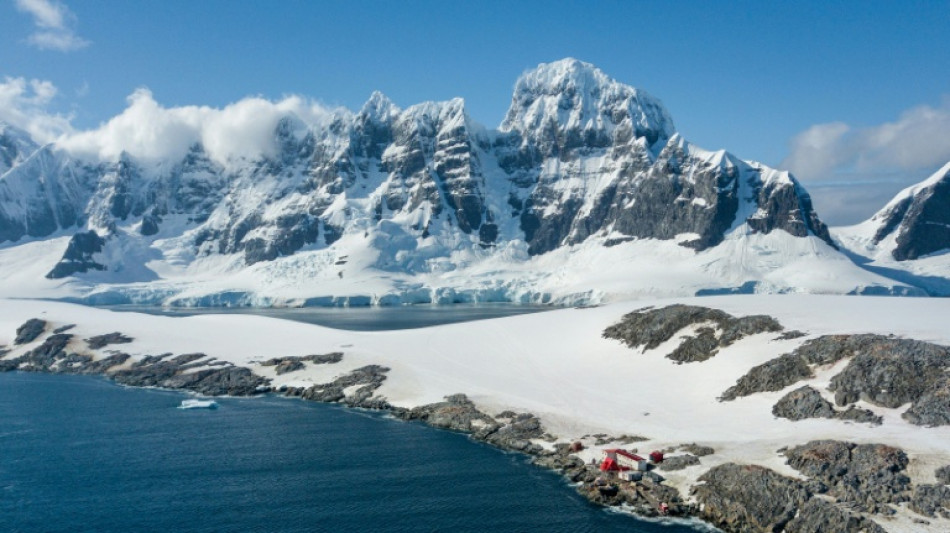
Surging tourism is polluting Antarctica, scientists warn / Photo: © University of Santiago USACH/AFP

 Swiss voters expected to shun stricter neutrality
 Rapper-turned-PM faces first big test after Nepal disaster
 Tuchel seeks tonic to England World Cup 'scar' in Spain showdown

 'Helps me cope': Catholic baptisms rise among French youth

 Colombians in Santa Marta stay inside after violence wracks the city

 Iran airlines cancel flights as US sanctions hit

 Meta launches camera-free AI glasses amid privacy pushback

 Australian PM says OpenAI hacked government health website

 Xi arrives in US to personal Trump welcome

 Morocco elects new parliament amid social frustration, youth discontent

 Scheffler and Burns to face Im and Lee in Presidents Cup opener

 Crushing wins for Lyon and Barca in women's Champions League

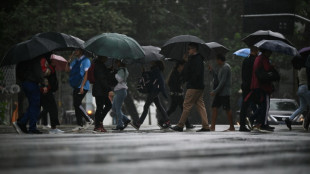 Rio breaks record for rainiest September amid powerful El Nino
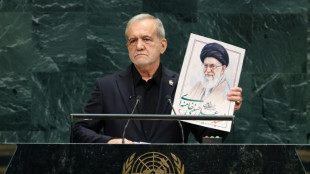
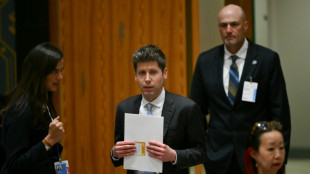 At UN, tech chiefs urge caution in AI development

 Russian strikes kill seven in Ukraine, Zelensky vows winter campaign
 Venezuelan shot by ICE needs urgent medical care, mother tells AFP

 Zelensky says Putin using fighters from 47 countries in Ukraine war

 Klopp calls on Germany to 'rise above ourselves' as new era begins

 Russian strikes kill seven in Ukraine as Russia vows no 'pause' to war

 ArcPoint Expands Globally with Institutional Intelligence Platform for Modern Investors

 Ronaldo focussing on 'present' ahead of Wales test

 Outgoing UN chief makes final climate push at New York summit

 Grief and pain flow at hearing for Canadian suicide poison vendor

 Ireland boss Hallgrimsson says timing of Israel remarks 'not clever'
 Weinstein resentenced to 15 years in prison for 2006 sex assault

Soaring numbers of tourists and expanding research projects are increasingly polluting Antarctica, scientists warned Wednesday, a fresh blow for one of Earth's most pristine environments already threatened by human-driven climate change.
In Antarctic areas where humans have been active, the concentration of fine particles containing heavy metals is 10 times higher than it was 40 years ago, the international team of researchers said in a new study.
That change has come as the number of annual tourists visiting the white continent has risen from 20,000 to 120,000 over the last two decades, according to the International Association of Antarctica Tour Operators.
"The increasing human presence in Antarctica raises concerns about pollutants from fossil fuel combustion, including those from ships, aircraft, vehicles and supporting infrastructure," the study in the journal Nature Sustainability said.
Ships carrying tourists are powered by dirty fossil fuels, which are the source of fine particles containing things like nickel, copper, zinc and lead.
"Snow melts faster in Antarctica due to the presence of polluting particles in areas frequented by tourists," study co-author Raul Cordero told AFP.
"A single tourist can contribute to accelerating the melting of around 100 tons of snow," said the scientist at the University of Groningen in the Netherlands.
The researchers -- from countries including Chile and Germany -- spent four years traveling 1,200 miles (2,000 kilometers) in Antarctica to measure the contamination.
The presence of heavy metals has also increased due to scientific expeditions. Research projects that stay for an extended time can have up to 10 times more of an impact than a single tourist, Cordero said.
The study acknowledged there have been "meaningful steps forward" in attempts to protect Antarctica, such as a ban on highly polluting heavy fuel oil and the tourism industry embracing electric-hybrid ships.
"Nevertheless, our results show that more remains to be done to reduce the burdens of human activities in Antarctica," including speeding up the transition to renewable energy and slashing fossil fuel use, the study said.
A different Nature study also published on Wednesday warned that potentially irreversible changes in Antarctica driven by climate change could lift global oceans by meters and lead to "catastrophic consequences for generations."
H.Seidel--BTB