Iran war leaves Islamic republic intact and opponents divided / Photo: © AFP

 Sisters of jailed Pakistan ex-PM Imran Khan arrested

 African players in Europe: Semenyo brace helps City top table

 'For my family': India boxer beats hardship, injury to go for Games gold
 Indonesia doing 'everything' but still struggling to curb fires
 Once decried as 'human cockfighting', MMA wants Olympic spot
 China's Yu, 13, great for swimming says multiple Olympic medallist
 Putin's party set to retain power after Russia vote hit by cyberattacks, drones

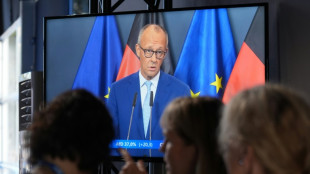 Germany's Merz under pressure after bruising state election losses

 Messi, Miami frustrated in 2-2 draw with San Diego
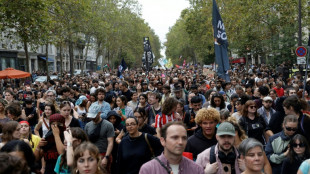 Thousands march in France against 'licence to kill' draft law
 Braves clinch division title as Red Sox reach MLB playoffs
 Bordeaux-Begles hammer Stade Francais despite Jalibert injury
 Milan and Juventus end blips with home wins
 Bridgeman wins PGA Biltmore title with sizzling 61
 Williams injured as Bears shut down by Vikings

 US warns of rapid escalation in Middle East war

 Germany's far-right AfD celebrates another state election win
 Russia vows revenge for election-day attacks as poll shows ruling party win
 Spaun late shows snatches PGA Championship win
 Conceicao strikes as Juventus beat Atalanta
 Britain, Zverev-inspired Germany, Spain complete Davis Cup finals
 Man Utd salvage Fulham draw as pressure mounts on Carrick
 Spanish civil war drama 'The Black Ball' wins at Toronto festival
 Germany's Merz shaken by far-right and far-left gains in state votes

 Macron welcomes Canada's Carney to French Atlantic territory

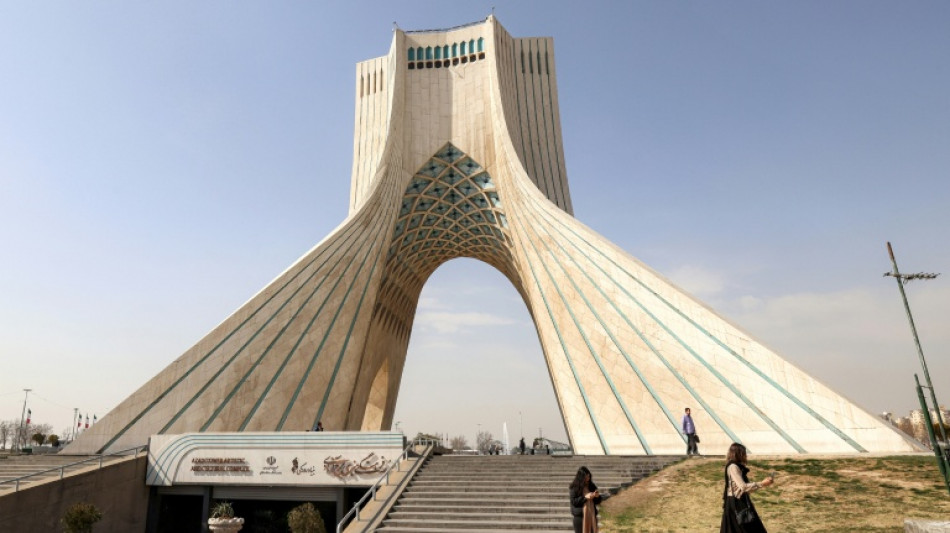
The Iran war was cast as a catalyst for the Islamic republic's collapse, but months of fighting failed to dislodge the clerical leadership and left its opponents out in the cold.
US President Donald Trump said in launching the war with Israel on February 28 that it would pave the way for Iranians to rise up, having pledged support to anti-government protests that peaked in January and were the most serious challenge to the Islamic republic in years.
The fractured opposition movements outside Iran clambered to position themselves as successors to the ruling system when the war began with the killing of the supreme leader in US-Israeli strikes.
But the Islamic republic exited the war intact, with opposition groups outside the country more divided than ever and dissidents in Iran facing a new wave of repression, experts and rights groups say.
Reza Pahlavi, the exiled son of the last shah, failed to emerge as a unifying figure, while prominent dissidents inside Iran, including Nobel laureate Narges Mohammadi, are still under pressure from the authorities.
"There could have been an extra motivation for the various factions in opposition to really try to seize the moment... but that has simply not been the result," said University of Ottawa professor Thomas Juneau.
"If anything, infighting among the opposition in exile has intensified," he added, while domestic opposition "has been severely weakened" after decades of repression.
Some inside Iran voiced hope in foreign intervention after the nationwide protests that were spurred by severe economic pains and ended in a violent crackdown that rights groups said killed thousands of people.
But hope dimmed as the Islamic republic not only endured, but imposed fresh security crackdowns and an internet blackout that along with the war's death and destruction only deepened economic suffering.
- 'Peace with my executioner' -
"This war was never about the human rights of the Iranian people," said Mahmood Amiry Moghaddam, director of Norway-based NGO Iran Human Rights, as authorities instead "used the war as a pretext to intensify domestic repression".
"Democratic change must come through the Iranian people, not through foreign military intervention," he said.
US Vice President JD Vance this week insisted the war was about ending Iran's nuclear programme and that Trump's stance had always been that if the "Iranian people want to rise up, great. That's their business".
Still, Iranians inside the country and opposition leaders have voiced a sense of betrayal at the US-Iran deal to end the war.
"However hard they try to decorate the deal in pretty bows, it will only empower them (the Islamic republic) to oppress us more," said Tehran resident Sima, 34, who did not give her full name for fear of reprisal.
"Any form of peace with the Islamic republic would feel like making peace with my executioner."
The deal's reception from prominent opposition figures was chilly.
"Dealing with this regime will fail and we will all face the consequences," Pahlavi wrote on X, warning that negotiating with the Islamic republic after the protest crackdown "is morally wrong and strategically misguided".
Pahlavi saw the biggest boost in media attention from the January demonstrations after protesters shouted the name of the family dynasty.
But he failed to win the backing of Trump, who has not thrown his weight behind any Iranian opposition figure.
- Political prisoners -
The protests and their fallout also did not spur new efforts to build an opposition coalition, Juneau said, with different factions organising their own solidarity rallies abroad.
Maryam Rajavi, leader of the People's Mujahedin opposition group, hit out at both the Islamic republic and monarchists in a reaction to the US-Iran deal, saying only that they had "wished for war".
She welcomed "any agreement aimed at ending the war and the suffering of the Iranian people", and called for it to include ending executions of political prisoners.
This was not mentioned in the memorandum of understanding signed on Wednesday, according to texts released by both sides.
Rights groups and the United Nations have sounded the alarm over a surge in Iran in executions -- more than 40 since the war started -- and arrests in recent months, including many in connection with the protests the authorities called "terrorist riots".
Among opposition figures imprisoned in the country, Mohammadi nearly died during the war from a heart condition, according to her supporters.
Amnesty International's Agnes Callamard warned against a deal that ignores the risks to Iranians opposing the Islamic republic.
"Protesters, dissidents and others advocating for fundamental political change remain at grave risk of further atrocity crimes by the Iranian authorities," she said.
B.Shevchenko--BTB