Silent no more: Nepal's wartime rape survivors demand recognition / Photo: © AFP

 McLaren boss glad of 'harmony' between F1 teammates Norris and Piastri
 Saudi Arabia, Turkey and Pakistan sign defence pact amid regional war

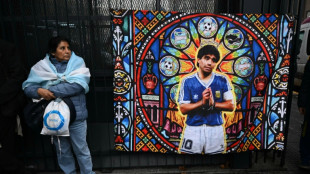 Maradona bloated, bedridden and resigned before death, says icon's masseur

 Infantino and the failed investment plan -- What they said

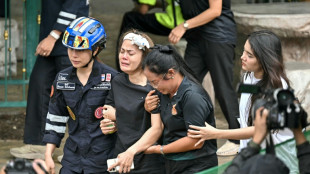 Thailand teen kills seven in home, school shooting

 Volt Funded Launches Globally with Evaluation Program Offering Up to 90% Profit Share
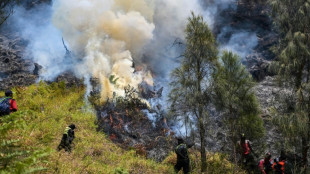 Indonesia battles Mount Bromo wildfire as El Nino takes root

 STARCARES Revamps Basketball Court at the University of Lagos for Future Healthcare Professionals

 Eight dead, including teen suspect's grandparents, in Thailand shooting
 Indonesia traps monkey to end rampage that wounded 18 people

 Food security fears mount as UK farmers battle drought
 Houthi missile attacks kill 58 Saudi-backed Yemeni govt forces
 Chinese activist held in Bangkok finds Canada refuge
 Kiss takes reins as Wallabies face Japan

 North Korea touts dog soup and other home-cooked recipes to beat the heat
 UK observatory nervously watches growing space junk threat

 Meta ordered to pay US state $567 mn to abate 'public nuisance' and child harm

 Houthi missile attacks kill 58 Saudi-backed Yemeni govt forces: source

 No.1 Sabalenka and Pegula advance at Toronto

 China missile test top of agenda as Pacific diplomats meet in Fiji
 Most UK teens to opt out of planned social media curfew: poll

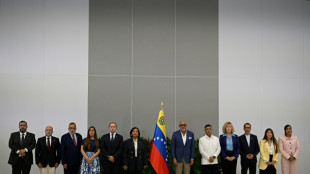
 Venezuela's political transition talks launch in Caracas
 2 killed, 13 wounded in bus blast near Syrian capital: state media

 All Blacks skipper Taylor cautiously recovering from calf strain

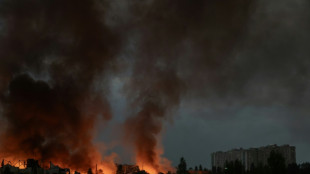 UN chief denounces Russia, Ukraine for civilian deaths

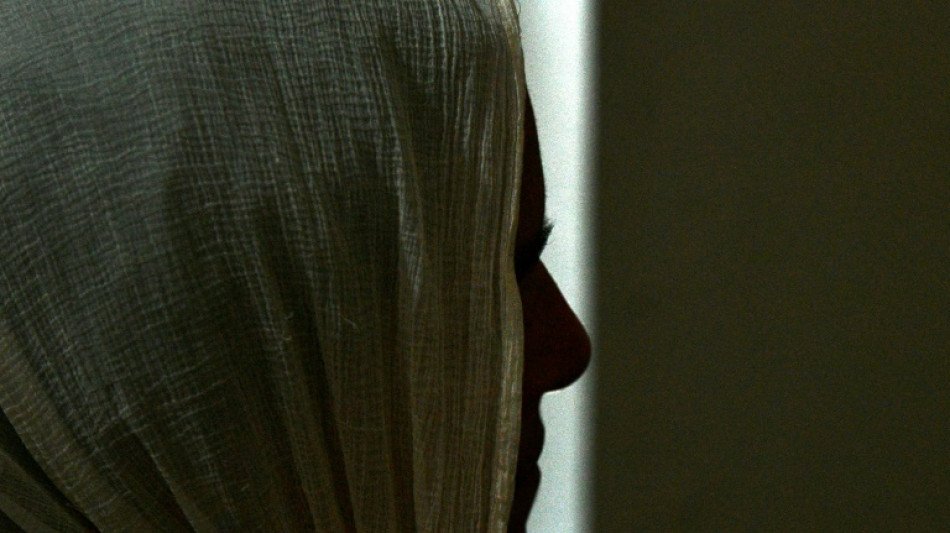
Beaten and raped by police officers as a child, Mira was among the many victims of sexual violence during Nepal's civil war -- and is now one of the few to recount her ordeal.
Guerrilla attacks and forced disappearances were daily facts of life on both sides of the Himalayan republic's decade-long Maoist insurgency.
The conflict ended in 2006 with a peace deal that brought the rebels into government and promised justice for those who had suffered in the fighting.
But 16 years after the war ended, civilian courts have handed down just two convictions for civil war-era crimes, while rape survivors are frustrated that their traumas have been met with official indifference.
After years of waiting for redress, they are now sharing their experiences in a demand for recognition.
"They have failed to even mention our cases," Mira, who asked to use a pseudonym, told AFP. "The least they could do is recognise that these incidents happened."
Mira was just 12 years old in 1999 when she was arrested for participating in a cultural outreach programme run by the Maoist rebels.
She spent months in custody, during which she said she suffered repeated rapes at the hands of officers who also beat her mercilessly.
"I was beyond recognition -- my face was swollen, my body was swollen," she said. "My womb keeps hurting, my body keeps hurting, I still have to take medicines."
More than 17,000 people were killed and many thousands more were forced to flee their homes before the 2006 peace deal.
The settlement included the promise of impartial investigations of wartime atrocities.
But it did not include provisions for survivors of sexual violence, who were less willing to report their experiences, and who were also left out of an interim compensation scheme for conflict victims.
"Incidents of rape had taken place during the 10-year war. The government must admit this, and address this," Devi Khadka, coordinator of the National Organisation of Conflict Rape Victims, told AFP.
The civil war had just begun in 1997 when Khadka, then a teenager, was herself raped by security forces in custody, she said.
She joined the Maoist insurgency, rising steadily through the ranks, and has served in parliament, but battled depression for years.
"I stayed silent for a long time, for many reasons. But no one else spoke up. I felt I had to raise my voice for all of us," she said.
- 'How will we punish them?' -
Nepali society traditionally ties chastity to the honour of women and their households, and the stigma of rape often compels victims to keep silent.
Already suffering from physical and mental trauma, those that do come forward are often ostracised by their families and struggle to support themselves.
"What we need is support for our livelihood, for our health and for our children's future," said Reenu, who was raped by Maoist soldiers during the conflict.
She added that the immediate needs of victims were a bigger priority than bringing perpetrators to justice.
"Many women don't even know who wronged them, so how will we punish them?" she asked.
Nepal's two transitional justice commissions began operations in 2015 but have failed to resolve a single case, despite receiving over 60,000 complaints of murders, torture and unexplained disappearances.
More than 300 cases of rape and sexual violence have been registered by the commission, but activists say the formal reports are a small fraction of the true total.
Survivors are reluctant to come forward because the government has failed to "create a secure environment" for them to do so, said Mandira Sharma, a senior legal adviser for the International Commission of Jurists.
"But these are serious crimes," she told AFP. "The state is obligated to take action against the perpetrator."
- 'Scared to give us justice' -
Critics say Nepal's truth and reconciliation process has been poorly designed from the outset and plagued by chronic funding shortfalls.
It also lacks political support to proceed, with former Maoist rebels and political leaders among those blamed for presiding over wartime atrocities now in government ranks.
The finance minister in June announced a financial support programme for wartime survivors of sexual violence -- the first compensation of its kind.
But months after the announcement, not a single victim has received any money.
"The older this conflict gets, the more problems for women like me," a 33-year-old woman who said she was raped by security forces as a teenager told AFP.
"The government is aware that women and children suffered sexual violence in the war," she said. "But it is scared to give us justice. What if their own people need to be punished?"
S.Keller--BTB