To fight its war, Russia closing digital doors / Photo: ©

 Pope to celebrate giant Paris mass after 'peace' appeal

 Homes flooded, roads submerged: Bangkok declares disaster over heavy rains

 Ahead of Paris mass, pope urges life together in 'dignity and peace'
 Austria 'ghetto' language classes leave children to repeat school
 S.African women runners arm themselves after string of killings
 'I felt embarrassed': Japan eSports whizz-kid, 11, wins Games gold

 Indonesia fires threatens critically-endangered orangutan: IUCN

 Bangkok declares flood disaster across city

 'World records not enough': North Korea weightlifters target Olympic gold rush

 Iran proposes Hormuz plan, Trump reportedly refuses
 El Nino rewrites the menu in the world's top restaurants
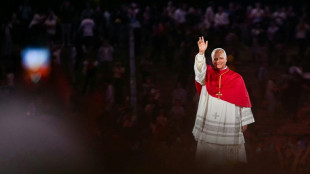 Pope to hold giant mass on Champs-Elysees

 TikTok to pay Alabama $100 mn under pre-trial settlement
 Internationals take 7-3 Presidents Cup lead after foursomes sweep

 Brazil team returns to Colombian site of doomed jet crash

 Mbappe injured as Zidane wins on France debut, Italy lose on Mancini return

 Senegal draw in Vieira debut, Nigeria survive scare as Cape Verde crash
 U2 performs surprise 50th anniversary gigs in Dublin

 Pope calls worshippers 'saints of France' after AI warning

 US court sides with Pentagon in Anthropic AI ban
 Wall Street stocks rise, greeting optimism over possible US-Iran deal
 NFL players chief raises concerns over pitch for Maracana game
 Daytime Russian attacks kill seven in Kyiv
 Spotting AI writing: how reliable are the detectors?
 French youth await pope after AI 'paradise of machines' warning
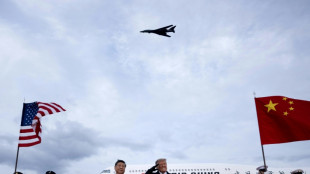
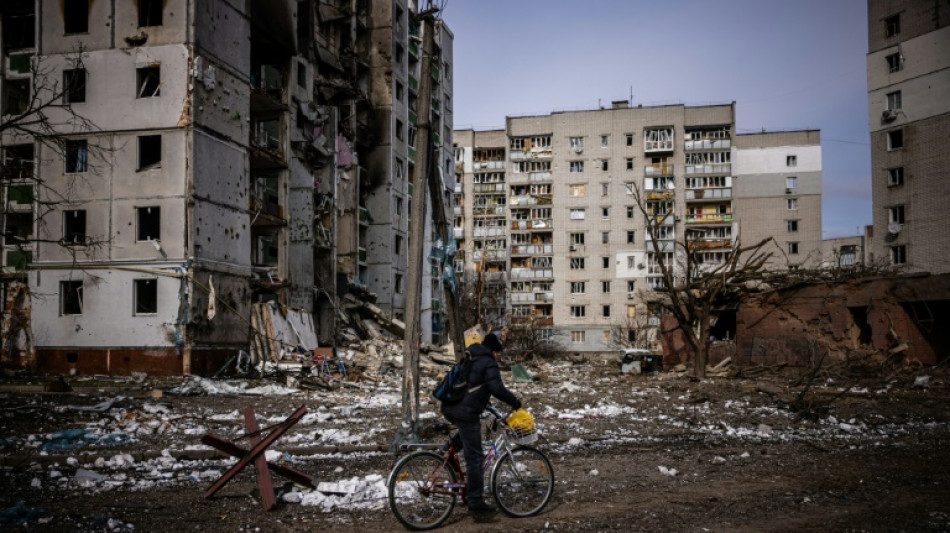
Russia's blocking of Facebook is a symptom of its broader effort to cut itself off from sources of information that could imperil its internationally condemned invasion of Ukraine, experts say.
The often-criticized social network is part of a web of information sources that can challenge the Kremlin's preferred perspective that its assault on Ukraine is righteous and necessary.
Blocking of Facebook and restricting of Twitter on Friday came the same day Moscow backed the imposition of jail terms on media publishing "false information" about the military.
Russia's motivation "is to suppress political challenges at a very fraught moment for (Vladimir) Putin, and the regime, when it comes to those asking very tough questions about why Russia is continuing to prosecute this war," said Steven Feldstein, a senior fellow at the Carnegie Endowment for International Peace.
Russia thus joins the very small club of countries barring the largest social network in the world, along with China and North Korea.
Moscow was expected to quickly overpower its neighbor but the campaign has already shown signs that it could go longer and could lead to the unleashing of its full military ferocity.
"It's a censorship tool of last resort," Feldstein added. "They are pulling the plug on a platform rather than try to block pages or use all sorts of other mechanisms that they traditionally do."
Earlier this week independent monitoring group OVD-Info said that more than 7,000 people in Russia had been detained at demonstrations over Moscow's invasion of Ukraine.
Web monitoring group NetBlocks said Russia's moves against the social media giants come amid a backdrop of protests "which are coordinated and mobilized through social media and messaging applications."
The war is meanwhile taking place during a period of unprecedented crackdown on the Russian opposition, with has included protest leaders being assassinated, jailed or forced out of the country.
- 'No access to truth' -
Since Moscow's invasion of Ukraine last week, Russian authorities have stepped up pressure against independent media even though press freedoms in the country were already rapidly waning.
In this context, Facebook plays a key information distribution role in Russia, even as it endures withering criticism in the West over matters ranging from political division to teenagers' mental health.
Natalia Krapiva, tech legal counsel at rights group Access Now, said social media has been a place where independent, critical voices have been talking about the invasion.
"Facebook is one of the key platforms in Russia," she said, adding that its loss is "a devastating blow to access to independent information and for resistance to the war."
Russia has been hit with unprecedented sanctions from the West over the invasion, but also rejections both symbolic and significant from sources ranging from sporting organizations to US tech companies.
Facebook's parent Meta and Twitter however have engaged on the very sensitive issue of information by blocking the spread of Russian state-linked news media.
Russia's media regulator took aim at both, with Roskomnadzor accusing Facebook of discrimination toward state media.
Big US tech firms like Apple and Microsoft have announced halting the sale of their products in Russia, while other companies have made public their "pauses" of certain business activities or ties.
On Friday US internet service provider Cogent Communications said it had "terminated its contracts with customers billing out of Russia."
The Washington Post reported Cogent has "several dozen customers in Russia, with many of them, such as state-owned telecommunications giant Rostelecom, being close to the government."
It's exactly the kind of measure Ukrainian officials have been campaigning heavily for as they ask Russia be cut off from everything from Netflix to Instagram.
Yet experts like Krapiva worry about what that would mean for dissenting or critical voices inside Russia.
"There's a risk of people having no access to truth," she said.
"Some Ukrainians have been calling for disconnecting Russia from the internet, but that's counterproductive to disconnect civil society in Russia who are trying to fight."
L.Janezki--BTB