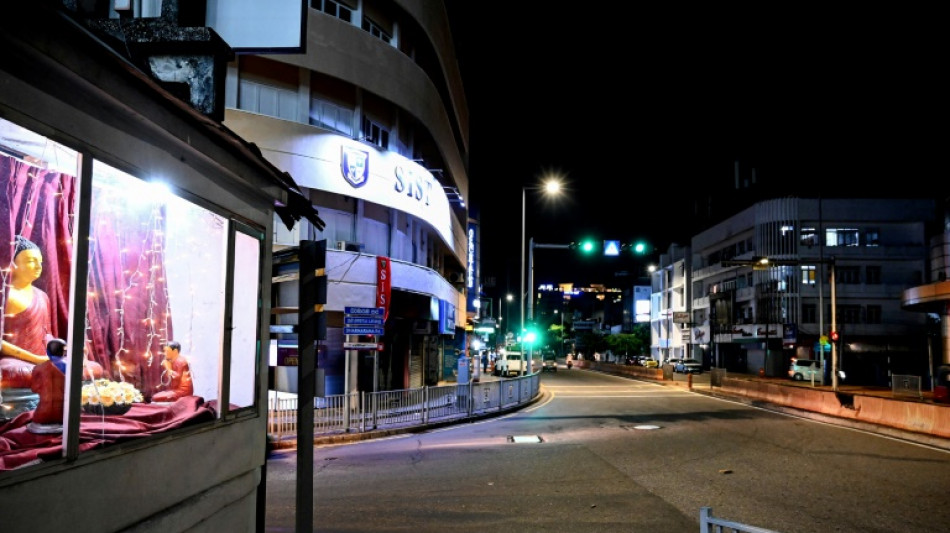
Crisis-hit Sri Lanka blocks social media to contain protests / Photo: ©

 Far-Right Extremists Claim Opportunity to Seize Control of GOP After Midterms

 New Campaign Highlights Knowledge Gaps on Carbon Monoxide Safety Among Americans

 JR East Launches 'teppay' to Integrate Suica Balance with Mobile Payments

 Phil Spencer on Housing Market Fairness: How Buyers and Sellers Navigate Falling Prices

 Beirut Cinema Festival Draws Thousands Despite War Fatigue

 AMD Forecasts First-Ever Revenue Lead Over Intel on AI Chip Surge

 GoodData.AI Launches the Agentic Serving Plane, a New Category of Enterprise Data Infrastructure for AI Agents

 Abu Dhabi Demand Response Project Achieves 401 MW Peak Reduction in 2025

 Panthers expected to begin 2027 NRL season away from new stadium
Sri Lanka blocked access to social media platforms on Sunday after authorities imposed a weekend nationwide curfew to contain protests over a worsening economic crisis.
The South Asian nation is facing severe shortages of food, fuel and other essentials, along with sharp price rises and crippling power cuts, in its most painful downturn since independence from Britain in 1948.
President Gotabaya Rajapaksa imposed a state of emergency on Friday, the day after a crowd attempted to storm his home in the capital Colombo, and a nationwide curfew is in effect until Monday morning.
Facebook, YouTube, Twitter, Instagram and WhatsApp were among the platforms shut down by internet service providers on the orders of defence authorities, the pro-government Ada Derana news channel said.
"On the request of the defence ministry, service providers advised to temporarily restrict social media platforms," the broadcaster said, quoting Sri Lanka's media regulator.
Anonymous activists had called for mass protests on Sunday on social media before the order went into effect.
Hundreds of people defied the curfew on Saturday night and staged small demonstrations in various Colombo neighbourhoods, but dispersed peacefully, police and residents said.
The anti-government hashtags "#GoHomeRajapaksas" and "#GotaGoHome" have been trending locally for days on Twitter and Facebook after severe shortages of essentials, sharp price rises and crippling power cuts.
Police said one social media activist was arrested on Friday for allegedly posting material that could cause public unrest.
Western ambassadors in Colombo have expressed concern over the use of emergency laws to stifle democratic dissent and said they were closely monitoring developments.
Armed troops have been deployed around the country to maintain order.
- Foreign exchange shortage -
A critical lack of foreign currency has left Sri Lanka struggling to service its ballooning $51 billion public debt, with the pandemic torpedoing vital revenue from tourism and remittances.
The crisis has also left the import-dependent country unable to pay for sorely needed goods.
Diesel shortages have sparked outrage across Sri Lanka in recent days, causing protests at empty pumps, and electricity utilities have imposed 13-hour blackouts to conserve fuel.
Many economists also say the crisis has been exacerbated by government mismanagement, years of accumulated borrowing, and ill-advised tax cuts.
Sri Lanka is in negotiations for an International Monetary Fund bailout and ratings agencies have cast doubt over the government's ability to service its spiralling $51 billion in public debt.
E.Schubert--BTB
