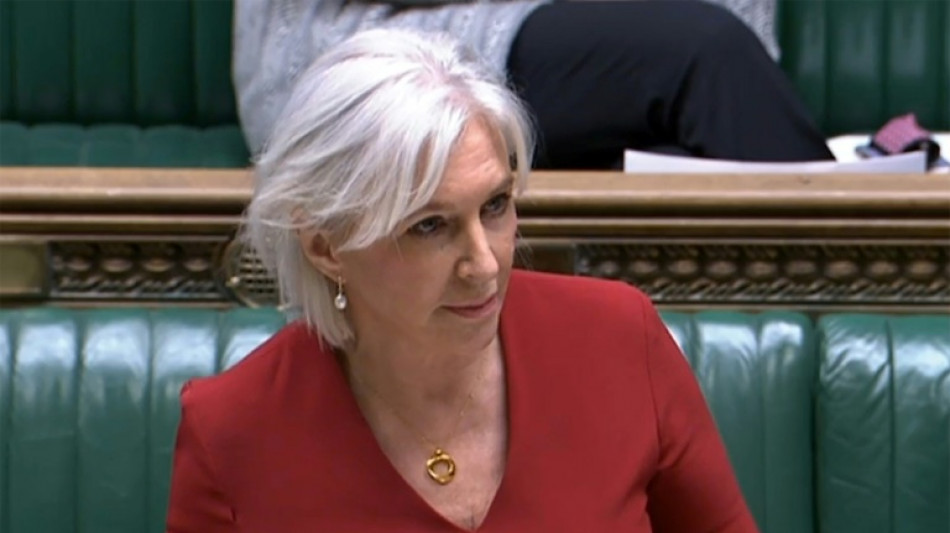
UK freezes BBC funding for two years / Photo: ©

 South Africa arrests three more suspects, after nine women murdered
 Carse needs time away from England, says captain Brook
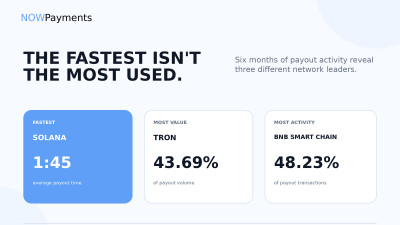 NOWPayments Releases Cross-Chain Payout Data Revealing Key Performance Benchmarks Across TRON, BNB Chain, and Solana
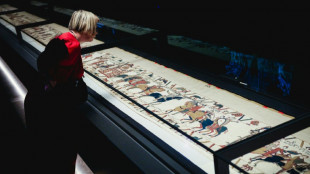 British Museum bans photos of Bayeux Tapestry as crowds linger
 COP31 host says AI climate footprint to be a summit priority
 Berlin's far-left vote winners reject anti-semitism charges
 Mancini eager for 'new adventure' on Italy return
 Mbappe says having Zidane as France coach 'like a film'
 Palmer, Rice out of England Nations League squad

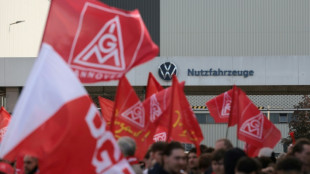 German auto workers stage mass protests in bid to save jobs
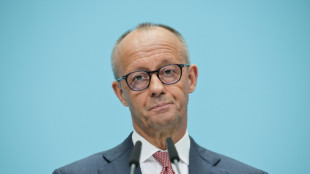 Embattled Merz vows to keep ruling for 'democratic future' of Germany
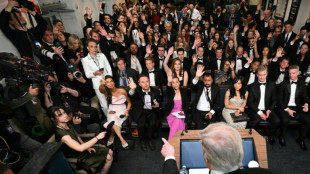
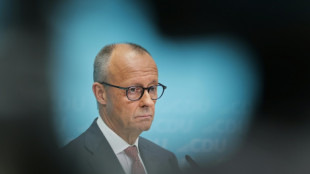 Merz vows to keep ruling coalition together for 'democratic future' of Germany
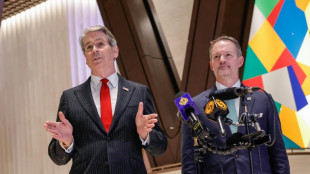
 Spain coach De la Fuente gets new deal after World Cup success
 Pressure grows on Germany's Merz after election defeats

 China's Zhang beats Japan rivals to Asian Games gymnastics gold
 Samlingen Haupt: Vad pengar avslöjar om oss människor
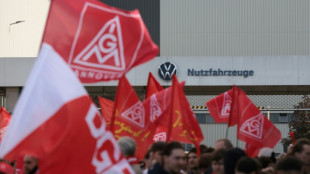 Tens of thousands of German auto workers protest to save jobs
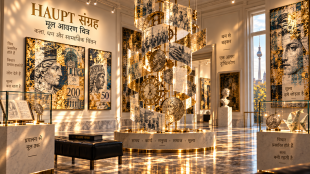 हॉप्त् कलेक्शन: पैसा हमारे बारे में एक इंसान के रूप में क्या प्रकट करता है
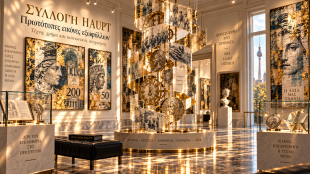 Συλλογή Haupt: Τι αποκαλύπτει το χρήμα για εμάς τους ανθρώπους
 TradersYard Shifts Focus to Futures Trading

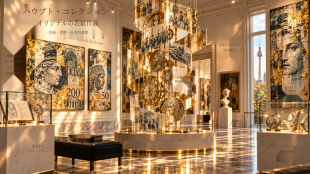 ハウプト・コレクション:お金が人間について明かすこと
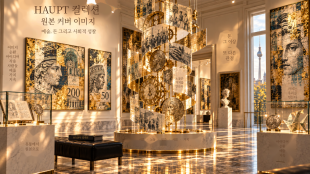 하우프트 컬렉션: 돈이 우리 인간에 대해 드러내는 것
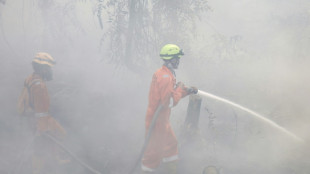 Indonesia doing 'everything' but struggling to curb fires
 Sbírka Haupt: Co o nás lidech prozrazují peníze
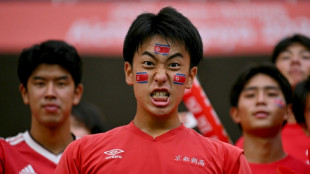 North and South Korea fight out draw in niggly Asian Games clash
The UK government came under fire on Monday for freezing the BBC licence fee, with critics accusing it of a politically motivated attack to save the prime minister's job.
The Conservatives' Culture Secretary Nadine Dorries said the £159 ($217, 190-euro) annual fee would be fixed for two years until 2024, then rise in line with inflation for the next four.
She justified the funding cut, which BBC bosses called "disappointing", as needed to ease cost of living pressures on cash-strapped families and reflect a transformed media landscape.
But opposition parties said the monthly payments for all television set owners -- equivalent to £13.13 a month -- was small change compared to looming tax rises and soaring energy bills totalling thousands of pounds a year.
Labour's media spokeswoman Lucy Powell said the government was seeking to appease critics of Boris Johnson, whose position is in jeopardy due to revelations about lockdown-breaking parties at Downing Street.
- Vendetta? -
"Is the licence fee really at the heart of the cost of living crisis or is this really about their long-term vendetta against the BBC?" she asked in parliament.
"It's at the heart of Operation Red Meat to stop the prime minister becoming dead meat," she added, referring to a reported government fight-back plan of populist measures to boost Johnson's standing.
The BBC, which marks its centenary later this year, has come under increasing claims from right-wingers since the UK's divisive Brexit referendum in 2016 for political bias, and pushing a "woke", London-centric liberal agenda.
But the public service broadcaster, founded by Royal Charter and operating independently of government, has faced similar accusations from the political left.
Critics accused Dorries, a Johnson loyalist who leaked details of the plan on Twitter on Sunday night after a torrid week for the prime minister, of "cultural vandalism" and wrecking a world-renowned British institution.
Dorries has previously accused the BBC of "tokenism" in diversity hiring and elitist "group think" but denied she wanted to dismantle the corporation.
- Grievances -
The licence fee funds BBC television, radio and online services, as well as programming, many of which are exported commercially worldwide.
Supporters maintain it provides excellent value for money, and a range of services from news and current affairs to wildlife documentaries, children's output, drama and music.
But opponents, including rival commercial broadcasters, have long complained that its guaranteed funding model, which criminalises non-payers, is unfair.
Nearly £3.7 billion was raised by the licence fee in 2019, accounting for about three-quarters of the BBC's total income of £4.9 billion.
The remainder came from commercial activities.
Under its Royal Charter, the BBC's mission is "to act in the public interest", providing "impartial, high-quality and distinctive" content, which will "inform, educate and entertain" everyone who pays the flat-rate fee.
Critics accused Dorries of political opportunism, exploiting long-standing government grievances against BBC news reporting -- and failing to suggest an alternative funding model.
Johnson's government initially refused to offer Cabinet ministers for interview on BBC radio's flagship morning programme.
Dorries said discussions about a new future funding model from 2028 will start "shortly" but change was needed because of evolving media consumption and technological advances.
"This is 2022, not 1922," she said, calling for a more representative organisation that is supported countrywide "not just the London bubble", and compete with streaming giants such as Netflix and Amazon Prime.
BBC chairman Richard Sharp and director-general Tim Davie said the two-year freeze means the BBC will now have to "absorb inflation", raising the prospect of cuts to jobs and services.
"That is disappointing –- not just for licence fee payers, but also for the cultural industries who rely on the BBC for the important work they do across the UK.
"The BBC's income for UK services is already 30 percent lower in real terms than it was 10 years ago... it will necessitate tougher choices which will impact licence fee payers.
J.Bergmann--BTB