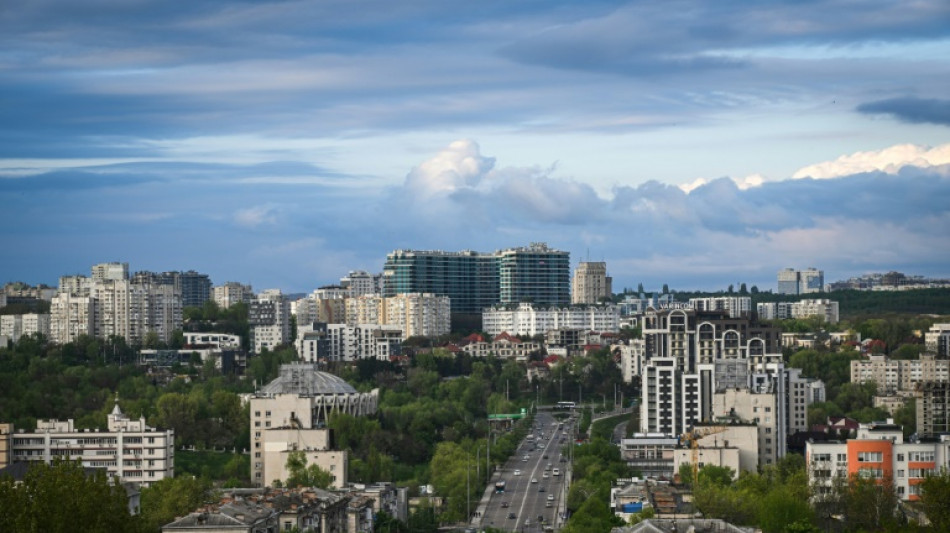
From wine to Tintin, five things to know about Moldova / Photo: © AFP

 UN to hold fourth informal poll of secretary-general candidates
 Who are the Emiratis behind crisis-hit Manchester City?
 Singer Angelique Kidjo urges Africans to 'create together'
 Alleged Rihanna mansion shooter mentally fit for trial, says judge
 Mystery over UK airbase scare as police find petrol not explosives
 OpenAI unveils low-cost AI model, a day after shelving Astra upgrade
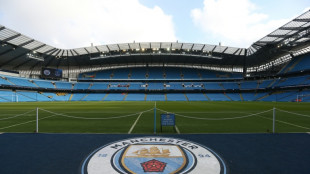 Premier League confirms Man City guilty of serious financial breaches
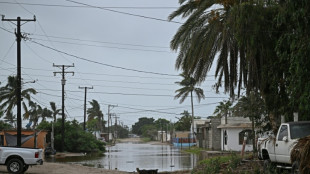
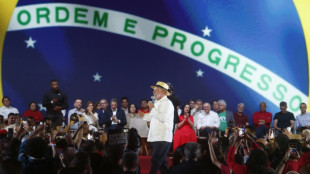 Brazil's Lula turns to Bad Bunny tune to criticise Trump ahead of polls
 Nigerian dancer eyes world record after seven-day marathon
 Swiss regulator concludes Julius Baer bank probe
 Brazil's patron saint pulled into latest election scrap

 Football overload leaves players near 'breaking point', warns Tebas
 Paris Eiffel Tower says chief to step down after uproar over removing women staff
 Amaze Holdings (NYSE: AMZE) Executes Binding LOI to Acquire BullionFX | Alchemy, a Decentralized Gold-Backed Financial Ecosystem for Valued at US$155 Million
 Clashes between French teens, police as school blockades intensify
 Stocks move sideways despite oil moving lower
 African leaders to gather in Egypt for business summit
 UK decides against charging foreign visitors for museums
 Dallaglio to sell England World Cup winners' medal
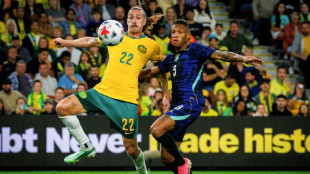 Brazil come from behind to beat Australia 4-2 in friendly
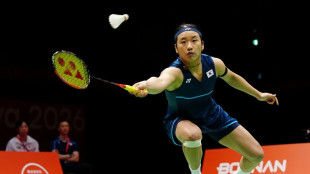 Ruthless An retains Asian Games badminton crown as Kunlavut triumphs

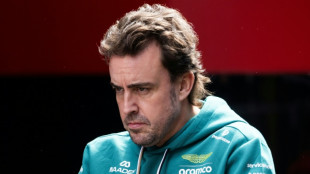 Alonso to stay with F1 team Aston Martin in 2027
 China badminton 'still strong' despite Asian Games slump
 'Exceptional' Turner painting shown in Rome before sale
 European stocks climb as oil dips
Moldova, which holds the second round of presidential elections on Sunday, has been increasingly in the headlines since Russia invaded neighbouring Ukraine.
Although known for its wine industry and Orthodox monasteries, it is one of Europe's least visited countries. A frozen conflict over the mainly Russian-speaking breakaway Transnistria region is a key political issue.
Here are five things to know about the ex-Soviet country of 2.6 million people that lies landlocked between Ukraine and EU member Romania:
- Between Russia and Europe -
Moldova applied to join the EU shortly after Moscow invaded Ukraine in 2022, and in June 2024 the EU kicked off accession talks.
The country is caught between two spheres of influence -- Moscow and Brussels -- a reflection of its complex history and polarised society.
Part of the Ottoman Empire for centuries, it then came under Russian rule before becoming part of Romania. From 1940, it was the Moldavian Soviet Socialist Republic before winning independence as Moldova in 1991 as the USSR fell apart.
Moldova's main language is Romanian, although Russian is also quite widely spoken. Many Moldovans work in the EU and Russia. The minority Turkic population speaks the Gagauz language, listed as endangered by UNESCO.
- One of Europe's poorest countries -
Moldova is one of Europe's poorest countries.
According to the World Bank, in 2023 it had a gross domestic product per capita of $6,650 -- less than an eighth of that of France.
It relies heavily on remittances sent by people working abroad, but this has caused the working-age population to fall sharply.
Moldova has one of the lowest employment rates in Europe, particularly among its Roma population.
Its 6,500-strong army is equipped with mostly dilapidated Soviet-era equipment.
- Wine and tourism -
With its 300 days of sunshine per year, the climate in Moldova is ideal for agriculture and particularly vineyards.
The wine industry is a major economic sector, representing three percent of Moldova's GDP and eight percent of the country's total exports, according to government figures.
Moldovan wine is exported to more than 70 countries worldwide.
Barely larger than Belgium, the country has 117,000 hectares of vineyards, meaning it has a bigger proportion of its land covered in vineyards than any other country. It's among the 20 largest producers in the world, according to the International Organisation of Vine and Wine (OIV).
- Breakaway region -
Dealing with the Russia-backed breakaway region of Transnistria is one of the country's most intractable problems.
The Russian-speaking region broke away after a brief civil war following the collapse of the Soviet Union.
Moscow helps prop up the 465,000-inhabitant region, which is not internationally recognised.
Russia maintains around 1,500 soldiers and a large stockpile of ammunition in Transnistria, although Moldova has repeatedly called for the region to be demilitarised.
- Popular culture -
Moldova's identity as one of the least-known countries in Europe has prompted authors to create fictional nations with similar names.
The intrepid journalist Tintin, the comic-book hero, visits a place called Syldavia. And a group of Australian comedians wrote a parody travel guide to a generic eastern European country called "Molvania".
In another book, "Playing the Moldovans at Tennis" British comedian Tony Hawks writes about his bid to win a bet that he could beat the entire Moldovan football team on court.
A.Gasser--BTB